EU:s klimatmål sporrar flygets omställning
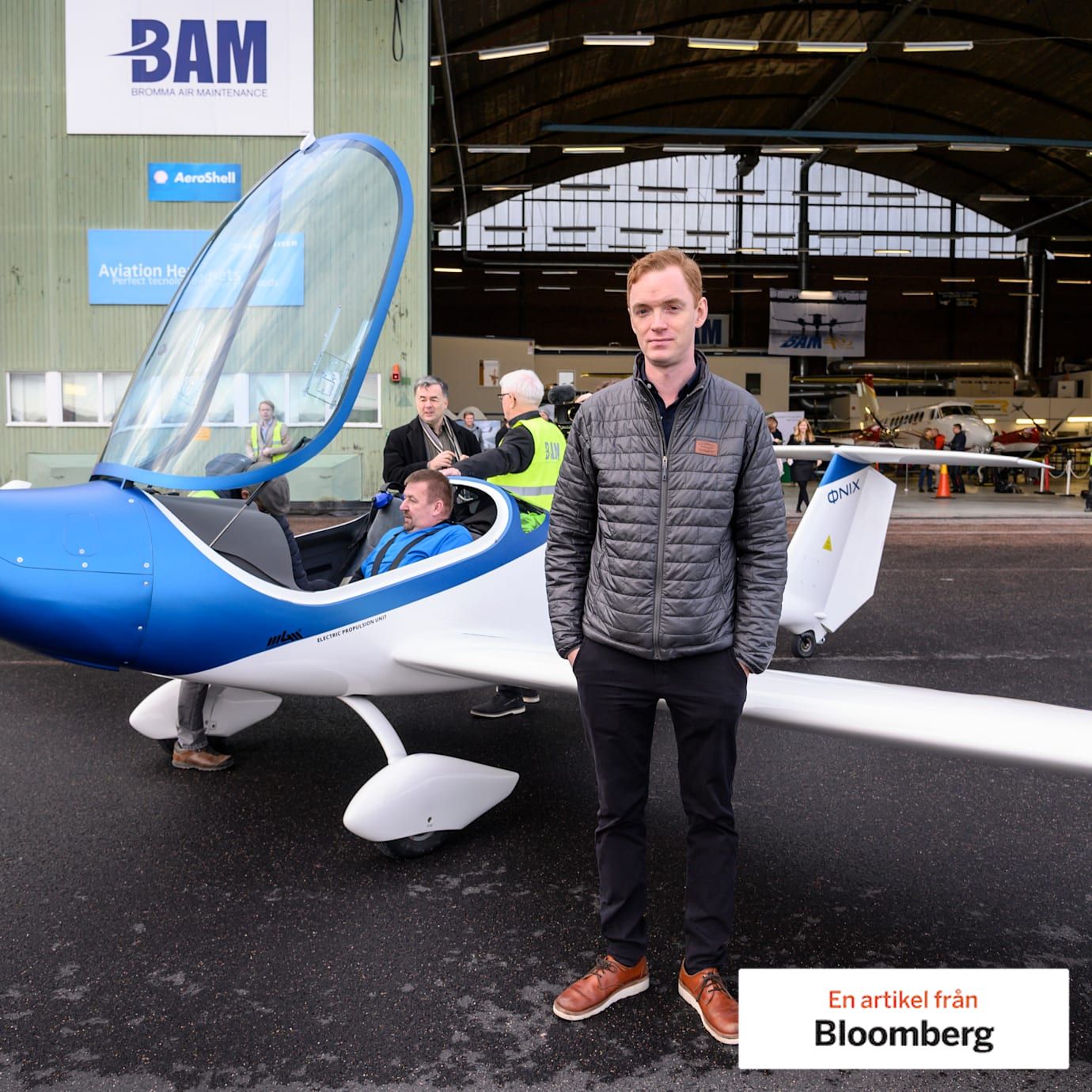
EU:s mål om att göra den gemensamma marknaden koldioxidneutral till år 2050 gör Europa till ledare för flygindustrins gröna omställning, skriver Bloomberg.
Europeiska Airbus, som är världens största flygplanstillverkare, har lovat att de ska ha ett fungerande vätgasflyg i luften om drygt tio år. Till dess behövs en interrimslösning och där kommer svenska Heart Aerospace, som bygger små batteriplan, in i bilden. Ett annat alternativ är SAF (sustainable aviation fuel) som tillverkas av matavfall, men i nuläget täcker det bara en försumbar del av flygets bränslebehov.
 Bloomberg
Why Europe Is Emerging as a Green Aviation Test Bed
The region’s ambitious targets for decarbonization put pressure on plane and engine manufacturers to commercialize sustainable solutions.
Getting an 80-ton Airbus A320 off the ground requires huge amounts of energy, with a fully fueled aircraft capable of flying 4,800 kilometers (3,000 miles) loading up on more than 20,000 liters (5,283.4 gallons) of kerosene, almost 10 times the annual gasoline consumption of an average car. Long-distance journeys are even more polluting: A flight from Frankfurt to New York on a Boeing 747 jumbo jet emits around the same amount of carbon dioxide as heating 440 German homes for a year (roughly 2,000 kilograms, or 4,400 pounds, per passenger).
It’s no wonder then that aviation has become a prime target of climate activists and lawmakers, who are calling for people to fly less or take the train on shorter routes. Some countries are already taking action by outlawing short flights where the train offers a reasonable alternative. Last year, more radical opponents broke through perimeter fences and literally glued themselves to the tarmacs at Berlin and Munich airports. Greenpeace wants to see private jets banned in Europe, branding them as “staggeringly polluting and generally pointless.”
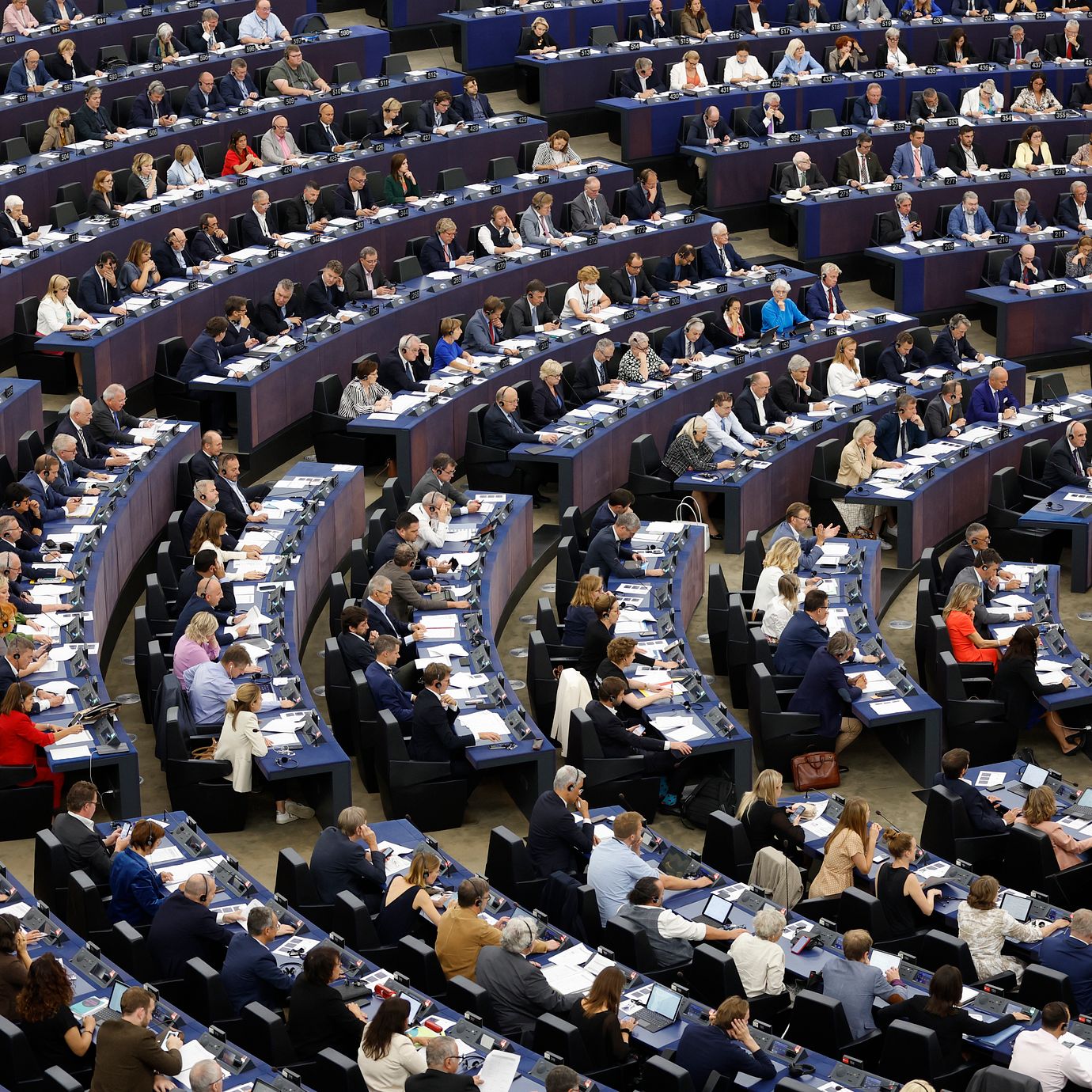
Airlines and aircraft manufacturers are recognizing that they must decarbonize if they want to stave off protests and legislative restrictions on growth. And Europe, home to Airbus, engine makers such as Safran and Rolls-Royce Holdings as well as a host of aviation startups, is emerging as the most ambitious test bed for new technologies, spurred by European Union leaders who want to make the bloc’s economy climate neutral by 2050, ahead of other regions.
Airbus and some of Europe’s biggest airline groups, including British Airways parent IAG, Deutsche Lufthansa, Air France-KLM and Ryanair Holdings, have committed to the net-zero emissions by 2050 goal. But decarbonizing aviation is fraught with technical and economic hurdles, not least of which are the unbending laws of physics. While startups such as Swedish hybrid-electric plane company Heart Aerospace AB are working on smaller battery-powered planes, there are so far no viable green propulsion methods for longer-haul jets.
“I love what aviation does, physically connecting people. At the same time, I want to eliminate its climate impact”
Airbus SE, the world’s biggest aircraft maker, is betting that planes powered by hydrogen, which produces no carbon dioxide, could be a solution for zero-emissions flying and says it will have a hydrogen-powered model in service by the middle of the next decade. The company is converting the first A380 superjumbo that it ever built into a demonstrator aircraft, which is scheduled to perform flight tests of a hydrogen combustion engine mounted on its fuselage starting in 2026.
“I love what aviation does, physically connecting people,” says Glenn Llewellyn, vice president of Zeroe Aircraft, Airbus’s zero-emissions program. “At the same time, I want to eliminate its climate impact. That’s mandatory if we want to be able to physically connect the world in the future.”
Airbus is attempting to rally the aviation industry behind the technology. Boeing Co. is testing hydrogen fuel cells on its ScanEagle3 pilotless military drone, but has said hydrogen flight will take decades to develop and bring to market.
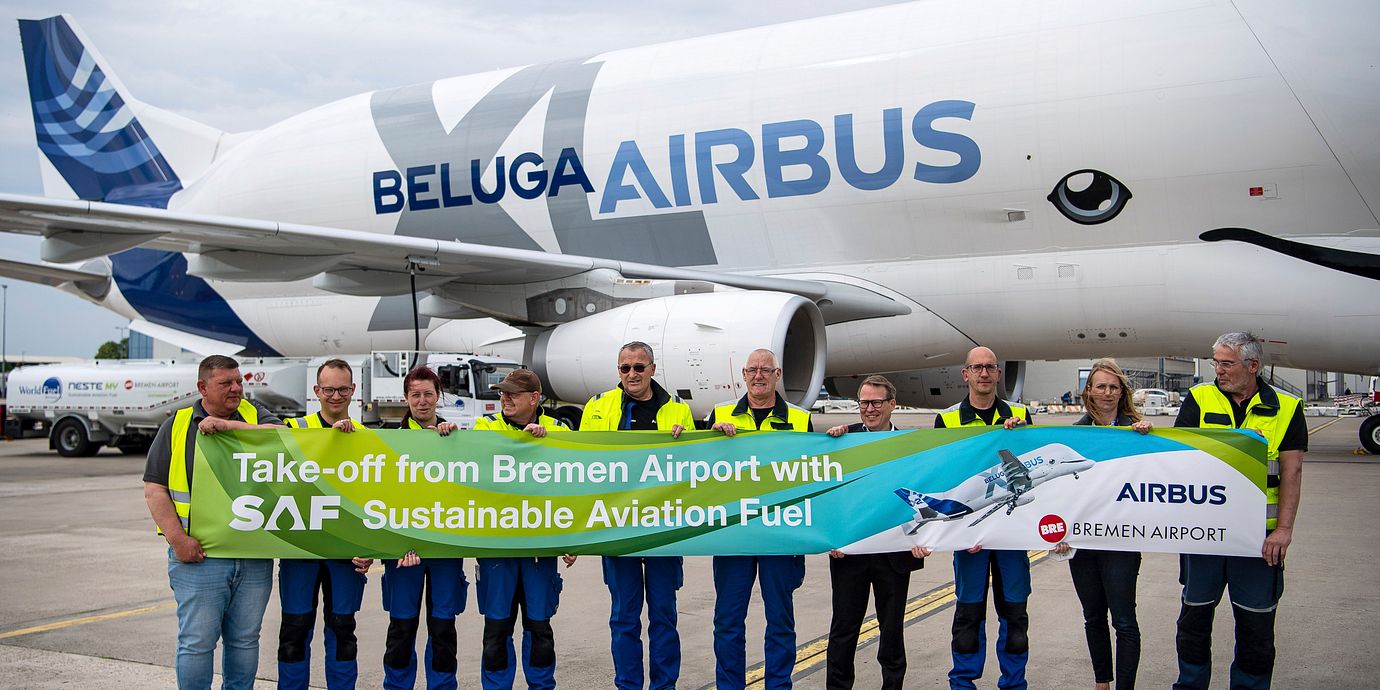
Switching from kerosene to hydrogen is complicated and would require an overhaul of infrastructure on the ground at airports to support wide use of the new fuel. Hydrogen also needs to be cooled and is much more flammable than kerosene.
The long certification timelines and the advancements that still need to be made with hydrogen mean that airlines and aerospace companies need to find an interim solution. That’s why so-called sustainable aviation fuel (SAF) has emerged as a bridge to true zero-emissions aircraft.
SAF is chemically similar to jet fuel, but it doesn’t require extraction of more petroleum. While these fuels release carbon dioxide when they’re burned, their feedstocks contain carbon dioxide that was previously floating in the atmosphere, lending SAFs a greener tint than kerosene. Some are biofuels made from discarded cooking oil or municipal waste, for example, while others are synthetic fuels made by combining hydrogen and carbon captured from the atmosphere.
As part of the EU’s push for carbon neutrality, the bloc wants all aircraft fuel to contain 2% SAF starting in 2025, rising to 63% by 2050—largely based on airlines using biofuels over synthetic alternatives. But for now, SAF production is severely limited, and airline executives say global annual output would barely fuel their fleets for a few days. Critics have pointed out that there might not be enough biological waste available to hit the targets and that the EU should require a higher share of synthetic fuels.
“But we also need to remember that there are emissions-related costs, so you can’t just look at the headline fossil jet fuel cost”
Companies such as Finland’s Neste Oyj have promised to ramp up production of SAF as demand grows. Neste uses waste cooking oils and animal fat wastes to make SAF and is exploring other feedstocks including municipal solid waste. It’s also testing synthetic jet fuels manufactured by combining captured carbon with hydrogen extracted from water through renewable-powered electrolysis, according to Jonathan Wood, the company’s vice president for renewable aviation. The resulting combustible hydrocarbon has almost identical properties to kerosene.
“I’m not going to pretend that in at least the near future, fossil jet fuel and SAF are going to be the same price,” Wood says. “But we also need to remember that there are emissions-related costs, so you can’t just look at the headline fossil jet fuel cost.”
Airline executives have argued that lawmakers should incentivize—rather than force—the use of SAF, particularly through subsidies to cover the higher production costs. Deutsche Lufthansa AG estimates that SAF is three to five times more expensive than regular jet fuel, and even after enabling customers to pay for SAF in the booking system as part of their ticket price to compensate for their carbon emissions, just a few are opting in.
“How can I waste my shareholders’ money buying a more expensive fuel when nobody pays for it?”
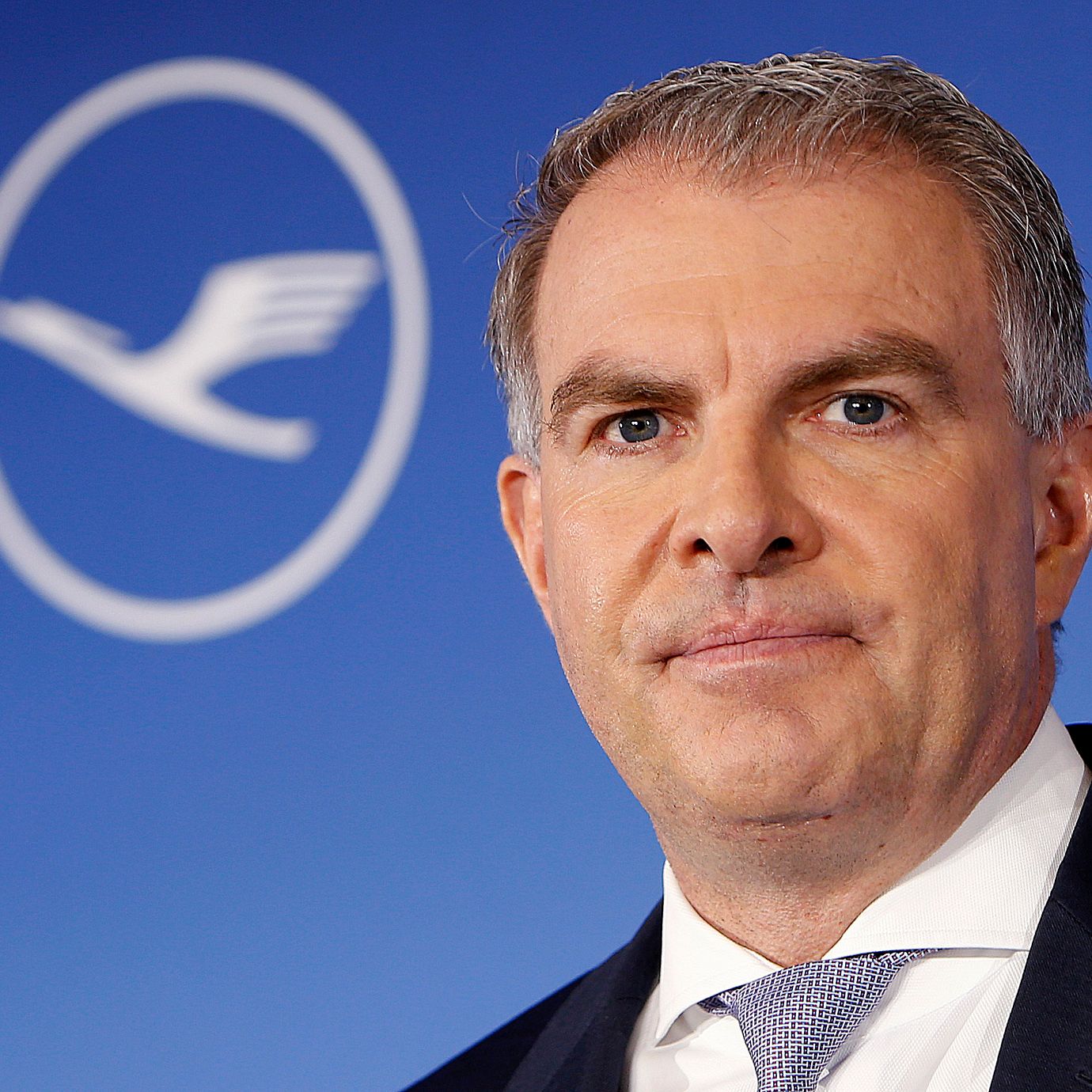
Lufthansa Chief Executive Officer Carsten Spohr, speaking last week at a conference in Brussels, said not all the company’s first-class passengers, who are willing to pay as much as €15,000 ($16,350) for a seat, are willing to pay an extra €500 to fly carbon neutral by purchasing SAF. For now, only a handful of passengers per 100 across all flight classes choose to pay for their carbon, he said. “How can I waste my shareholders’ money buying a more expensive fuel when nobody pays for it?” Spohr said.
While batteries have become common in ground transport, they have major drawbacks on aircraft: They’re heavy and retain their same weight throughout the journey, unlike liquid fuel that burns off. Batteries deliver much less energy for the weight than kerosene—250 watt hours per kilogram for batteries versus 12,000 watt hours per kilogram for kerosene. That means the passenger compartment or cargo space would need to shrink to accommodate them. Hydrogen poses its own storage challenges, including cooling and the fact that it’s explosive when it’s a gas, raising the possibility of accidents resulting from fuel leaks.

Batteries do hold promise for smaller planes. Heart Aerospace is creating the ES-30 regional electric aircraft, and the company is slated to begin deliveries in 2028. Powered by four electric motors, Heart expects that it will be able to fly 30 passengers a distance of about 200 kilometers on battery power alone and 400 kilometers with the hybrid system, which includes two reserve generators powered by jet fuel that charge the batteries.
Heart Aerospace is competing with a handful of projects from startups and units of established aircraft manufacturers to bring an electric passenger plane to market by the end of the decade.
The simplest way to reduce aviation’s rising emissions would be to discourage passengers with higher taxes. Yet doing so would intensify the economic divide between the continent’s affluent north and struggling south. Tourism accounts for around a fifth of economic output in Croatia, Greece and Portugal. In northern European countries like Germany and the Netherlands, that figure is around 10%.
Whether it’s by making flying more expensive through taxes or developing green fuels or propulsion methods, cheap aviation is set to become relegated to the past in Europe, as the industry seeks to ditch its kerosene guzzling. “Flying will be more expensive when you do it more sustainably,” says Gianluca Ambrosetti, CEO of Synhelion SA, a company testing SAF production using solar energy in Germany. “The good news is you’ll still be able to fly.”
For more articles like this please visit us at bloomberg.com