Fastighetsmogulen lyckades rädda sitt sjunkande skepp
Sun Hongbin är den kinesiske fastighetsmagnaten som lyckats med det till synes omöjliga. Han har lyckats med konststycket att övertyga sina långivare att omstrukturera krediterna och på så sätt rädda sitt bolag Sunac undan en konkurs – i alla fall för stunden.
Måhända mjuknade långivarna efter att Sun lånat 450 miljoner dollar till Sunac, ur egen ficka.
– Sunac har visat att en omstrukturering faktiskt kan göras, säger fastighetsanalytikern Liu Jieqi till Bloomberg.
 Bloomberg
Chinese Tycoon on the Rebound After $10 Billion Debt Deal
A successful credit restructuring sets developer Sunac apart from peers such as Evergrande and Country Garden.
(Bloomberg Businessweek) -- Sun Hongbin knows a thing or two about living on the edge—quite literally. After a business dinner in September, the founder of Sunac China Holdings Ltd. was standing on a riverbank in Sichuan province when he slipped and fell more than 10 feet into a ditch. An emergency response team fished him out and rushed him to a hospital, where he was treated for cuts and bone fractures.
Sun’s confidants see the mishap as a metaphor for three harrowing years that brought his real estate empire to the brink, people who know him say, requesting not to be identified discussing private matters. Just as the chairman himself recovered from the fall, his two-decade-old company is getting back to business after a debt restructuring, making it stand out among the dozens of distressed Chinese developers facing potential collapse or consolidation.
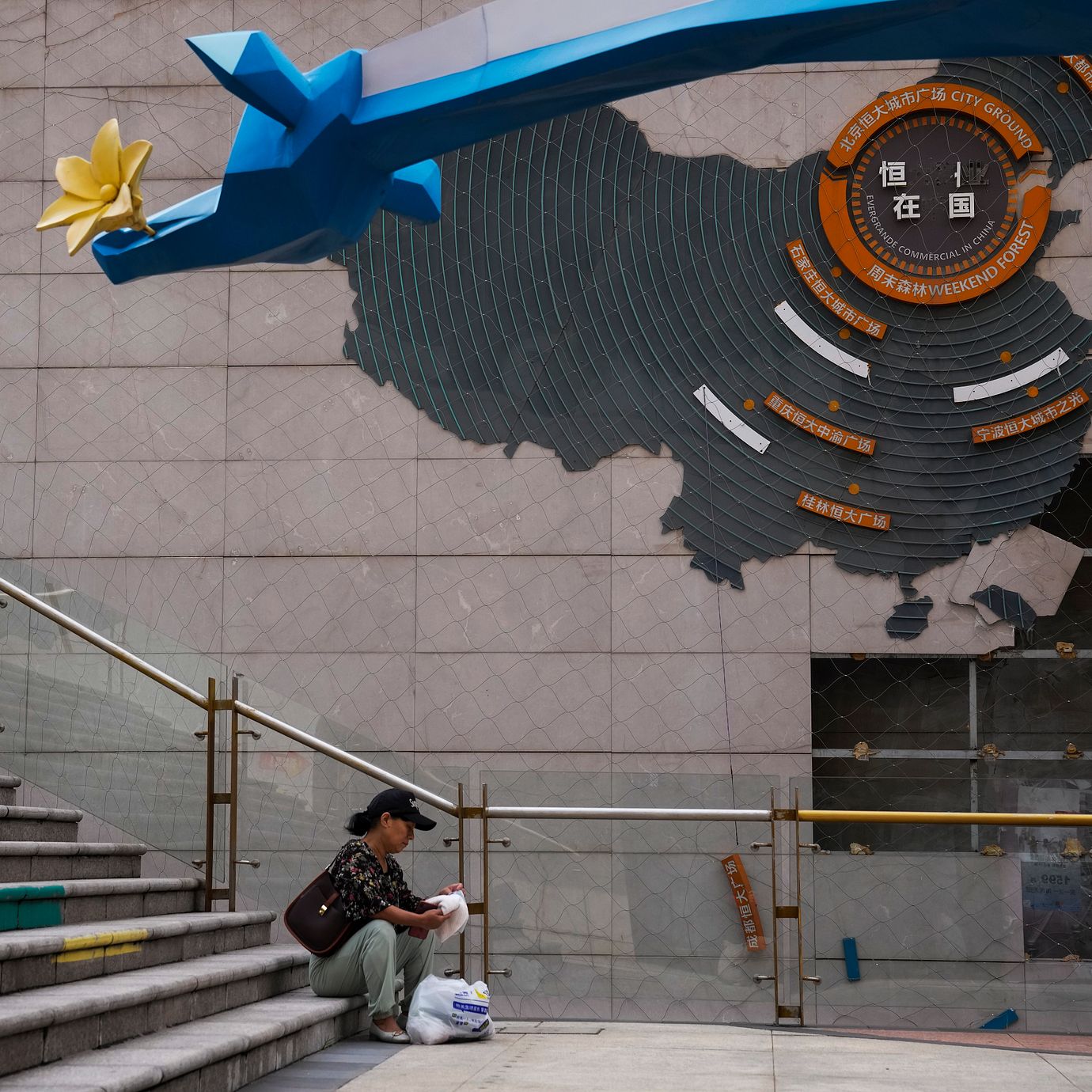
While bigger rivals such as China Evergrande Group and Country Garden Holdings Co. remain mired in negotiations with creditors, Sunac was able to get investors including Ashmore Group Plc and Barings LLC to sign off on a plan to overhaul some $10 billion of offshore debt.
Investors say Sunac’s clear plan and fair treatment of creditors played an important role in the restructuring, which went into effect in November, about 18 months after the developer first defaulted on a dollar bond. The company and creditors agreed to a debt-for-equity conversion, with bondholders accepting an extension of repayments of as much as nine years. Sun saw his stake in Sunac diluted as part of the deal, after ponying up $450 million of his own money in an interest-free loan to Sunac. Sun and the company declined to comment.
“Sunac showed that restructuring could be done”
Throughout the talks, Sun laid out a simple set of principles for his negotiators: Get the deal done, and don’t fret tiny wins or losses. Sunac was able to convince creditors that it was more likely to get state support and better prices for assets if it could shed the “defaulter” label and move on. “Sunac showed that restructuring could be done,” particularly with the commitment shown by Sun’s willingness to offer the loan out of his own pocket, says Liu Jieqi, a senior property analyst with UOB-Kay Hian Holdings Ltd.
It helps that Sunac’s assets are of better quality than those of many of its peers, Liu says. Its housing projects are predominantly in big cities, versus the smaller localities that many players have focused on, where the collapse in housing prices has been even more dramatic. And it brought more to the bargaining table, including its portfolio of theme parks and resorts across China and a subsidiary that performs maintenance on its own developments and those of rivals.
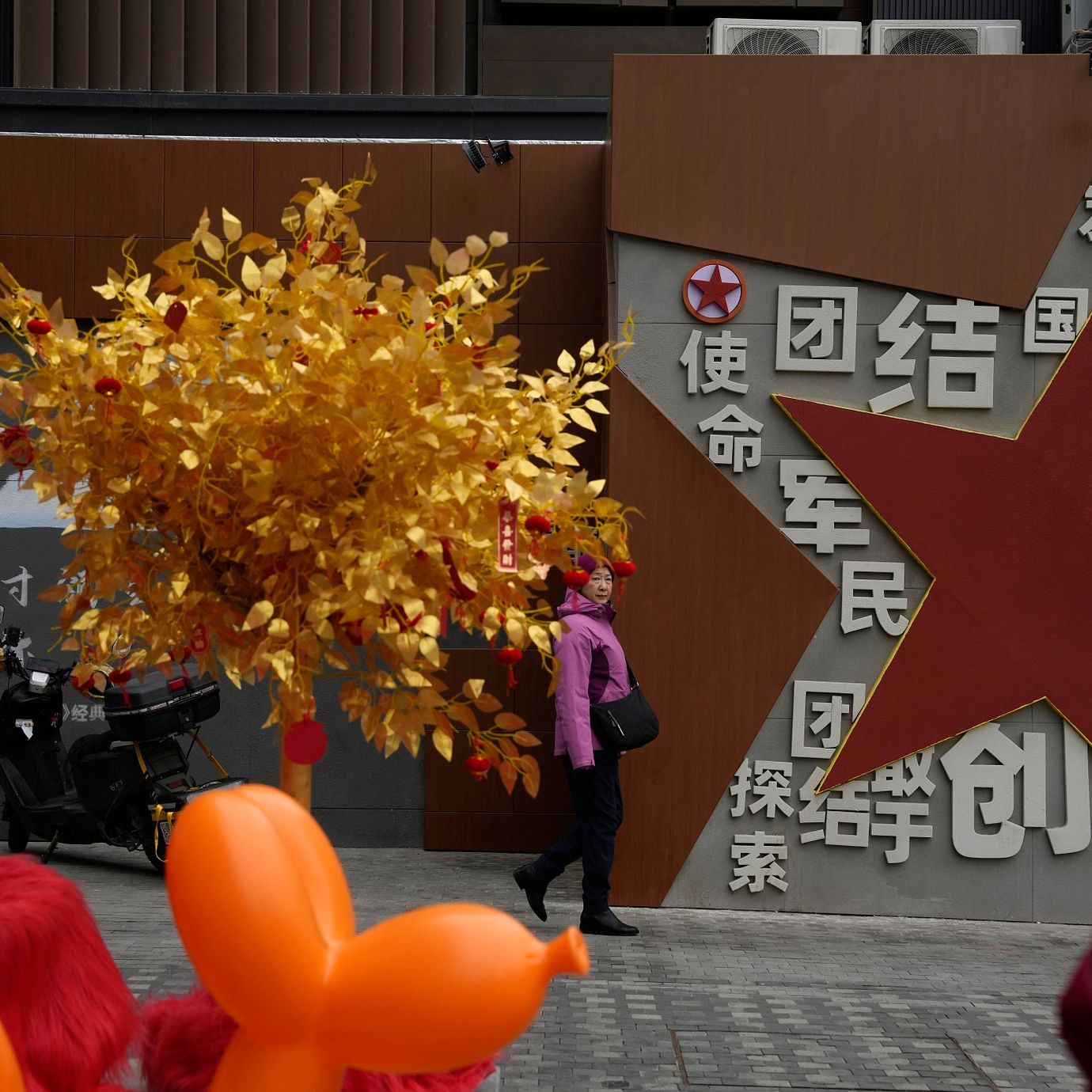
Given China’s troubled housing market, Sunac’s survival is hardly assured. Despite a barrage of measures from Beijing aimed at reviving demand, home sales have declined in 20 of the last 24 months, dropping 17% in 2023. The value of properties Sunac sold last year plummeted by half, and the company reported a loss of 15 billion yuan ($2.1 billion) for the six months through June. Its Hong Kong-listed shares have fallen 97% from their 2020 peak, to the equivalent of less than 20¢, while its bond due in September 2032 has been trading at about 7 cents on the dollar.
Sunac now ranks 17th in home sales in China, down from a high of No. 3. The developer has told investors it needs at least 15 billion yuan in monthly sales—almost triple its current rate—to cover costs and stay afloat, according to Xu Liqiang, fixed-income deputy director at Shanghai Silver Leaf Investment Co., citing a company presentation made in July.
A Sunac manager says the company isn’t aiming for any particular sales target, focusing instead on delivering apartments that buyers have already paid for. It plans to complete as many as 300,000 units this year, about what it did in 2023, according to the person, who asked not to be named speaking about internal deliberations.
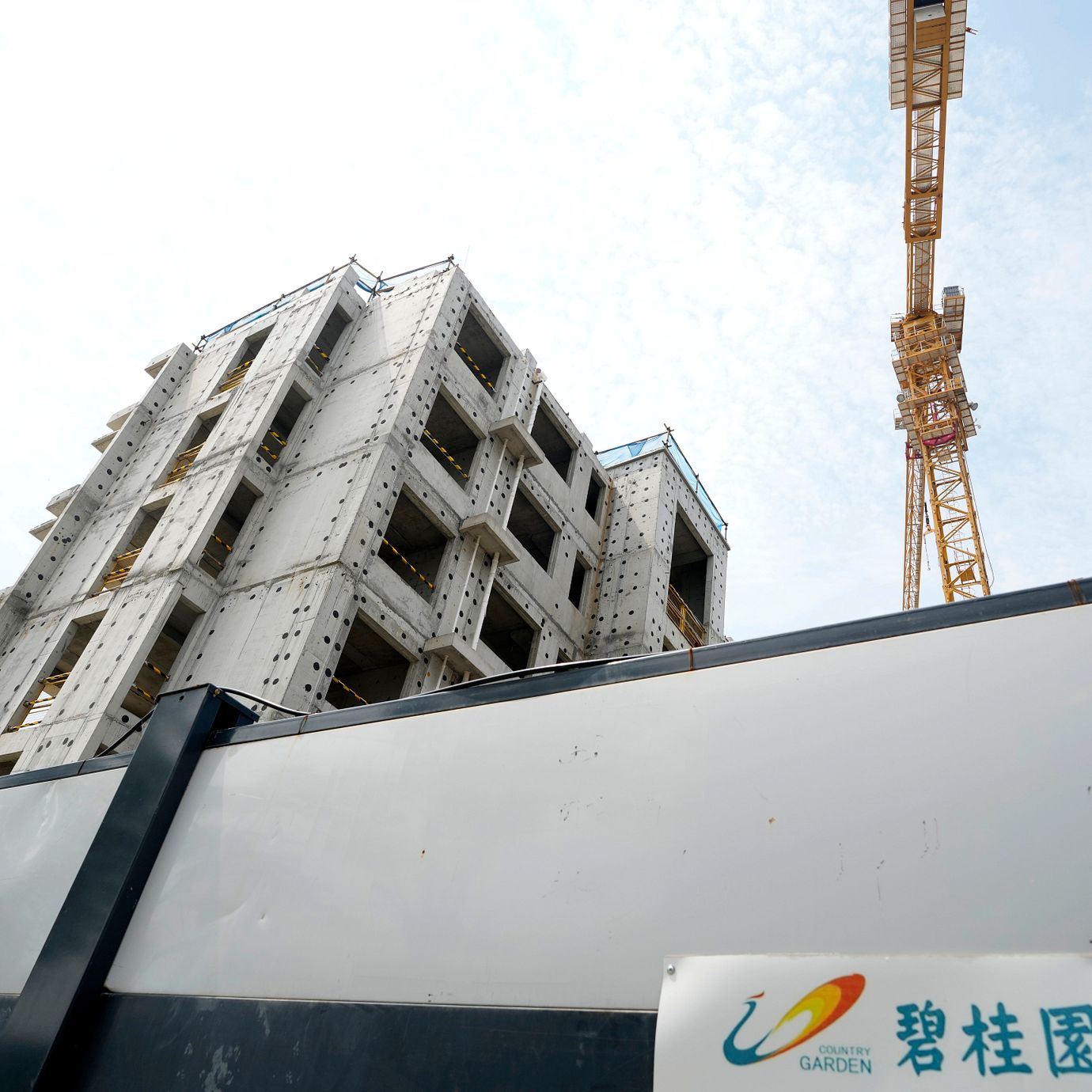
Sunac’s deal required all parties to share the pain, reflecting the depth of China’s real estate crisis. Creditors’ recovery rates are estimated at 34¢ to 43¢ on the dollar, according to Bloomberg Intelligence. As part of the swap, Sun’s equity stake in the firm was diluted to less than 25% from almost 40%, slashing his wealth to $433 million from a peak of $13 billion in 2020, according to the Bloomberg Billionaires Index.
Bloomberg Intelligence analyst Daniel Fan says the equity swap could reduce debt by as much as 40%, to a far more manageable $6 billion. “The extensions spread out onshore and offshore maturities,” buying Sunac time for sales to recover, Fan says.
This isn’t the first time Sun has staged a dramatic comeback. In the early 1990s, Sun was convicted of misappropriation of funds while working at Lenovo Group Ltd. The conviction was overturned on appeal a decade later, but he ended up serving four years in prison. In 2003 he founded what was to become Sunac, eventually building an empire employing 72,000 people, with projects in 62 cities.
”He’s one of the few chairmen who tried his best to do what he could even as the ship was going down”
Sun, 61, speaks at a rapid-fire pace, favors T-shirts and sneakers over suits and Oxfords and often travels alone on business trips, eschewing the retinue typical of high-ranking Chinese executives. Sunac’s employees refer to the founder as “old Sun”; addressing managers by title—the norm in status-conscious China—is frowned upon. At company gatherings, staff members are encouraged to go onstage to share their thoughts in front of thousands of colleagues. It’s not uncommon to find Sun standing in line, quietly waiting behind dozens of people for his turn to speak, says one attendee of such meetings.
Many of his key lieutenants bulldozed through obstacles in the restructuring and worked around the clock during the three years of turmoil. Sun didn’t go “missing in action,” like some peers, says Monica Hsiao, chief investment officer and founder of Triada Capital, a Hong Kong-based credit asset manager and former Sunac bondholder. He’s “one of the few chairmen who tried his best to do what he could even as the ship was going down.”
“China’s home sales are still contracting”
But Sun’s aggressive expansion built on leverage stretched Sunac’s debt-to-equity ratio to more than 360% five years ago, larger than that of most of its peers. By 2022 it had racked up about $140 billion in liabilities, and last September the company filed for Chapter 15 bankruptcy in New York to protect its assets while it restructured.
With his debt deal in place, Sun must now concentrate on reviving sales in a moribund market that’s expected to shrink an additional 20% in the first half of this year. That, says Zerlina Zeng, an analyst with CreditSights Singapore LLC, will create substantial challenges for any recovery by Sunac. “China’s home sales are still contracting,” she says. “And homebuyers’ sentiment is not high despite the slew of property support.”
For more articles like this please visit us at bloomberg.com