Fem teknikskiften som kan bli vardag snabbare än väntat
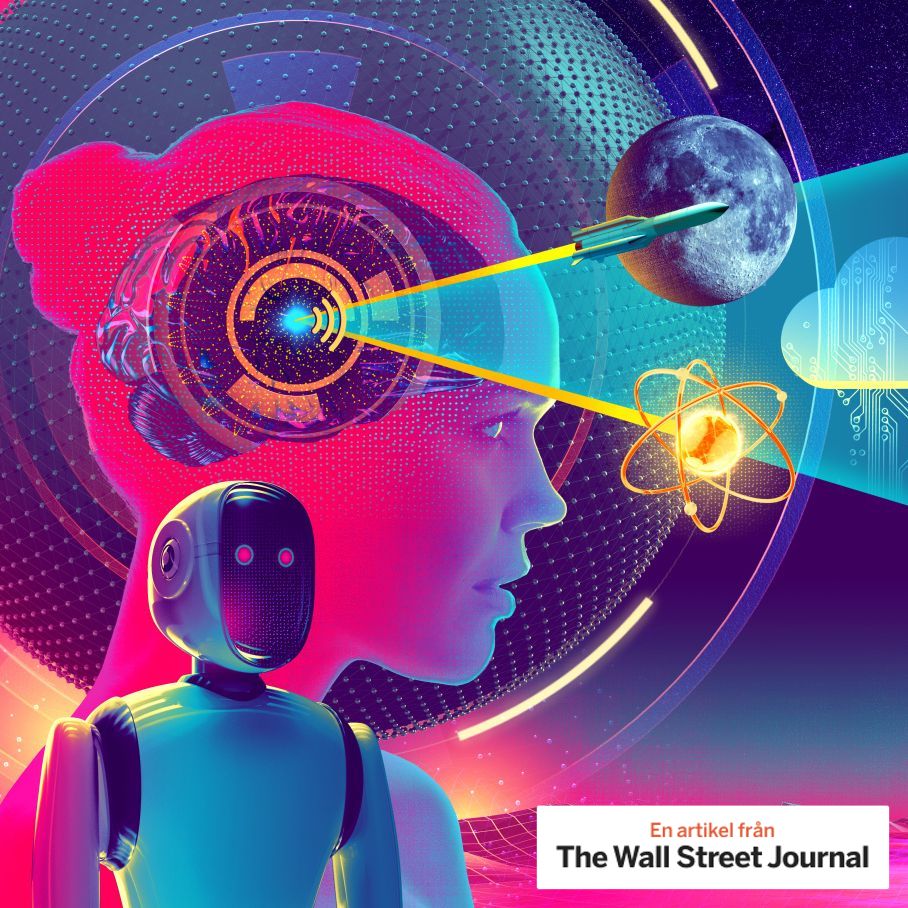
Teknik som styrs av dina tankar, hemrobotar med mänskliga drag och fusionsenergi från ”egna solar”. Det som i dag låter som science fiction kan bli verklighet inom ett kvartssekel, enligt fem teknikexperter som Wall Street Journal har talat med.
De ser framför sig genombrott som kan rita om allt från vardagsliv till energimarknad och rymdfart.
Men flera av visionerna är förknippade med stora frågetecken. Inte minst när det gäller klimat, säkerhet och vem som får kontroll över tekniken.
 The Wall Street Journal
Five Amazing Tech Innovations We Should Expect in the Next 25 Years
We asked tech experts to give us their predictions. The world they envision is something to look forward to.
The past quarter-century has hosted a dizzying array of innovation, as the cutting edge of technology moved from Palm Pilots and flip phones to mobile internet, artificial intelligence, genome sequencing and so much more.
Where might the next quarter-century take us? We asked five technology experts to predict one great innovation they think we’ll see in the next 25 years.
Devices controlled by the mind
Forget the keyboard and the mouse. In 25 years, most people will be using brain-computer interfaces to control devices with their thoughts, says Bin He, professor of biomedical engineering at Carnegie Mellon University. These interfaces will be able to interpret brain activity and convert people’s intentions into commands that a computer can understand.
“The brain-computer interface will become a technology like the smartphone, where the vast majority of people have one,” says He. “It will make everything so convenient: You just have a thought, and then you control your environment.”
In 25 years, He says, billions of people will be using brain-computer interfaces to do everything from messaging friends to switching on the lights and making coffee.
Brain-computer interfaces exist today, but many of them rely on drilling a hole in the skull and implanting a physical interface to allow the brain to communicate with external devices. He and others have developed noninvasive interfaces, but these are clunky and uncomfortable, typically consisting of large skull caps with a mass of electrodes.
In another quarter of a century, however, He says he believes researchers will overcome the hardware challenge, and future interfaces will be just as convenient as today’s wireless earbuds.
The second hurdle to overcome is the “software challenge” of decoding the brain’s signals and converting them to computer code. He sees this as a bigger challenge but says advances in AI will speed up development, helping researchers decode ever more complex thoughts and make brain-computer interfaces more sophisticated.
Space mining
Advances in AI and robotics will make it feasible to access resources on the moon, asteroids and eventually other planets, says Karen Panetta, a professor at Tufts University School of Engineering and a fellow at IEEE, the Institute of Electrical and Electronics Engineers. She says autonomous robots will be able to mine raw materials and use them to build space stations and equip missions for deeper space exploration.
The cost savings will be a boon to exploration, Panetta says. “A lot of the cost of space flight comes from launching,” she says. “If we can harness raw materials in space and build what we need right there, then you’re using a lot less fuel because you’re not transporting a lot of these materials out.”
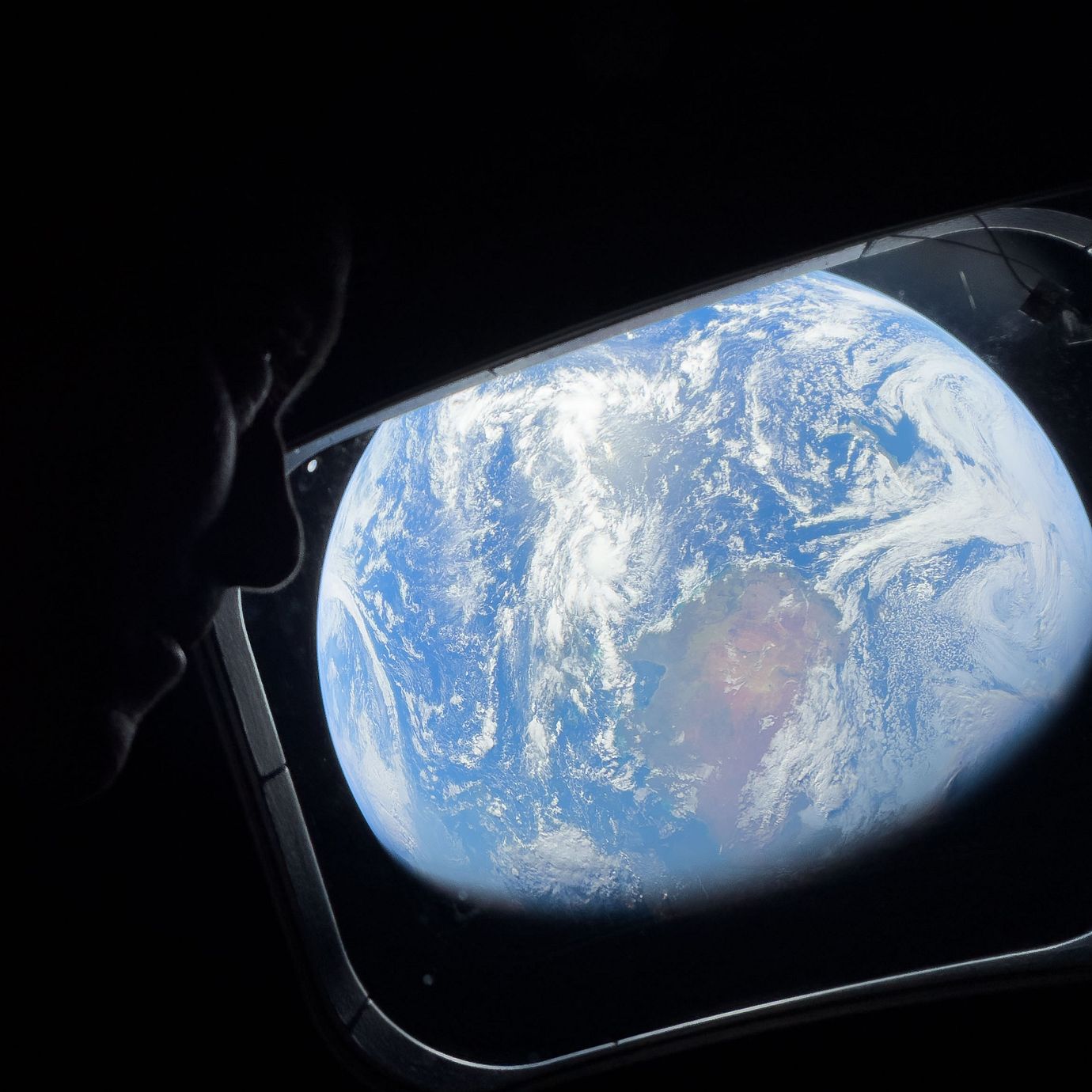
There will be other benefits as well, Panetta says, from new opportunities for large-scale commercial space travel and space hotels to new discoveries that will improve life on Earth in ways we can’t predict today.
“People often ask why you would spend money exploring space when we have so much going on right here,” she says. “What people don’t realize is that the technology always benefits us back here.”
For example, Panetta says, the National Aeronautics and Space Administration developed a laser for use in space, so it had to be safe and precise. Today, she says, doctors use that kind of laser to enable them to cut less live tissue in burn victims, speeding their recovery.
Humanoid robots in the home
Today’s humanoid robots may be klutzy and prohibitively expensive, but another quarter of a century of research will transform them into essential home assistants, says Brendan Englot, director of the Stevens Institute for Artificial Intelligence.
“Right now, we’re seeing these competitions like robot boxing and robot olympics, and we’re watching them stumble over and crash into things,” he says. “It’s quite humorous.” But the research is developing quickly, benefiting not just from more-sophisticated AI and lower computing costs but also from the low-cost embedded sensors developed for aerial drones and self-driving cars.
“We’re in the right place at the right time for a humanoid robotics revolution to happen,” Englot says. “And going ahead 25 years, these robots could help us age in place. They can help the disabled. They can help people who need personalized in-home care.”
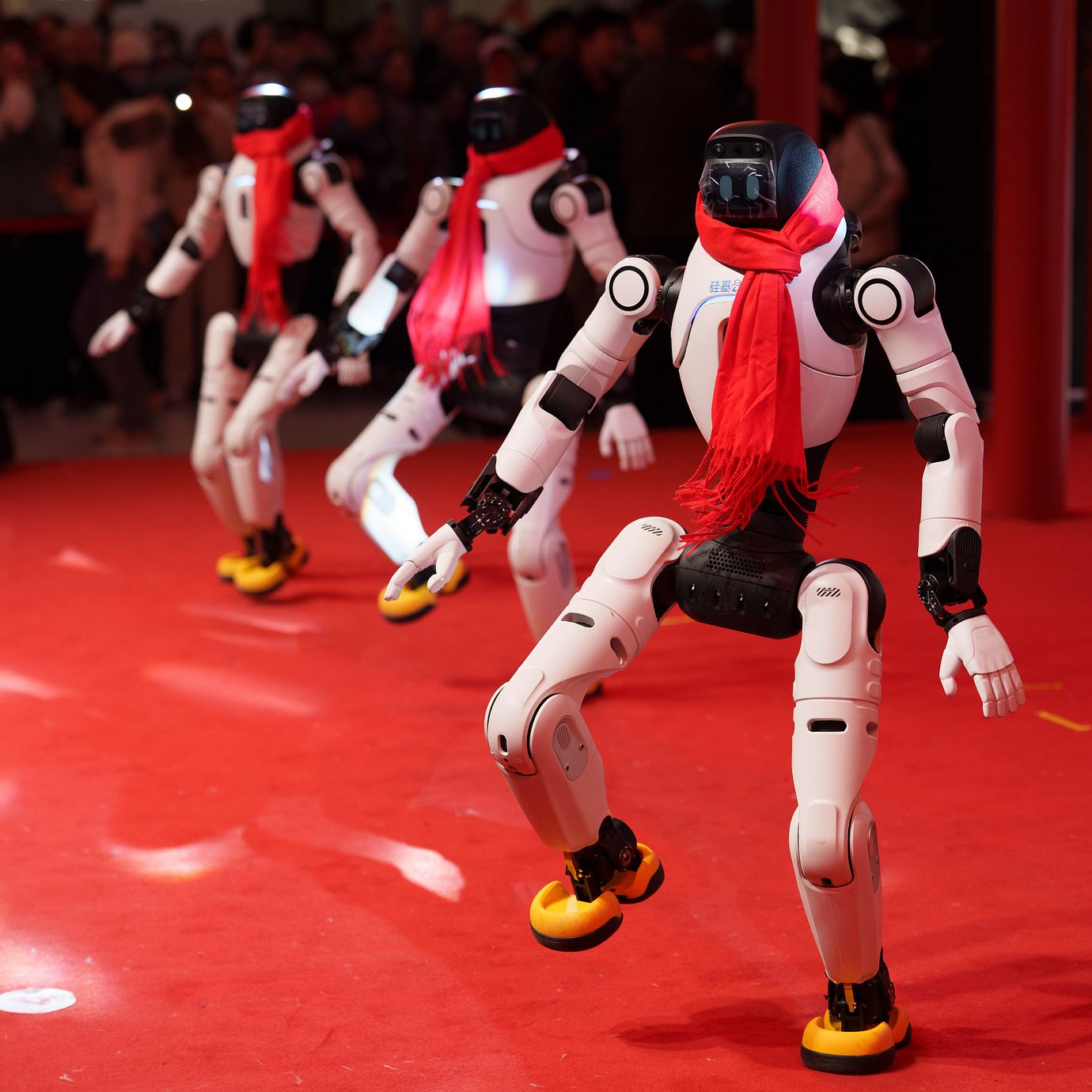
Robots, of course, could take any form, but Englot says humanoid robots offer advantages, especially in the home. “We all live in spaces that are built for humans, with interfaces intended for humans, like stairs, doorknobs and drawers. I think a humanoid robot is the most obvious solution to try to emulate our own interactions with all those devices in our home.”
On top of that, a robot that looks like a human is better able to provide other things that people need from carers, like companionship and emotional support. It could be given the characteristics of its owner’s choosing.
“With the capabilities that we’ll have in these new humanoid robots, I can imagine there also being a revolution in telepresence, where the embodiment of your loved one who lives hundreds of miles away could be there to help take care of you,” Englot says. That would be a humanoid robot that looks like your loved one and speaks with that person’s voice. And potentially that person could also control the robot’s actions.
Private weather control
Even if the world’s governments manage to bring down carbon emissions in the next 25 years, scientists expect the climate to become much more unstable because of the damage that’s already been done. That could usher in the age of private weather control.
“I think 25 years from now, predictable, stable weather will become a luxury good,” says Amy Webb, founder and chief executive of the Future Today Strategy Group in New York. “We will have the technology available at scale to control microclimates.”
Basic weather control is possible today: China has long been using cloud seeding to create blue skies over Beijing for important events, by making impending rain fall before it reaches the city. In 25 years, Webb expects individual companies to have access to technology giving them fine control over temperature, rainfall and other aspects of the weather in a small local area—a vineyard, say, to optimize conditions for the grapes, or a resort trying to avoid rain at the beach or trigger snow on ski slopes.
“I think 25 years from now, predictable, stable weather will become a luxury good”
Future technologies could even allow companies to alter the course of a storm or reduce its intensity. “If you are a major agricultural producer, then you have a vested interest, as does your insurer, to make sure that you don’t have catastrophic floods,” she says. “So this may become an inevitability if we want to stabilize our food supply.”
The risks are substantial, however. It remains unclear how temporary changes to local weather will affect neighboring regions and the broader climate. “We don’t know because it’s never been done at a planetary scale before,” Webb says.
Abundant energy from nuclear fusion
In 25 years, Mike Bechtel thinks we will have a new source of clean, abundant energy: nuclear fusion.
Commercial-scale fusion power has had its share of false dawns, says Bechtel, futurist and professor of corporate innovation at the University of Notre Dame. “This technology has felt 20 years away for the last 50 years,” he says.
What’s different this time, Bechtel says, is that fusion has finally passed a key milestone—achieving net energy gain. “In a controlled lab environment, you can now get more energy out of a fusion reaction than you had to put in to create it. That’s the beginning of turning fusion from a science project into an engineering and scaling project.”
The technical challenges are still substantial. Fusion power works on the same principle as the sun and other stars. As atoms are fused together, energy is created as a byproduct. The plasma in a fusion reactor reaches extraordinarily high temperatures, measured in millions of degrees Fahrenheit. Solutions for the heat issue exist now, but the challenge is to scale them up to keep a reactor stable.
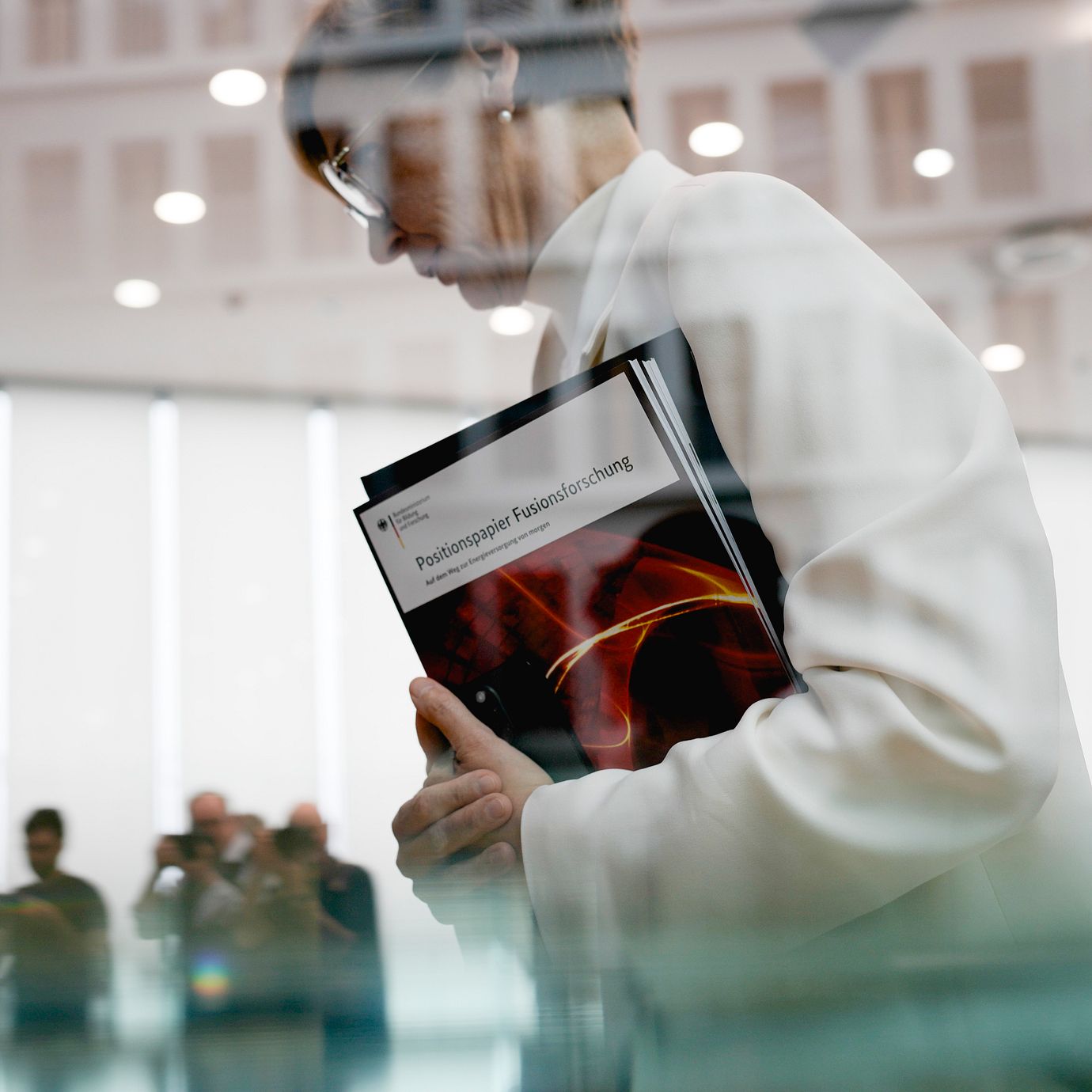
However, as nuclear fusion attracts more public and private capital, Bechtel expects researchers to overcome these problems and make fusion a commercially viable source of energy by 2050. Unlike fission, nuclear fusion generates “no long-lived radioactive waste,” Bechtel says, and unlike fossil fuels, it doesn’t involve burning finite resources and creating carbon emissions.
“Until now, every energy source on Earth has indirectly come from the sun,” he says. “Fusion lets us make our own suns. It makes really hard, intractable problems suddenly a little more solvable.”
Climate change is the big one, but it could also help with things like large-scale desalination, which has long been technically viable but has high energy demands. Bechtel also sees benefits in other high-energy cases like the data centers for AI and for bitcoin mining. A new source of abundant clean energy could unleash new waves of innovation, while upending current geopolitical assumptions based on energy scarcity.
“We often compare AI to electricity” for the broad impact of its development, Bechtel says. “As hundred-year comparators go, that’s apt. But fusion would be like fire” in its watershed effect on civilization.