GAP-aktien har blivit GARP: ”Chinos är trendigt igen”
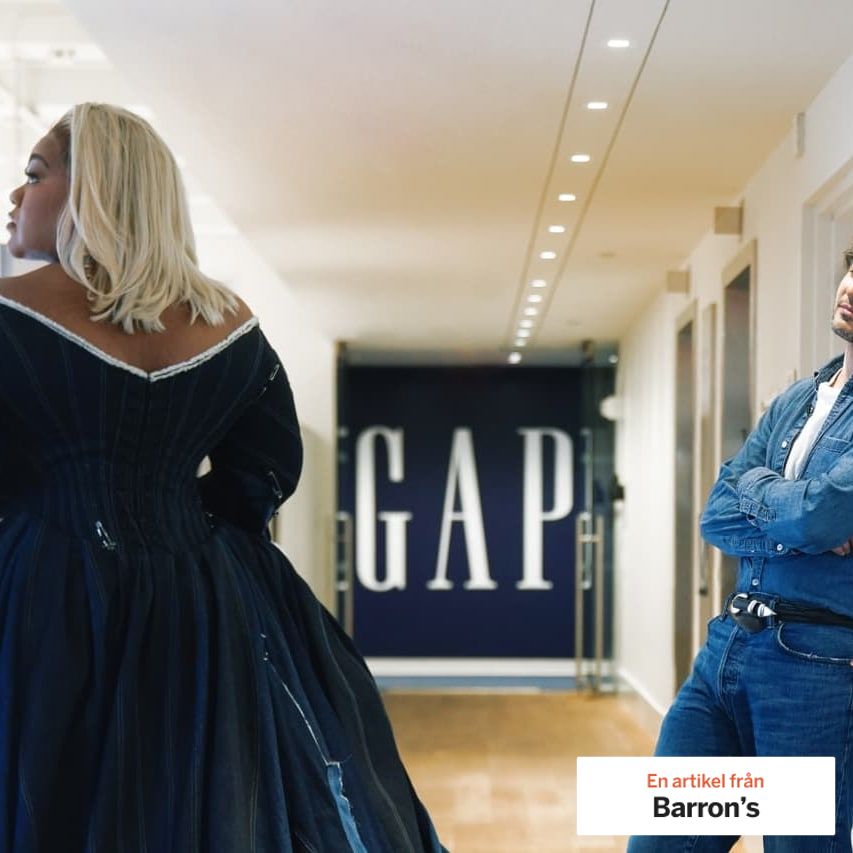
Chinos är på väg tillbaka – och det är även GAP-aktien, skriver Barron’s. Det varuhusbaserade klädföretaget har haft svårt att klara konkurrensen från e-handeln och en modebild som förändras snabbare än någonsin. Pandemin blev också en dipp för det egna märket Banana Republic som specialiserat sig på ”kontorskläder”.
Men nu har vinden vänt för GAP. Företaget har anställt den profilerade designern Zac Posen och den nya vd:n har ökat lönsamheten och minskat belåningen. GAP har därför kvalificerat sig som GARP, “growth at a reasonable price”.
 Barron's
Gap Is Back in Fashion. It’s Time to Buy the Stock.
After years of struggling, the company’s four brands, including Old Navy and Banana Republic, are showing signs of life.
Khakis are making a comeback—and so is Gap stock.
Gap has felt out of fashion for a while now. It’s a mall-based retailer in a world dominated by e-commerce where tastes change faster than ever—which caused its four brands to flounder. The rise of work-from-home hit its Banana Republic brand, which specializes in business wear, while its activewear brand Athleta still accounts for less than 10% of the parent company’s annual sales, despite playing in one of the fastest-growing clothing niches.
Worse still, the Gap brand’s attempt to restore its cachet through a much-hyped collaboration with Kanye West flamed out with the latter’s reputation . Even the Old Navy brand, once the only reason to own the stock, has stumbled. In all, Gap shares returned 3.6% annualized, including reinvested dividends, over the past 20 years, versus the S&P 500 index ’s 11% return, and they have never retaken their highs from 2014—the last year before Amazon.com anxiety beset the entirety of bricks-and-mortar retail.
Now, Gap is making a comeback, and for the stock to work it doesn’t need to take over Madison Avenue and the red carpet like it did when it was a powerhouse in the ’90s. Under CEO Richard Dickson, who took the helm in August 2023, its four brands are all making headway, while the company has benefited from the problems of competitors like Kohl’s to take market share.
“When the bar is so low, it’s easy to jump well above it”
What’s more, Gap is becoming more profitable while paying down debt. The company even hired American fashion designer Zac Posen to lead design and merchandising as chief creative officer, a wild card that could make their clothing trendy again.
“When the bar is so low, it’s easy to jump well above it,” says Hennessy Funds portfolio manager Josh Wein, whose fund owns Gap stock.
Gap’s potential was on display when the company reported fiscal-third-quarter results on Nov. 21. Earnings were better than expected; its outlook also topped analyst forecasts, and Gap notched its fourth consecutive quarter of sales increases as all of its brands gained market share.
The news was good enough for shares to rise 13%. Yet, despite the big jump, Gap shares are cheap, With analysts raising earnings estimates for the retailer, they trade for just 12.1 times 12-month forward earnings, well below their March 2024 peak of 20.2 times. Earnings are set to grow by 6%. That combination of earnings growth, valuation, and stock-price momentum earned Gap stock a place in the Hennessy Cornerstone Growth fund and could be a sign that “people are starting to notice the small but meaningful turnaround in its fundamentals,” says Wein.
Signs of improvement have been visible at all four brands. Old Navy, which targets more-price-sensitive shoppers and makes up 56% of Gap’s revenue, increased same-store sales at a 2.5% clip over the past 12 months, and the company is likely to get a boost from activewear, according to J.P. Morgan analyst Matthew Boss.
Athleta, a maker of athleisure and sportswear, should be able to grow same-store sales by 6% in fiscal 2025 and 2026 as the company boosts marketing on TikTok and offers more new products to encourage shoppers to buy more often. Banana Republic, which accounts for 13% of sales, is still struggling—same-store sales dropped 1% over the past 12 months—but the company has seen strength in menswear as it seeks to get pricing and fit right in womenswear, Boss writes.
And then there’s Gap. The brand makes up just under a quarter of the company’s total revenue but is important for the optics of its parent company. Gap increased same-store sales by 3.3% on average over the past four quarters by doing a better job of being on trend, reaching the right customers, and using partnerships with fashion houses like Dôen and Cult Gaia to boost “relevance,” Boss says.
He sees more potential upside for same-store sales. “With the foundation set under CEO Dickson to support a consistent playbook of improved merchandising and marketing across all four brands, we see Gap at an inflection point,” writes Boss. He upgraded Gap stock to Overweight from Neutral on Dec. 2 and raised his price target to $30, up about 16% from Tuesday’s close of $25.79.
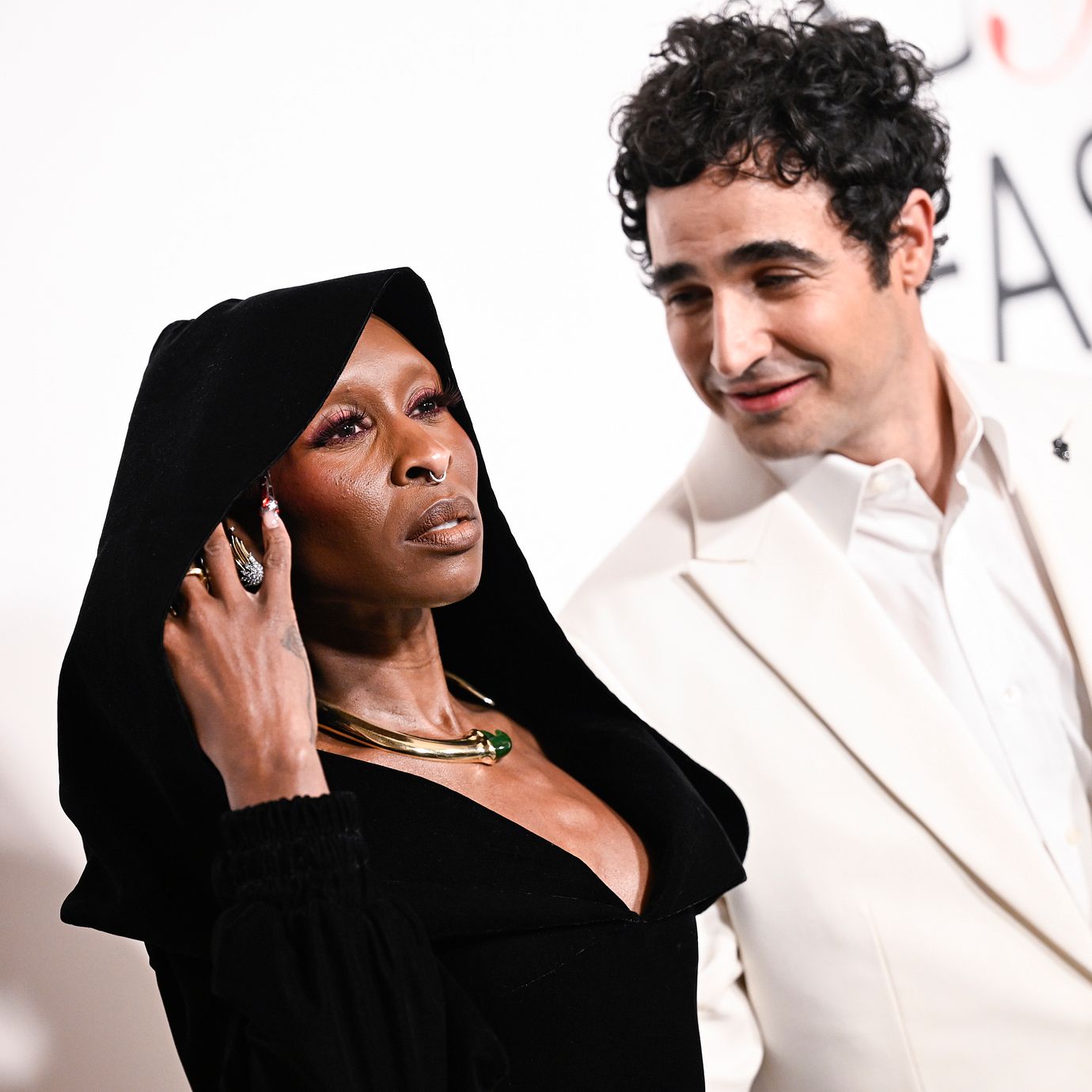
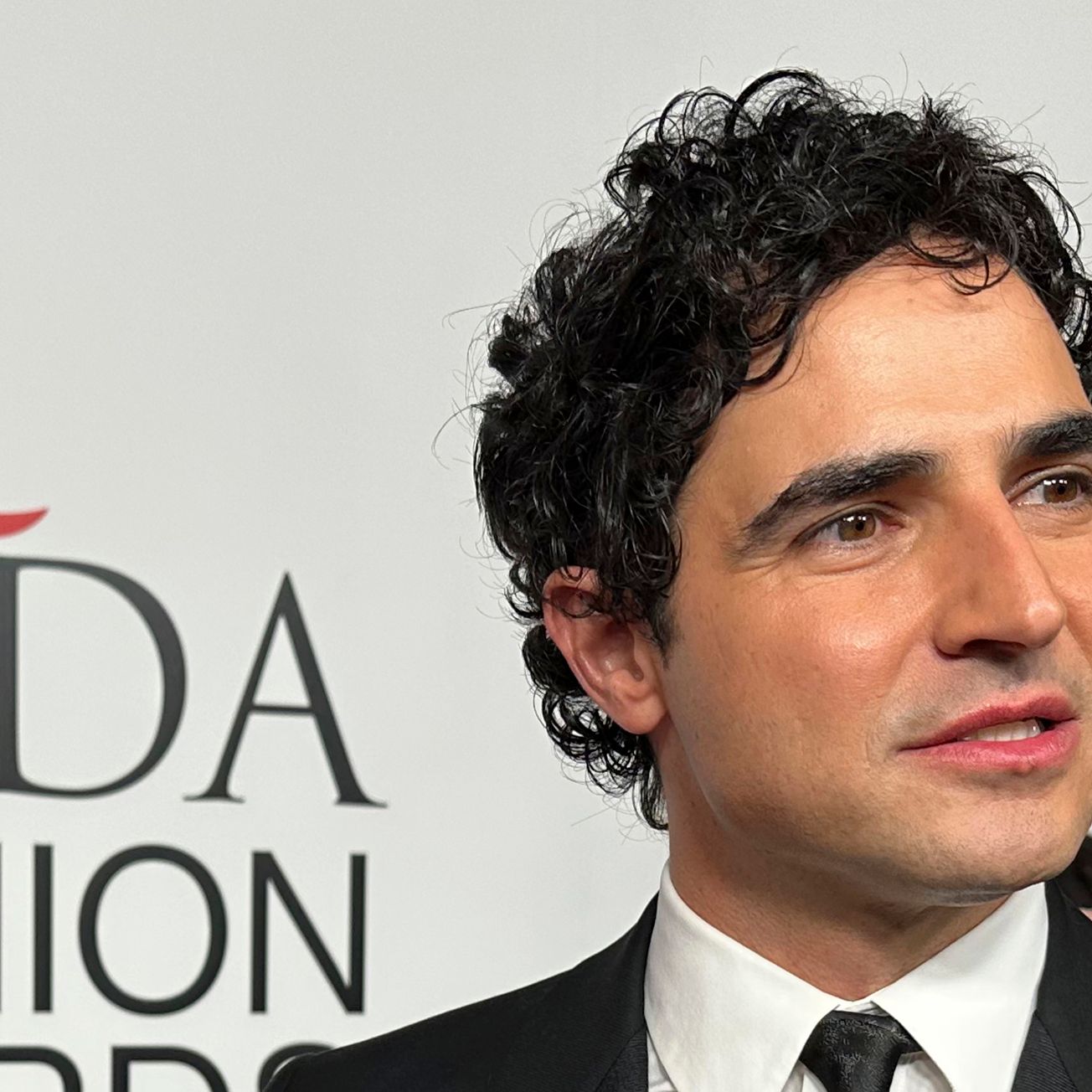
Gap has made missteps before, in terms of the fashion cycle and its strategy. That’s where Zac Posen comes in. He has dressed supermodels and stars from Naomi Campbell to Naomi Watts, but his bona fides aren’t confined to the red carpet. He has his own line of upscale dresses and accessories, and has a history of retail collaborations, including a past partnership with Target.
“We’ve been constructive on companies like Gap, where the company has been investing more in its talent portfolio,” says Brooke Roach, a vice president in Global Investment Research at Goldman Sachs.

Those investments aren’t hurting the bottom line. Gap is targeting operating margins of 8% to 10%, up from a current 4.2%, according to Boss. The company has also been using its free cash flow to pay off some $2 billion in long-term debt since 2021, leaving it with long-term debt of $1.5 billion and $2.2 billion in cash at the end of the third quarter.
The combination of growth and debt paydown recently had the stock flagged by research firm Kailash Concepts as both a “growth at a reasonable price,” or GARP, name and an attractive debt-reduction story. “Firms that focus on paying down debt often signal their confidence in core operating assets, avoiding riskier paths to growth while creating shareholder value,” says co-founder Jim Rocchio. “Ranked in the top 3% of [small- and mid-cap companies] for long-term expected earnings growth, Gap offers an attractive growth profile that appears underappreciated by the market.”
Just like that pair of khakis.