Hormuzkrisen kan bli värre för maten än Ukrainakriget
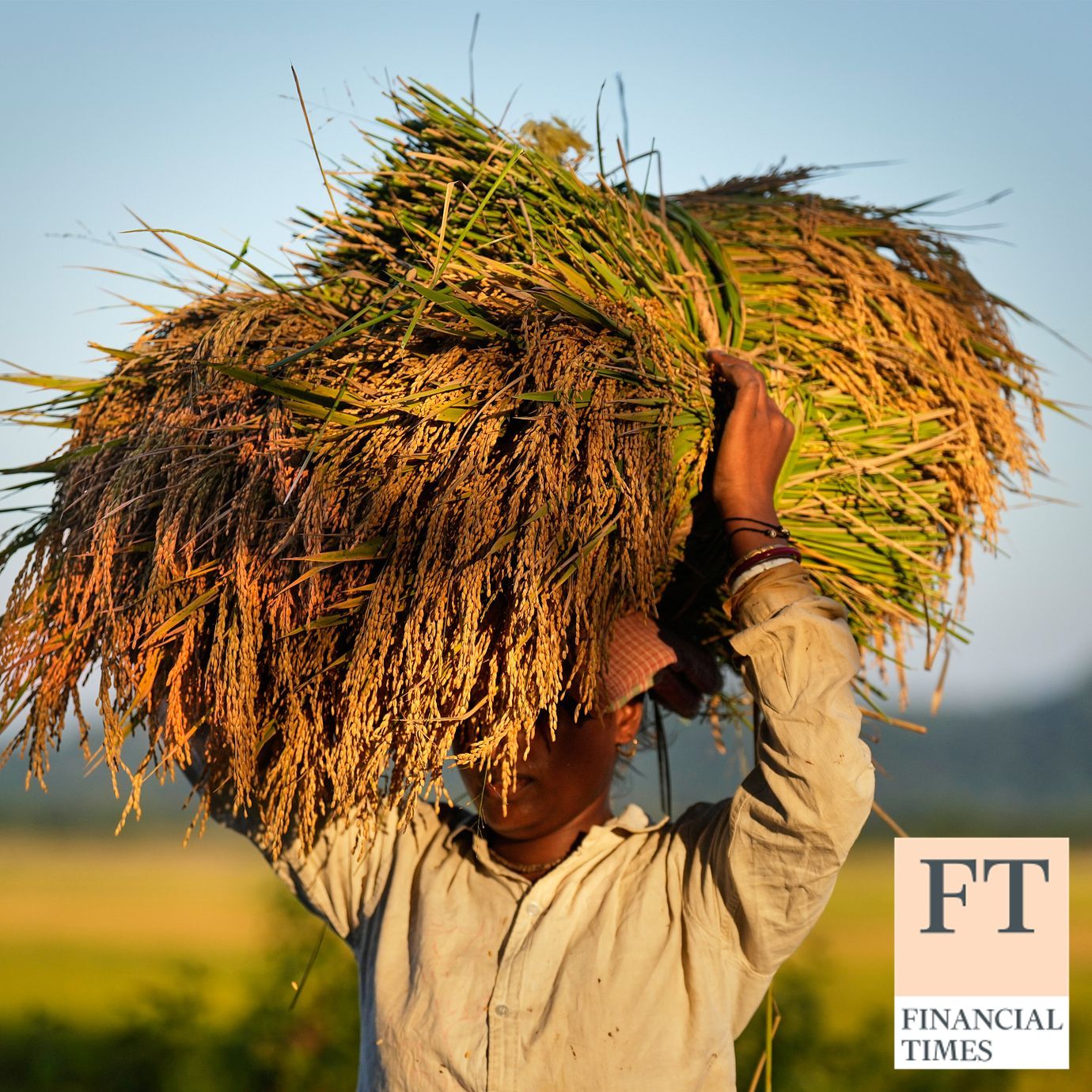
Irankriget riskerar att utlösa en global matkris som kan bli värre än chocken efter Rysslands invasion av Ukraina 2022, skriver Financial Times. När energi, transporter och gödselmarknader störs samtidigt pressas både bönder och konsumenter.
Särskilt utsatta är fattigare länder som är beroende av import av gödsel och bränsle.
– Det ser ut att bli en långt värre situation, säger Chris Lawson, råvaruanalytiker på CRU.
Effekterna märks redan i stigande matpriser i Afrika, och oro inför planteringssäsongen i Asien och USA.
 Financial Times
The global food crisis unleashed by the war
From Minnesota to Punjab, fertiliser costs are up and harvests are set to be hit.
In Punjab, farmers are beginning to panic.
India’s agricultural heartland is feeling the reverberations of the war in the Gulf, according to Rajpal Singh, who grows rice, wheat and corn in the region.
People were already struggling to access fertiliser due to government controls, Singh says. Now, with the start of the rice planting season just three months away, the war is threatening to choke supplies of vital crop nutrients entirely. It has already meant six-to-eight-hour power cuts in his village an hour-and-a-half’s drive from the city of Ludhiana.
“We fear if the war goes on for long it will be tough for us farmers and food production too will be affected,” he says. “We don’t yet know how big the crisis will be.”
Some 7,000 miles away in west central Minnesota, Brandon Fronning is one of the estimated 25 per cent of US farmers who had been holding off buying fertiliser when the US and Israel first struck Iran on February 28.
“I was hoping prices would soften, credit would improve,” Fronning says. “But with this recent spark of war, it has just been out the window. It is just insane. All the prices are just skyrocketing.”
With corn planting just three to four weeks away, he is looking at huge losses — if he even manages to buy enough fertiliser. “With the economic climate we have now, it’s hard to find credit, it’s hard to find cash.”
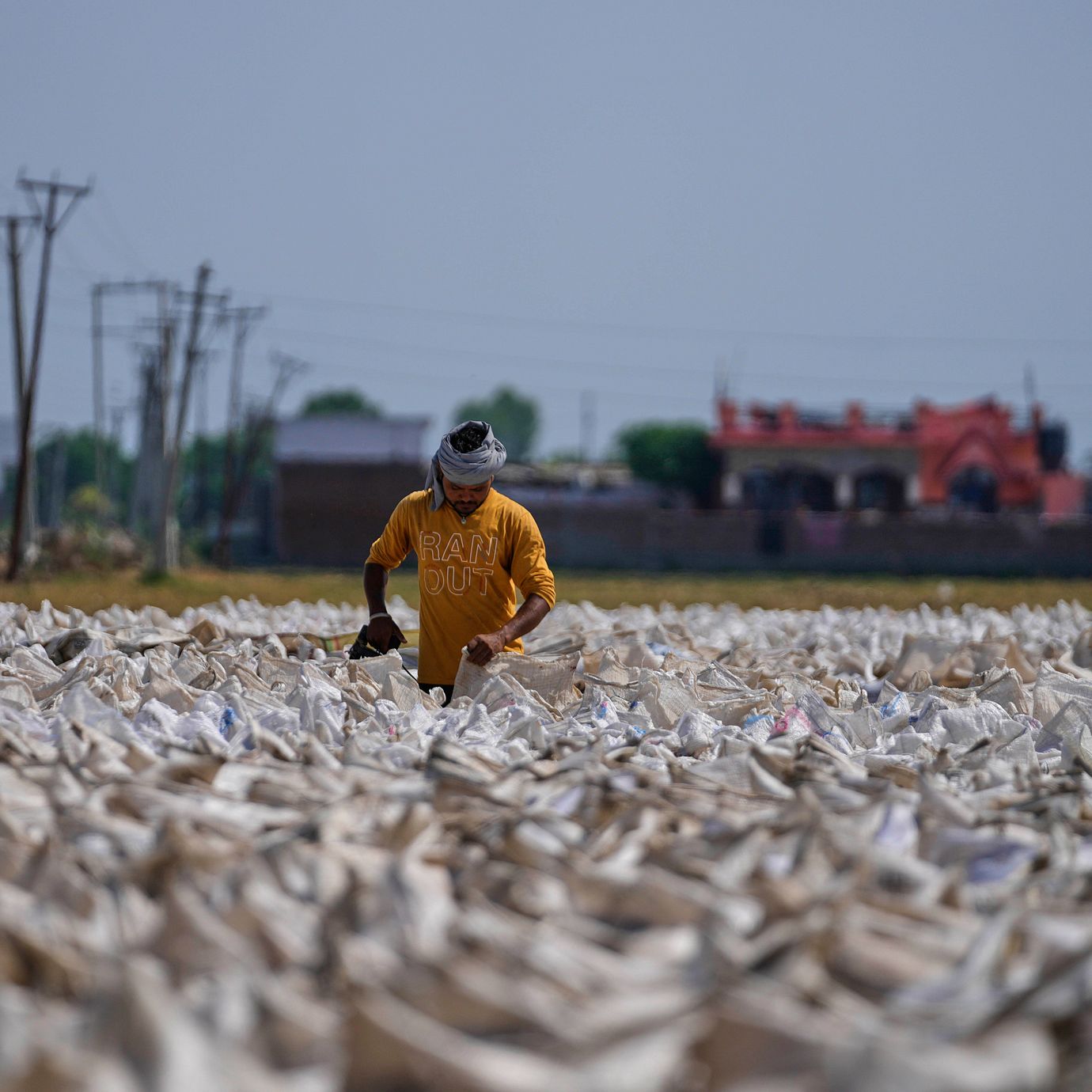
Since Iran choked off the Strait of Hormuz, a critical shipping route through the Gulf, attention has centred on the risk to oil flows.
The threat to food security, however, may be just as grave a risk. “You can live without your fridge or without your car for a while,” says Michael Werz, a senior fellow at the Council on Foreign Relations. “You cannot live if you do not have food staples.”
The impact on the global food system caused by the Iran war could be even bigger than the crisis triggered by Russia’s 2022 full-scale invasion of Ukraine, experts say.
That is a particularly serious concern for the world’s poorer countries, but the longer the conflict lasts, the more severe the food shock will become and the more people will be affected.
The initial disruption four years ago was concentrated in Black Sea grain exports before rippling out to energy and fertiliser markets. This time it is hitting several parts of the system at once.
The Gulf is at the heart of global fertiliser markets. Its production has been halted and shipments disrupted, curtailing supplies and driving up global prices.
Many other countries also depend on gas from the region to manufacture fertiliser.
Higher fuel and electricity prices are already pushing up the cost of moving, processing and cooking food.
All of this points to a food shock that may emerge more slowly than in 2022, but could prove far more severe
The disruption is already having an impact. Across Asia and Africa, fuel cost rises have pushed food prices higher. African countries such as Kenya, Somalia, Tanzania and Sudan, which are especially reliant on seaborne fertilisers, are already suffering. In Somalia, prices of basic foods have risen by around a fifth since the conflict began, according to the UN’s World Food Programme.
Other regions are bracing for their harvests to fall short if the conflict continues. South Asian nations such as India, Pakistan and Bangladesh rely on gas imported from the Gulf to produce their own crop nutrients.
Even countries less directly exposed, including the US, will feel the effects through higher prices.
Stephanie Roth of economics consultancy Wolfe Research estimates that, even if the conflict is wound down within weeks, fertiliser disruption alone would cause US food inflation to rise from around 2 per cent to 4 per cent year on year. If fighting drags into the summer, she warns, the increase could reach double digits.
All of this points to a food shock that may emerge more slowly than in 2022 but, if the conflict endures, could prove far more severe, analysts say. “It’s setting up to be a far worse situation,” says Chris Lawson of CRU, a research and data group focused on commodities. “In 2022 it was about sanctions and logistics . . . solutions were found. This time it is just pure physical limitation.”
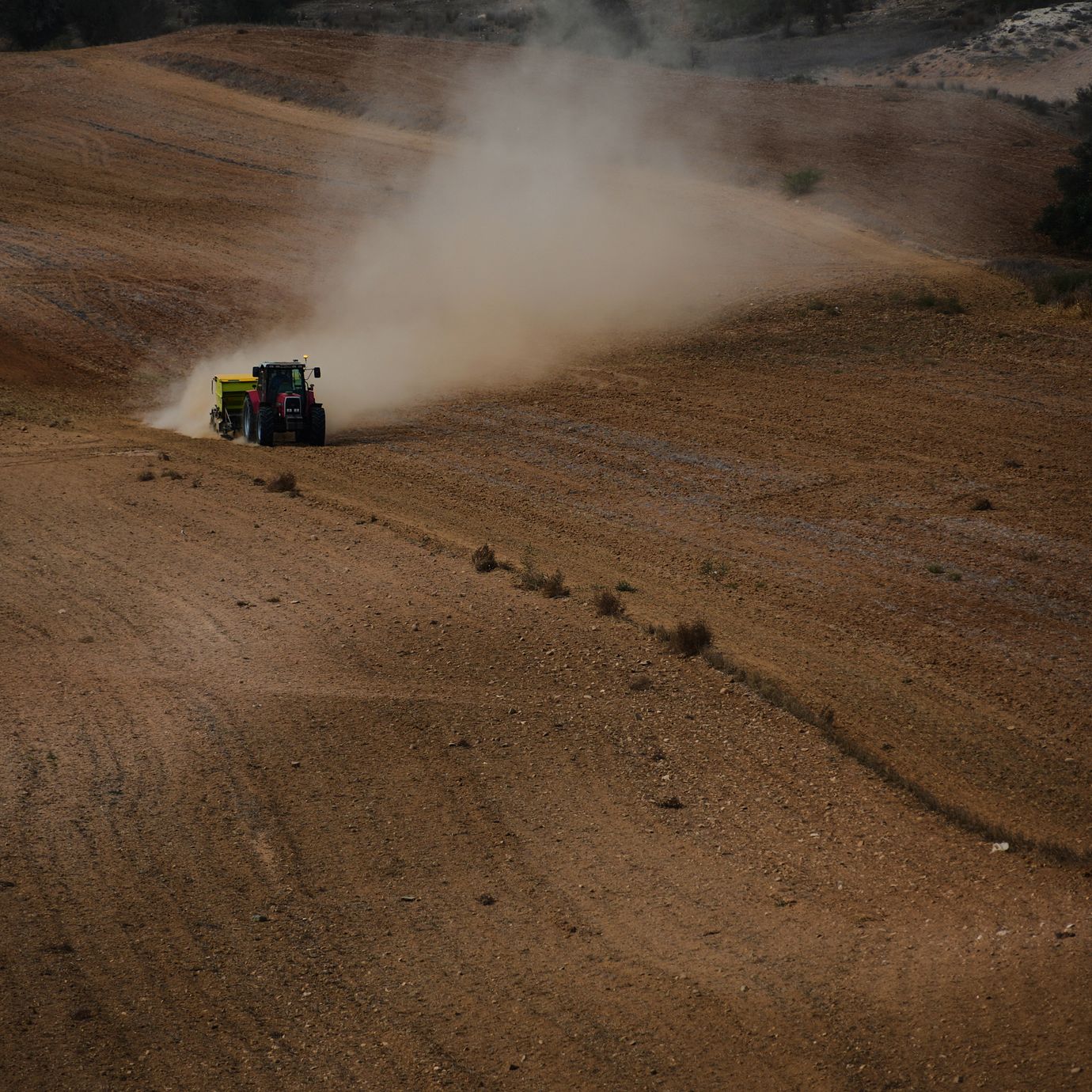
What will be primarily an economic problem for some will be an existential one for others. Some 45mn more people in poorer countries could face acute food insecurity by June, according to the UN — on top of 318mn who are already insecure.
“This seems to be a very underappreciated risk,” says Roth. “Nobody seems to be really talking about it because they’re so focused on energy.”
Governments, however, are starting to pay attention. From India to Europe and the US, farmers are a key voter base and food prices are a political flashpoint.
In India, “the government is worried,” says Ashok Gulati, an agricultural economist at the Indian Council for Research on International Economic Relations. “If fertilisers are in short supply, there could be farmer demonstrations.”
In the US the food‑price fallout will become a political problem as soon as “it becomes visible on the shelves [of grocery stores]”, says Roth, noting the country is heading into the midterm elections in November.
“That’s why [US president] Donald Trump has been so focused on how markets are trading . . . he’s tried to talk it down,” she says, referring to recent statements from the White House about peace talks. “But that’s not the same as actually finding a total off-ramp.”
The bigger hit to the global food system will come later, through fertiliser markets
From the moment it is planted to the moment it reaches a plate, every grain of rice and cob of corn requires energy. Diesel powers tractors and harvesters, trucks and ships; electricity runs cold chains, milling and processing plants.
“In every market you have to get food from rural areas into cities — usually on diesel-powered trucks,” says Raj Patel, a food systems scholar at the University of Texas. “All of that gets paid for by the wholesaler and, ultimately, the consumer.”
In Bangladesh, in the northern district of Dinajpur, rice farmers say they have gone days without reliable access to diesel, needed to power irrigation pumps and threshing machines.
Without it, crops are at risk. “The paddy needs water right now. A few more days like this and the damage will be serious,” says Nurol Uddin, a smallholder farmer who had travelled to nearby towns in search of fuel, only to return empty-handed. In parts of the country, ripening crops are already sitting in fields as irrigation systems fall idle.
Higher fuel and transport costs are also pushing up prices in local markets across Africa, according to the UN. “The food has not disappeared — it is still there,” says David Laborde of the UN’s Food and Agriculture Organization. “But it is becoming more costly to move it, to process it and ultimately to access it.”
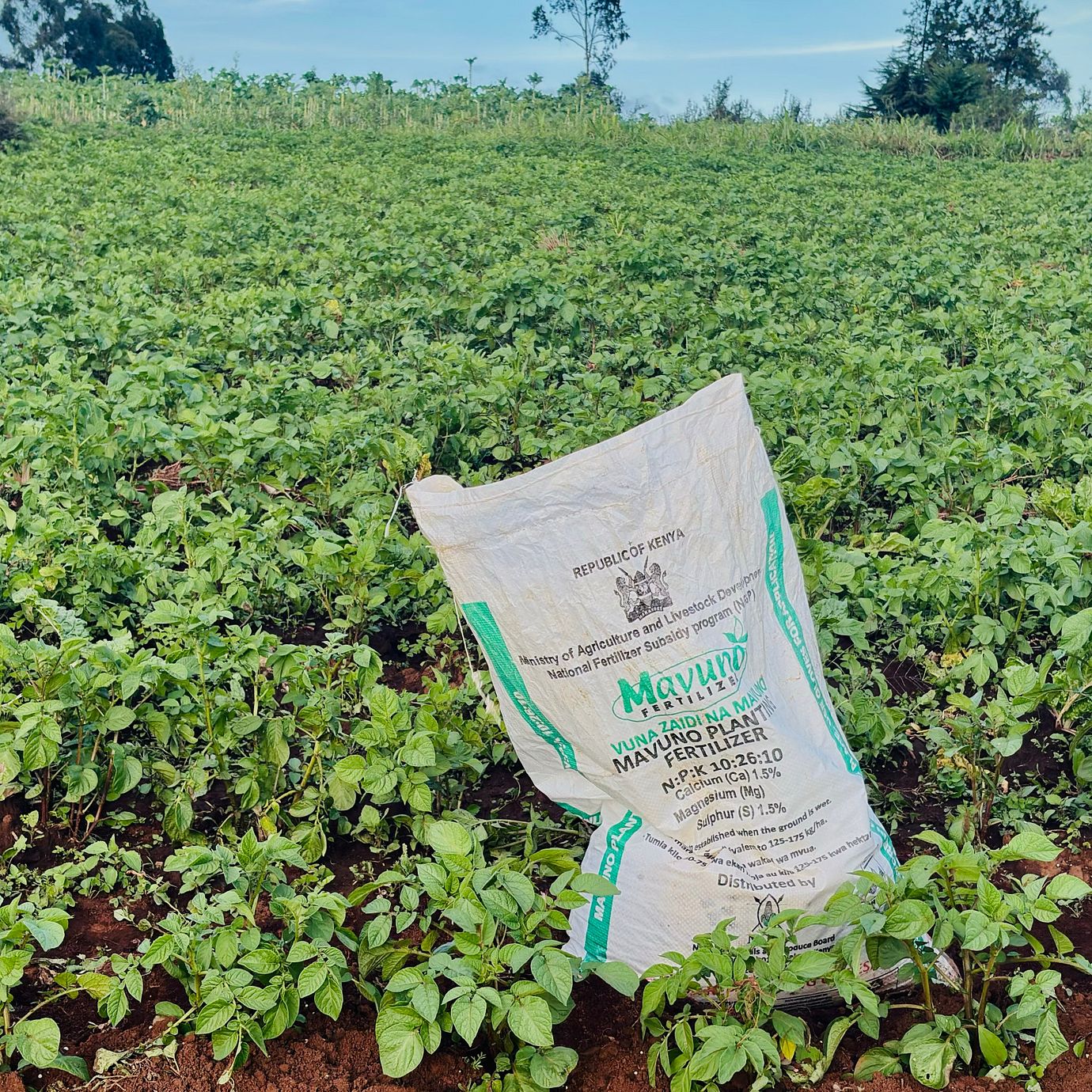
The bigger hit to the global food system will come later, through fertiliser markets.
Modern agriculture depends on three core nutrients: nitrogen, phosphorus and potassium. Nitrogen fertilisers such as ammonia and urea are produced from natural gas. Phosphorus depends on sulphur, a by-product of oil and gas refining used to convert phosphate rock into fertiliser.
According to CRU, the commodities consultancy, 43 per cent of global urea trade is at risk because of the conflict in the Middle East.
About 45 per cent of global sulphur exports — a key input for phosphate fertilisers — are shipped through the Strait of Hormuz.
Strikes on LNG facilities forced QatarEnergy to halt output at one of the world’s largest urea complexes, while shipments of urea, ammonia and sulphur have been delayed or diverted, pushing buyers to seek alternatives.
“We have a systemic shock to the world of food because you’ve got two out of three nutrients that are affected directly, and there’s a third impact through natural gas,” says Alzbeta Klein, head of the International Fertilizer Association.
As well as the impact on exports from the Gulf, fertiliser production is also being curtailed elsewhere as countries grapple with soaring gas prices and shortages.
“Fertiliser is huge. You can’t put it in your pocket . . . storage capacities are 10 to 30 days”
Algeria has cut gas supply to fertiliser plants by about 50 per cent this week, according to the fertiliser association, while in Europe at least one plant in Slovakia has already halted production.
Countries in south Asia that rely on LNG from the Gulf are bearing the brunt. While India, one of the world’s largest fertiliser consumers, imports roughly a third of its supply and relies heavily on the Gulf, its domestic production depends on imported LNG, about 40 per cent of which comes from Qatar. Other key inputs such as phosphate, potash and sulphur are also largely sourced from abroad.
As the Indian government has rationed gas, supplies to fertiliser plants in the country have been cut to 70 per cent of normal levels.
In Bangladesh, gas shortages have forced the temporary shutdown of four out of five state-run fertiliser plants at various times in recent weeks. Pakistan faces similar constraints.
Further shutdowns will follow if the war continues beyond a month, says Klein, warning that storage limits mean producers can only keep running for so long. “Fertiliser is huge — you can’t put it in your pocket . . . storage capacities are 10 to 30 days. We are three and a half weeks into the war. You can do the math.”

The scale of the food crisis depends on whether the war and the resulting disruption end up spanning seasons.
The turmoil is hitting farmers in the northern hemisphere, where the spring planting season is already under way, but the longer it goes on the more it will spread across southern regions and ultimately the global food system.
Fronning, the farmer from Minnesota, estimates his fertiliser bill alone will be about $35,000 this year, up by $10,000. While the US government has been paying farmers subsidies to help offset rising input costs, the amount he expects to receive would cover only a fraction of that — “maybe 5 per cent”, he says.
For this third-generation farmer, the issue is no longer just this year’s margin, but the future of the farm itself. “It was always my goal to hit that 100-year mark on this farm,” he says. “Now I just don’t know if it’s viable any more.”
Farmers in Australia are among those planting next. There, urea prices from the Middle East have risen by more than 50 per cent in recent weeks, according to Dennis Voznesenski, agricultural economist at the Commonwealth Bank of Australia and author of War and Wheat.
“The most prepared farmers I’ve spoken to have said that they probably have enough supplies until around June,” he says. But he adds that farmers tell him only half of the fertiliser and fuel they have ordered has so far delivered.
The threats from energy and fertiliser are unfolding against a backdrop of increasingly volatile weather linked to climate change
Further ahead, the risks become more acute. In south Asian countries such as Bangladesh, Pakistan, Sri Lanka and India, the main planting season begins with the arrival of the monsoon in June — one of the most fertiliser-intensive periods in global agriculture, and one heavily dependent on imports from the Gulf.
“If they cannot plant, countries like Bangladesh, which are normally self‑sufficient in rice, will be forced to import just as exporters such as India are also hit,” says Máximo Torero, chief economist at the FAO. “That’s when import bills soar and export restrictions start to kick in.”
The threats from energy and fertiliser are unfolding against a backdrop of increasingly volatile weather linked to climate change. FAO forecasts point to a return of El Niño conditions later this year — a shift associated with disrupted rainfall, drought in some regions and flooding in others.
In a year of favourable weather, farmers can sometimes compensate for reduced fertiliser use. Good rainfall and stable temperatures can offset weaker inputs. But when fertiliser use is constrained and weather conditions are also adverse, the effects reinforce each other.
That combination is particularly important for input-intensive crops such as rice, where yields are sensitive both to fertiliser application and to water availability.
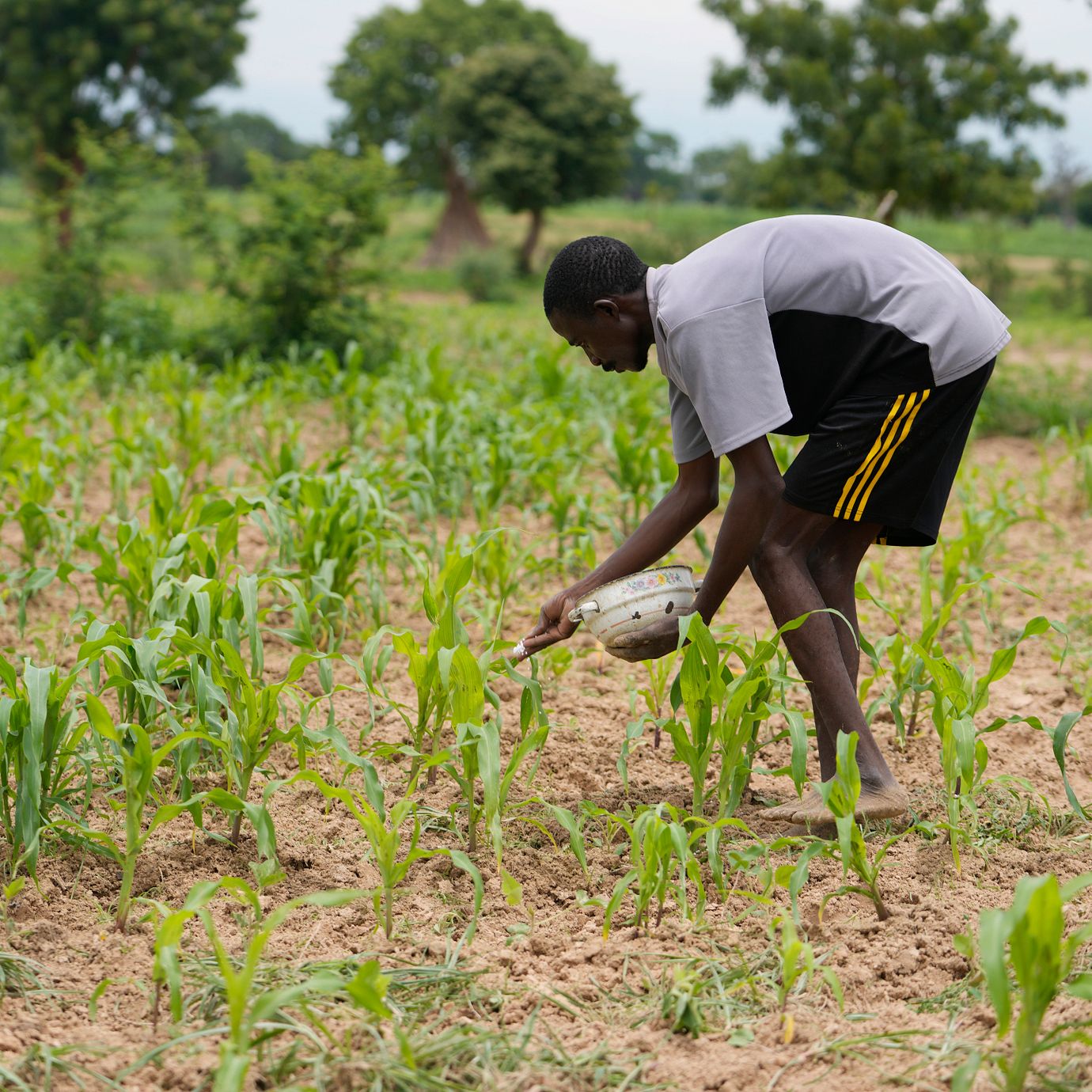
Russia and Ukraine are among the world’s largest grain exporters, and when shipments were disrupted following Russia’s full-scale invasion in 2022, prices surged on expectations of a sharp fall in supply. Yet the worst never fully materialised. Grain production proved adaptable, output increased elsewhere, trade flows rerouted and sanctions were adjusted to keep fertiliser and food moving.
Unlike grain, however, fertiliser cannot simply be produced elsewhere. Nitrogen depends on natural gas; phosphate relies on finite mineral inputs such as sulphur. Production is tightly bound to geography and infrastructure, concentrated in a handful of regions and heavily dependent on global trade.
“Every country can more or less plant corn and wheat, not every country can start to produce energy, either they don’t have it or it takes five to ten years to build the infrastructure,” says the FAO’s Laborde.
If gas does not reach fertiliser plants, or if crop nutrients cannot be shipped, farmers simply use less and yields fall.
“From a farmer perspective, it’s not like fuel for a household,” says Voznesenski. “If the margin isn’t there, you just don’t use as much . . . and that directly impacts your yield.”
That adjustment has yet to fully register in markets. Grain prices have not risen in tandem with fertiliser prices, leaving farmers squeezed between soaring input costs and low crop revenues. But that disconnect will not last beyond the next harvest, say analysts.
Research led by Peter Alexander at the University of Edinburgh finds that if fertiliser prices rise from roughly $300–$350 a tonne to around $900–$1,000 and remain elevated, global food prices could increase by 60 to 100 per cent, pushing up to 100mn additional people into undernourishment — a far larger impact than disruptions to grain trade alone.
” The richer will buy more and the poor will get nothing”
Containing the fallout will require governments to act quickly and differently from past crises, analysts say.
One argument is that fertiliser should be recognised as a strategic resource, like energy, not just another industrial commodity. That would mean building reserves, safeguarding supply chains and ensuring access in times of crisis.
Keeping trade flowing could be equally critical. Fertiliser and food markets are deeply interconnected, and disruptions in one region quickly ripple across the world.
But as higher fertiliser and energy costs feed through, food prices will rise, pushing up headline inflation and complicating efforts by central banks to bring price pressures under control.
That carries political risks. In the US and Europe, where the cost of living remains a defining issue, another surge in food prices would land in an already fragile environment ahead of key elections.
In emerging economies, the stakes are higher still. Food price spikes have repeatedly triggered unrest, from the 2011 Arab Spring to recent farmer protests in India, where fertiliser costs are tightly controlled precisely to avoid that outcome.
Government reactions to contain the domestic fallout could exacerbate the global shock, says Laborde of the FAO. China has already curbed fertiliser exports to protect its domestic market, while Russia has signalled limits on shipments to prioritise its own farmers. India has previously imposed rice export restrictions to contain inflation, a playbook that could return if pressures intensify.
“Each country is going to think first of all about the welfare of its own citizens,” Laborde says. “But if everyone is selfish . . . the richer will buy more and the poor will get nothing.”
Additional reporting by Jyotsna Singh in New Delhi and Redwan Ahmed in Dhaka
©The Financial Times Limited 2026. All Rights Reserved. FT and Financial Times are trademarks of the Financial Times Ltd. Not to be redistributed, copied or modified in any way.