Investerare ser trubbel på oljehimlen efter COP28
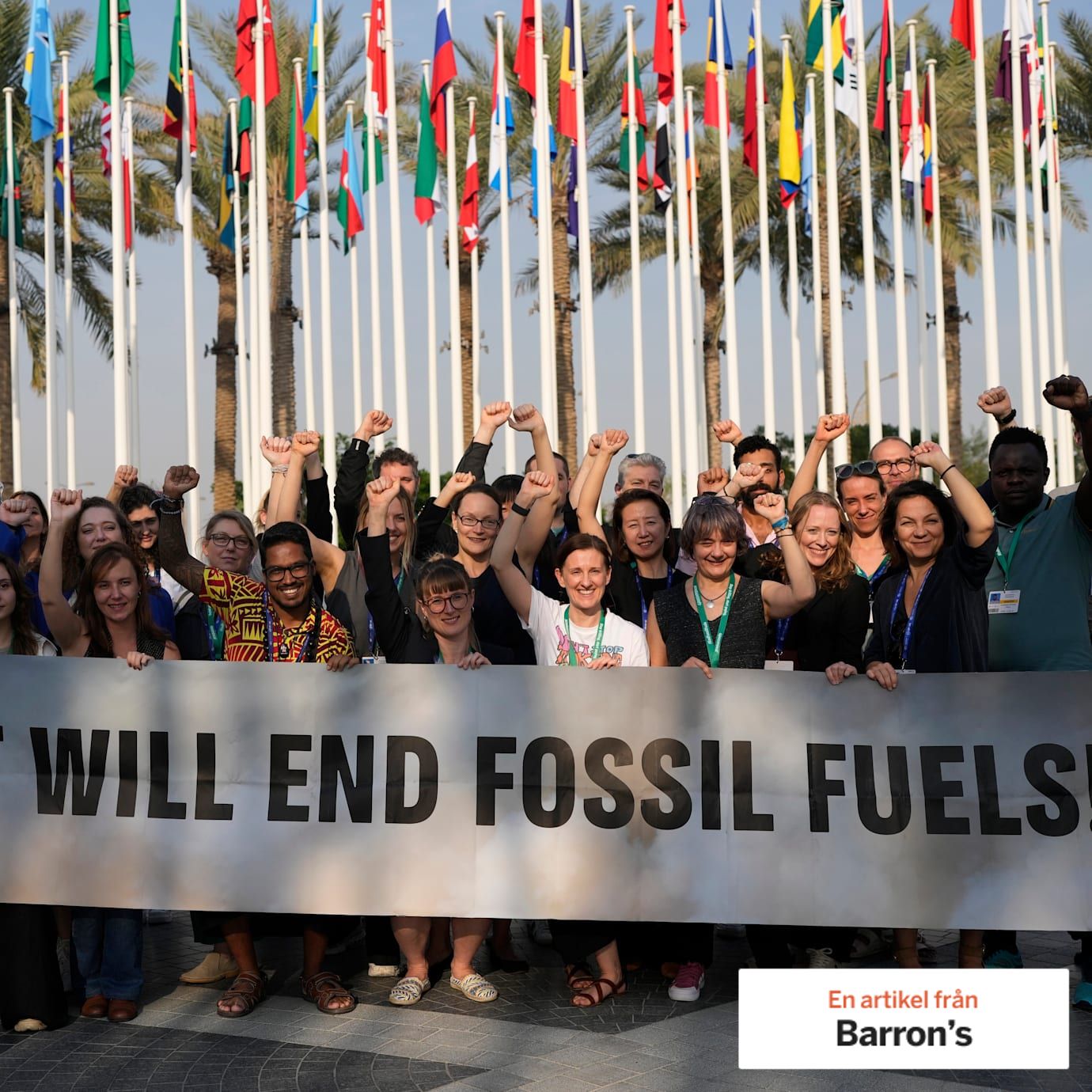
COP28-avtalet är den första klimatöverenskommelsen som klargör att fossila bränslen bör fasas ut och att världen på allvar måste vidta åtgärder för en snabb och rättvis energiövergång.
Det kan innebära trubbel för oljebolagen på längre sikt, skriver Barron’s. En del investerare ser framför sig att dagens långsiktiga prospekteringsprojekt kan komma att förvandlas till en belastning inom en inte alltför avlägsen framtid.
Men oljebolagen själva håller inte med – även om många jobbar på att hitta fler ben än olja att stå på.
 Barron's
COP28 Deal Points to Oil’s Eventual Decline and Investment Risks
The big COP28 climate deal announced Wednesday in Dubai includes lots of caveats. But its call for a transition away from fossil fuels—and for serious action this decade—is an unprecedented step.
It may cause oil producers to think twice before agreeing to major drilling projects lasting more than a decade.
Already some investors are growing concerned that long-term oil projects will end up as liabilities sometime in the not-too-distant future.
“Climate change is a massive risk, on the oil side specifically,” said Jens Peers, the chief investment officer at Mirova U.S., part of Natixis Investment Managers, at an investment talk last week.

The risks to oil’s future weren’t evident, however, in Wednesday’s trading. Even with the COP28 agreement, the Energy Select Sector SPDR Fund (ticker: XLE) was trading flat on Wednesday. Oil and gas demand is still growing and geopolitical risk has helped push prices higher, resulting in record annual profits for oil companies last year.
“While many companies in the traditional energy space are benefiting from that right now, and investing in rigs and all that, those investments may not play out fully over the next 15 to 20 years, even though it’s maximizing the returns in the next one or two years,” Peers said.
The first sign of oil’s eventual demise is in fuel markets: U.S. and European gasoline demand has almost certainly peaked, and global gasoline demand could begin to decline before the end of the decade. Jet fuel and petroleum-based chemicals are still on the rise and will be for years, though their growth likely won’t be indefinite either.
“The narrative of an ‘energy transition’ is completely false because this so-called transition does not exist”
Most oil-and-gas companies disagree that oil demand will decline. A survey by the Dallas Fed this year of executives at 142 oil-and-gas companies in the region found that 53% expected oil consumption to be higher in 2050 than it is today, and another 15% expected it to be about the same as it is today.
“The narrative of an ‘energy transition’ is completely false because this so-called transition does not exist,” one of the surveyed executives told the Dallas Federal Reserve. “We are sitting on an ocean of oil and natural gas and, should we choose not to use it to its fullest, the economy in general, and the populace in particular, will be poorer for it.”
The executives also have said the energy transition will result in oil prices rising. If companies become more judicious in deciding where they drill for oil, it could result in lower production in the near term even as demand is rising. That would cause prices to rise.
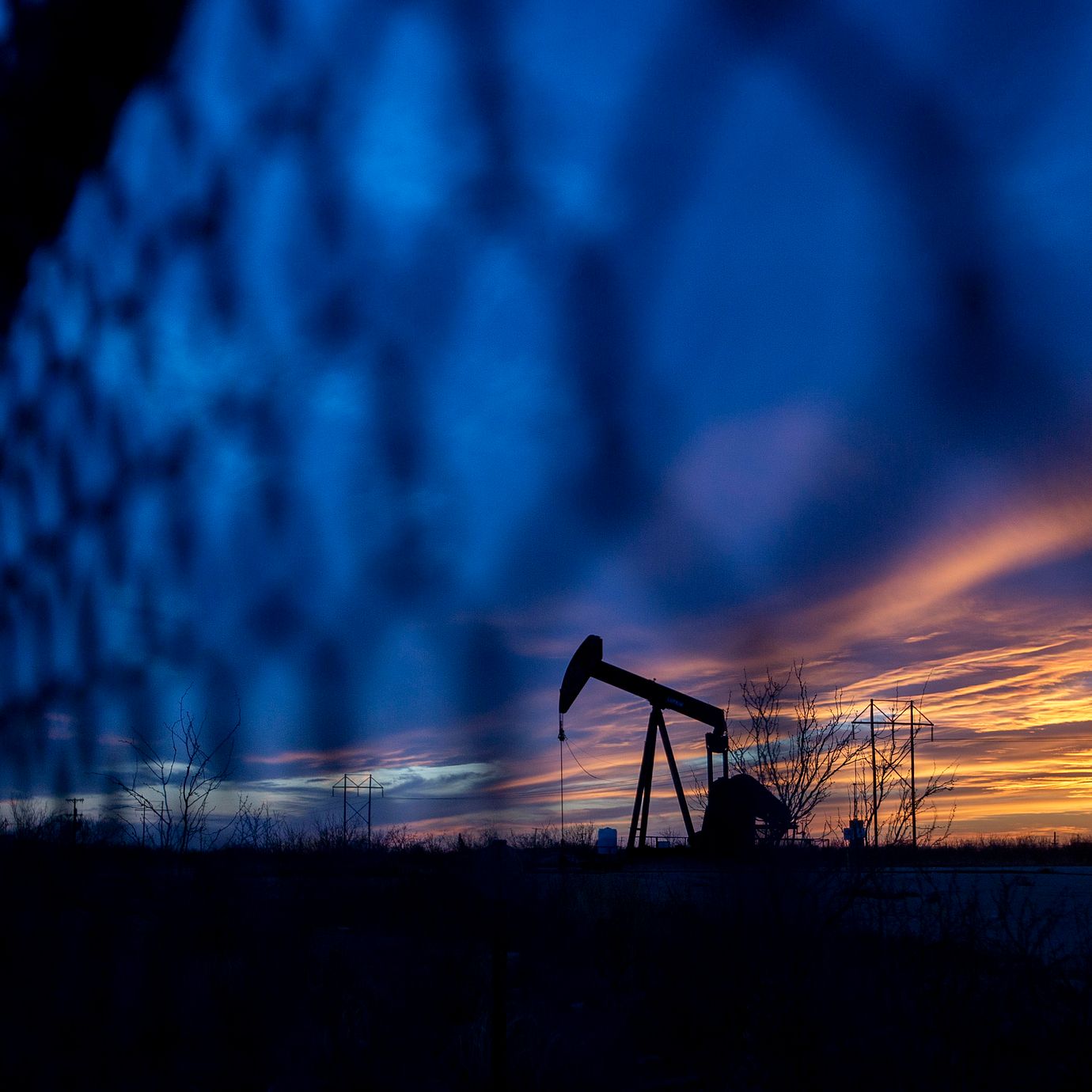
Industry executives argue it won’t be easy to wean the world away from fossil fuels, and that doing so will be harder for consumers of energy to handle than they might think.
Exxon Mobil has said that getting to net zero carbon emissions by 2050 is “highly unlikely” because consumers wouldn’t accept the decline in their standard of living to achieve that goal. Fossil fuels are extremely efficient—albeit extremely polluting—generators of energy. Their replacements are cleaner but have their own drawbacks when it comes to reliability.
And the COP28 agreement isn’t a legally binding document. Countries have already failed to meet prior commitments and tend to backslide when prices rise like they did in 2022 because of the Russia-Ukraine war. Last year, coal use spiked because of high natural-gas prices, a major problem for climate change. Companies like BP (BP) slowed their plans to phase out oil drilling.
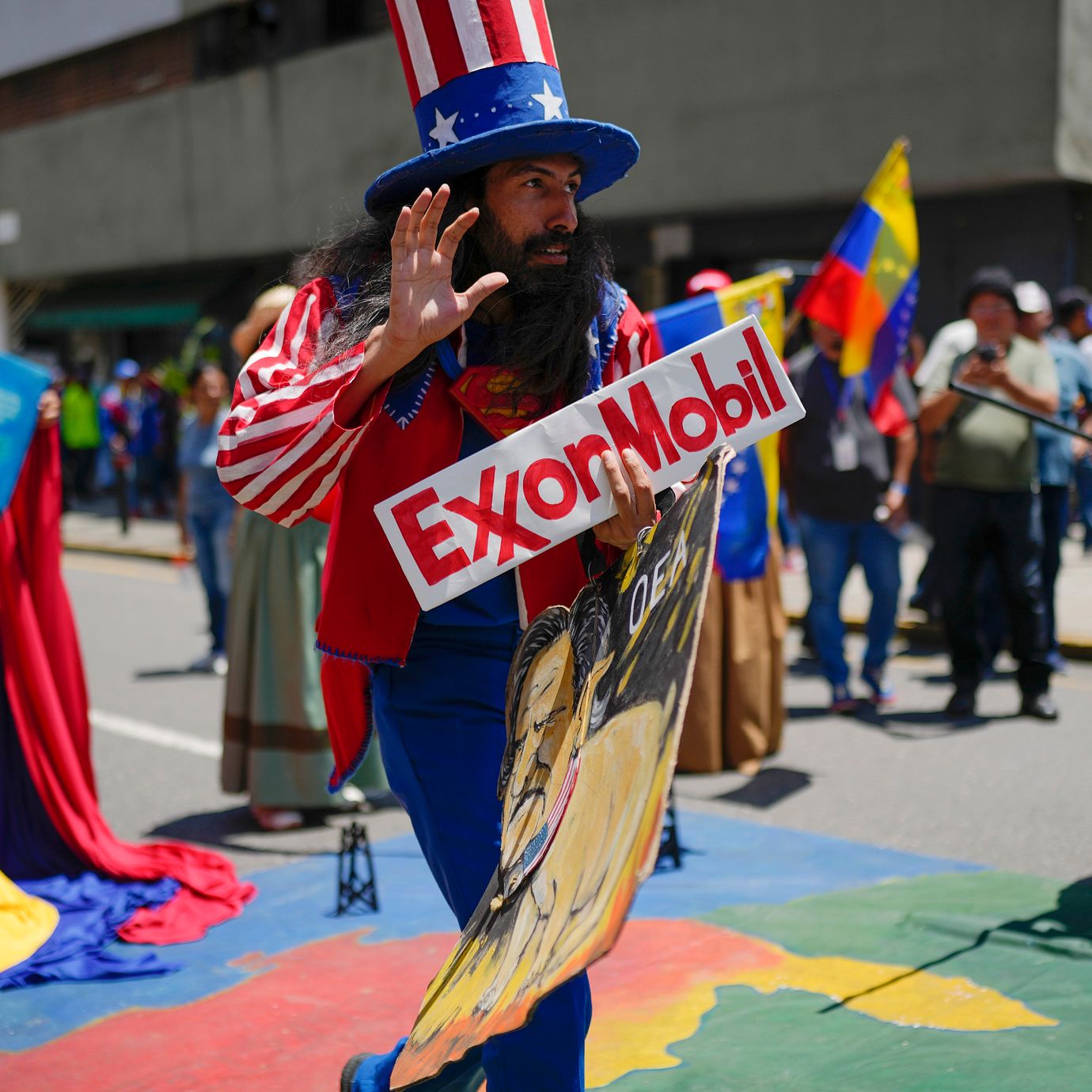
All those arguments can be true, and long-term oil exploration can still be a risky proposition. That may be why oil companies are starting to move a significant amount of money toward new businesses outside of oil.
Exxon Mobil has embarked on an offshore oil project off Guyana that will last at least a decade, but just announced it will also direct more of its capital to low-carbon initiatives, including hydrogen, lithium and biofuels. Those businesses are all expected to produce double-digit returns.
Oil certainly isn’t going away in the next decade, but COP28 shows there could be a sell-by date, and oil companies will eventually have to start shifting their priorities.