Juvelkupp på Louvren blottar miljardrisker i konstvärlden
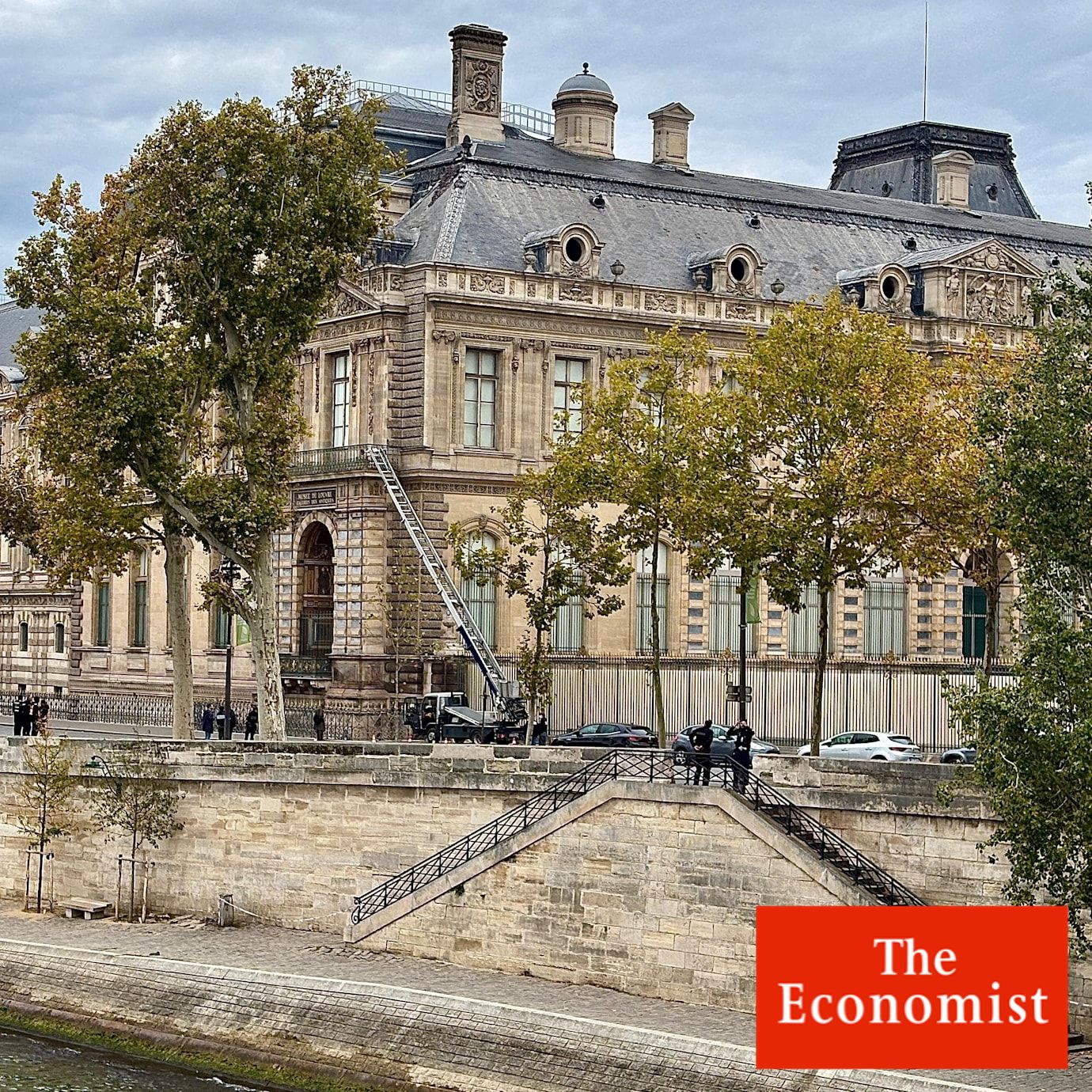
Två maskerade tjuvar tog sig nyligen in på Louvren i gryningen och stal kungliga smycken värda 1 miljard kronor, på bara sju minuter. Juvelkuppen har väckt uppmärksamhet världen över, men museirån är långt ifrån ovanliga. Särskilt i Frankrike, där flera mindre institutioner utsatts de senaste åren.
Enligt en studie återfinns färre än hälften av de stulna föremålen. Just juveler är ovanliga stöldobjekt och svåra att spåra – ofta plockas de isär för att säljas i delar.
Händelsen har väckt debatt i Frankrike och aktualiserar frågan om hur konst och kulturarv ska skyddas, skriver The Economist.
 The Economist
The lessons from the brazen heist at the Louvre
Museum thefts are surprisingly common.
It took two masked thieves just seven minutes to slip through the window of the Galerie d’Apollon, pierce the security glass of two display cabinets using disc-cutters, and make off with nine items of Napoleonic and royal jewellery. At 9.30am on October 19th the pair used a truck-mounted ladder to break in to the Louvre; they left the same way, before escaping on scooters with two accomplices. In their haste they dropped one looted piece.
The raid strikes at the heart of the French state—and of the art world. With nearly 9m visitors in 2024, the Louvre is the most popular museum anywhere. A former royal palace in the historic centre of Paris, it is made up of over 400 galleries, displaying 35,000 works of art. Spanning civilisations from Mesopotamia to Europe, the collection also links France’s royal and imperial past with its republican present. President Emmanuel Macron called the heist an attack on “our history”.
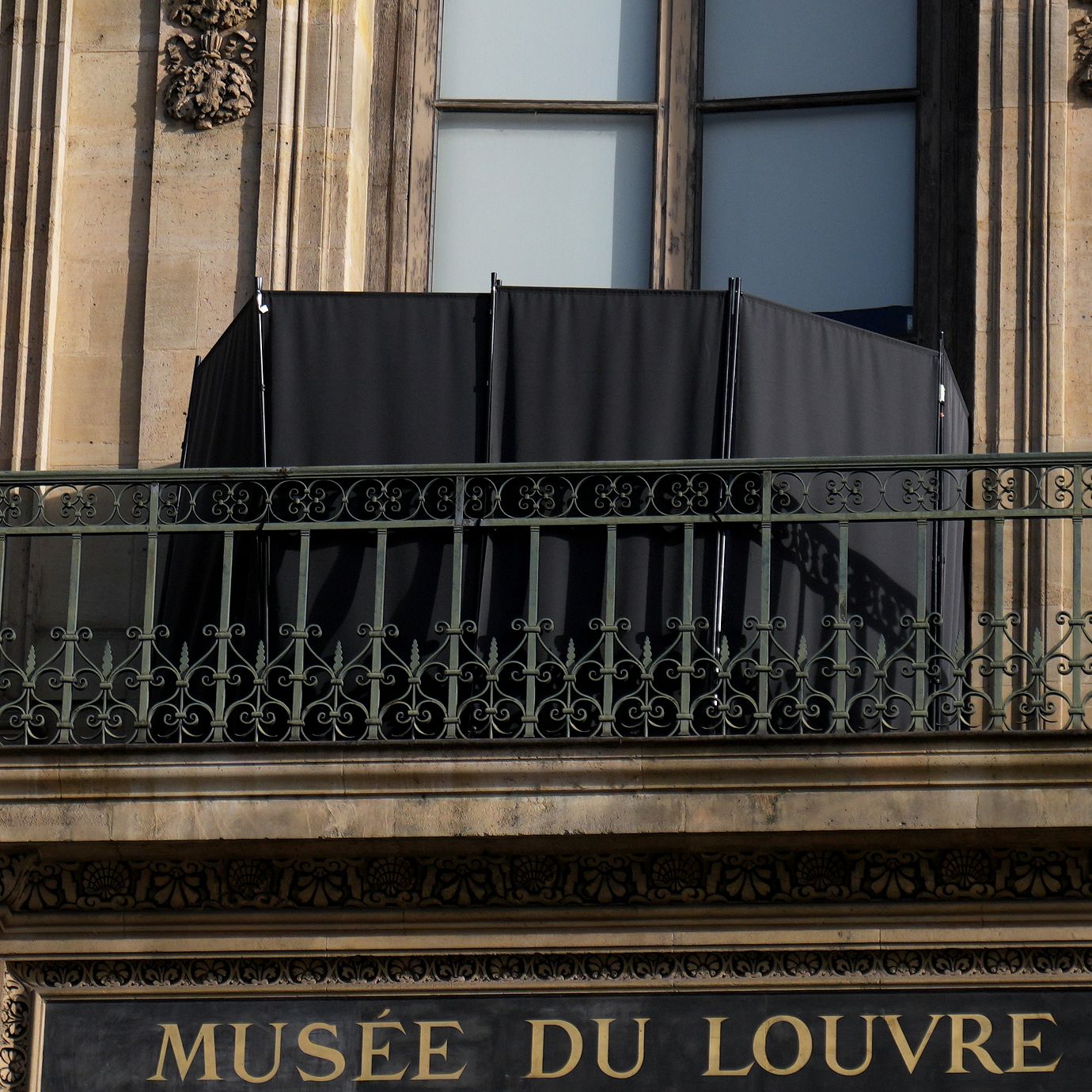
The eight items seized, worth €88m ($102m) according to French officials, were part of the national collection of crown jewels. Kept in the museum’s most sumptuous gallery, they include the emerald-studded necklace and earrings given by Napoleon to Marie-Louise on their wedding in 1810, and a tiara made up of 212 pearls, 1,998 diamonds and 992 rose-cut diamonds belonging to the Empress Eugénie, Napoleon III’s wife. The thieves bagged an earring, necklace and tiara from the sapphire collection.
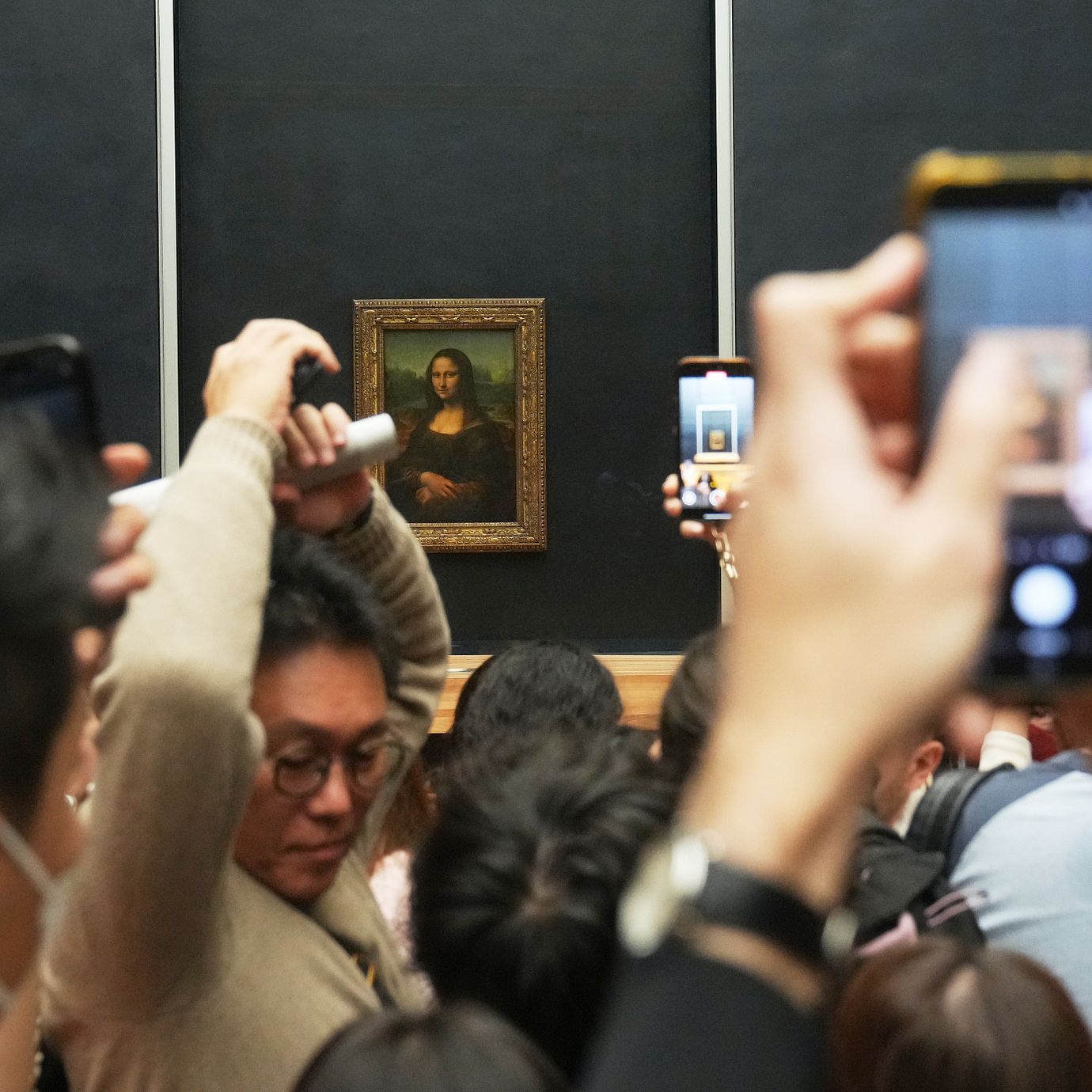
The Louvre has been targeted before—most famously in 1911, when the “Mona Lisa” was stolen—but not on this scale. Arthur Brand, a Dutch specialist in art theft, compares the heist to the snatching of 13 works of art, including Vermeer’s “The Concert” and Rembrandt’s “Christ in the Storm on the Sea of Galilee”, from the Isabella Stewart Gardner Museum in Boston in 1990. The following year an even more audacious attempt was made in Amsterdam. Criminals made off with 20 paintings, including Van Gogh’s “The Potato Eaters”, though the artworks were soon recovered. But “The Louvre is the ultimate heist,” says Mr Brand. “Nobody thought anybody would dare to steal from the Louvre.” The brazenness is worthy of a Hollywood script. Indeed in “Lupin”, a hit French crime series, the protagonist pinches from the museum a diamond necklace once owned by Marie Antoinette.
Nobody wants to accept responsibility, but the political pressure is rising for a head to roll
In reality, museum theft is surprisingly common. France has seen a number of recent heists from smaller museums. An analysis of 40 cases between 1990 and 2022 by Sandra Clopés and Marc Balcells, published in April, classifies five main types of raid. The most common, accounting for 15 of the heists, is a stealth raid: thieves make off with artworks without alerting security agents. “Smash-and-grab” raids are the second-most common, accounting for 11 of those analysed. Over half the items taken are paintings; only 4% are jewellery. Less than half are recovered. The Louvre thieves, says an art valuer in Paris, will try to dismantle the pieces, sell the gold and recut the precious stones. There is no market, he says, for the items themselves.
In Paris, minds are now focusing on what went wrong and how to stop it happening again. Gérald Darmanin, the justice minister, said the raid had given France “a dreadful image”. That a truck could be parked outside the Louvre on a busy street on a Sunday morning without raising suspicion is worrying enough; that the thieves could decamp with crown jewels despite setting off alarms poses serious questions about the museum’s security.
The “trick is to slow thieves down”, says Mr Brand. In most cases, note Ms Clopés and Mr Balcells, “Thieves were faster stealing the pieces than the sensors alerting security forces.” In a leaked report, France’s national auditor points to “persistent” delays in deploying modern security equipment in the Louvre. Laurence des Cars, the museum’s director, raised the problem when she took over in 2021. But, as in all public museums, budgets are tight. Rachida Dati, France’s culture minister, talked this week of “40 years of neglect”. Nobody wants to accept responsibility, but the political pressure is rising for a head to roll.
© 2025 The Economist Newspaper Limited. All rights reserved.