Kinas nya techplan siktar mot 2030 och vidare
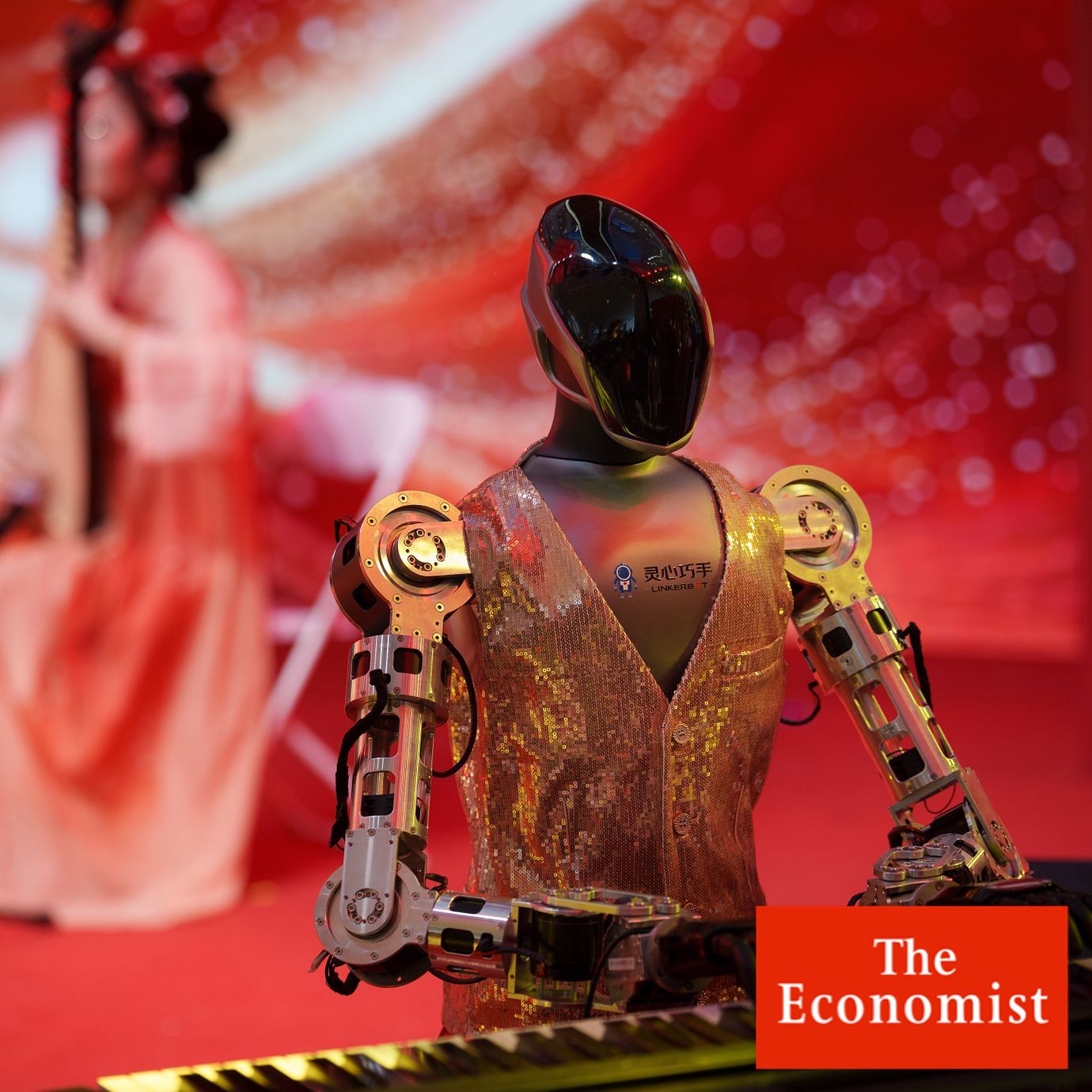
Kina höjer insatserna i det globala teknikracet, skriver The Economist. I den nya femårsplanen pekar kommunistpartiet ut allt från humanoida robotar och drönarleveranser till kvantdatorer och hjärnimplantat som avgörande för framtidens ekonomi.
Ambitionen är att lyfta produktiviteten och göra landet till en högteknologisk stormakt. Statliga signaler styr nu kapital och talang till utvalda områden – en modell som redan bidragit till Kinas snabba framsteg inom AI.
 The Economist
China’s new masterplan for its tech economy in 2030 and beyond
The Communist Party’s technological ambition is breathtaking.
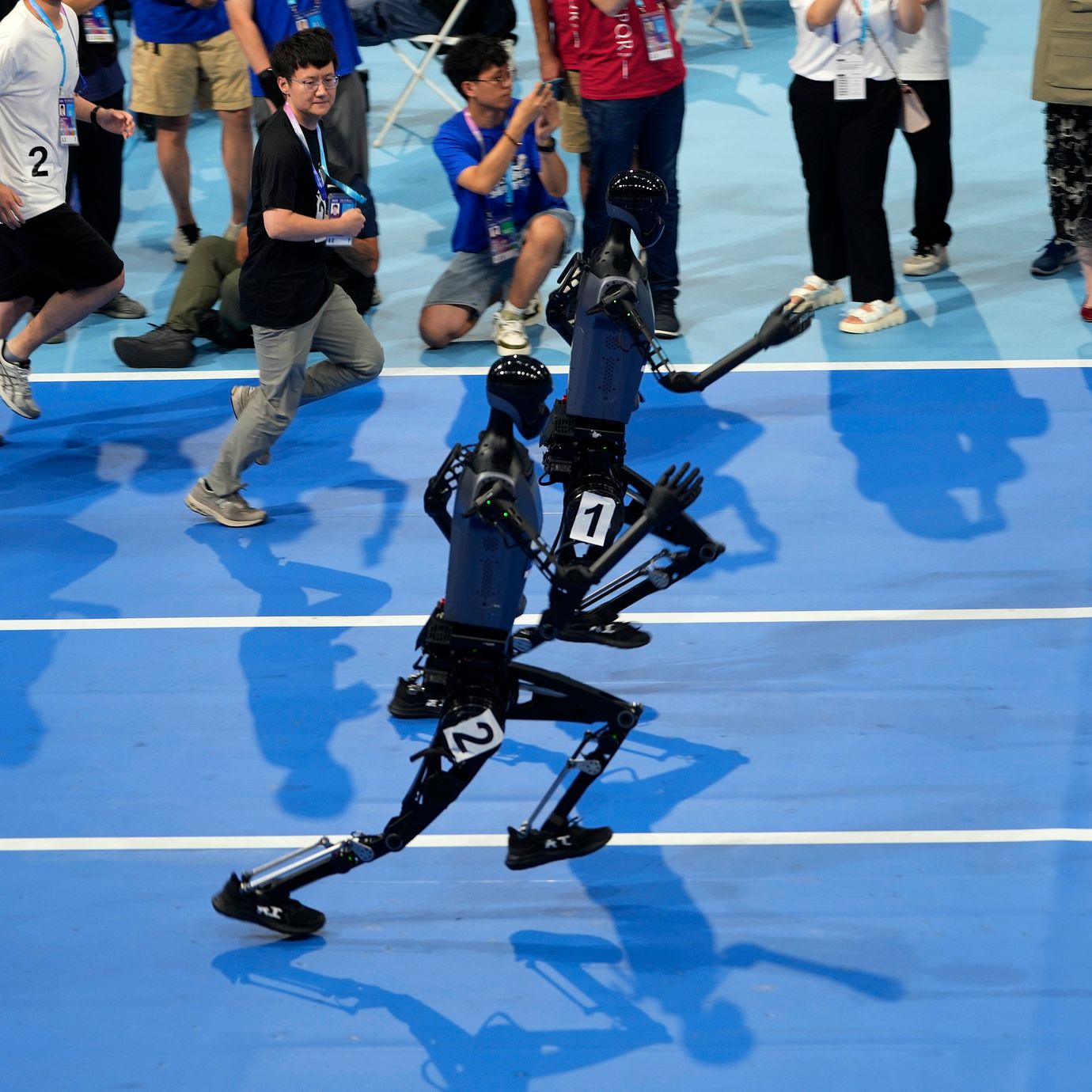
Chinese technocrats often spell out their vision of the future in impenetrable officialese. The 15th five-year plan, the latest blueprint for China’s economic development, adopted this month, talks drearily of “industrial upgrading”, “new quality productive forces” and the like. Yet in plain language, the document translates into something straight out of Elon Musk’s fever dream: skies dotted with delivery drones and flying taxis; fusion and hydrogen power plants fuelling factories manned by humanoid robots; unstoppable quantum computers; 6G mobile devices plugged directly into people’s brains.
Similar exercises in the past also displayed gumption. In 2015 the most high-profile plan in many years, dubbed Made in China 2025, set the goal of catching up with America, the world’s pre-eminent economic power, and breaking away from dependence on foreign technology. But catching up, which China has pulled off in areas like electric cars, clean energy and, more or less, artificial intelligence, is one thing. Dominating technologies of the future is quite another. Can China pull it off?
One reason for the latest plan’s breathtaking ambition is the desire of Xi Jinping, China’s paramount leader, to declare the country a “modernised socialist state” by 2035. A modernised Chinese socialist is one generating between $20,000 and $30,000 in economic value per year, compared with less than $14,000 today (at nominal exchange rates).
To meet that goal, itself a step towards China becoming a “modernised socialist world power” by 2049, the centennial of communist rule, GDP per person would need to grow by 4-8% a year over the next decade. With Chinese consumers in a dour mood and geopolitical rifts making the future of Chinese exports highly uncertain, the party believes that only world-beating technological breakthroughs and the resulting productivity gains can guarantee success.
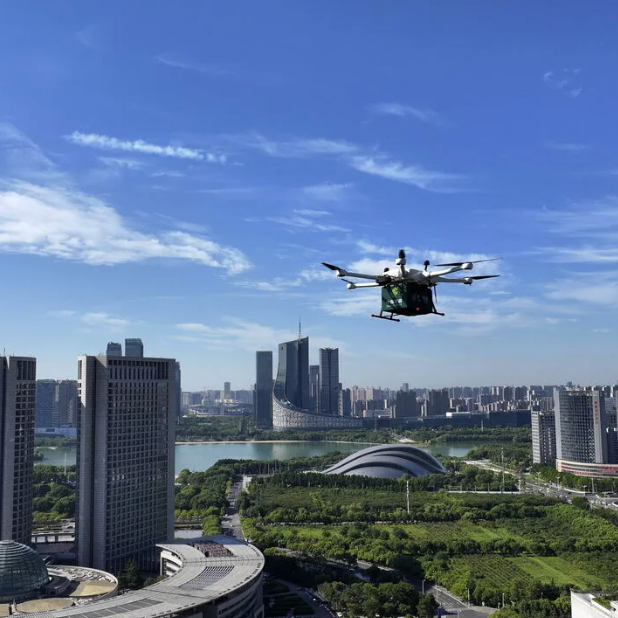
This requires an acceleration of China’s strategy. Whereas earlier economic plans set distinct objectives for strategic industries and for scientific innovation, industrial policy is now being extended to out-there technologies, points out Camille Boullenois of Rhodium, a research firm. The latest five-year plan ordains the commercialisation of fledgling fields like delivery by drone, artificially intelligent robots, hydrogen power and even brain-computer interfaces—all over the next five years.
Combined with China’s apparent desire to dominate just about every emerging industry out there, this could spread resources too thinly
In addition, within another five years the party wants to see breakthroughs in a number of “frontier technologies”. The list includes fusion power and quantum computing, which promise to revolutionise energy and information technology, but have proved hard to crack. The plan’s call for “application scenarios” in these areas, says Ms Boullenois, probably means supply chains and industrial clusters tasked with finding commercial use cases.
The point of the plan is to signal to officials and investors which initiatives to back. Once a sector is name-checked, this unlocks funds from central and local governments. Private capital follows, on the assumption state involvement reduces risk. Research clusters attract not just technologists and money, but also marketers, accountants, lawyers and other professionals needed to take technologies from the lab into markets. Their host cities employ armies of bureaucrats, who develop expertise in the subject.
Exhibit AI
Proponents of Chinese techno-planning point to AI as vindication of the approach for cutting-edge innovation. When in 2017 China declared its intention to enter “the global high-end value chain” for the technology by 2025, foreign experts scoffed. In January last year those experts, and investors in Western AI stocks, shuddered when DeepSeek, a hedge fund turned AI lab, released an AI model that rivalled top-notch American ones. Given the depth of Chinese research talent, no one is scoffing at the latest plan’s aim of turning China into “the world’s primary AI innovation centre”.
Early results in several other areas look encouraging, too. The “low-altitude economy” of aerial parcel delivery and flying taxis, born of private-sector innovations in electric cars, batteries and consumer drones, really took off after catching the attention of officialdom around 2021, which made it easier to obtain funds and permits. State imprimatur for brain-computer interfaces, first listed among “future industries” in 2024 and subject of its own ten-year plan by the end of 2025, has led several universities to set up research programmes and entrepreneurs to create startups that, in some cases, are already offering products. A few cities have set up specialist industrial zones and hospitals have published pricing guidelines for invasive brain implants.
Yet there are reasons to be sceptical about China’s latest technological designs. Earlier plans, including Made in China 2025, missed many of their goals. Despite overtaking the world in renewables technology and electric cars, and almost matching it in AI, it lags years behind in critical areas dear to Mr Xi’s heart, such as advanced semiconductors and passenger jets. Capital ends up wasted if it flows to places where local officials duplicate efforts elsewhere, chase industries they have no business chasing for lack of requisite human resources, or are loth to abandon failures. Combined with China’s apparent desire to dominate just about every emerging industry out there, this could spread resources too thinly.
This plan’s mention of using undefined “unconventional measures” to achieve its goals will not put minds in Washington at ease
Making a song and dance about the plans may be part of the problem. Made in China 2025 spooked American politicians, who saw it as a direct challenge to American technological and economic dominance. They proceeded to hobble Chinese efforts in some areas by restricting exports of crucial American technologies to China, for example chipmaking tools. This time Chinese officials do not talk about Made in China 2035 but any technology that features in the latest five-year plan should nevertheless expect a similar target on its back. This plan’s mention of using undefined “unconventional measures” to achieve its goals will not put minds in Washington at ease.
The biggest challenge for China’s planners is a function of their catch-up successes. Those occurred in fields where the technology (like photovoltaic cells or lithium-ion batteries) had been around for decades and the market (for electricity or electric cars, say) was mature. Moving to the technological bleeding edge involves a lot more unknowns. Is there a business case for hydrogen power? How many people will want humanoid helpers or brain implants?
Can quantum computers and fusion even be made to work outside the lab? China’s plans imply it knows the answers to these questions. Market forces may have other ideas.
© 2026 The Economist Newspaper Limited. All rights reserved.