Kineser lägger mer pengar på mat: ”Vägen till lycka”
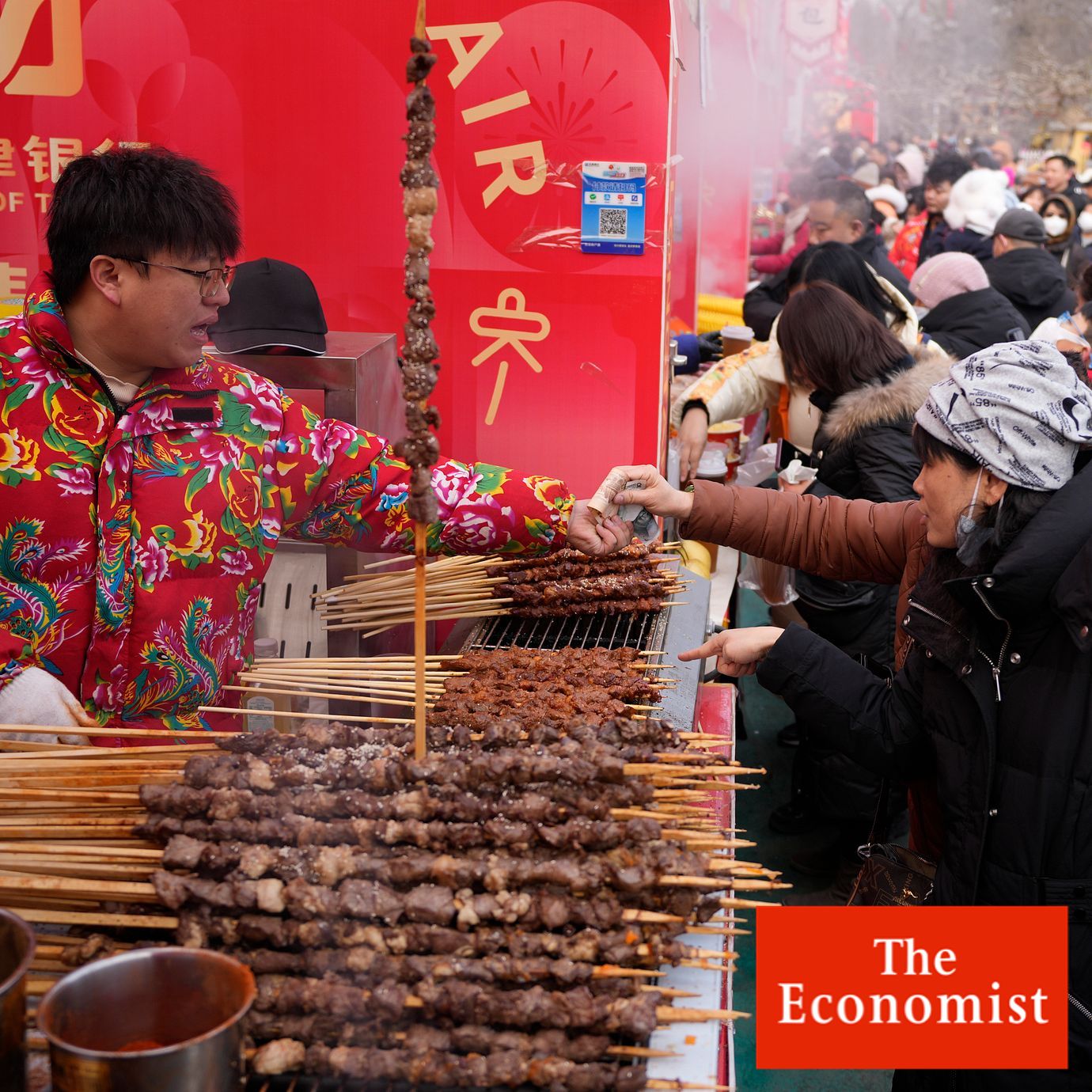
Kineser lägger en betydligt större andel av sin konsumtion på mat än amerikaner. Nya siffror från Kinas statistikmyndighet visar att rena livsmedel står för 17,2 procent av hushållens utgifter – i USA är motsvarande andel under 8 procent, skriver The Economist.
– Det är en väg till lycka, säger Yu Huan, en Shanghai-bo som arbetar inom modeindustrin, och förklarar att mat är den största posten i hennes budget.
Siffran speglar landets starka matkultur – men frågan är om den också säger något om Kinas ekonomi.
 The Economist
Why Chinese people spend so much on food
A 21st-century test of a 19th-century observation.
During the Spring Festival holiday, which this year lasted from February 15th to 23rd, China regroups and regathers. People cross the country on fast trains to join their families, watch dancing robots on TV and hand out red packets of crisp banknotes to younger relatives. But above all, they gather to eat. In a café in Fuzhou, a southern city, locals and tourists ate cheesecake and drank kombucha. One customer ordered wontons wrapped in “swallow skin” sheets, which mash together sweet-potato starch and pounded pork. “I really like eating,” said Yu Huan, another customer, who works in fashion in Shanghai. “It’s one of the ways I obtain happiness.”
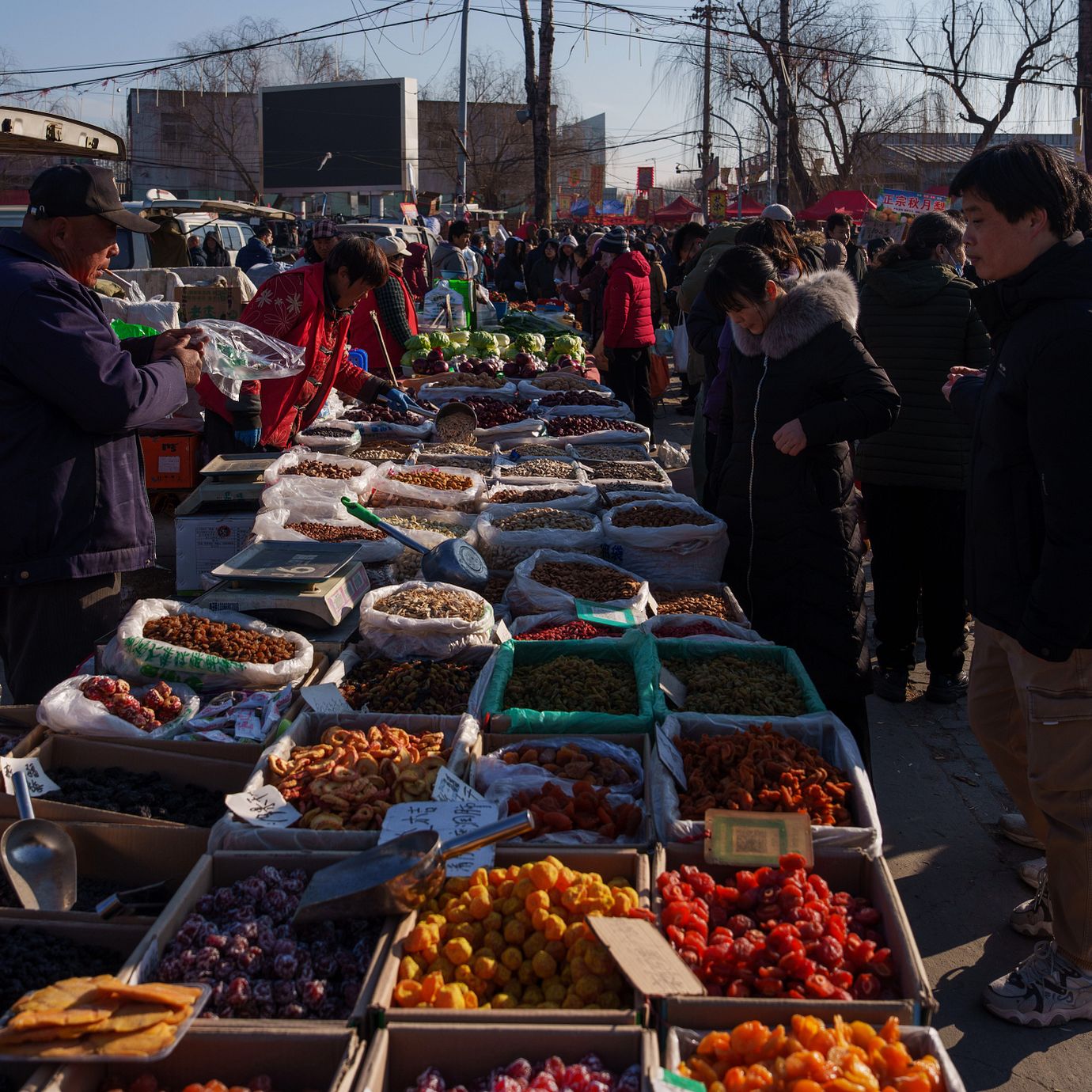
This year the National Bureau of Statistics (NBS) got into the spirit of things by revealing, for the first time, exactly how much Chinese consumers spend on food. The number emerged from a revision of the consumer-price index. The new weights imply that food (excluding dining out, booze and tobacco, with which it is often mashed together) accounted for 17.2% of household consumption last year. The equivalent figure for America was less than 8%.
These percentages confirm China’s passion for food. But they also have a less comforting implication. China may be far ahead of America in dancing robots and high-speed trains, but it still lags far behind on one of the oldest measures of economic development: Engel’s law. It states that as their income increases, people devote a smaller share of it to sustenance. This regularity, discovered almost 170 years ago by Ernst Engel, a German economist, is one of the “most enduring relationships in economics”, according to Richard Anker of the University of Massachusetts, Amherst. It can be used to predict food spending. But it can also be used in reverse, to infer incomes. Other things being equal, Engel declared, the share of outlays devoted to food is “the best measure of the material standard of living of a population”.
Engel discovered his measure in data painstakingly collected by others. Edouard Ducpétiaux, a Belgian jurist, tabulated the budgets of 199 households across all nine provinces of his country in the 1850s. Frédéric Le Play, a pioneering sociologist, gleaned similar figures from 36 families across Europe, gaining their confidence through praise, small gifts and “interesting conversation”.
Ducpétiaux and Le Play had “delivered the pearls”, admitted Engel, “but not the string”. What tied the data together was the consistent relationship between dosh and nosh that he spotted. Reviewing the law 150 years later, Mr Anker found the link was still easy to discern across over 200 countries. Even China’s NBS takes it seriously. “The Engel coefficient”, it said last year, is an “important indicator for measuring the standard of living of residents”.
Several economists trust this measure more than they trust China’s official income figures. In 2014 Emi Nakamura and Jón Steinsson of the University of California, Berkeley, and Miao Liu of Boston College used Engel’s finding to cast doubt on the country’s growth and inflation statistics. They compared households in 2006 with those that reached a similar income two years later. They discovered that the later households were still devoting substantially more of their budgets to food. Perhaps they were not quite as prosperous as the official figures claimed.
Engel’s law is also a source of concern for Adam Wolfe of Absolute Strategy Research, a consultancy. He points out that the official Engel coefficient (which includes spending on cigarettes, alcohol and dining out, as well as food) has mysteriously stopped falling, despite China’s reported growth. These items accounted for 29.3% of consumption in 2025, the same as eight years before. This “violation” of Engel’s law, Mr Wolfe argues, suggests that China has suffered a “severe development setback”.
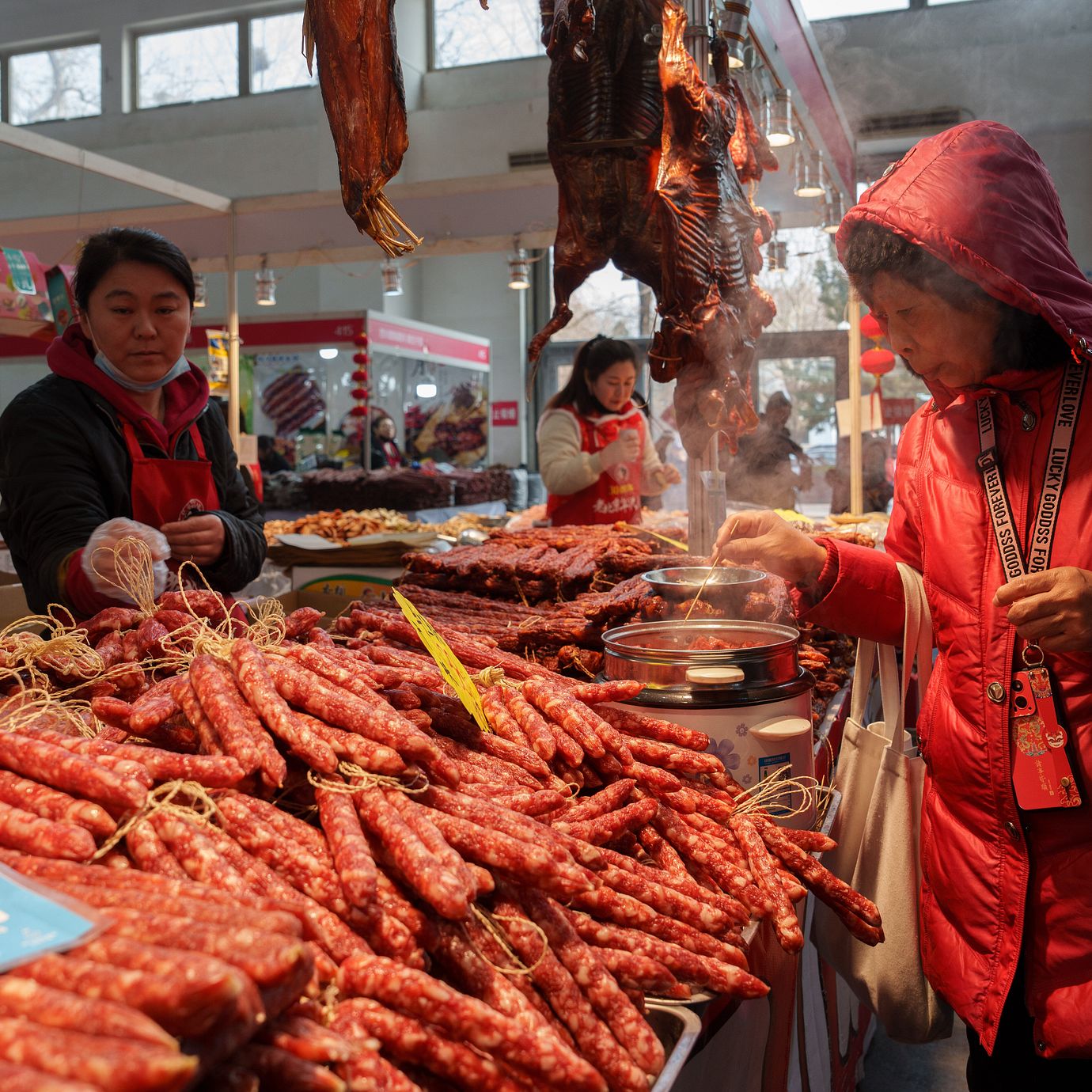
But Engel’s law has a wrinkle: dining out. When people eat at a restaurant, café or stall, they are not just buying food. They are also paying for the cooking, washing-up and ambience. Mr Anker once did his own fieldwork to quantify this point. He bought noodles and steamed buns in street markets in Xi’an, a city in western China. He also patronised McDonald’s and Outback Steakhouse in Massachusetts. Rather than eat the dishes, he weighed their ingredients, then estimated their cost. He calculated that the Chinese street food cost up to 30% more than a similar meal at home. McDonald’s cost 150% more. The steak: 233% extra.
Yu’s law
If restaurant meals are included in calculations of Engel’s law, the weight of food spending may be overstated. But excluding them poses the opposite danger. Awkwardly, the NBS did not disclose this month how much the Chinese spend on dining out. Nor did it provide a narrower measure of food consumption, excluding dining out, for the years before 2025. That makes it hard to know whether eating out has been propping up the Engel coefficient.
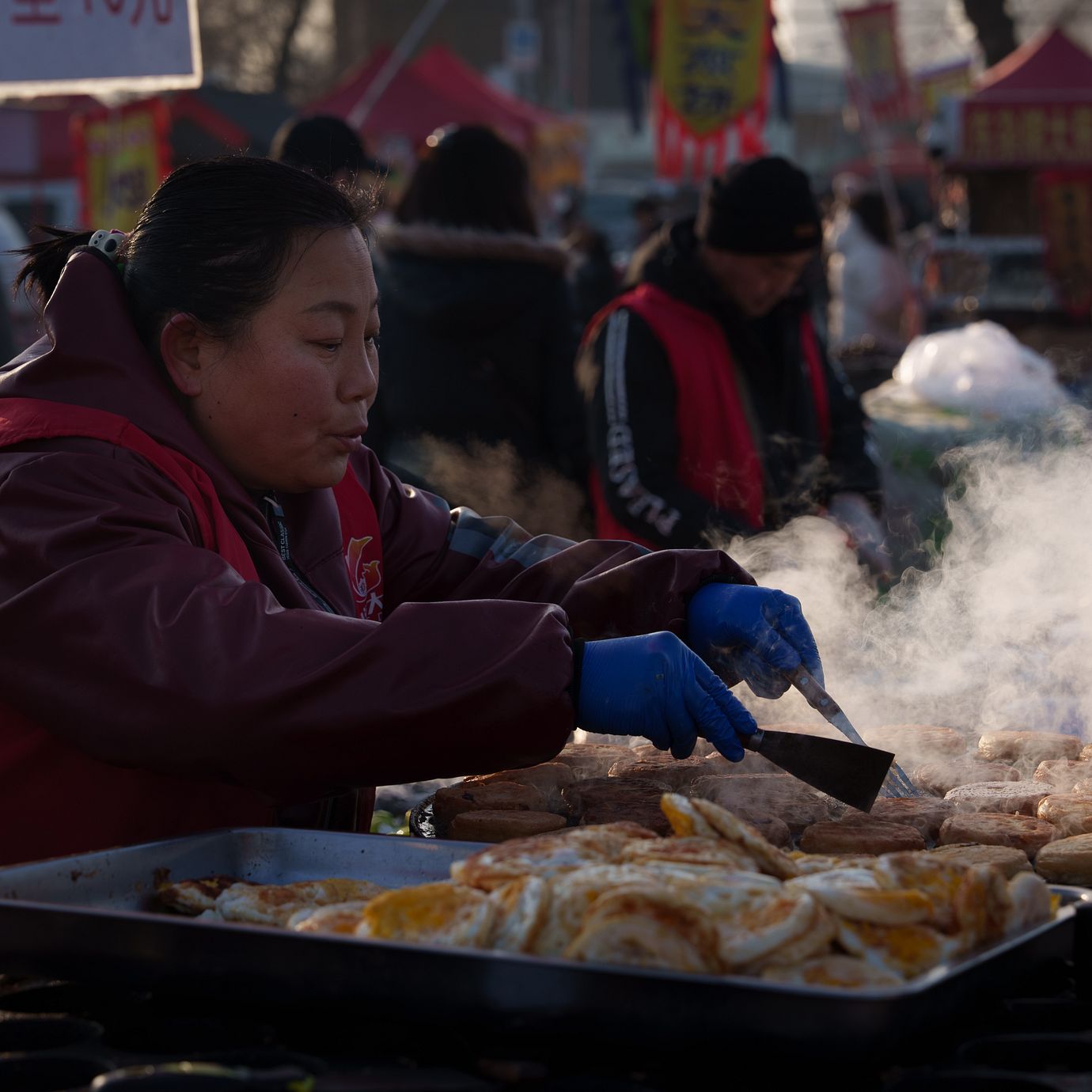
Figures from Wind, a financial-data platform, provide a clue. They show that restaurants and other “catering services” rose from 5% of consumption in 2017 to 7.4% in 2024 (the latest figure available). Such numbers can also be deducted from the official Engel coefficient to arrive at a narrower measure of past food spending. This calculation suggests that food’s weight was as high as 20.7% in 2017, well above the 17.2% for 2025 that the NBS has just revealed. In other words, if dining out is subtracted, food’s weight in Chinese consumption has continued to fall. The country has not broken Engel’s law after all.
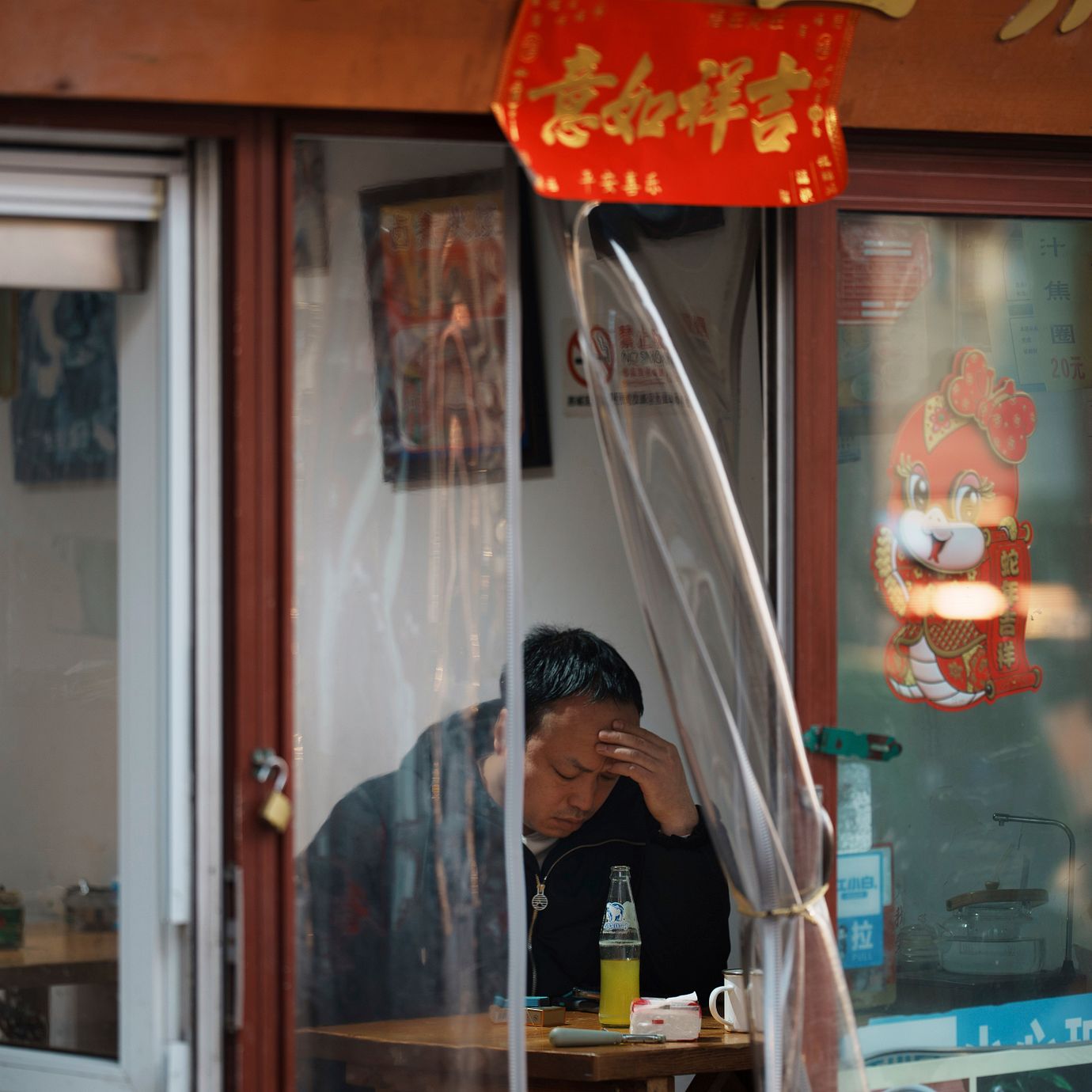
In Fuzhou, Ms Yu provides corroboration. She came to visit restaurants not family. She has tried seafood hotpot, peanut soup and local fish balls. “Food makes up the biggest part of my budget,” she confesses. But that’s no economic setback. She is limited less by her wallet than by her stomach. “As one person, I can’t eat that much,” she says. “So that’s why I stayed for five days.”
© 2026 The Economist Newspaper Limited. All rights reserved.