Kriget och ekonomin: De överraskande lärdomarna från historien
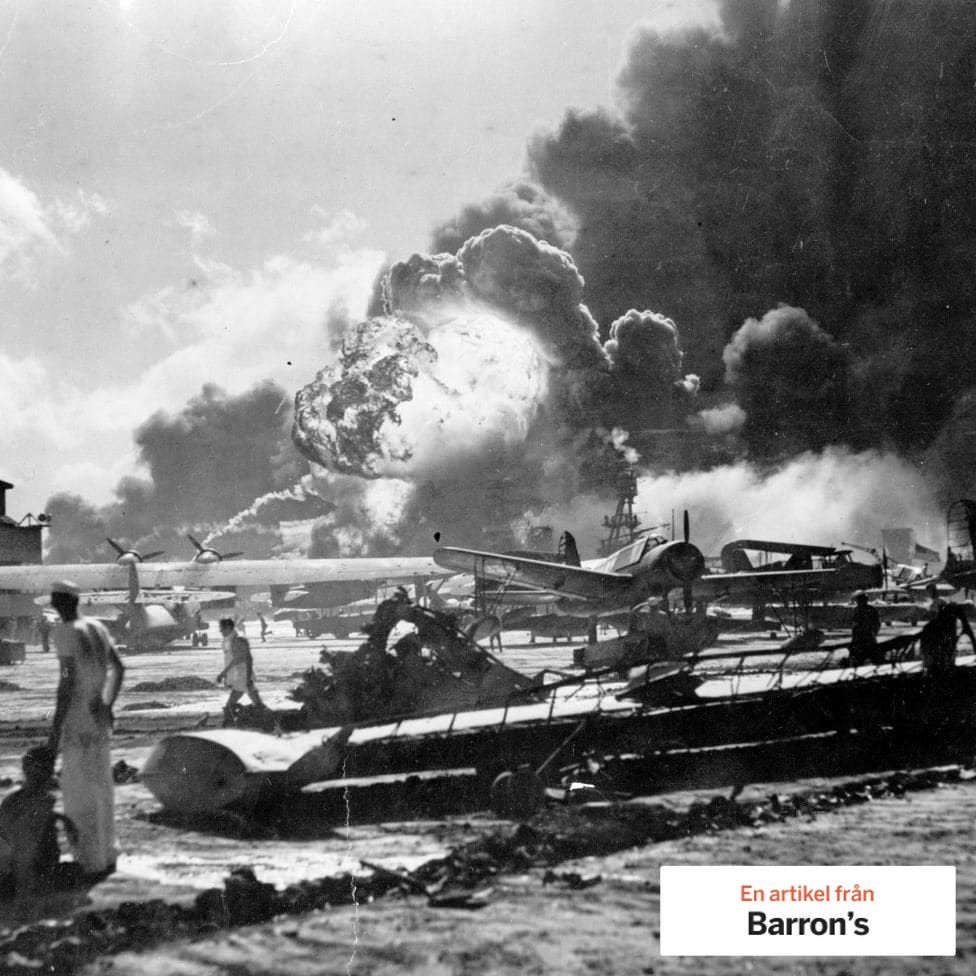
Ur krigets fasa kan det komma förändringar som gör världen till en bättre plats. Det skriver Barron’s som frågat forskare om de långsiktiga ekonomiska effekterna av krig.
Ingenting kan ge oss våra döda tillbaka, eller reparera svåra krigsskador. Men infrastruktur kan byggas upp igen, och till och med förbättras. Historien har också visat att människor som lever i efterkrigstider brukar vara mer benägna att stötta regeringar som verkar för öppenhet, internationell integration och handel, säger historikern Ian Morris i reportaget.
 Barron's
War and the Economy: History’s Surprising Lessons
By Kenneth G. Pringle
Barron's, 18 August 2022
Out of the horrors of war can come change that makes the world a better place.
World War I was a four-year bloodbath fought in nearly every corner of the globe that left 40 million dead or wounded and much of Europe in ruins. The “Carthaginian peace” forced upon Germany after its defeat helped plant the seeds for the hyperinflation of the 1920s, the rise of the Nazis, and the even more destructive and deadly World War II.
Yet, to instead envision World War I as the first stage in a 75-year-long struggle, as some scholars do, the perspective changes.
“If you look to 1989 from 1914,” said the historian and archaeologist Ian Morris, “then, in the big picture, there seems like a very productive outcome. The creation of the first truly global system, rates of violent death lower than ever before, wealth higher than ever before. It very much depends where you stand and what point in time you look at it from.”
Few investors have a 75-year horizon. But war—humanity’s most destructive practice—can produce positive outcomes in time, Morris concluded in his 2014 book, War! What Is It Good For? Conflict and the Progress of Civilization From Primates to Robots.
Of course, no one can bring back the dead or restore health to the wounded of a war. But the physical structures of life—roads, factories, cities—can be rebuilt, even improved.
And, in pursuit of peace, people postwar tend to support “governments that can enforce larger and larger systems of integration,” Morris said, things like treaties, trade agreements, and entities like the European Union and the North Atlantic Treaty Organization.
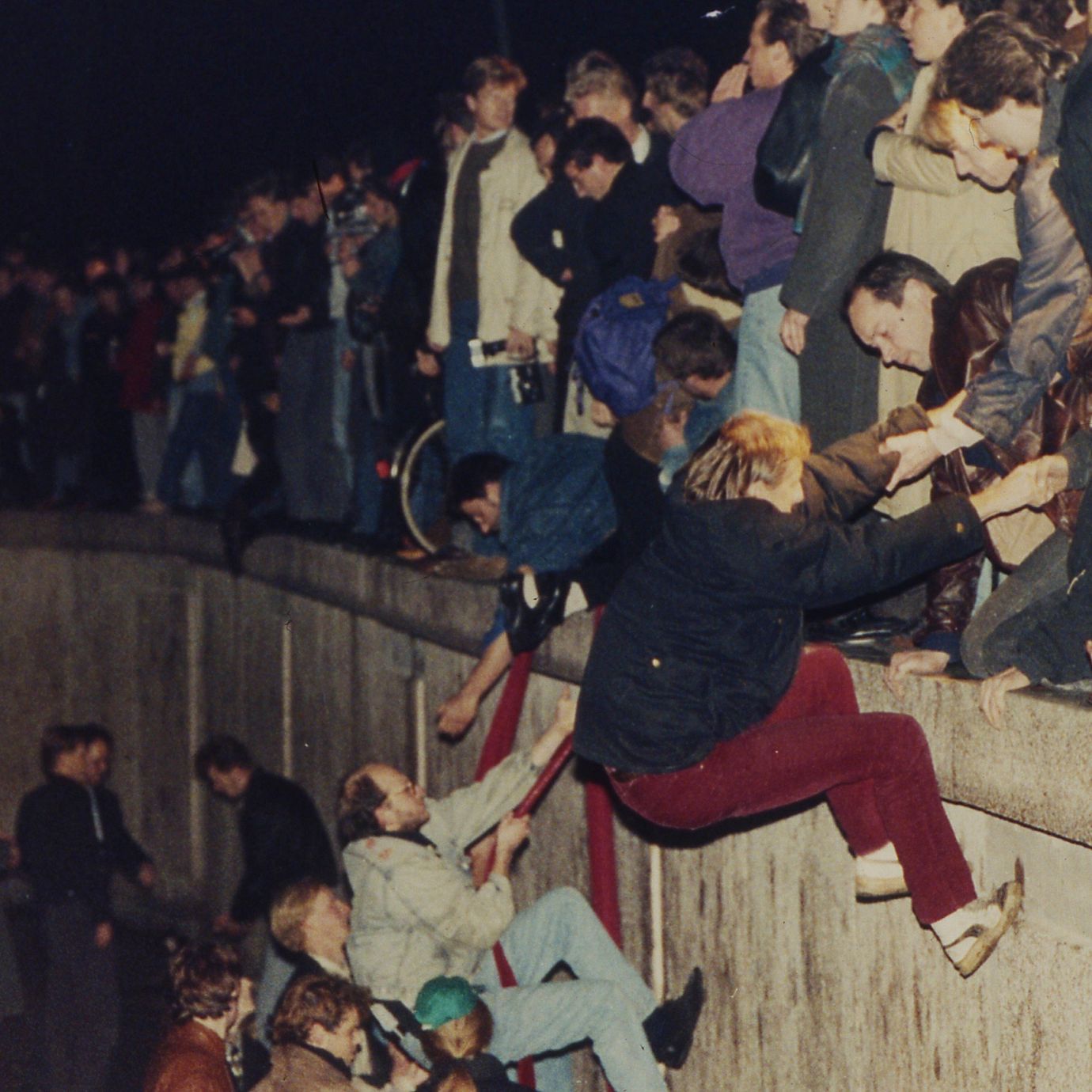
Today, the global system that developed after the fall of the Iron Curtain in 1989 is threatened both by another European war—as Russia’s invasion of Ukraine approaches its sixth-month mark—and a growing cold war between the U.S. and China. Wealth is under attack by the economic whirlwind that so often accompanies war—high inflation—and there are warnings of an impending global recession.
What can we expect going forward? A look back at some of America’s past conflicts might help.
The Civil War, the last fought on American soil, was a fratricidal calamity in which hyperinflation played a deadly and decisive role.
In 1860, 90% of America’s industrial output came from the Northern states, according to William C. Davis in The Cause Lost: Myths and Realities of the Confederacy. So, as the war dragged on, the South printed Confederate dollars to buy the arms, clothes, and even food it couldn’t produce.
By 1863, inflation soared past 300%, Davis wrote, and the “graybacks” were worthless. The Rebel army was overwhelmed by the North’s superior manufacturing capacity.
In the end, the war caused at least 620,000 military deaths—almost as many as all other U.S. wars combined—and left much of the South a smoldering wreck.
Yet rather than tear the Union apart, the war brought forth a stronger central government that reinforced the ties between the states. And rebuilding the South helped create America’s Gilded Age, where robber barons like Cornelius Vanderbilt and J.P. Morgan made kingly riches in the rough-and-tumble world of early capitalism.
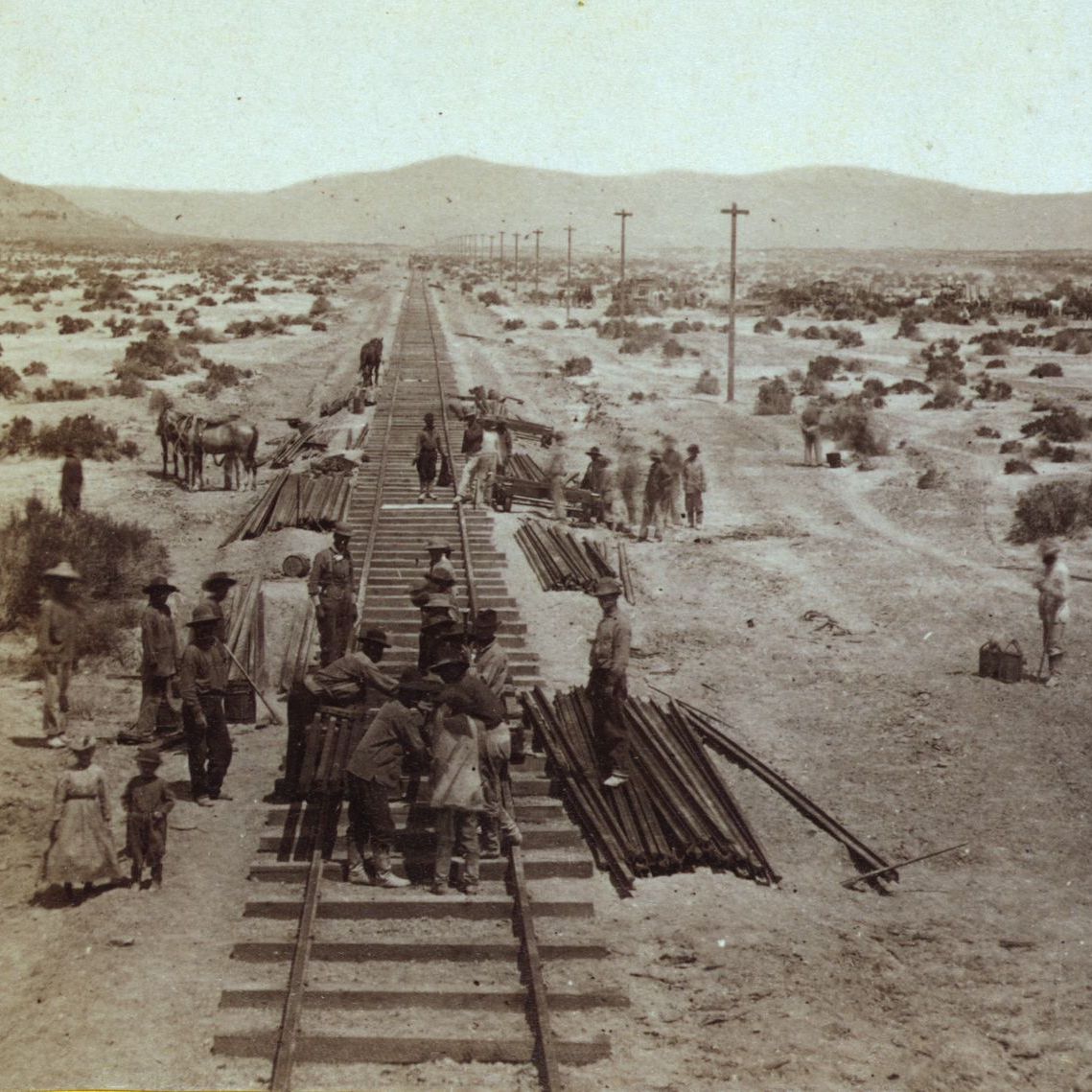
The transcontinental railroad, completed in 1869, spread commerce across the land and gave Americans newfound mobility, knitting disparate regions into a cohesive nation. The American Industrial Revolution is generally dated from 1870 to 1914, the eve of the World War I.
Though the U.S. was spared battle on its own territory, more than 100,000 Americans died in the Great War. The nation experienced double-digit inflation from 1917 to 1920, and a depression in 1920-21.
Yet, just as the Gilded Age had followed the Civil War, so the Roaring ‘20s emerged from the ashes of World War I.
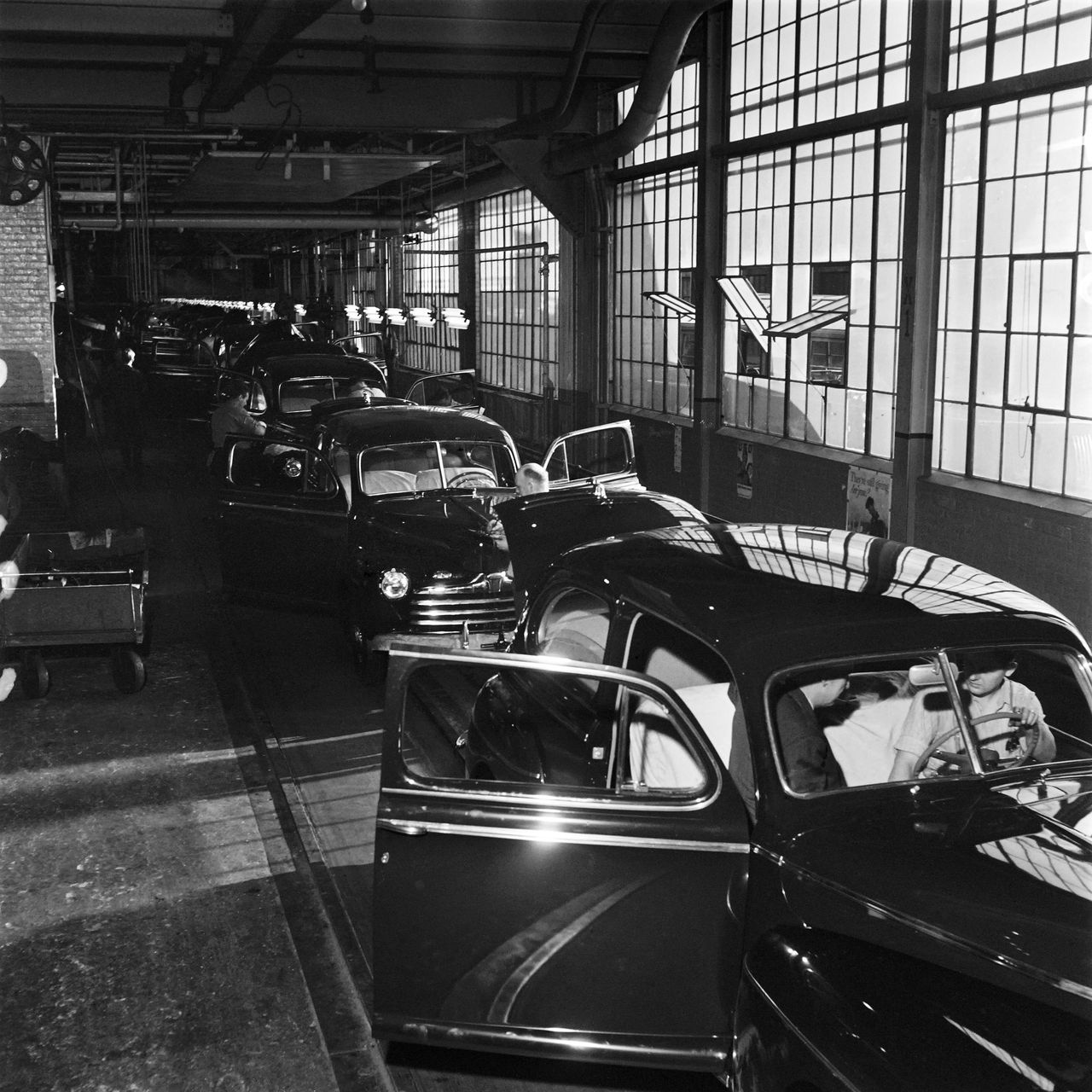
The U.S. had served as Europe’s breadbasket during the war; afterward, it was the world’s industrial powerhouse. Harnessing Henry Ford’s principles of mass production, American factories churned out such modern marvels as automobiles, airplanes, refrigerators, and radios.
Wall Street, which had financed the Allied cause, assumed its place as “the longest street in the world,” as Barron’s founder Clarence Barron called it. Many Americans shared in this growing prosperity, and some made great fortunes.
The Dow Jones Industrial Average tells the story, rising from 54.62 on Dec. 12, 1914 (the first day of trading after the New York Stock Exchange’s record four-month closure for war) to 103.73 five years later. It peaked at 381.17 on Sept. 3, 1929, a month before the Great Crash.
The Dow also tells the story of the Great Depression, tumbling to a low of 41.22 on July 8, 1932—below the 1914 reopening—and not regaining its 1929 high until 1954.
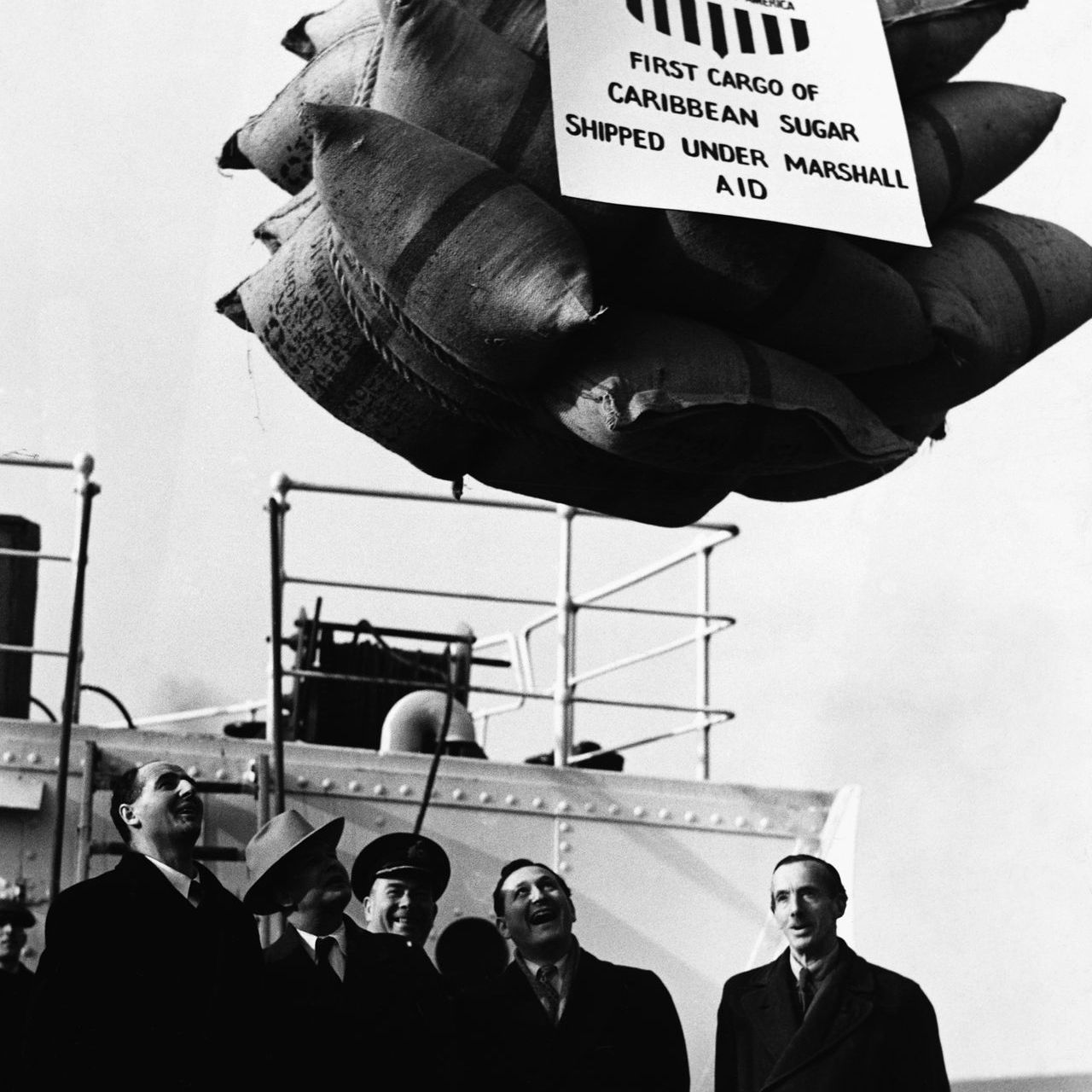
World War II reignited U.S. industrial might. The war was followed by several years of high inflation and the recession of 1949, but then the U.S. economy was off to the races. The Dow finished the 1950s at 679.36, for a 239.5% 10-year gain.
That decade brought Americans affordable air travel, interstate highways, fast food, TV, and suburbia. It also established the military-industrial complex that President Dwight Eisenhower warned against, and which has served as the world’s armory even since.
For Western Europe, this was part of “the magical postwar years referred to in France as ‘Trente Glorieuses,’ ” from 1945 to 1975, according to economist Thomas Piketty in his best-selling Capital in the Twenty-First Century.
The rebuilding process, financed by the U.S. Marshall Plan, produced average annual gross-domestic-product growth of 4% in Western Europe from 1950 to 1970—twice that in the U.S.—as the war-torn nations played “catch-up,” Piketty wrote. From 1990 to 2012, growth in both places leveled off to about 1.5%.
The postwar years also saw the creation of the United Nations, NATO, and the precursor to the EU. And the digital industrial revolution began as computers took an increasingly important role in human affairs.
By the late ’60s, near the end of Piketty’s 30 glorious years, war in Vietnam contributed to both social unrest and quickening inflation in the U.S.
War wasn’t the sole cause of the inflation of 1968 to 1983. But one thing that the hot-running economy of the ’60s didn’t need was increased defense spending.
“In a situation where aggregate demand is weak, say the start of World War II, then it can be good for the economy,” said Ed Clissold, chief U.S. strategist for Ned Davis Research, which has done extensive research on war and the markets.
“But, in cases where aggregate demand is already strong, it can lead to higher inflationary pressures,” he said. “Like in the Vietnam War, when [President Lyndon] Johnson had his ‘guns and butter’ approach, where he was trying to expand his Great Society and conduct a war.”
The Federal Reserve eventually contained the great inflation, causing the double-dip recession of 1980-’82. What followed was yet another golden age for America, at least for the stock market.
The Dow rose 228.2% in the 1980s, trailing only the gain of the ’50s, then soared a record 317.6% in the ’90s. The Nasdaq climbed even higher, as an internet-connected America kicked off the yet another industrial revolution.
The market fell after the Sept. 11, 2001, terrorist attacks. But the “forever wars” in Afghanistan and Iraq were mostly prosecuted during bull markets, slowed only by the subprime-mortgage crisis and the Covid-19 pandemic.
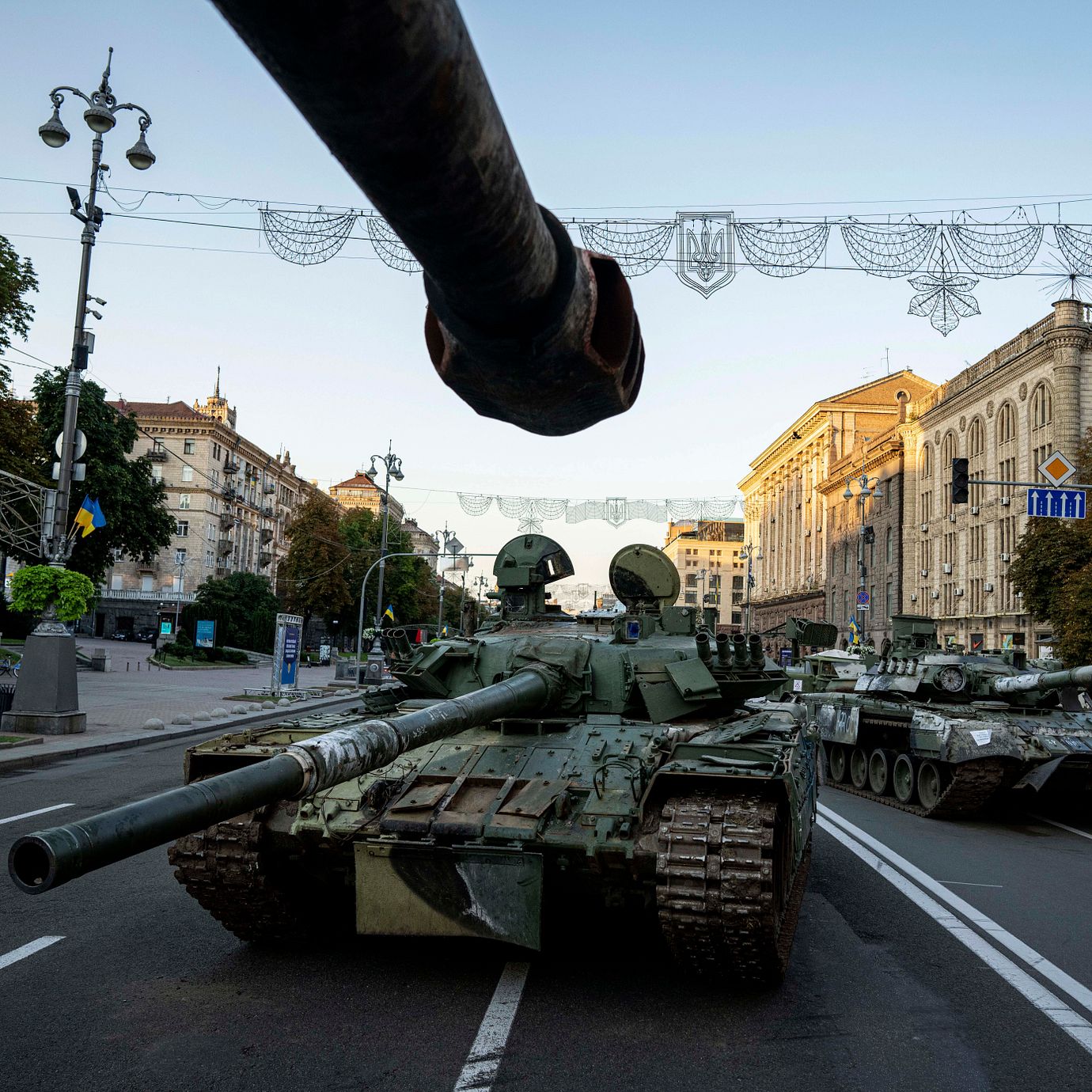
We’re still feeling the effects of the Fed’s unprecedented response to the pandemic lockdown, with inflation hovering near four-decade highs. Russia’s invasion of Ukraine has exacerbated the price spikes, creating energy and grain shortages and supply-line snarls.
What’s next, as war in Ukraine drags on?
To Morris, the historian, Putin’s invasion has so far “produced the exact opposite of what the Russian leader wants. NATO is considering an application by Ukraine,” something that was far-fetched before the war, while Sweden and Finland are likely to join the military alliance within months.
Morris suggests that a victory by the West might be another turning point toward a safer, more prosperous world. But other outcomes are possible.
“If it looks like Russia basically got what it wanted,” he said, “that would encourage more of this sort of behavior, and the risks of there being another great global war really go up.” Specifically, he said, it might embolden China’s Xi Jinping in his quest to take Taiwan.
However the war is decided, rebuilding Ukraine will be a monumental job. That presents an opportunity for another “Marshall Plan–type of aid package,” said Ned Davis Research’s Clissold.
Who will profit from this plan?
“That depends on who wins the war,” Clissold said.
Email: editors@barrons.com