Krigets paradox: Vapenaktier blir inte alltid vinnare
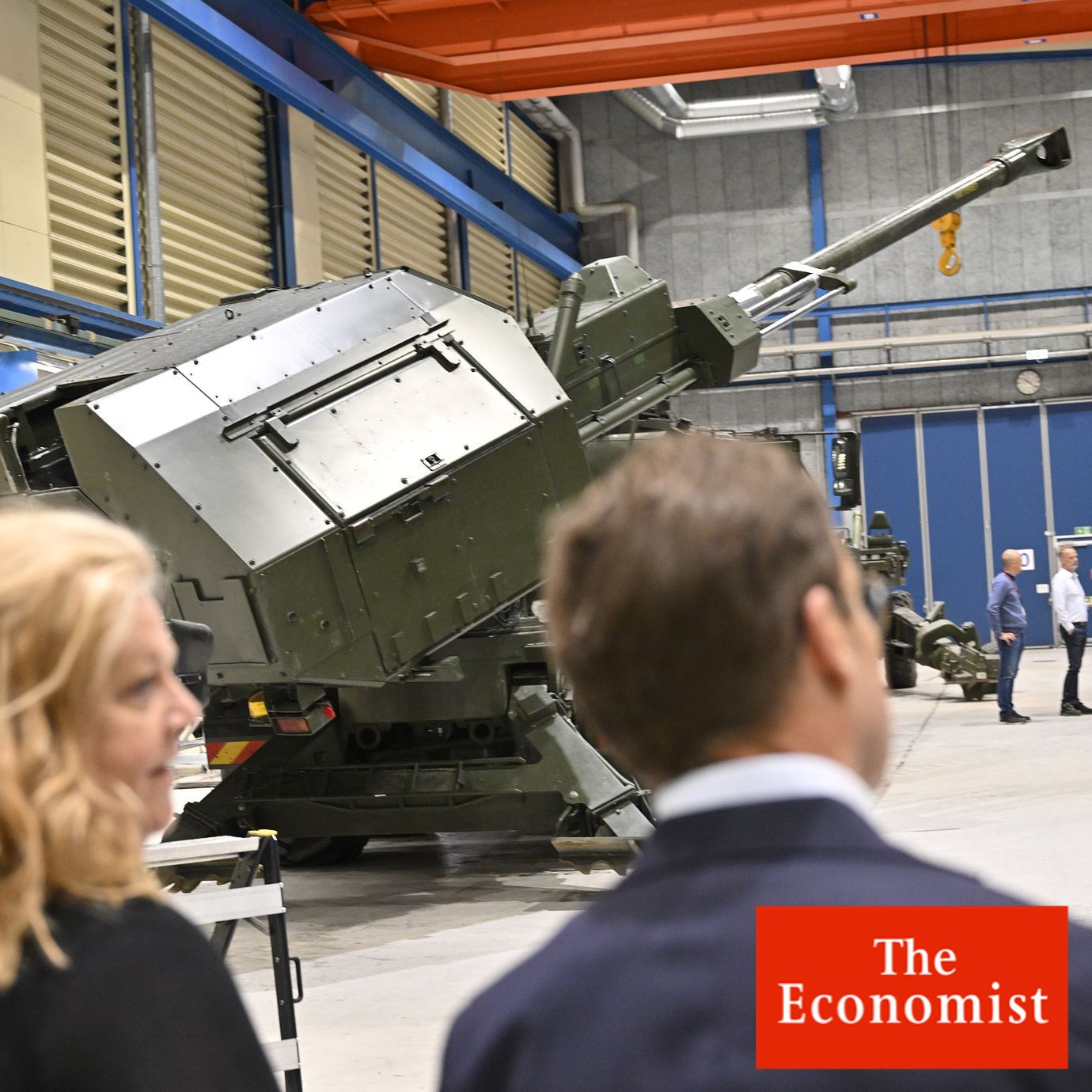
Krig och väpnade konflikter brukar få försvarsaktier att lyfta, men vapenbolag är inte alltid givna vinnare på börsen.
Det beror på att sektorn nästan bara säljer till stater – som i krislägen kan pressa priser, stoppa återköp och utdelningar eller införa extra vinstskatter.
Värderingarna är dessutom redan historiskt höga, vilket gör aktierna känsliga om oron lättar, skriver The Economist.
 The Economist
Why war isn’t always good for defence stocks
They win only if governments want just enough weapons—but not too many.
Financial markets are never more ghoulish than in times of bloodshed. As soon as a missile is fired somewhere in the world, they start gauging not just losses but potential opportunities for profit. Even for believers in the efficiency of capitalism, the process is icky to behold. It is again on display amid the American-Israeli war against Iran.
The obvious winners (besides energy firms benefiting from surging oil and gas prices) are armsmakers. On March 2nd American defence stocks rose by 3%. In Europe, firms like BAE Systems and Hensoldt bucked a broader equity sell-off. Across the rich world, weapons-makers are up by 52% over the past 12 months. Some have done much better. Hanwha Aerospace of South Korea and Kraken Robotics, a Canadian maker of sonar, have increased their market value more than ten-fold since the start of 2024. In venture capital, defence seems as hot as artificial intelligence.
The stocks are at their priciest in modern history
With armed conflicts spreading, investors’ enthusiasm for arms suppliers is understandable. Yet it comes with risks. The stocks are at their priciest in modern history. Western defence firms’ shares trade at around 35 times their forecast earnings, not far off Nvidia, whose sales of the AI boom’s favoured chips are growing by 75% a year. These multiples make sense only if the drumbeat of war persists—but is not so loud that governments crimp the firms’ ability to generate profits.
Faced with the prospect of America retreating from its alliances, members of NATO have all promised to raise defence spending to 3.5% of GDP. This could translate into an arms-buying bonanza. But it does not have to, especially if things around the world calm down. When military spending clashes with pensions, health care and other popular giveaways, politicians may end up choosing butter over guns.
If they do loosen the purse-strings, then many governments are likely to meet their defence-spending targets not only, or even mainly, by buying more fighter jets, tanks and missiles. Some of the increase will not go on materiel but on military pensions. Some will be invested in things that look defence-related only if you squint. The Italian government hoped to classify a bridge connecting Sicily to the mainland as a critical military asset, but backtracked after a talking-to from the American ambassador.
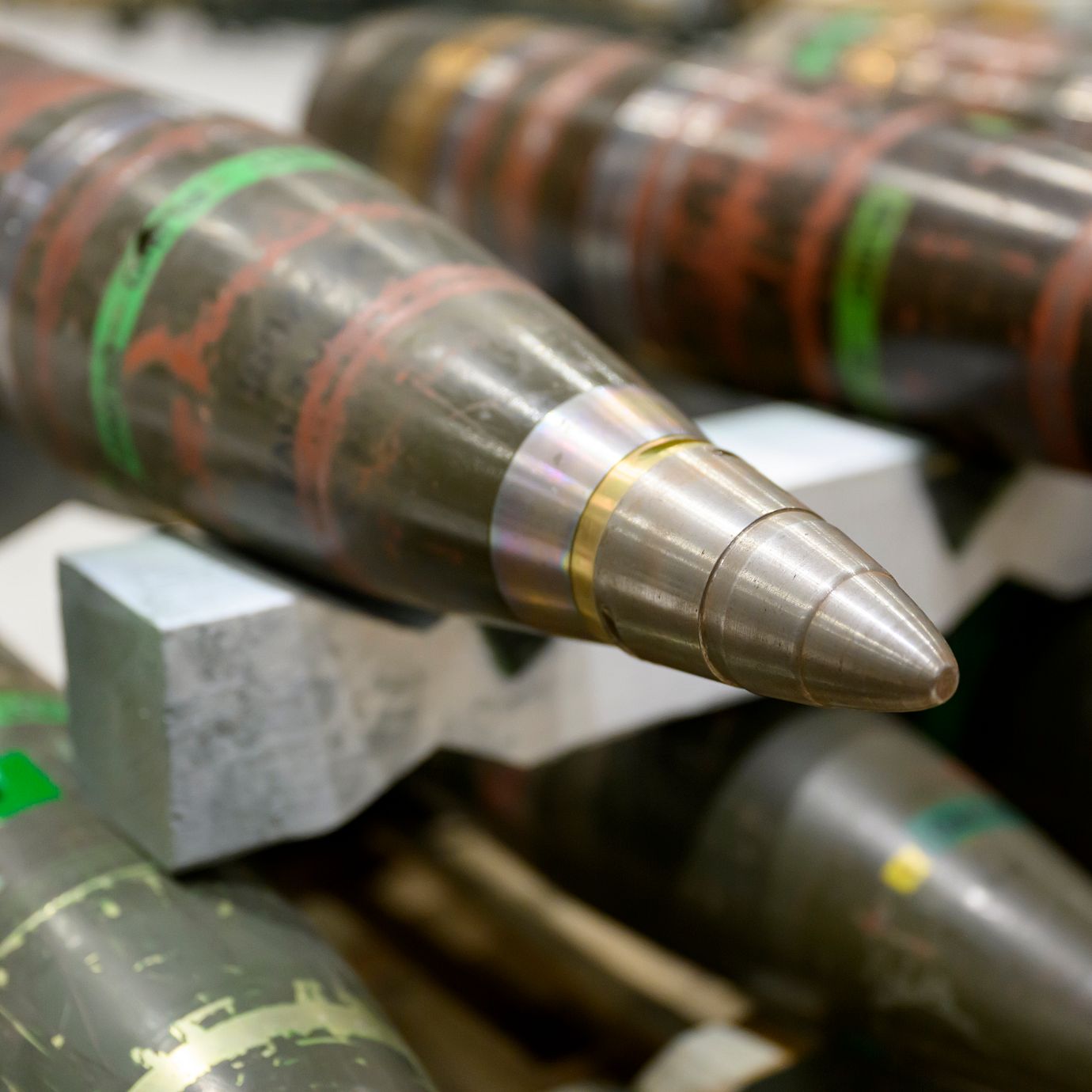
An even bigger threat to investors than the prospect of rising defence budgets proving illusory is that governments are dead serious. Armsmakers cater almost exclusively to states. This turns them into targets for strong-arming in periods of crisis—or even expropriation.
During the two world wars the British government hoovered up the profits of armaments manufacturers with steep windfall taxes. After America fully entered the second world war in 1942 its government repeatedly “renegotiated” prices previously agreed in contracts with weapons firms—always downwards and by a lot. It did the same again during the Korean war, and continued until the late 1970s as it fought the cold war against the Soviet Union.
For example, the shares of America’s aircraft manufacturers did well from 1938 until the attack on Pearl Harbour in December 1941, according to Stephen Ciccone and Fred Kaen of the University of New Hampshire. But from then until its end in 1945 a broad portfolio of American equities offered a higher return.
They are some of the biggest corporate winners in a more dangerous, unstable world
Now that armsmakers are again turning lucrative, politicians are sizing them up for squeezing. In January Donald Trump issued an executive order prohibiting large American defence contractors from buying back shares or paying dividends. He also mused that their bosses’ annual pay should be capped at $5m (a quarter of what a typical one got in 2024). The order and the musing lack legal power but send a clear message. Across the Atlantic and the political spectrum, Greens in the European Parliament are calling for a windfall tax on profitable defence firms to claw back the fruits of public spending.
Between the war in Ukraine, now in its fifth year, the one now raging in the skies over the Middle East, and another that could erupt if China decides to invade Taiwan, armsmakers are enjoying the limelight more than at any time in decades. They are some of the biggest corporate winners in a more dangerous, unstable world. But their continued success is contingent on a Goldilocks scenario of just enough conflict but not too much. Otherwise their investors may find returns to be thin gruel.
© 2026 The Economist Newspaper Limited. All rights reserved.