Krypto pressar ut bankerna från högerns maktcentrum
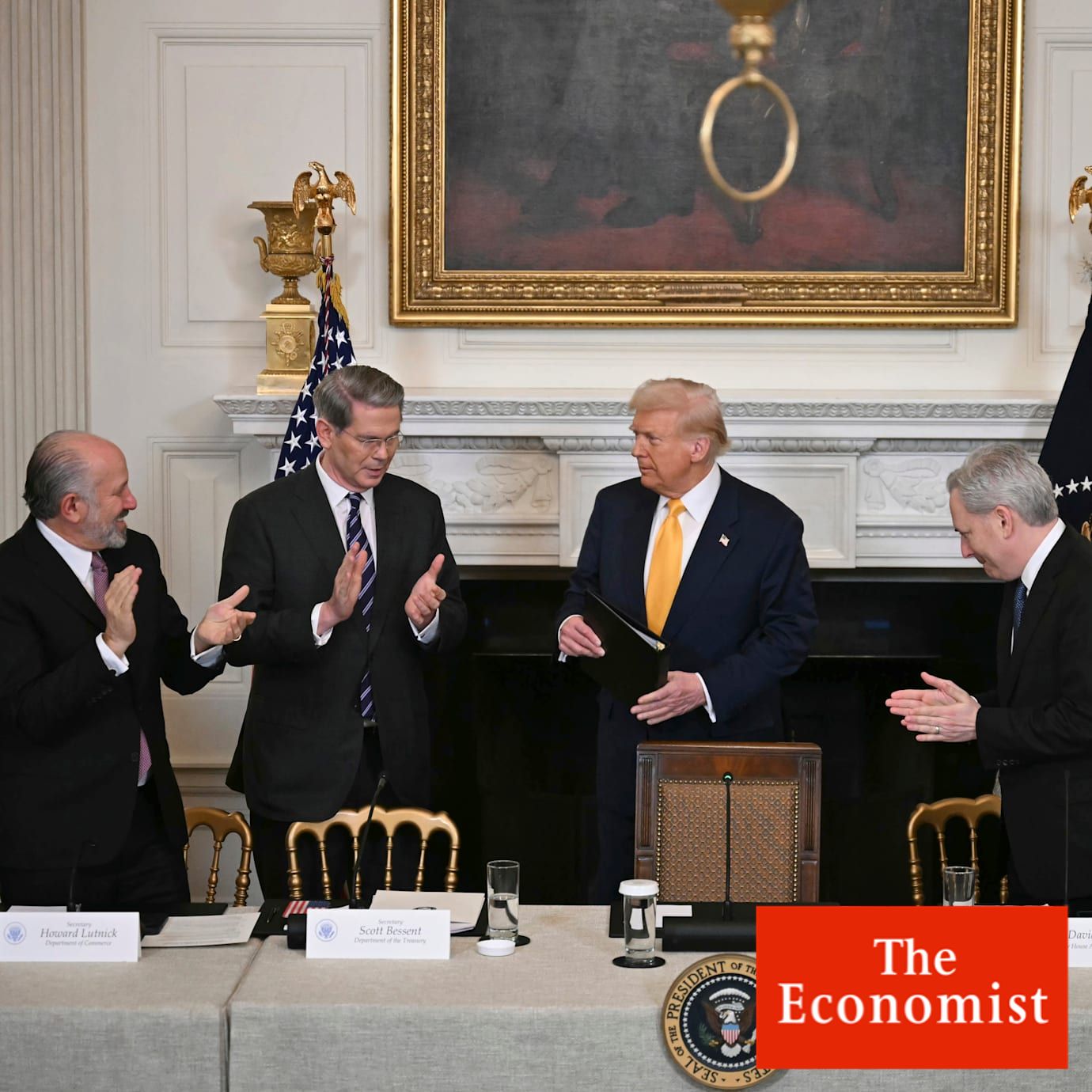
Kryptosektorn flyttar fram sina positioner i USA och hotar nu bankernas historiska maktställning bland republikanerna, skriver The Economist.
Fem stora kryptoföretag – däribland Circle och Ripple – har fått nationella banktillstånd, vilket ger dem nya möjligheter att hantera tillgångar på bred front. Samtidigt kringgår stablecoins det nya ränteförbudet genom att betala ut ”belöningar” via kryptobörser som Coinbase.
Med miljarder i ryggen inför kongressvalet 2026 ser kryptobranschen ut att ta över bankernas roll som den amerikanska högerns favoritsektor.
 The Economist
Crypto’s real threat to banks
The industry is supplanting Wall Street’s privileged position on the American right.
“First they ignore you, then they laugh at you, then they fight you, then you win.” That quote is often attributed to Mahatma Gandhi, though the Indian independence leader never said it. To the crypto industry, the apocryphal phrase is a popular mantra. Digital pioneers have endured snootiness, mockery and derision from Wall Street’s elites. Now, they are mightier than ever.
Bankers and digital-asset purveyors alike have had a bountiful year. The crypto industry has gained ground, largely owing to the legal certainty given to stablecoins by the Genius Act passed in July. Bank stocks have climbed by 35% since Donald Trump’s election victory, on expectations of friendlier regulation. Even among bankers that find Mr Trump objectionable for other reasons, vanishingly few prefer the regulatory approach taken under Joe Biden.
Crypto firms believe banks’ preferential treatment creates an unequal playing-field and hurts competition
Nonetheless, tension between the old and new is growing, and the threat from crypto is bigger than many bankers once believed. Even though lenders stand to benefit from deregulation, their once privileged position as the financial aristocracy of the Republican Party looks shakier than ever before. Sharing that role with crypto-industry upstarts poses a long-term threat.
The immediate concern for bankers is stablecoin regulation. The Genius Act prohibits stablecoins from offering yields to their buyers, a concession that was intended to keep the coins from sapping demand for bank deposits, and thereby reducing lending. But a workaround means stablecoin issuers such as Circle (which issues the popular USDC coin) can share their revenue with exchanges like Coinbase, which in turn pay “rewards” to the users buying stablecoins. Banks want this loophole closed.
Yields are not the only issue. Elsewhere, crypto is threatening to dip below the velvet rope. In October Christopher Waller, a Federal Reserve governor and candidate for chair, alarmed bankers when he suggested more firms might gain access to the central bank’s payment rails. Mr Waller later walked back the statement, saying holders of such Fed accounts would still need bank charters.

At last, on December 12th, crypto jammed its foot in the door of the federal banking system. An American bank regulator approved national bank trust charters for five digital-finance firms, including Circle and Ripple. Although the designation does not qualify the institutions to take deposits or lend money, it does let them provide custody for assets on a national basis, rather than relying on a patchwork of state-level approvals. Banks had pressed regulators not to approve the new charters.
On its own, each development—a speech, a banking charter, some regulatory workarounds by stablecoin issuers—could be written off as small beer. Taken together, though, they are a serious threat to traditional banks. Lenders have already had their central roles in making loans and brokering trades chewed away by private credit and whizzy market-makers outside the banking system. They are loth to lose out again.
Crypto firms believe banks’ preferential treatment creates an unequal playing-field and hurts competition. The general argument may be reasonable, but offering “rewards” in the place of yields on stablecoins is a brazen side-stepping of the rules. That legislators who banned yields on assets only months ago are not stepping in to end the practice reveals the real problem for banks: their sharp loss of political clout.
Where the interests of banks clash with those of the newcomers, the outcome is no longer certain
Banks are no longer the foremost financial constituency of the Republican Party. Instead, crypto has found a home among the countercultural, anti-elite politics of the new American right. The industry’s largest political action committees boast hundreds of millions of dollars in cash ready to be deployed in the 2026 mid-term elections, which always helps. Where the interests of banks clash with those of the newcomers, the outcome is no longer certain, or perhaps even likely to fall in their favour.
Bankers may have bristled at the Biden administration’s regulatory squeeze. But in a considerable irony, they now find themselves relying on a group of Democratic Party senators who are more worried about the camouflaged payment of stablecoin yields, as well as risks related to money-laundering. In their opposition to crypto firms getting banking licences, America’s biggest lenders find themselves in bed with trade unions and centre-left think-tanks. As Gandhi also did not say, “The enemy of my enemy is my friend.”
© 2025 The Economist Newspaper Limited. All rights reserved.