Kryptovalutor blev vinnare i valet – vad är nästa steg?

Efter Donald Trumps seger i presidentvalet har kryptovalutor fått sitt stora genombrott. Bitcoin har nått rekordnivåer, och kryptovänliga profiler är på väg att få nyckelpositioner i Vita huset.
Samtidigt arbetar branschen för att försvaga regleringar som skyddar konsumenter. Kritiker varnar för att en djupare integration i finanssystemet kan öka risken för framtida ekonomiska kriser, skriver Bloomberg.
 Bloomberg
Crypto Got What It Wanted in November’s Election. Now What?
The industry is now in a position to weaken financial rules that might protect consumers from the next crypto crash.
Crypto is heading into 2025 on a tear. One month after Donald Trump won the US presidential election, Bitcoin crossed the $100,000 mark for the first time, and evangelists began declaring it only the beginning of another cryptocurrency bull run.
This rally feels different from the regular boom-and-bust cycles that defined cryptocurrency’s teenage years. For the first time, the US will have a president who’s directly endorsed cryptocurrencies—and even introduced his own token. Trump is already lining up crypto believers to take key spots in government. Because his campaign promises at the annual Bitcoin Conference in July included establishing a “strategic national Bitcoin stockpile,” analysts are seriously discussing whether the country might do it. Even before the election, BlackRock Inc. and other financial giants started exchange-traded funds to offer cryptocurrencies through traditional brokerage accounts, paving the way for the asset to reach an even broader group of buyers. Crypto, which has always played up its antigovernment, antiestablishment ideology, has become the establishment.
“The crypto industry is built on a foundation of regulatory noncompliance”
The foundation for this unlikely reemergence has been under construction for years. As attention shifted away from crypto during its downturn, executives and strategists within the industry quietly got to work. That didn’t mean building the long-promised killer app that would finally prove the practical utility of blockchains. Instead, they laid the groundwork for an unprecedented political influence campaign. This worked out to more than $130 million in political spending in the 2024 cycle, along with a heavy public-relations campaign to convince candidates that they couldn’t afford to alienate single-issue “crypto voters”—a group strategists largely invented from whole cloth.
The crypto campaigners also amplified narratives that federal agencies have engaged in a wholesale war on crypto and have pursued extragovernmental campaigns to punish innovative financial startups that have done nothing wrong. This will sound familiar to anyone who’s heard Trump and his surrogates talking about tech regulation, even if it reverses the reality, which is that the crypto industry has consistently ignored existing rules while arguing that the government should pass friendlier ones. “The crypto industry is built on a foundation of regulatory noncompliance,” says Hilary Allen, a law professor at American University and the author of Driverless Finance.
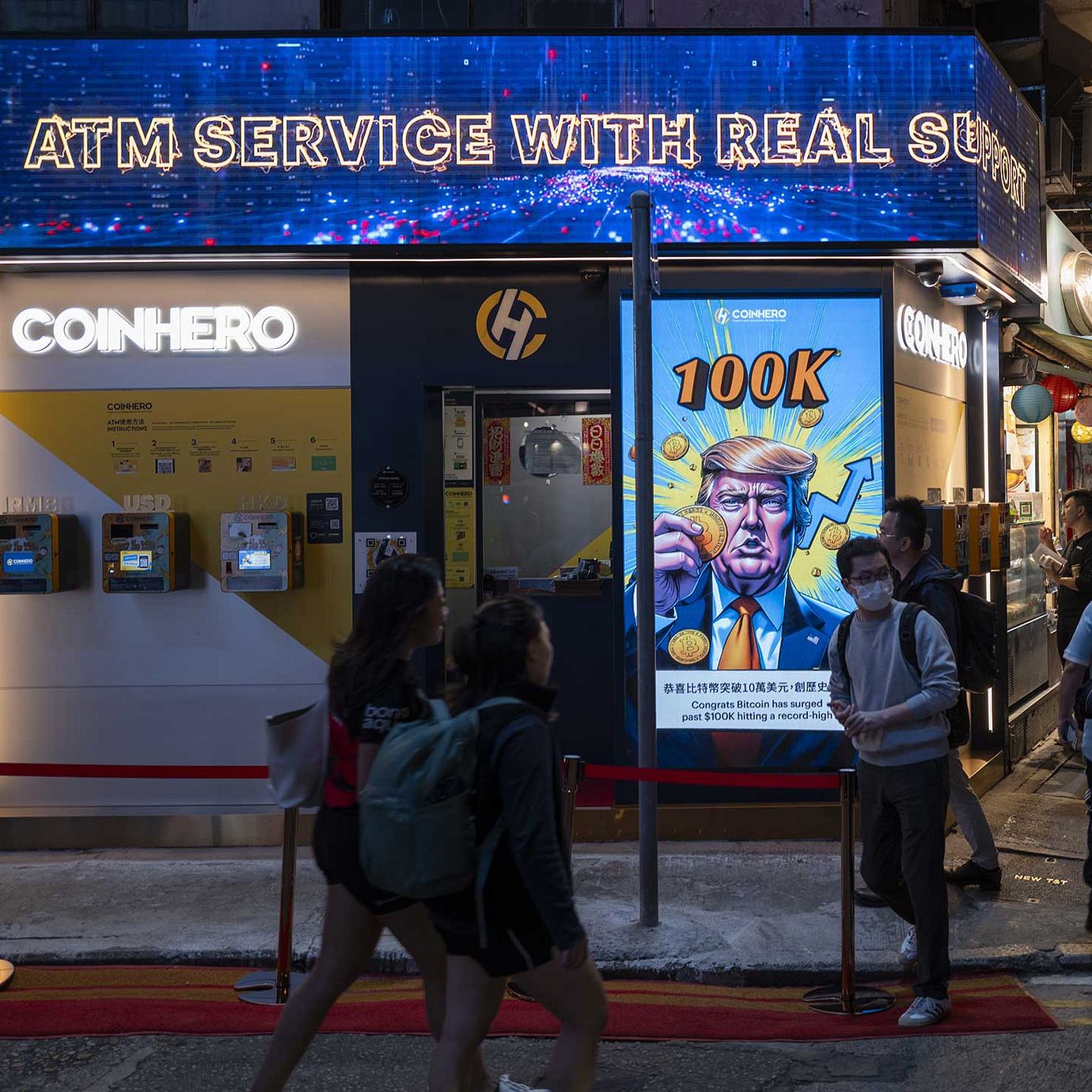
The lack of regulation has led to some spectacular cases of fraud, but the consequences have been relatively limited. Financial crises turn into full-blown catastrophes once a crash in one sector starts doing real damage elsewhere. (You didn’t need to be holding a big mortgage on a suddenly cheap house to feel the pain in the 2008 crash, for instance.) The silver lining to the 2022 crypto bust, which wiped out countless retail investors as well as a number of major crypto firms, was that people who hadn’t bought into the hype were insulated from the devastation. But the firewall separating the volatile and fraud-prone crypto markets from traditional finance may not hold through a Trump presidency, or protect us through the next crypto market downturn.
Industry cheerleaders like Paul Atkins, Trump’s nominee to run the Securities and Exchange Commission, are slated to take over leadership at key federal agencies, meaning what little enforcement we’ve seen in the sector is likely to disappear. Instead, the new administration has telegraphed its intention to defang or dismantle the agencies and regulations that protect consumers and maintain faith in businesses and markets. The result could be a crypto industry that’s much more entangled with everything else. “The ultimate irony,” Allen says, “is that the crypto industry is angling to integrate itself with the rest of the financial system so that it will be supported by the very central banks crypto was originally designed to repudiate.”
Prices could continue to go up, powered by the sugar high of having believers in power continues
Despite industry protests, regulations had discouraged major banks from getting too involved in crypto, thus shielding them from its subsequent collapse. The importance of that separation was underscored in March 2023, when two banks that did have significant cryptocurrency exposure failed. At that time most retirement and pension funds had minimal exposure, in part because guidance dissuaded fiduciaries from offering crypto options in 401(k) plans, and in part because of the unavailability of crypto assets via traditional brokerages.
Some of these protections have already eroded as the SEC—despite its reputation as an industry nemesis—approved exchange-traded products linked to Bitcoin and Ether, making them more available to traditional investors and funds. More retirement account administrators, including those managing employer-sponsored 401(k) plans, are offering crypto exposure.
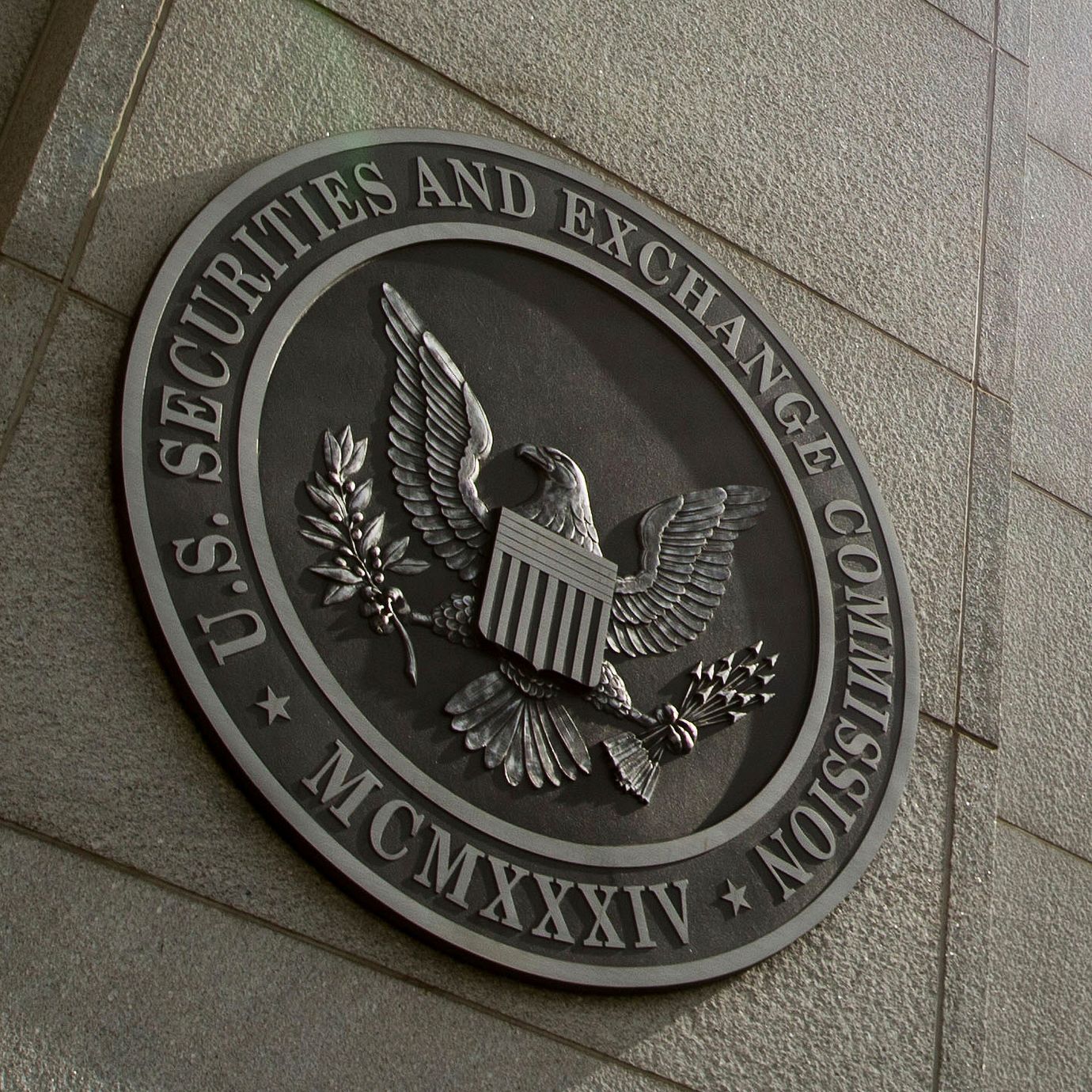
The industry has been working hard to dismantle restrictions on regulated banks getting involved with crypto, lobbying to overturn SEC Staff Accounting Bulletin 121, which instructs banks to disclose the crypto assets they hold on behalf of customers and to maintain sufficient assets to secure those holdings. The industry denounced the bulletin, saying it made it “impossible” for banks to hold cryptocurrencies. It persuaded national lawmakers to introduce a bill in February 2024 that would not only overturn the commission’s guidance wholesale but prevent it from putting up similar guardrails going forward. The attempt to revoke the bulletin passed in Congress but was ultimately vetoed by President Joe Biden, who expressed concern that it would “jeopardize the well-being of consumers and investors” and hamstring the SEC.
Under Trump, no such vetoes are likely to prevent Congress, with its increasing ranks of pro-crypto lawmakers, from peeling back the SEC’s authority. Congress can also be expected to try again to move regulatory authority to the Commodity Futures Trading Commission, a much smaller and underfunded regulator with limited experience overseeing markets composed primarily of retail investors. This shift, combined with the likely appointment of a crypto-friendly CFTC chair, would end any hope of meaningful oversight of the crypto industry.
No amount of self-regulation prevented Bankman-Fried from squandering billions of dollars of his customers’ money
The incoming administration is also likely to target the Consumer Financial Protection Bureau, which was created in the wake of the 2008 crisis to combat predatory behavior in the finance industry. Venture capitalist and recent political megadonor Marc Andreessen has railed against the CFPB, erroneously claiming it was responsible for a campaign of “debanking” that unfairly targeted cryptocurrency and fintech firms. (Incidentally, CFPB director Rohit Chopra has condemned “shady practices” at Synapse, a company that Andreessen’s firm, Andreessen Horowitz, had invested in. When Synapse filed for bankruptcy in April, tens of thousands of people were left without access to their money.) After the election, Elon Musk said the government should “delete CFPB.” Doing so could dramatically limit, if not eliminate, the government’s ability to ensure fairness in consumer financial services, including in areas where it’s already expressed concern, such as digital payments and crypto gaming.
The industry’s lobbying is strikingly similar to that of former FTX Chief Executive Officer and current federal inmate Sam Bankman-Fried. Before his company’s collapse and the exposure of the massive fraud lurking just under its surface, Bankman-Fried hobnobbed with congresspeople to pitch his vision for legislation that he claimed would fill regulatory gaps while allowing the crypto industry to flourish. He publicly spent around $40 million on campaign contributions. Later it came out that he had spent closer to $100 million, funneling the difference through “dark money” channels and illegal straw donors.

Although Bankman-Fried and others in crypto said his lobbying would benefit both the industry and consumer protection, critics worried that his efforts were merely self-serving attempts to pay off lawmakers to elevate FTX’s business interests. In reality, the proposals would have reduced regulatory oversight of crypto firms, in some cases leaving it up to the industry to “self-regulate” or follow self-imposed “standards.” No amount of self-regulation prevented Bankman-Fried from squandering billions of dollars of his customers’ money, which has left millions of people without access to their funds for more than two years now.
While the industry has declared itself ready for its mainstream and institutional debut, little has changed to prevent the fraud that’s still rampant within it. Lawmakers who promised to prevent anything like FTX from happening again never passed any legislation to do so. Some of them have since cozied up to the industry and agreed to work to undermine any real protections. And although crypto executives condemned the 2022 events and lamented the damage to their reputation, they’ve opposed new ideas for legislation to increase consumer protections.
It could threaten retirement savings and pension funds, even the broader banking system and economy
As more institutions turn their eyes to cryptocurrencies, and as surging prices tempt a wave of retail investors to buy in as they hope for huge returns, the stakes have never been higher. Prices could continue to go up, powered by the sugar high of having believers in power continues. But the industry’s massive influence campaign hasn’t changed the fundamental risks or the widespread fraud. Another washout could be more devastating to even more people. It could threaten retirement savings and pension funds, even the broader banking system and economy.
There’s a chance that when that happens, crypto will have grown so enmeshed with the rest of the financial world that a collapse in once-fringe speculative digital assets must be prevented at any cost. Will the industry’s endemic fraud and risk-taking ultimately be backstopped by government bailouts, funded by taxpayers who may themselves have no exposure to crypto assets? It certainly seems that the believers now descending on Washington are closer than ever to their goal of taking over the financial system. At that point, they may be too big to fail.
More stories like this are available on bloomberg.com
©2024 Bloomberg L.P.