Merkels skugga vilar tungt över det tyska valet
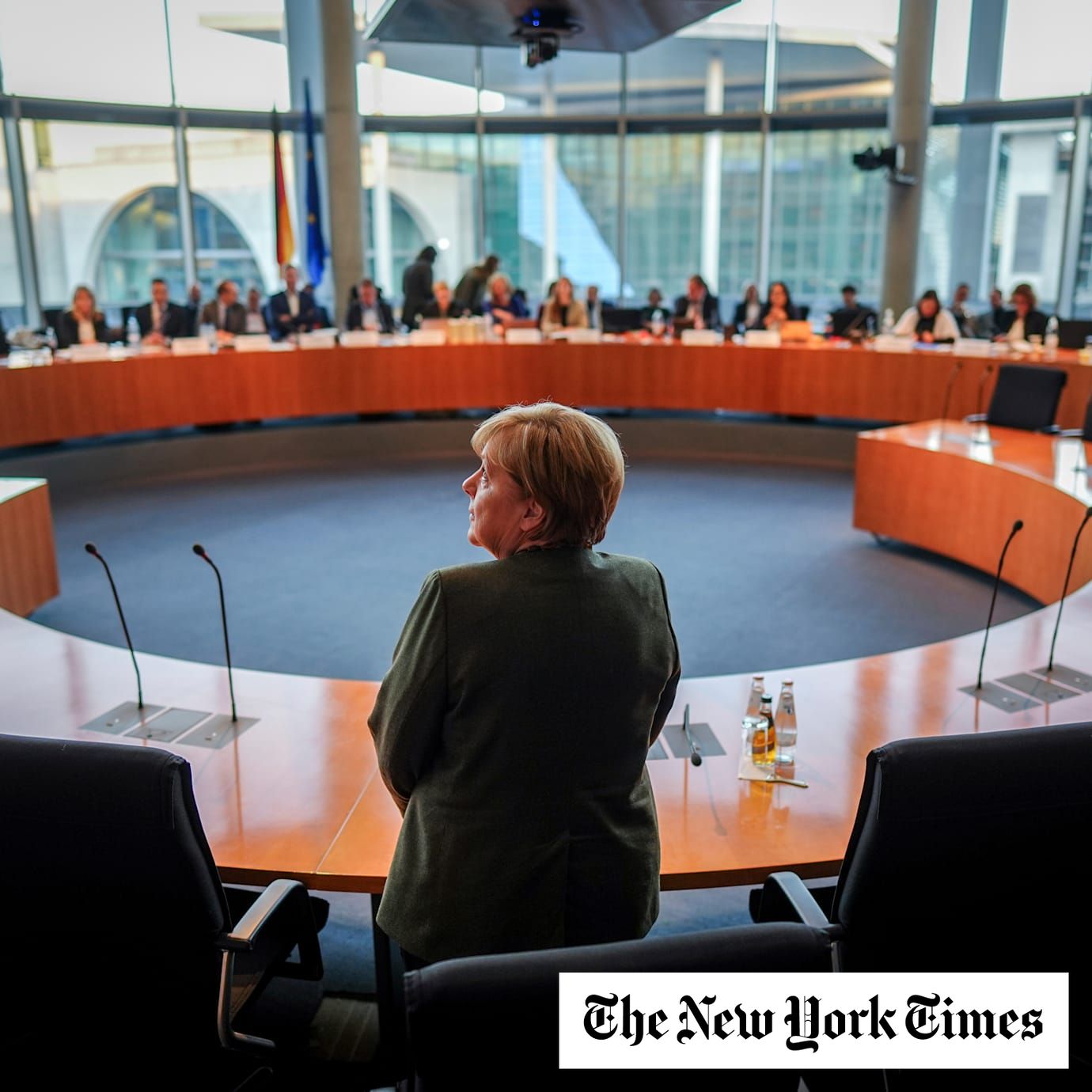
Inför det tyska valet nästa söndag står Angela Merkels arv i centrum för debatten. Den tidigare förbundskanslerns migrationspolitik och beslut om energin möter hård kritik – även från hennes eget parti CDU. Samtidigt gör hennes fortsatta offentliga utspel det svårare för den favorittippade partikamraten Friedrich Merz att ta över rodret.
The New York Times beskriver hur partierna i valrörelsen förenas av en gemensam vilja att ta avstånd från Merkel. Med en växande högeropposition och ett ökande missnöje med ekonomin ställs frågan: Har Merkel-eran lämnat Tyskland i en politisk återvändsgränd?
 The New York Times
Angela Merkel Is Retired. But She’s Still on the Ballot.
If anything unites the parties in Germany’s election campaign, it is running away from the former chancellor, whose legacy voters have soured on.
BERLIN — A chorus of criticism greeted Friedrich Merz, the favorite to become Germany’s chancellor, last month when he broke a taboo against working with a hard-right party to pass legislation. But it was a lone voice of dissent that rocked the country’s political scene: Angela Merkel, the once-beloved former chancellor, who called Merz’s decision simply “wrong.”
Merkel and Merz have famously jockeyed to lead Germany’s Christian Democrats for much of this century. Merkel won the early rounds, served 16 years as chancellor, and retired in 2021. Merz finally has a chance to win her old job in elections this month.
But Merkel is complicating his efforts — both with her open critiques and, more important, with a policy legacy that German voters have soured on.
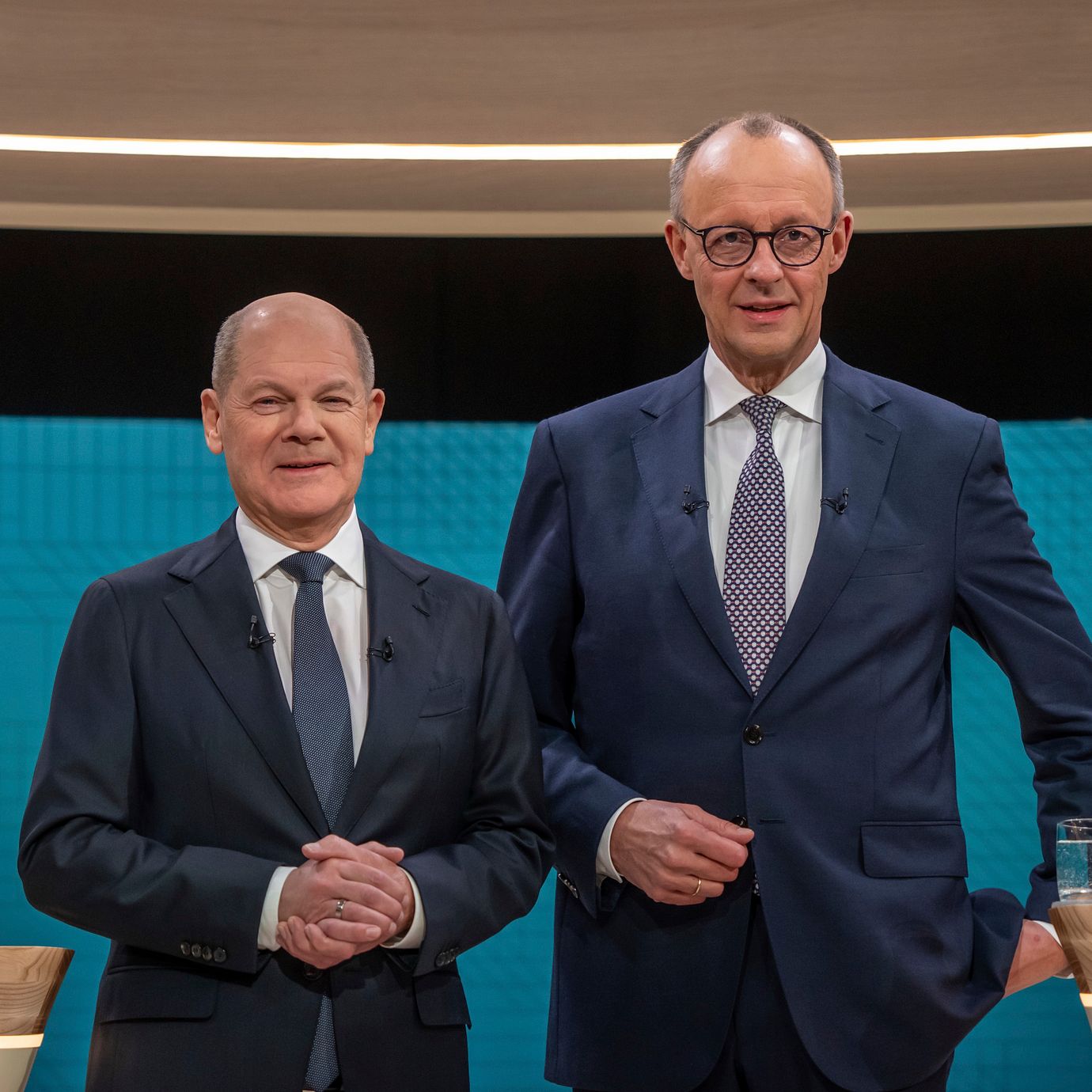
The German election is animated by concerns over a stagnant economy, a decade-long surge of immigration, high energy prices and tenuous national security, with Russia waging war to the east and President Donald Trump threatening to upend NATO from the West. The problems have led to a reconsideration of Merkel and how she steered Germany.
It was Merkel who kept Germany’s borders open starting in 2015, allowing what became millions of refugees from Syria, Afghanistan and elsewhere to settle. That move has spurred a backlash among German voters. Many political leaders blame it for the rise of the hard-right party Alternative for Germany, or AfD, which has campaigned relentlessly on deporting certain immigrants and sits second behind the Christian Democrats in national polls.
It was Merkel who agreed to shut down the country’s nuclear power plants and increase Germany’s reliance on imported natural gas from Russia, helping to create an electricity price spike and a security crisis years later, after Moscow decided to turn off the taps following its full-scale invasion of Ukraine in 2022.
43% of Germans now say Merkel’s policies were bad for the country, compared with 31% who say they were good
And it was Merkel who, economists say, underinvested in revitalizing Germany’s critical infrastructure, contributing to what German business leaders often call a competitiveness crisis. She also pushed for deepened trade with China and the rest of the world. That bet on a globalized business model that has gone bad in a new age of populist protectionism by countries like the United States and increased competition from low-cost Chinese imports for Germany manufacturers.
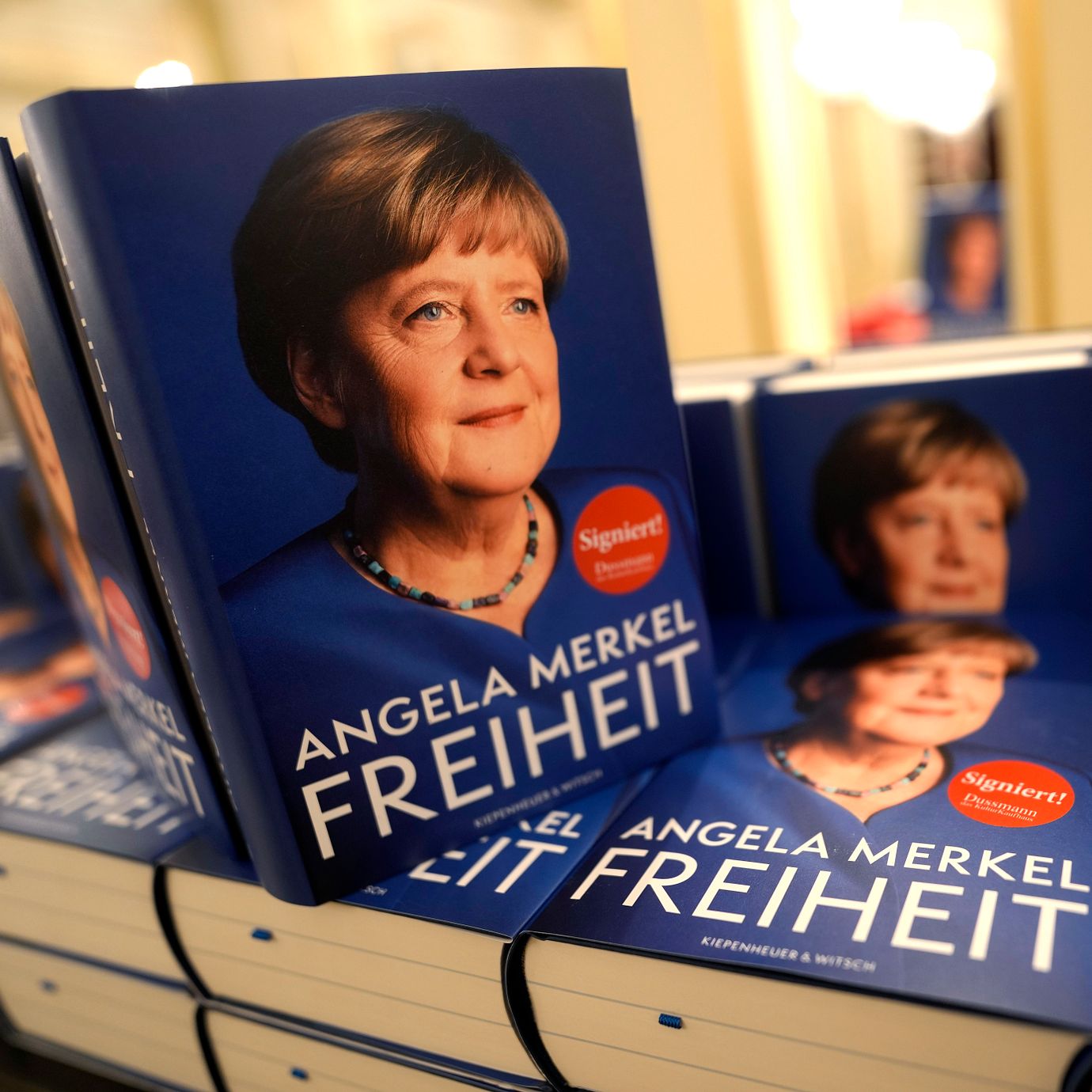
In the waning weeks of the campaign, Merkel is taking criticism from all sides of the contest. Her memoir did not make the splash many analysts expected when it was released last fall. A poll released last week by the Bild news organization, conducted by the research agency INSA, found 43% of Germans now say Merkel’s policies were bad for the country, compared with 31% who say they were good.
In many ways, Merkel finds herself in a similar historical position to that of President Bill Clinton in the United States. She was once the most popular leader of her generation, on the strength of overseeing an economic boom. Now, like Clinton, who has seen public opinion turn strongly against his moves to sign NAFTA and throw open trade with China, she finds her legacy under attack.
She is responding with few regrets, and, with the election looming, by criticizing Merz.
That criticism has drawn a backlash, and a renewed focus on Merkel, even though she is not running for a parliamentary seat this month.
“Merkel’s book and her recent public statement are, unfortunately, more about insisting on being right than about providing working solutions to people’s current problems,” said Nico Lange, a former chief of staff to one of Merkel’s defense ministers. Her actions, he added, were “therefore perceived negatively, even by most of her former supporters.”
No single policy action is driving German voters in this election more than Merkel’s refugee decision in 2015.
At the time, Merkel praised the German public for embracing downtrodden migrants, even those who did not qualify for official refugee status. But German society has been strained by a decade-long influx of migrants who arrived with little or no German language knowledge, and who have often received significant social assistance.
A series of seemingly unrelated deadly attacks, carried out by immigrants in Germany cities over the last year, has vaulted migration to the top of voter concerns along with the economy.
Analysts roundly agree that attention has helped the AfD, parts of which have been classified as extremist by German intelligence.
Merz was attempting to address voters’ migration concerns when he pushed a package of tough-on-migration measures in parliament late last month, breaking a postwar consensus against working to pass laws with parties deemed extreme.
Merkel’s decision to allow refugees to flow freely into the country “was just a big shock to Germany that we’re still grappling with, that explains some of the politics today,” said Cornelia Woll, a political scientist who is the president of the Hertie School, a private university in Berlin. “I think it’s fair to say, did we bite off more than we could chew?”
Economic research has generally found immigrants boosted the size of Germany’s economy over the past decade, by working and by spending money. By some measures, the nation has been more successful than many of its peers in helping immigrants integrate and learn the local language.
A report last year from the Organization for Economic Cooperation and Development found that the employment rate for immigrants in Germany hit 70% in 2022, a record and much higher than most other European Union countries.
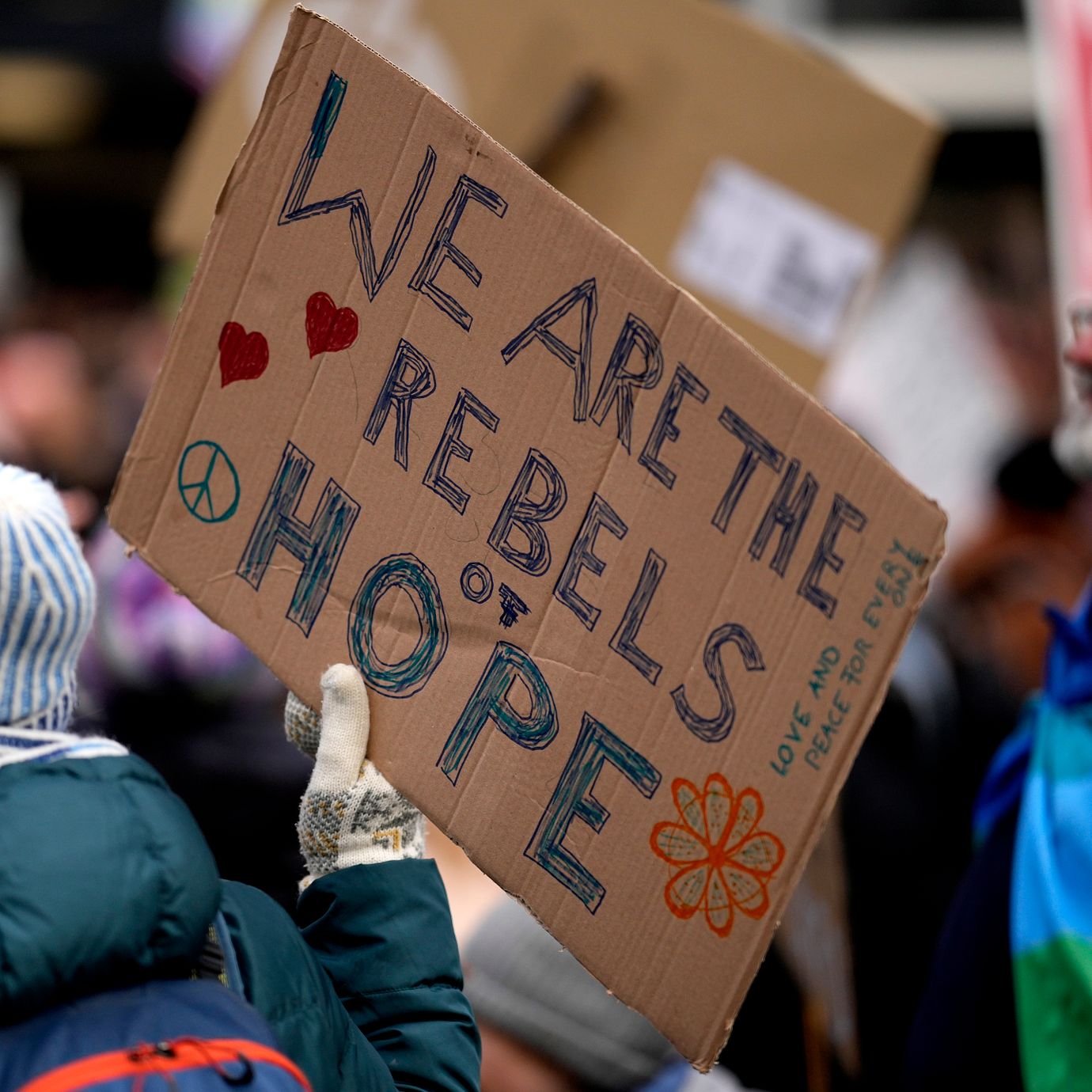
Still, polls have shown rising voter unease with migration and crimes committed by immigrants. Politicians, including a wide range of chancellor candidates in this election, have increasingly responded by denouncing Merkel’s policies of welcome.
Alice Weidel, the chancellor candidate for the AfD, repeatedly raised and disparaged Merkel last month in an interview with billionaire Elon Musk on his social media platform X.
Christian Lindner, the chancellor candidate for the pro-business Free Democrats, said in an interview that some German parties “have still not recognized what the overriding interest of the people in this country is — namely, a break with Merkel’s policies.”
Even Merz has piled on. “We find ourselves left with the tatters of 10 years of misguided asylum and migration policy in this country,” he said last month, impugning both Chancellor Olaf Scholz and Merkel.
Merz and his Christian Democrats joined the AfD to pass a mostly symbolic migration measure late last month; a second vote, aiming to toughen the migration law, ultimately failed amid some defections by party members.
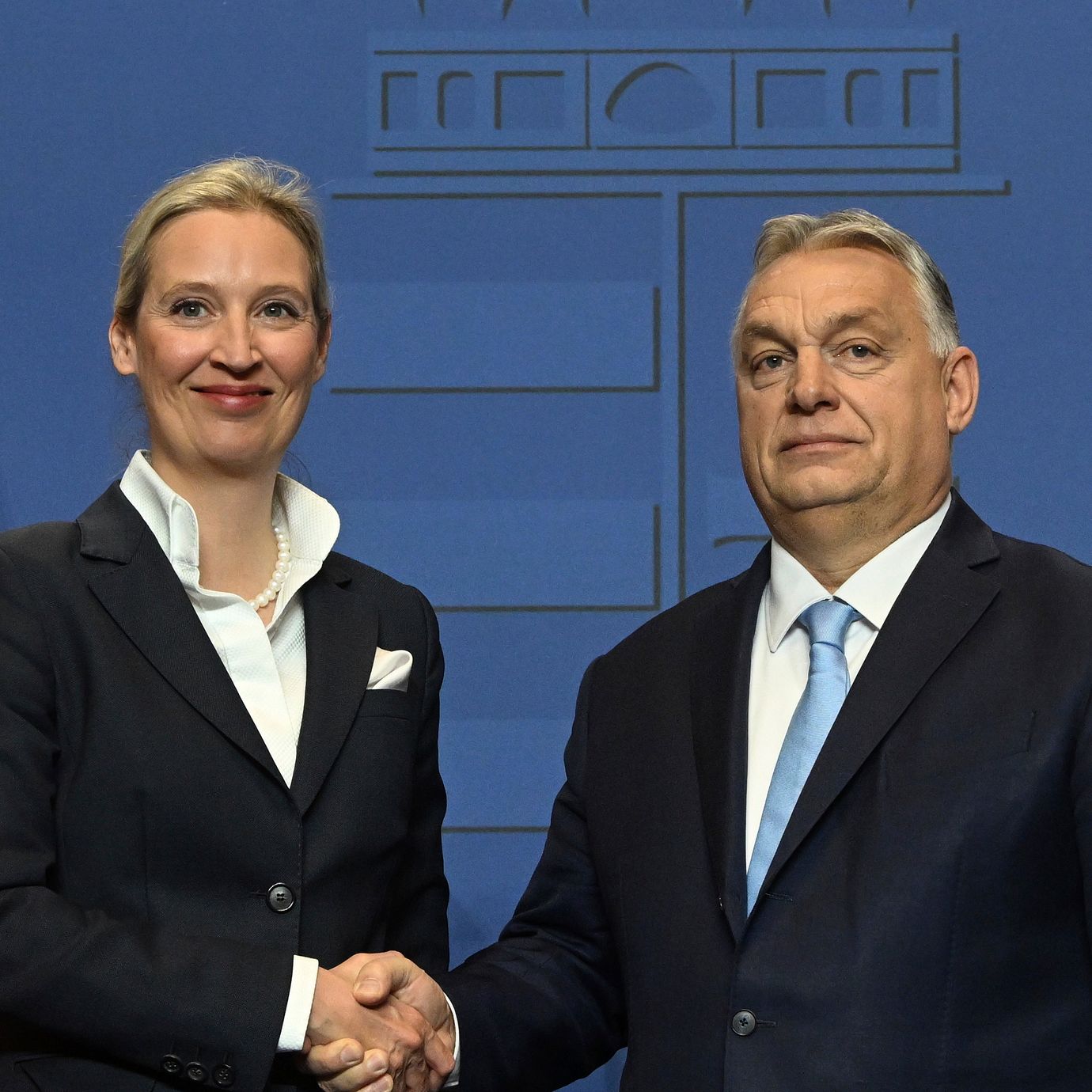
Merkel’s criticism of Merz came just before the final vote and further strained her relationship with the party they share. Merkel declined to take an honorary party position after her retirement, as is often customary, and rarely appears at party events.
It also contributed to an image of stubbornness that has defined Merkel’s time out of office.
“She really does not recognize her mistakes,” said Stefan Meister, the head of the Center for Order and Governance in Eastern Europe, Russia and Central Asia at the German Council on Foreign Relations. “I think this is, for me, really crucial.”
In her autobiography, “Freedom,” Merkel seemingly blamed her successors in German’s mainstream political parties for aiding the rise of the AfD, by tacking to the right on its signature issue.
“The democratic parties have considerable influence over how strong AfD can become in practice,” Merkel wrote. “I am convinced that, if they assume they can keep it down by appropriating its pet topics and even trying to outdo it in rhetoric without offering any real solutions to existing problems, they will fail.”
And while she conceded few major errors on policy issues, Merkel’s book contained some broad admissions of fallibility.
“I know that I am not perfect and make mistakes,” she wrote, about halfway through its nearly 700 pages.
Near the end, she added, “A chancellor should never have to apologize too often, but neither should they shy away from doing so when unavoidable, for fear that it could be interpreted as weakness.”
© 2025 The New York Times Company. Read the original article at The New York Times.