Musk hyllar högerledare och får fördelar för sina företag
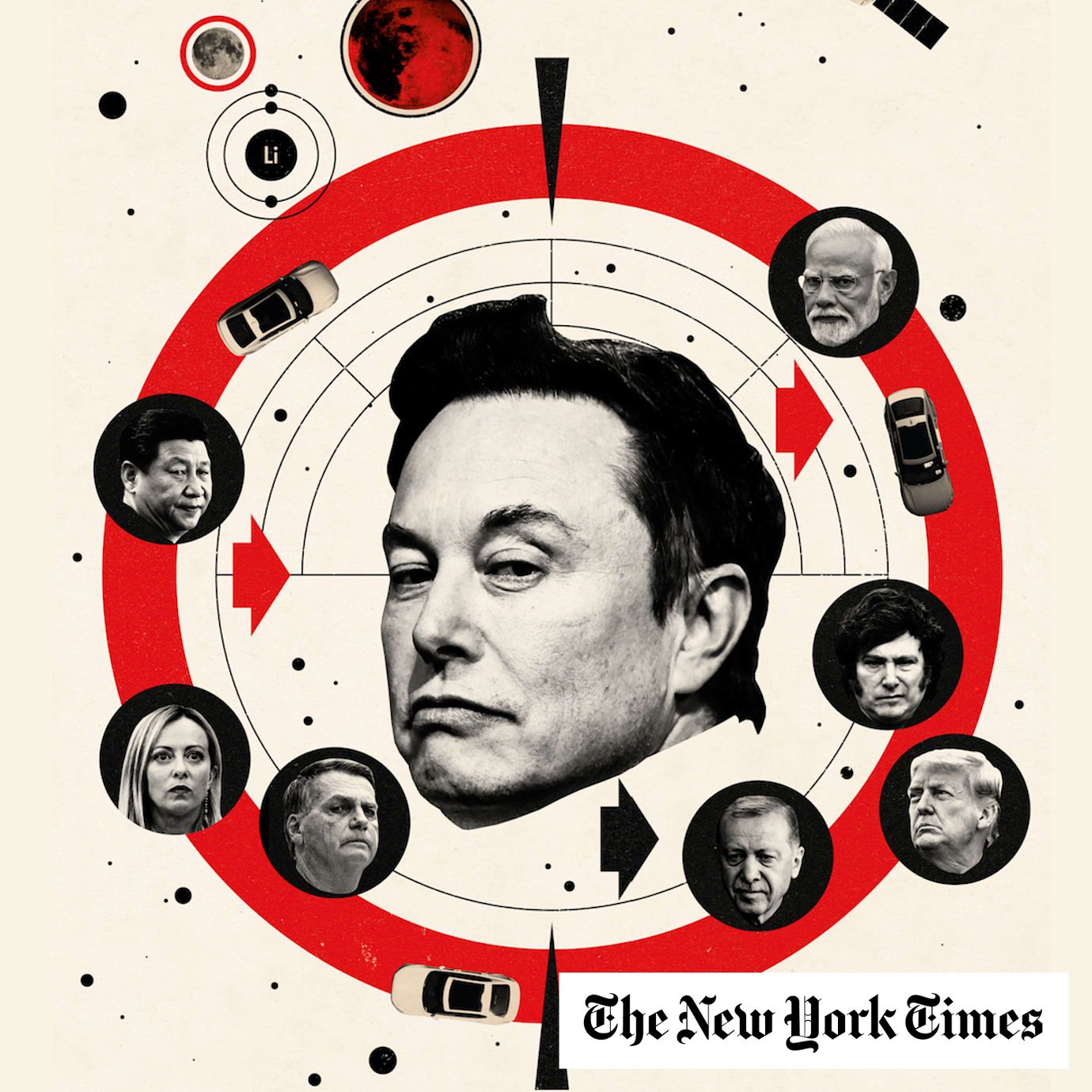
Med hjälp av inlägg på X har Elon Musk hyllat internationella högerledare som Indiens Narendra Modi, Argentinas Javier Milei och Brasiliens expresident Jair Bolsonaro.
Under privata möten har han sedan pressat dem för att vinna fördelar för sina andra företag: Tesla och Space X. Det visar en genomgång gjord av The New York Times.
”Ingen annan amerikansk megamiljardär har så öppet knutit ideologiska band till världsledare för att främja sin personliga politik och sina egna affärer”, skriver tidningen.
Elon Musk’s Diplomacy: Woo Right-Wing World Leaders. Then Benefit.
Mr. Musk has built a constellation of like-minded heads of state — including Argentina’s Javier Milei and India’s Narendra Modi — to push his own politics and expand his business empire.
Minutes after it became clear that Javier Milei had been elected president of South America’s second-largest nation in November, Elon Musk posted on the social platform X: “Prosperity is ahead for Argentina.”
Since then, Musk has continued to use X, which he owns, to boost Milei. The billionaire has shared videos of the Argentine president attacking “social justice” with his 182 million followers. One doctored image, which implied that watching a speech by Milei was better than having sex, is among Musk’s most viewed posts ever.
Musk has helped turn the pugnacious libertarian into one of the new faces of the modern right. But offline, he has used the relationship to press for benefits to his other businesses, electric carmaker Tesla and rocket company SpaceX.
“Elon Musk called me,” Milei said in a television interview weeks after taking office. “He is extremely interested in the lithium.”
Musk has declared lithium — the silvery-white element that is the main component in Tesla’s car batteries — “the new oil.” Tesla has long bought lithium from Argentina, which has the world’s second-largest reserves. Now Milei is pushing for major benefits for international lithium miners, which would likely give Tesla a more stable — and potentially cheaper — flow of one of its most critical resources.
Milei is part of a pattern by Musk of fostering relationships with a constellation of right-wing heads of state, with clear beneficiaries: his companies and himself.
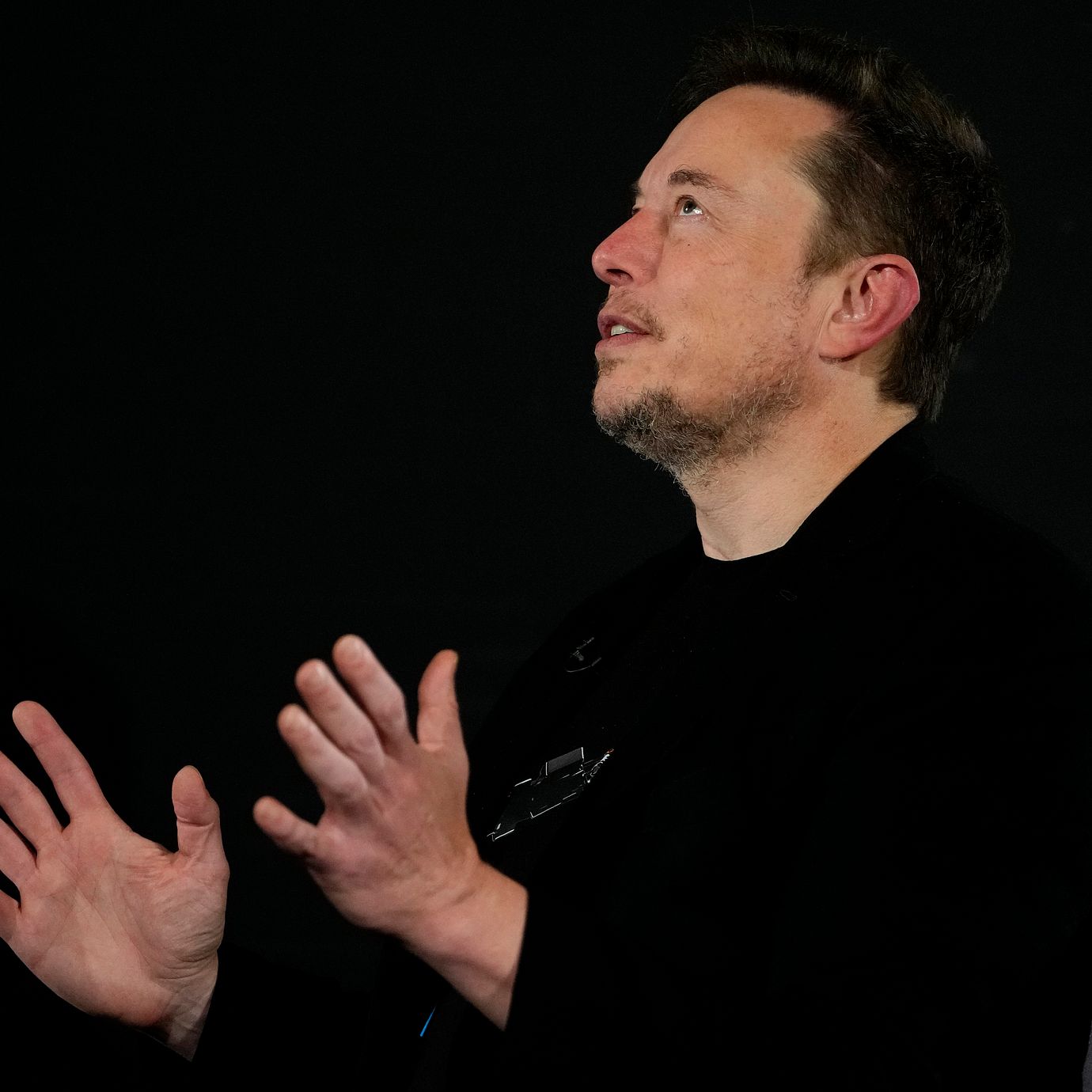
Musk, 52, has repeatedly used one piece of his business empire — X, formerly known as Twitter — to vocally support politicians such as Milei, Jair Bolsonaro of Brazil and Narendra Modi of India. On the platform, Musk has backed their views on gender, feted their opposition to socialism and aggressively confronted their enemies. Musk even personally intervened in X’s content policies in ways that appeared to aid Bolsonaro, two former X employees said.
Musk, in turn, has pushed for and won corporate advantages for his most lucrative businesses, Tesla and SpaceX, according to an examination by The New York Times. In India, he secured lower import tariffs for Tesla’s vehicles. In Brazil, he opened a major new market for Starlink, SpaceX’s satellite internet service. In Argentina, he solidified access to the mineral most crucial to Tesla’s batteries.
Musk’s endorsement has given many nationalist and right-wing heads of state more international cachet, which they have eagerly promoted as a validation of their policies and popularity. Last month, as India began holding an election, Modi prepared to host Musk in New Delhi, calling the billionaire’s visit a testament to his leadership.
“People are coming, and they are trusting me,” the Indian prime minister said in a televised interview before Musk postponed his trip.
Musk, Tesla, SpaceX and X did not respond to requests for comment.
India: A Long Game
In September 2015, Musk welcomed Modi to Tesla’s factory in Fremont, California. Modi, a Hindu nationalist politician, had been elected India’s prime minister a year earlier when his Bharatiya Janata Party swept to power, and was visiting the United States to meet business leaders.
Standing under Indian and U.S. flags at the factory, Musk and Modi posed for photographs near a gleaming red Model S car. They discussed how “solar panels and battery packs” could power rural regions in India without electrical lines, Musk said at the time.
“I understood his vision,” Modi later said.
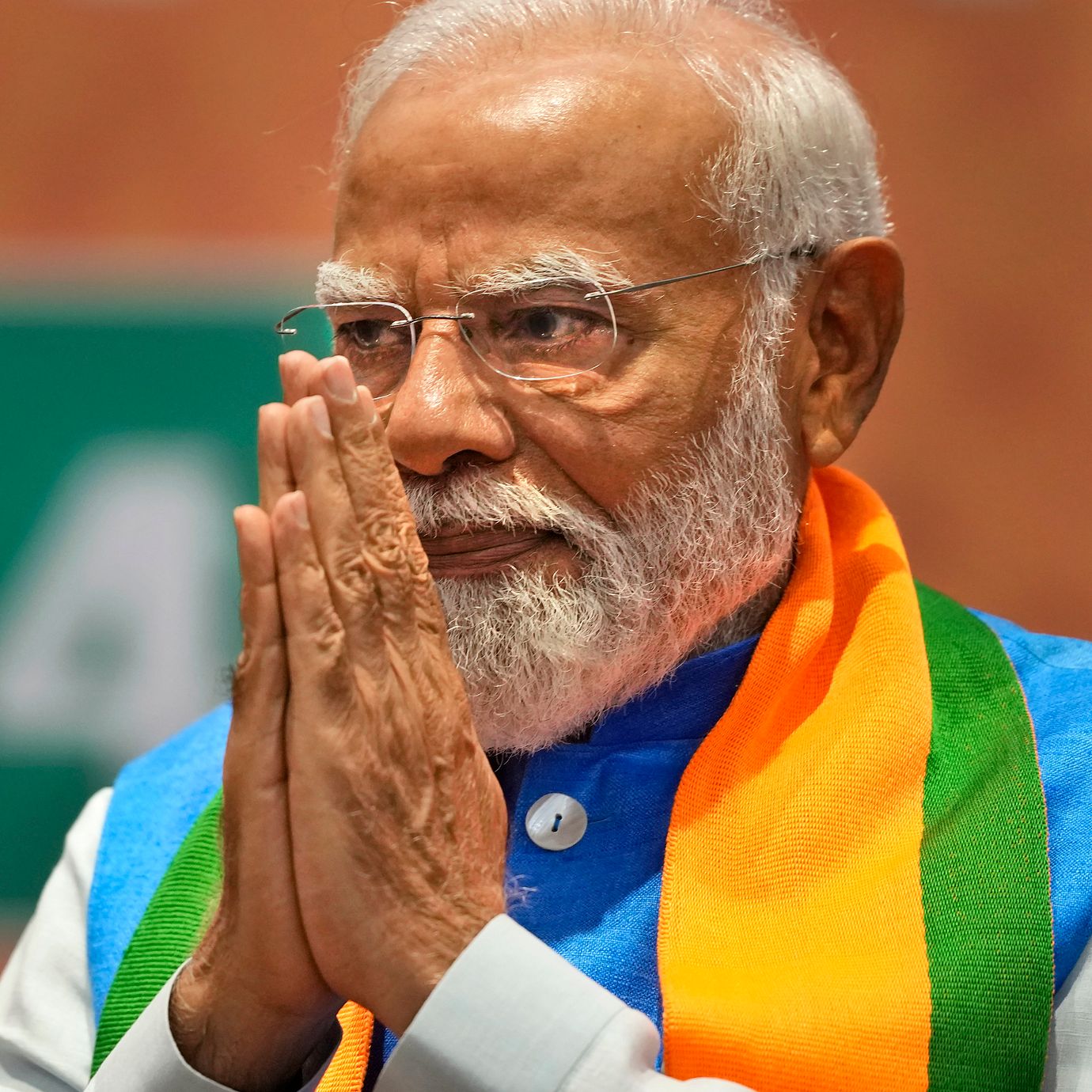
It was one of the first instances of Musk’s publicly meeting a nationalist leader. And it was the beginning of a long game between him and Modi, a relationship that took years to develop — and that started paying off for Musk after he bought Twitter.
India is a potentially massive market for Tesla, which needs to expand to new regions to grow. But the country has virtually barred electric vehicles built by foreign manufacturers. In recent years, the tariff India imposes on imported electric vehicles has risen as high as 100%.
Musk initially used traditional personal diplomacy, meeting with Modi and ordering his staff at Tesla to get close to officials. In 2017, Tesla sent a letter to India’s government to kick-start talks on operating in the country. Another overture to Modi’s government in 2019 was rebuffed, three people with knowledge of the company said.
After Musk bought Twitter in 2022, he had a new lever. The platform is widely used in India — including by Modi, who has nearly 98 million followers — and is a major forum of political discussion.
In January, Musk posted on X that India should receive a permanent seat on the United Nations Security Council
Musk met Modi in person again last June when the prime minister visited New York. He called himself a “fan of Modi” and said Modi was “pushing us to make significant investment in India, which is something that we intend to do.”
By then, Tesla employees were again talking with Modi’s advisers about a reduction in tariffs and investing in India, two people familiar with the conversations said. Rohan Patel, who was Tesla’s vice president of public policy and business development, traveled to India several times, and Piyush Goyal, India’s commerce minister, visited the Fremont factory in November.
In January, Musk posted on X that India should receive a permanent seat on the United Nations Security Council, which would boost India’s international standing. “India not having a permanent seat on the Security Council, despite being the most populous country on Earth, is absurd,” he wrote.
The timing suggests that Modi noticed. Two months later, India announced it was reducing some import duties for electric carmakers that committed at least $500 million to produce vehicles in the country. The policy dropped tariffs to 15% of a car’s price from 100%, specifically for electric vehicles that retail for more than $35,000.
The description fit Tesla to a T. Its Model 3 cars ship at $38,990. BYD, the fast-growing Chinese electric vehicle maker, is barred from investing in India on national security grounds.
Brazil: ‘True Legend of Freedom’
By 2021, Musk was employing a similar courtship to bring his Starlink satellite internet service to Brazil, which was then led by Bolsonaro, the right-wing populist president elected three years earlier. At the time, Starlink was in its infancy, with fewer than 150,000 users across 25 countries.
In October 2021, Fábio Faria, Brazil’s communications minister and an organizer of Bolsonaro’s reelection campaign, sent a letter to Musk, saying that “Starlink and Brazil can become great partners,” according to correspondence obtained through the country’s open records laws.
Weeks later, Faria visited Musk in Texas. After returning to Brazil, Faria pushed regulators to approve Starlink, at one point urging Brazil’s space agency to stay out of any debate about SpaceX’s satellites over the country, he later testified to Brazil’s Congress.
Brazil’s regulators approved Starlink for operation in December 2021, seven months after the service first applied. It was the fastest of five approvals that regulators granted to satellite internet providers.
Musk later lent a hand to Bolsonaro, who faced an uphill battle in his 2022 reelection campaign.
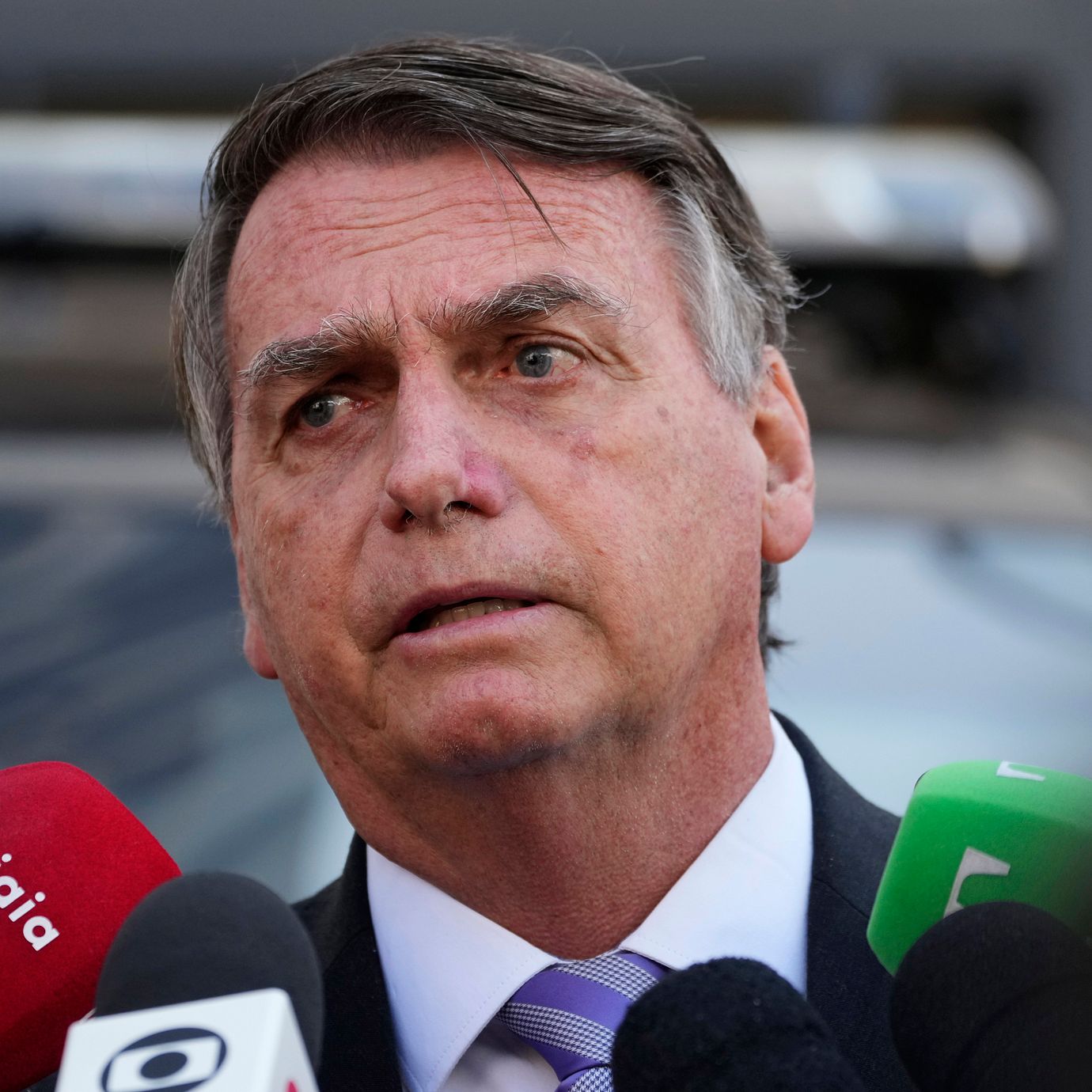
On May 20 that year, Musk made a surprise trip to Brazil for a major announcement alongside the president. Starlink was coming to the country, and it would provide internet connectivity to 19,000 rural schools, as well as environmental monitoring of the Amazon, they said at an event in a resort near Sao Paulo. Bolsonaro gave Musk a medal and called him a “true legend of freedom” for his bid that year to buy Twitter.
There was just one catch: The plan to connect schools never materialized, said Carlos Baigorri, Brazil’s chief telecommunications regulator, who helped approve Starlink’s entry into the country. “I don’t really think that it even existed,” he said of the plan.
Brazilian officials said they had no record of Starlink’s connecting Brazilian schools for free or conducting environmental monitoring.
Musk’s favor did not prevent Bolsonaro from losing the presidency
Musk and Bolsonaro benefited anyway. Musk had entrenched SpaceX in a critical market, where Starlink now has 150,000 active accounts, according to Brazil’s telecommunications regulator. Bolsonaro’s campaign got to promote the president’s business acumen and cast him as a defender of the Amazon before an election.
Musk’s favor did not prevent Bolsonaro from losing the presidency to Luiz Inácio Lula da Silva, Brazil’s leftist former president, in October 2022. But within weeks, Musk, who had just completed his deal for Twitter, tried helping Bolsonaro again.
Bolsonaro’s supporters had started pushing accusations on Twitter that Brazilian judges had tilted the election by ordering social networks to remove right-wing posts and accounts. As they camped outside military bases demanding the election be overturned, Musk fed their suspicions by suggesting that Twitter’s former bosses had contributed to Bolsonaro’s defeat.
“It’s possible that Twitter personnel gave preference to left wing candidates,” he posted in December 2022, without citing any evidence. He later wrote that the company “may have people on the Brazil team that are strongly politically biased.”
Argentina: A Meeting of the Minds
In 2022, one of Tesla’s lithium suppliers announced a $1.1 billion investment to expand in Argentina. Since then, Musk has taken a keen interest in Argentine politics — and particularly Milei — leading to one of the most pronounced bromances among Musk’s political relationships.
Milei “would be quite a change,” Musk wrote on X in September in response to a post from former Fox News host Tucker Carlson, who had called the then-candidate “Argentina’s next president.”
Milei, a libertarian economist and TV pundit, campaigned on getting the government out of the economy and tying Argentina more closely to the United States. Like Musk, he frequently insults critics, has an intense social media habit and is deeply worried about the threat from “woke” culture.
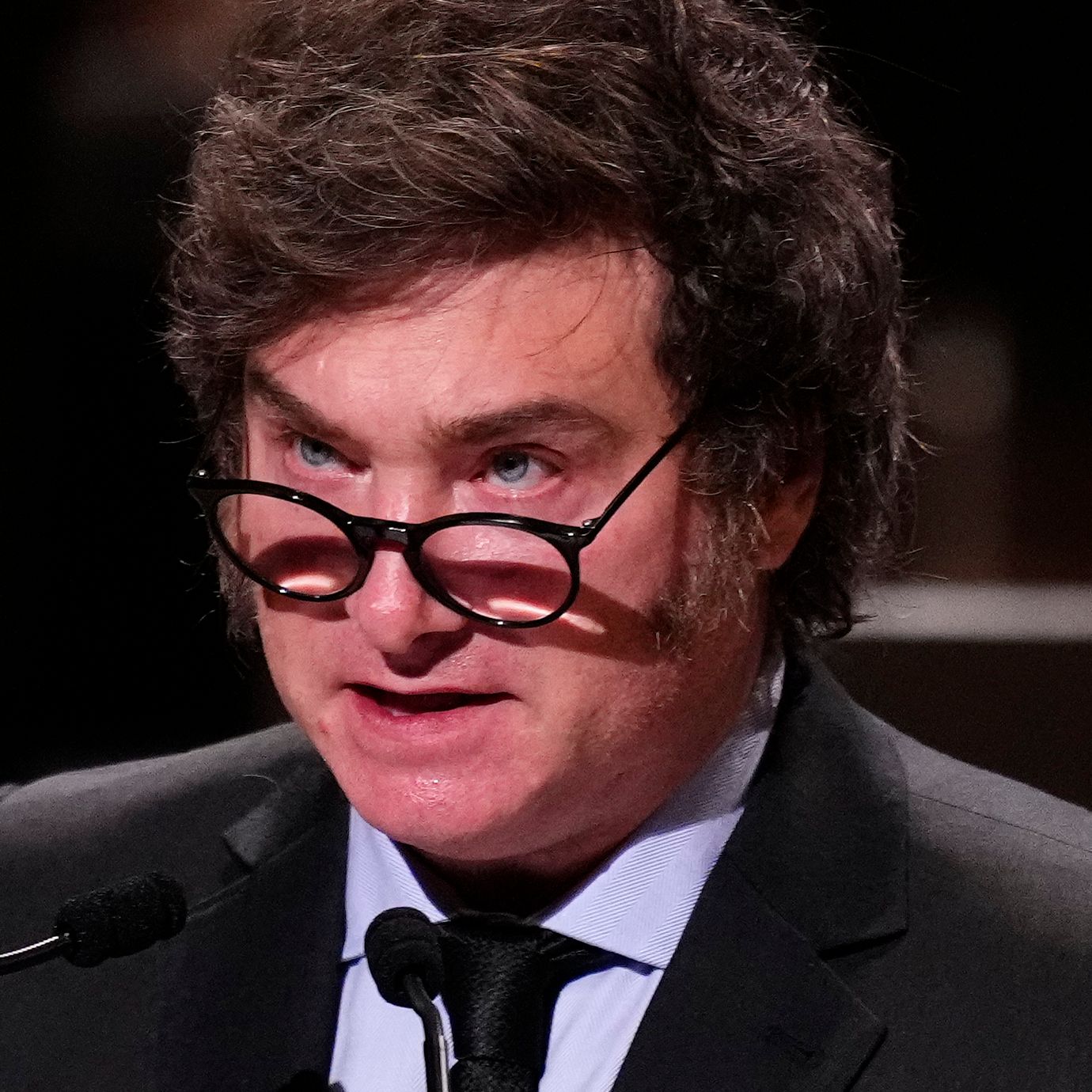
Days before Milei’s inauguration in December, they spoke directly for the first time, and Musk asked about Argentina’s lithium. In the months since, Milei has been pushing legislation that would make extracting Argentina’s lithium far more attractive to foreign investors.
His sweeping bill, which would grant him broad emergency powers over Argentina’s economy and energy for the next year, includes a major benefit for Tesla: significant incentives for foreign investors in large projects, particularly in mining.
Milei’s plan would give Tesla unusual stability and predictability in its access to lithium in Argentina until at least 2054
Such companies would receive substantial tax cuts, customs exemptions and foreign-exchange benefits, as well as tax and regulatory certainty for the next 30 years. Tesla’s lithium supplier is likely to qualify. If so, Milei’s plan would give Tesla unusual stability and predictability in its access to lithium in Argentina until at least 2054.
The proposal passed Argentina’s lower chamber of Congress on April 30.
Musk has already seen other dividends from Milei. In one of his first acts as president, Milei passed an executive order with 366 provisions. When summarizing the highlights of the order in a televised address, Milei mentioned just one corporate brand by name: Starlink.
SpaceX had pushed for Starlink’s approval in Argentina since 2022, but faced a bureaucratic jam. Milei quickly cut regulations on satellite internet, and Starlink began operating in the country in March.
© 2024 The New York Times Company. Read the original article at The New York Times.