Nissans vd om fordonskrisen: ”Varje morgon är skrämmande”
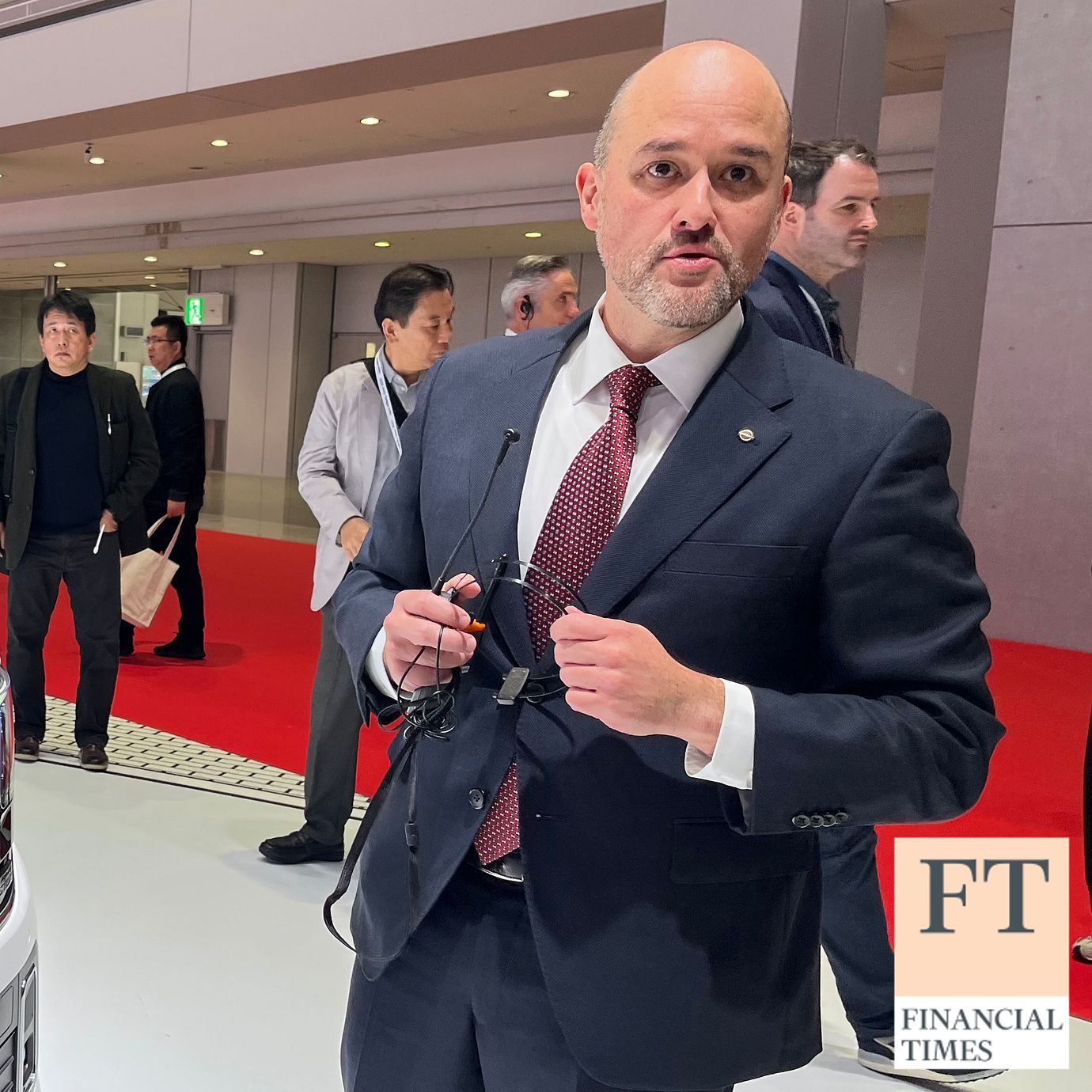
Nissan försöker ta sig ur sin djupaste kris på årtionden, men pressas av kinesiska elbilstillverkare, tullar och ett snabbt teknikskifte.
Vd Ivan Espinosa har redan lagt fram en hård saneringsplan med fabriksstängningar och tiotusentals uppsägningar. Nu pekar han ut snabbare utveckling och självkörande teknik som avgörande för bolagets vändning.
– Det händer så många saker varje morgon att det är skrämmande, säger Ivan Espinosa till Financial Times.
 Financial Times
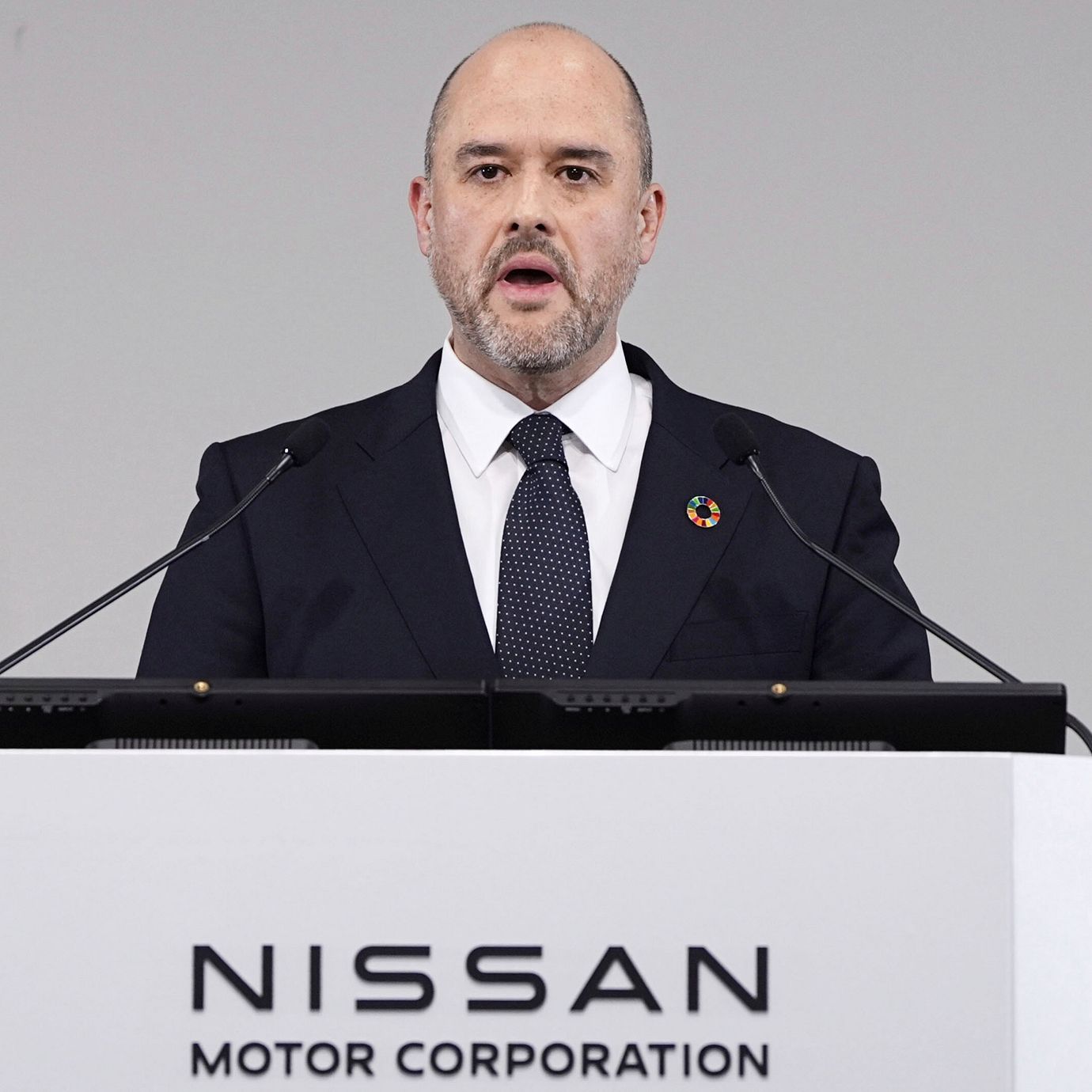
Nissan CEO Ivan Espinosa: ‘So many things happen every morning it’s scary’
Months into restructuring, the carmaker faces new challenges from Chinese rivals and advances in automotive technology.
Last spring when Ivan Espinosa was asked to take the top job at Japanese carmaker Nissan, he first turned to his wife and two children to ask whether they were ready for a big change. Their answer was an unequivocal yes but even with their full support, the 47-year-old Mexican must have wondered what he was getting into.
The company was suffering its biggest financial crisis since former boss Carlos Ghosn rescued it from near bankruptcy in the late 1990s. Its decades-old capital alliance with France’s Renault had failed to live up to the ambitions the two companies initially had to dominate the global automotive industry. Talks last year to merge with rival Honda rapidly unravelled.
And, although Nissan was once a pioneer in electric vehicles with the launch of the first Leaf in 2010, BYD and other Chinese competitors were quickly starting to take market share from it and other legacy carmakers.
“In a way, I think we lost our way,” Espinosa says during a recent visit to Nissan’s technical centre in the UK. “We forgot who we were . . . and we became a financial target company,” he adds, pointing to the pursuit of overly ambitious sales targets during the Ghosn era.
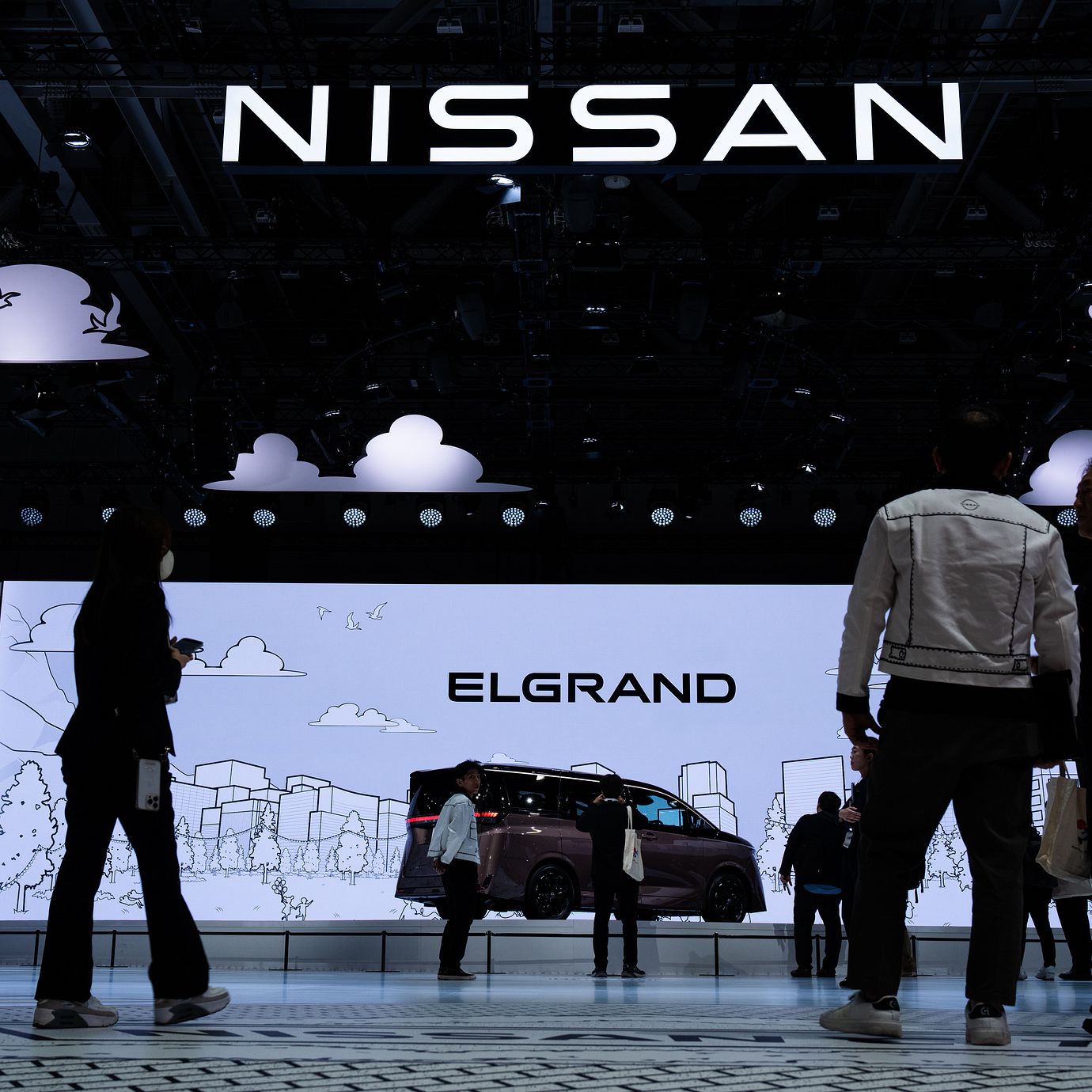
Its problems ran deep but Espinosa says he had a clear idea of what needed to be done. He immediately created a leadership team he could trust, bringing together executives he had worked closely with — including chief performance officer, Guillaume Cartier, and chief technology officer, Eiichi Akashi. Within 90 days of taking over, he unveiled a drastic restructuring plan that involved shutting down seven plants and cutting 20,000 jobs globally.
Beyond the financial challenges, he sought to break down organisational silos that had slowed down decision-making. A toxic corporate culture had made it hard for employees to speak out and there was constant internal fighting and boardroom turmoil following the 2018 arrest of Ghosn on financial misconduct charges that he has denied.
“There was a lot of politics in the past, a lot of tension and a lot of posturing by executives,” Espinosa says. “This is not the case anymore because, simply said, it’s not who we are as leaders.”
Ten months since taking the top job, progress with Nissan’s restructuring measures is steady but there are few signs yet of a meaningful recovery in global sales. The company is expecting an annual net loss of $4.2bn for the financial year to March, which would mark its second consecutive year of heavy losses.
“Despite the launch of new products, it’s still hard to trust their sales target so we’re anticipating about half the level of what they have promised us,” one Nissan supplier says.
“The only way of coping with these things is by being quicker and nimbler”
For Espinosa, a self-described “car guy” engineer whose background is product planning, the next significant task will be laying out a path for future growth after the cost-cutting is done.
The selection of Espinosa, Nissan’s third chief executive since Ghosn’s ousting, came as a surprise for many inside the organisation. He was 46 when appointed in a country where the average age of a CEO is over 60. He was also not Japanese like his two predecessors. “I’ve been almost 25 years at Nissan, so I might not be Japanese, but I was born in this company,” he often jokes.
Still, being foreign and young can bring advantages: “There’s a big hierarchical part in the Japanese culture and age is so important. In my case, it is not relevant because I’m not part of that, so I can go around and ask and question anything.”
Espinosa is also regarded by colleagues as a personable, down-to-earth leader.
Nic Thomas, now UK managing director at Chinese carmaker Changan, met Espinosa in Switzerland when they were working for Nissan in the mid-2010s and later, when they were both assigned to the Yokohama headquarters, asked him to join a rock band called Tempura Crime Scene. Espinosa started off playing the bass guitar before becoming its drummer. Even as CEO, he regrouped with his former band members last year to deliver a birthday song to Thomas with his son as the vocalist.
“He’s clearly got an incredibly brilliant mind but he also has that warmth and openness and lack of ego that he’ll talk to anybody and he’s genuinely interested in what you have to say,” Thomas says.
Espinosa says playing music along with his many other hobbies such as golf and tennis allow him to be “a regular person” again after his daily rigorous work schedule. “Having all these hobbies somehow is helpful because when I am out of work, what I want to do is not to think about work,” he says.
It is not surprising he needs some headspace. Decades after he says Ghosn’s dogged pursuit of market share backfired and weakened the brand, Nissan is facing a potentially bigger existential threat.
The industry is grappling with unprecedented disruption brought by the transition to electric vehicles and frequently evolving climate policies in the US and Europe. Carmakers are at the centre of Donald Trump’s trade war that has unleashed higher tariffs on vehicles made outside the US.
Meanwhile, Chinese rivals have made rapid inroads into Europe and other international markets with affordable EVs and hybrids that are equipped with advanced software.
“There are so many things happening every morning that it’s scary,” Espinosa says. “The only way of coping with these things is by being quicker and nimbler.”
In a drive to match Chinese speed and cost, Nissan has tried to cut the time it takes to develop a new vehicle. For example, its new N7 electric sedan, priced at less than $20,000, launched in China last year after being developed with Nissan’s local partner Dongfeng in about two years.
Day in the life
I get up around 7am and head to the office. If I sleep less than seven hours, my brain is not the same.
From the moment I enter the office, it’s nonstop. It’s not that I sit down and email. I go from one place to the other, things being thrown at you all the time with numbers and everybody knows a lot more than you do. You need to understand quickly and it’s very demanding.
I’m in the office probably until 7.30 or 8pm. When I go home, I just clean up my email. I try to be present at home probably twice a week. The rest of the week, I’m dining with somebody for business. In an ideal world, I would love to play golf or tennis at least twice a month. I am disciplined with the time I go to bed and aim for no later than 11pm.
The model will be exported to the Middle East and other markets from this year in a move that could pave the way for more of its Chinese-built vehicles to be sold outside the world’s largest car market. Espinosa says he wants to bring the learnings in China to Nissan’s operations elsewhere: “We’re now leveraging those capabilities to defend ourselves outside of China.”
Despite those efforts, he does not mince his words about the stark choices he will need to make for the company’s longer-term survival.
“It’s becoming increasingly difficult for companies of our size to remain relevant in this environment,” he says. “You need to remain open and flexible.”
With annual sales of just over 3mn vehicles, partnerships will be critical. Nissan’s French partner Renault already announced a new tie-up with Ford to jointly produce small electric cars and vans in Europe and has an agreement with China’s Geely on a combustion engine business. Rival Stellantis has invested a 20 per cent stake in Leapmotor and helped the Chinese start-up expand its sales in Europe.
As part of a technology tie-up, Nissan recently invested in UK self-driving start-up Wayve and will use its autonomous driving systems.
With the critical phase of its restructuring programme nearly complete, Espinosa is preparing to unveil a longer-term strategy to strengthen Nissan’s competitiveness. At the centre of the plan, he suggests, will be its ambitions for autonomous driving: “I think Nissan is in a very unique position to become the Japanese leader of intelligent mobility.”
So far, carmakers have struggled to match the heavy investments made by tech rivals such as Waymo and Tesla in the autonomous space while Chinese competitors are already bringing down the prices of robotaxis. Rival executives say Nissan will probably need more than technology partnerships to keep pace with the advancements.
Asked whether he could preside over the sale of Nissan to a rival, potentially even Chinese, Espinosa is blunt: “Anything can happen in this crazy world,” he warns.
©The Financial Times Limited 2026. All Rights Reserved. FT and Financial Times are trademarks of the Financial Times Ltd. Not to be redistributed, copied or modified in any way.