Så fortsätter Kinaberoendet trots USA:s handelspolitik

USA:s Kinaimport har minskat från nästan 22 procent när den var som högst 2017 till runt 13 procent. Och amerikanska direktinvesteringar i Kina var förra året nere på den lägsta nivån på 20 år. Men en närmare analys visar på en mer komplex bild av USA:s Kinaberoende, skriver The Wall Street Journal.
En stor andel av de produkter som USA importerar från platser som Sydostasien eller Mexiko är antingen tillverkade i kinesiskägda fabriker eller av komponenter som kommer från Kina. I stället för att ha frånkopplats från Kina har flera leverantörskedjor i själva verket bara blivit längre, skriver WSJ.
 The Wall Street Journal
U.S. Companies Are Finding It Hard to Avoid China
Data show that the two countries remain intertwined despite American efforts to diversify supply chains.
HONG KONG. American companies, under heavy pressure to reduce their exposure to China, are increasingly turning to factories in places such as Vietnam, Indonesia and Mexico.
Many are finding it hard to avoid China, however.
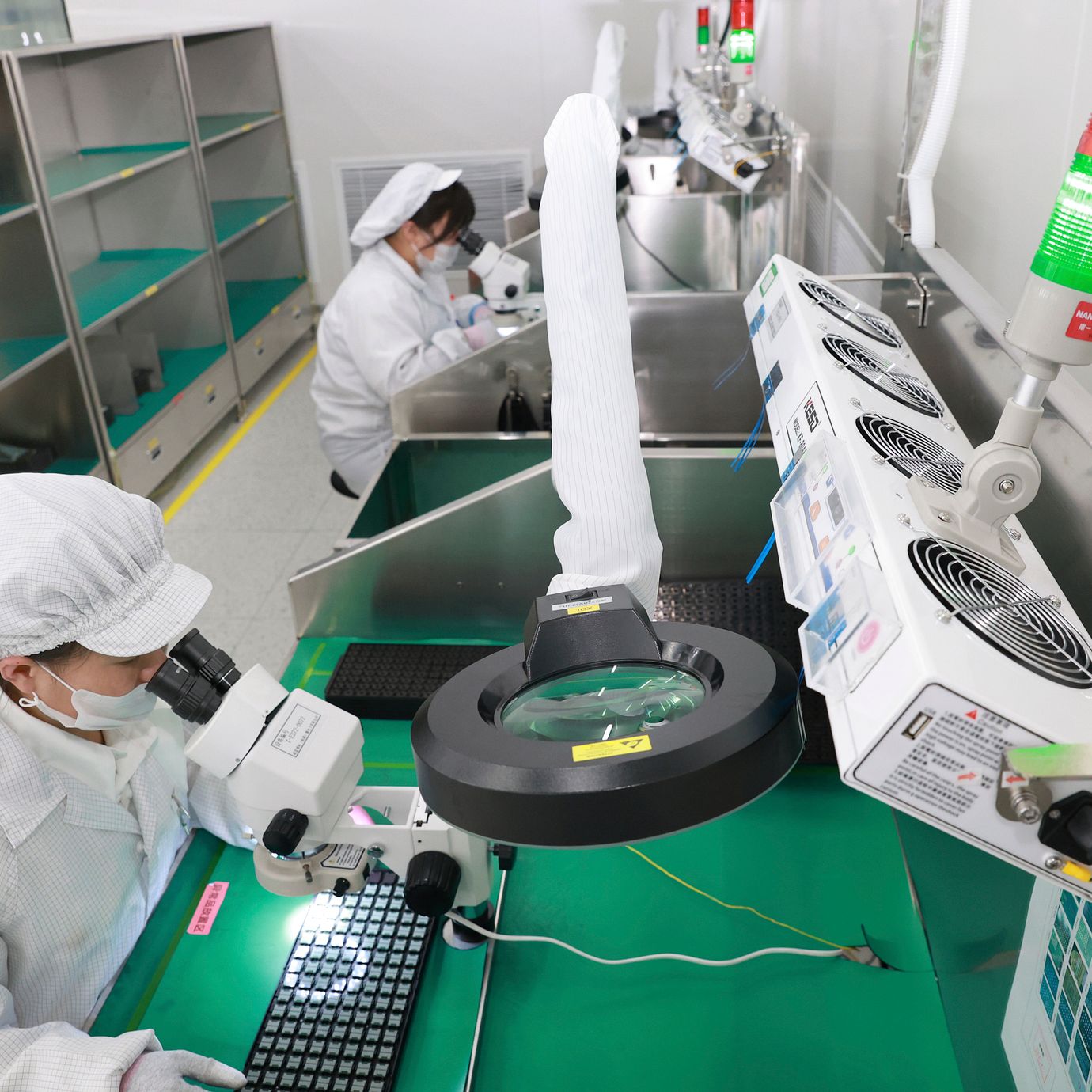
Trade data, corporate announcements and new academic research show that a large portion of the products shipped to the U.S. from places such as Southeast Asia and Mexico are being made in factories owned by Chinese companies, which are expanding overseas, in part to avoid U.S. tariffs.
Many other goods finished in smaller countries are being made with key inputs from Chinese suppliers, meaning they wouldn’t get produced at all without Chinese involvement.
Those realities underscore the challenge for policy makers and companies seeking to disentangle the U.S. from China’s colossal manufacturing machine. Far from decoupling, some supply chains connecting the U.S. and China have merely added another link or two, increasing the complexity and cost.
“We have to recognize that there’s ongoing mutual interdependence”
A study published by the Bank for International Settlements in October found that supply chains between China and the U.S. have turned more complicated since 2021 as more trade gets rerouted through other places. Yet many goods supplied to the U.S. still originate from China, implying limited progress with diversification.
“We have to recognize that there’s ongoing mutual interdependence,” said Frederic Neumann, chief Asia economist at HSBC.
Since 2018, Washington has placed tariffs on hundreds of billions of dollars’-worth of Chinese goods, from shoes to chemicals, as part of a wider effort to reduce American dependence on China. U.S. corporations from Apple to Tesla have shifted some production away from China or encouraged suppliers to follow suit.
Those efforts are helping reduce U.S. reliance on China for some products, such as consumer electronics and furniture, economists say. They have also spurred investments in U.S. manufacturing that have created new jobs for Americans.
According to official U.S. trade data, China accounted for just 13.3% of U.S. goods imports during the first six months of this year—the lowest level since 2003, and far below the annual peak of 21.6% in 2017.
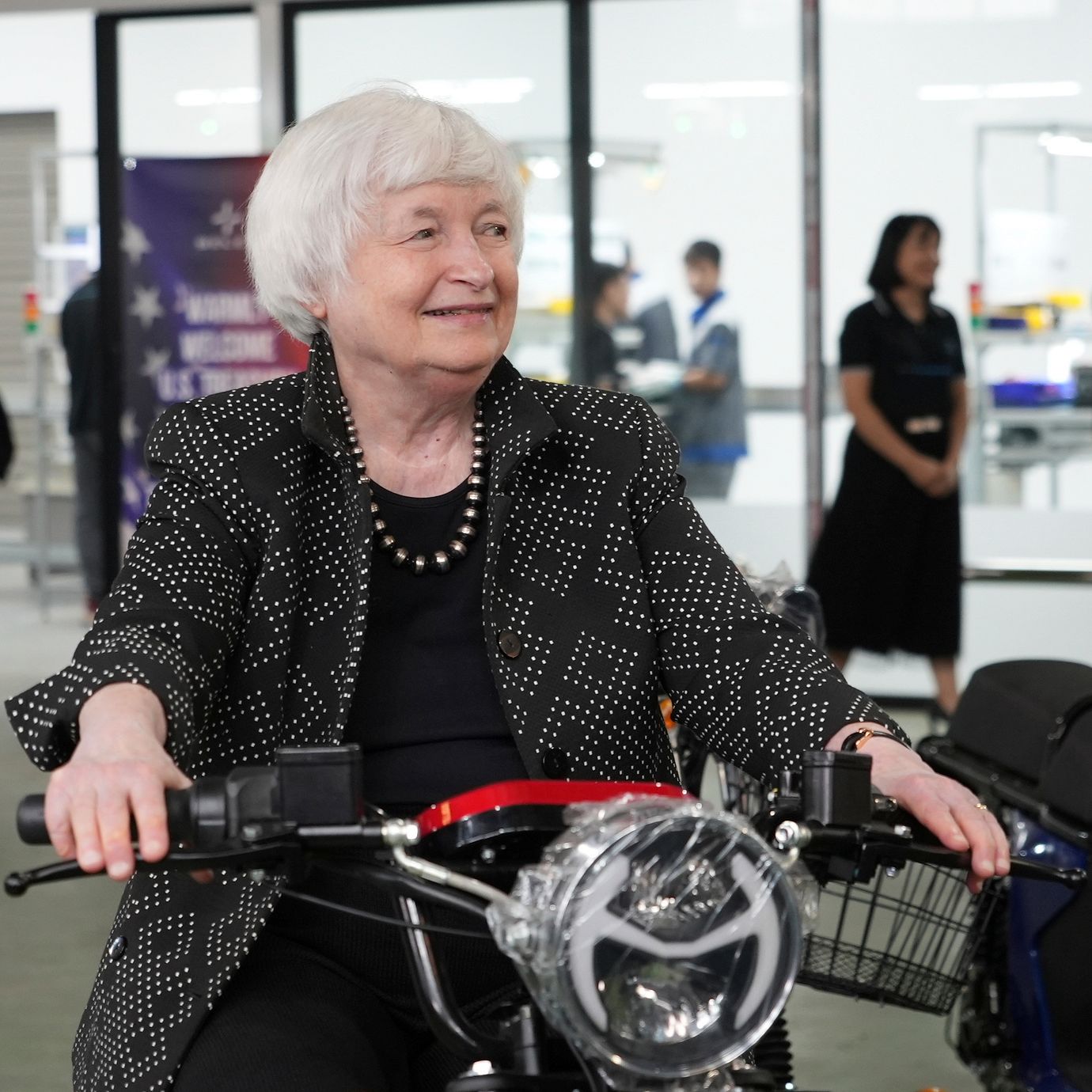
The U.S. and Chinese economies are also decoupling in other ways. Direct U.S. investment into China hit a 20-year low of $8.2 billion last year, according to Rhodium Group, a New York-based research firm. Some U.S. companies have pulled out of China, even as China focuses on selling more goods to Russia and the developing world.
But a closer examination of available data reveals a more complex picture, in which some parts of the economies of U.S. and China are breaking apart, while others aren’t. In some cases, U.S. policies are triggering supply-chain adjustments that are actually locking in further dependence on Chinese suppliers, economists say.
In part that is because Chinese business owners are pouring money into operations in smaller countries, so that when Americans buy from factories in places such as Thailand, sometimes they are actually buying from Chinese companies.
Zhejiang Haers Vacuum Containers, a Chinese producer of thermos cups, built a new factory in Thailand in late 2021. The investment was partly aimed at “preventing potential trade frictions,” it said. Some vacuum cups exported to the U.S. from China are subject to tariffs ranging from 6.9% to 7.5%, still below the 25% tariff that was imposed on some imports from the country.
Jason Furniture (Hangzhou), a Chinese furniture maker that exports products under the brand name Kuka Home, opened its second factory in Vietnam’s Binh Phuoc province over the past year to make bar stools, ottomans and other products for overseas clients. The company said it first began production in Vietnam in 2019 to offset tariffs on China-produced goods.
Direct investment from China to Southeast Asia reached nearly $19 billion in 2022, compared with $7 billion in 2013, with manufacturing investment accounting for the largest share, according to calculations by economists at DBS, a Singapore bank. Chinese direct investment into Mexico was $232 million in 2021, up from $42 million a decade earlier, according to CEIC.
When China doesn’t own the factories in these places, it often supplies them.
Research by DBS shows that China has significantly increased the amount of “intermediate,” or partially finished, goods it ships to smaller countries, which then assemble them into final products before sending them to the U.S.
Rhodium Group said in a September report that rising U.S. imports from Mexico and Vietnam over the past five to seven years were matched closely by an increase in Chinese exports to these markets.
“China is quickly becoming a critical component supplier to the world after years of being largely an end-stage assembler”
China is merely adjusting its role in global supply chains, rather than relinquishing it, said Neumann, the HSBC economist. He said his research shows that exports from China that require inputs from elsewhere fell starting in 2014, while exports from China that feed into production in other countries have risen sharply.
“China is quickly becoming a critical component supplier to the world after years of being largely an end-stage assembler,” he said.
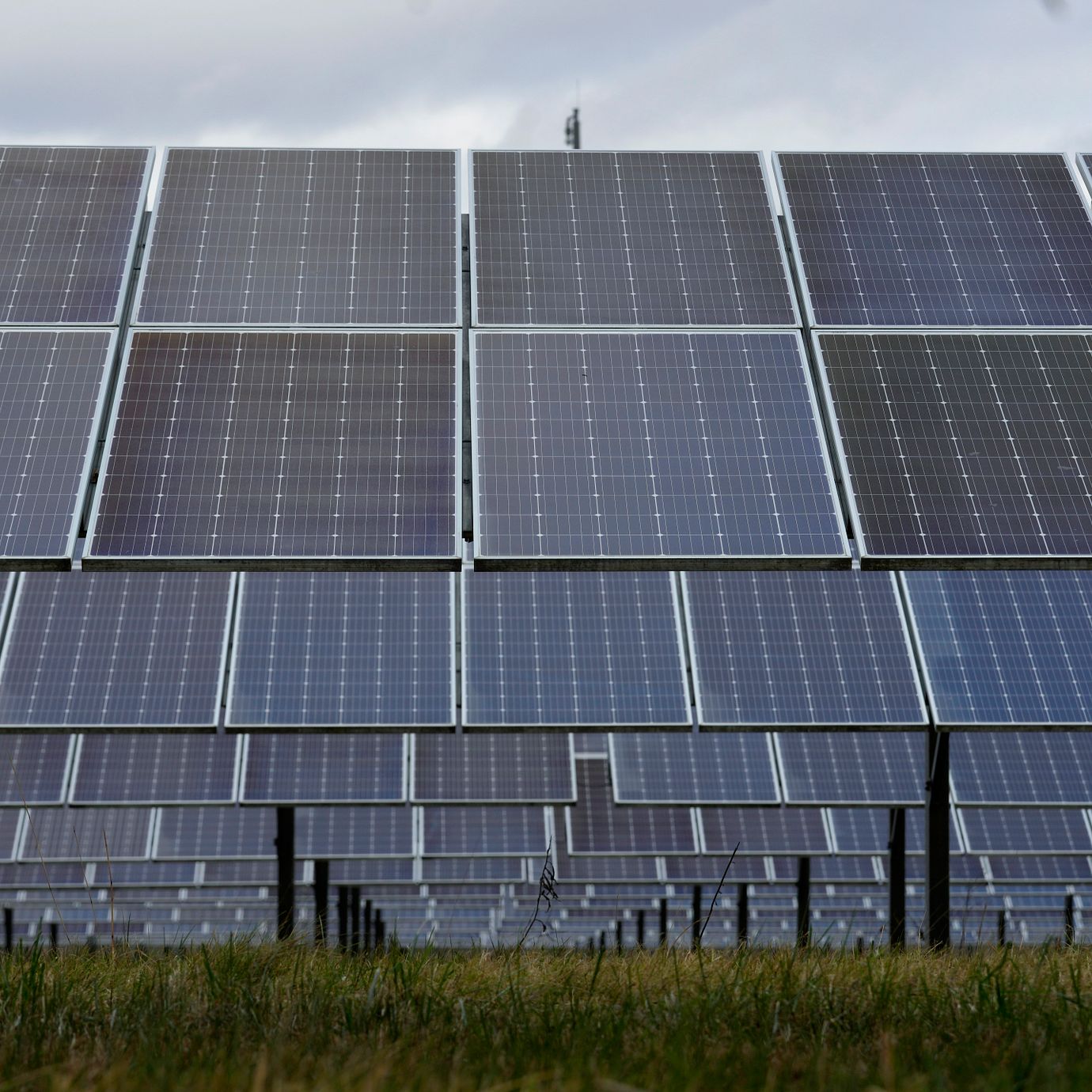
Some of China’s moves have drawn rebukes from Washington. The U.S. government in August unveiled new tariffs as high as 254% on solar panel makers after ruling that manufacturers in four Southeast Asian countries illegally bypassed tariffs by using Chinese-sourced materials, and then shipping the final goods to the U.S. without paying duties. Analysts broadly expect the move to push up costs for U.S. solar projects and slow decarbonization efforts.
Economists say China’s push into smaller countries may be adding costs in other industries, as more steps are added to the production process.
In a paper published in August, economists Laura Alfaro from Harvard Business School and Davin Chor from the Tuck School of Business at Dartmouth found that between 2017 and 2022, a five percentage-point drop in the share of U.S. imports from China was associated with a nearly 10% increase in import prices from Vietnam and 3% from Mexico.
“It is likely that some portion of these rising prices from third-countries is being passed on to the U.S. firms or consumers purchasing these goods,” the authors noted.

U.S. officials have indicated they aren’t trying to steer all business away from China, and that their focus is to ensure there are adequate controls in sensitive sectors such as computer chips.
Still, continued heavy reliance on China—even when final goods are assembled elsewhere—could leave some U.S. companies exposed to further business risks if tensions between Washington and Beijing keep rising.
While Apple has been expanding efforts to increase production in India and Vietnam, it still depends heavily on manufacturing capacity inside China. Apple’s share prices took a hit in September after reports surfaced that China had ordered officials at central government agencies not to use iPhones, fueling fears among investors that the American company could face further pressure in China as geopolitical tensions climb.
A study by Allianz Research late last year found that China is a “critical supplier” for 276 types of goods for the U.S., from consumer electronics to household equipment to chemicals. The products add up to 1.3% of U.S. gross domestic product, Allianz said, up from 0.7% in 2018 and 0.4% in 2010. It found that the U.S. is a critical supplier for just 22 types of goods for China today, worth 0.3% of China’s GDP.
The customers in the U.S. care less about costs but more about geopolitical risks”
Some U.S. buyers might conclude that sourcing from a Chinese-owned factory in Southeast Asia or elsewhere is still preferable to buying directly from China. In some cases it could reduce the geopolitical risks companies face, especially if companies develop more local suppliers to feed the factories.
There are also likely some limits to China’s efforts to expand production in places such as Southeast Asia and Mexico, where local investors and U.S. companies also play significant roles.
Tang Xuehui, a Chinese shoe manufacturer who opened his first overseas factory in the Cambodian capital of Phnom Penh in 2016, said he has found it harder to make a profit there than in China. He blames an unmotivated local workforce, a union that blocks him from assigning overtime work and local customs officials who charge him excess fees that he says he can’t easily dispute as a foreigner.
Even so, he is planning to stay. With more than 700 workers, the factory in Cambodia serves American footwear brands including Hush Puppies. U.S. clients told him they are willing to stomach the additional 8%-10% in costs as a result of the relocation.
“The customers in the U.S. care less about costs but more about geopolitical risks,” said Tang.