Seger eller nederlag – vilket Trumpscenario oroar mest?
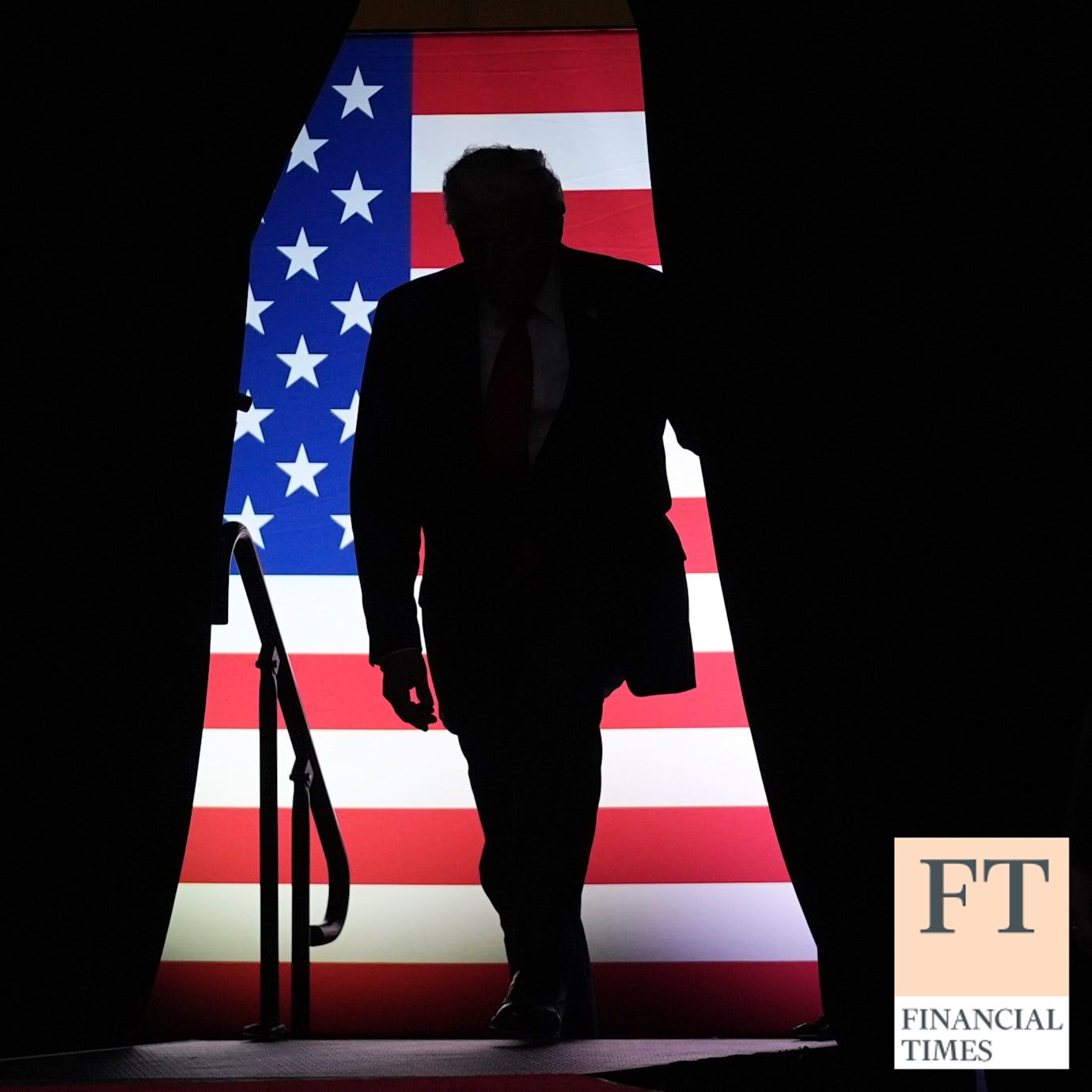
De lövtunna marginalerna mellan presidentkandidaterna Trump och Harris i opinionsundersökningarna bådar för en utdragen rösträkning. Många ställer sig också frågan om Trump skulle acceptera en eventuell förlust.
Enligt experter som Financial Times talat med är det amerikanska valmaskineriet mer robust än vid senaste valet. Oron är i så fall större för vad som kan hända om Trump faktiskt vinner valet, och gör allvar av hoten om att sätta meningsmotståndare i fängelse och tillåta militär på gatorna.
 Financial Times
What will happen the day after the US election?
A historically tight presidential race might not be over on the night — and multiple crises could follow.
Late on election night four years ago, Donald Trump saw the so-called “red mirage” and pounced. His vote count was still ahead of Joe Biden in several swing states. Around 2.30am he appeared before White House cameras to declare victory. Any ballots counted after then would be fraudulent, Trump said.
His aim was to exploit the fact that far more Democrats than Republicans had voted by mail, which meant the “blue shift” would take time to show up. It was another three days before Pennsylvania completed its tally and Biden was declared the winner.
So began Trump’s “stolen election” crusade that erupted two months and more than 60 failed lawsuits later in the January 6 storming of Capitol Hill. The crusade is still going. Trump’s 2024 campaign is based explicitly on the claim that he was cheated out of the presidency four years ago. Should we brace ourselves for another contested election — or worse?
“If Harris wins even by a small margin, there is very unlikely to be a repeat of January 6”
History does not repeat itself, as Mark Twain quipped; but it often rhymes. According to constitutional lawyers, this election is likely to yield one of two “day after” crises. The first possibility, if Kamala Harris is pronounced winner, would trigger a legal and information war to stop her victory from being certified. Only an improbable Harris victory of at least five of the seven swing states might pre-empt that.
The other scenario, in the event of a Trump victory, would begin on January 21, the day after he was sworn in. Constitutional experts are far more worried about what Trump 2.0 would do with his renewed grip on power than on his ability to overturn a Harris win.
“If Harris wins even by a small margin, there is very unlikely to be a repeat of January 6,” says Rosa Brooks of Georgetown Law Center. “This time Trump will not be president, the certification process is much stronger and Biden won’t tolerate violence.”
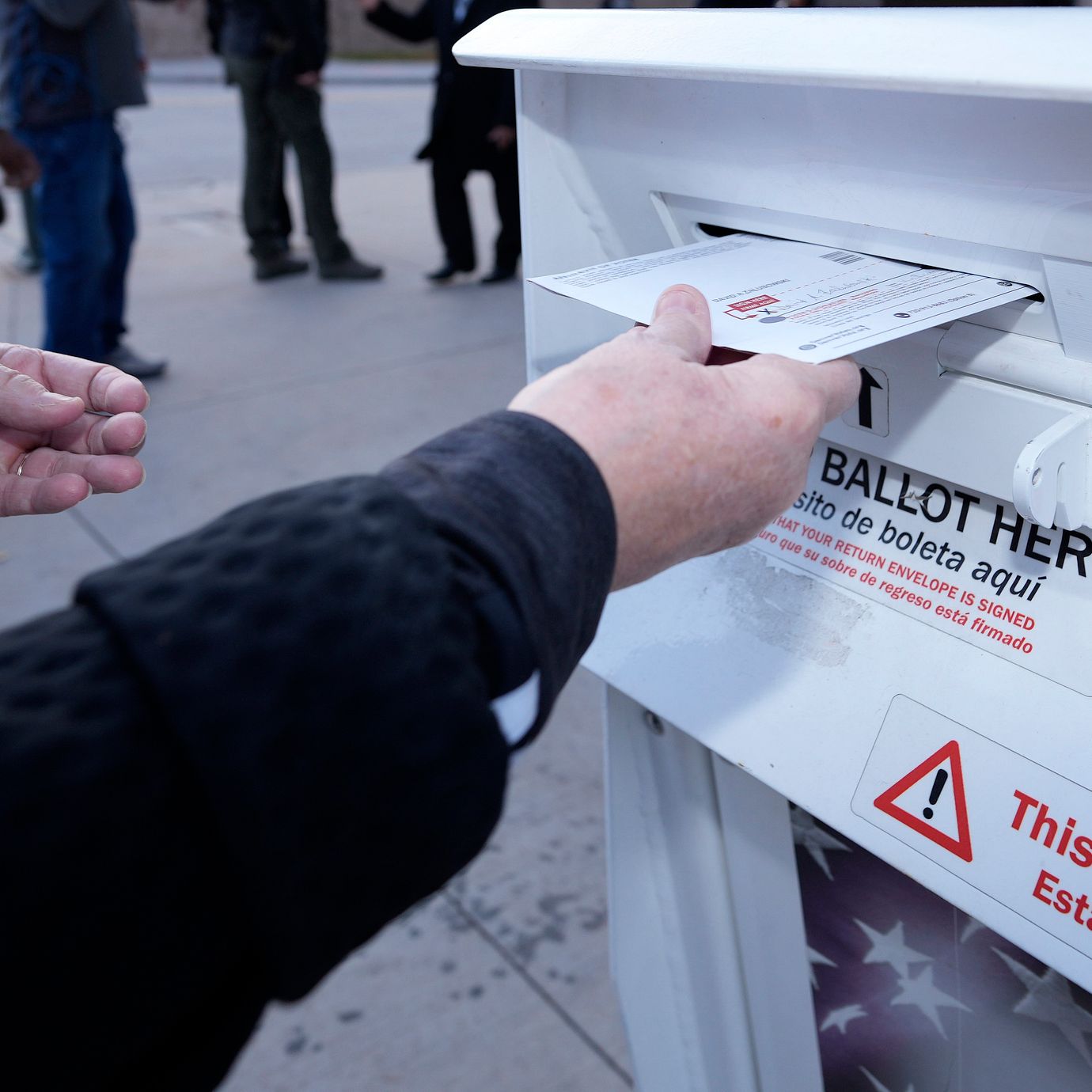
Yet there would still be real danger in a narrow Harris win. In contrast to Biden’s 2020 victory, which had been telegraphed in poll averages for months, Trump and Harris are within decimal points of each other in most critical states. Biden took 6mn more votes than Trump and won the electoral college by a margin of 306-232. Even so, it still took nine days for the Arizona result to be declared and 16 days in Georgia. And Biden’s clean victory did nothing to stop Republican election denialism from taking hold.
With such thin margins, this year’s counting could take longer and be far more fraught. Any gap of less than 0.5 per cent will trigger automatic recounts in several swing states, which could take days or even weeks. Aided by Trump-adjacent conservative groups, such as True the Vote and the Election Integrity Network, the Republican National Committee has already filed more than 100 lawsuits challenging ballot procedures and the eligibility of voter rolls. At this point four years ago, no cases had been filed.
“Most of these suits are frivolous and won’t get anywhere,” says Ian Bassin, head of Protect Democracy, a not-for-profit group that monitors election malfeasance. “But they show that Trump’s legal game is far better organised this time.”

But America’s electoral machinery is also more robust. Two years ago, Congress passed a law that makes it harder for legislatures to submit alternative slates of electors to vie with their state’s popular result. “It is really hard to see how Republican legislatures could pull that off,” says Bassin.
A graver fear is the public order effect from an avalanche of disinformation — AI-generated deepfake videos of ballot stuffing that could bring out private militias, for example, or bomb hoaxes that close polling stations.
This time, Conservative networks such as Rupert Murdoch’s Fox News, are so far steering clear of recycling 2020-style fraud rumours. Fox was ordered to pay $787.5mn in damages to Dominion Voting Systems last year for airing baseless claims that its machines were involved in electoral fraud.
“It is hard to exaggerate Musk’s role in poisoning trust”
Most of the disinformation comes from what is now X, Elon Musk’s social media platform. The world’s richest man is also Trump’s most powerful new weapon. Unlike conventional media publishers, Musk’s X has near total immunity from whatever fake claims, however dangerous, are spread on his platform. Musk, who has more than 200mn followers, has been manically reposting stories about Democrats importing hordes of illegal migrants to vote for Harris on Tuesday. There is no basis to that claim.
“Musk talks about millions of illegal voters but they can’t even provide evidence for dozens,” says Barton Gellman, senior adviser at the Brennan Center for Justice. “He is going flat-out to promote the lie that this election will be rigged.”
So far this year Musk has posted on immigration and voter fraud 1,300 times and garnered about 10bn views, according to a Bloomberg study. Since early September, he has posted on that topic five times a day. Both Musk and Trump this week endorsed allegations that two counties in Pennsylvania were adding illegal voters to their rolls and turning legal applicants away. Each claim is being investigated by Al Schmidt, Pennsylvania’s secretary of state, the state’s chief election official, who is a Republican. “Sharing social posts filled with half-truths or even outright lies is harmful to our representative democracy,” said Schmidt.
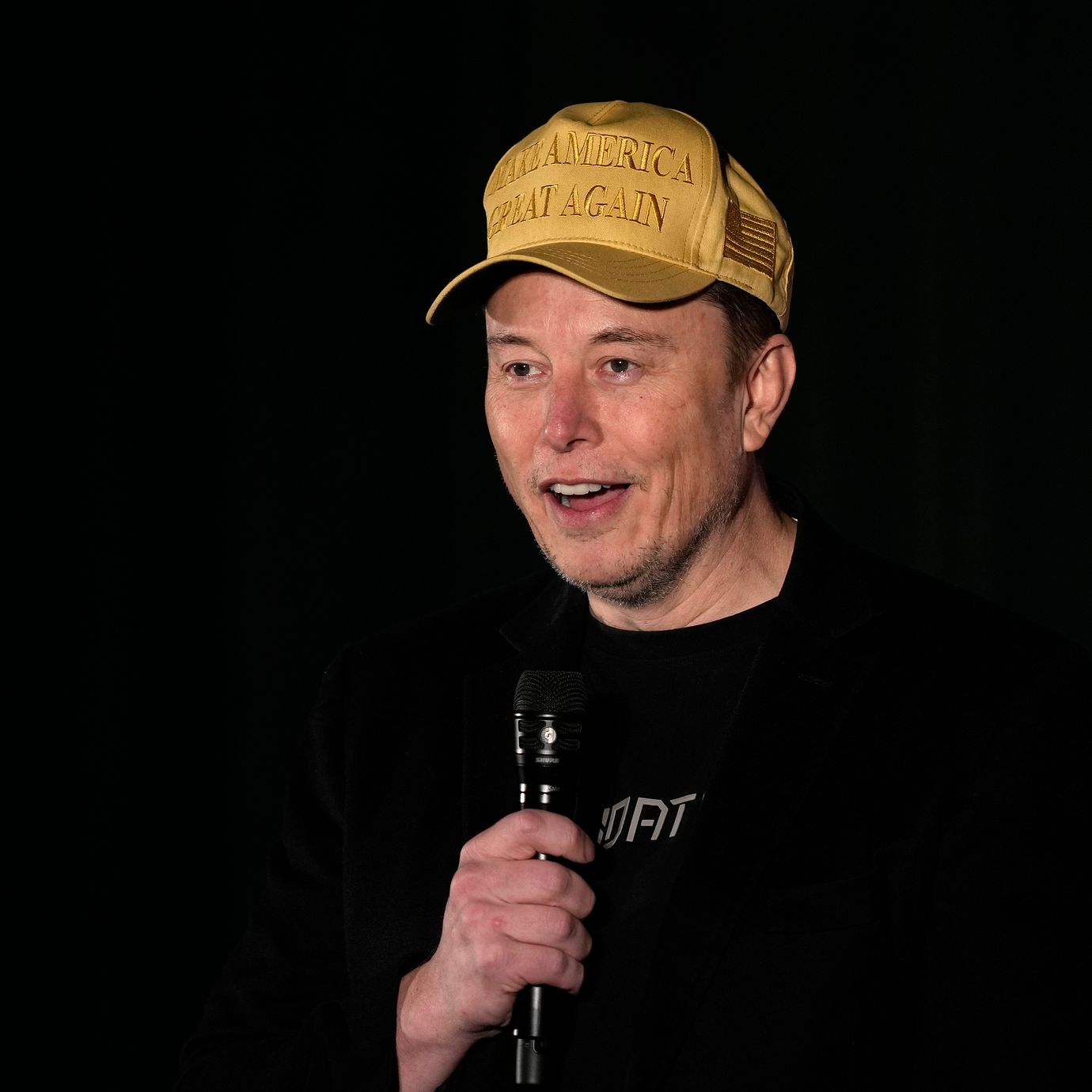
Musk, who last year was accused of instructing X’s employees to boost the algorithm to promote his posts, has also created the Orwellian-named “election integrity community” on X, which asks users to report “potential instances of voter fraud and irregularities”.
It is almost impossible for monitoring groups to keep up with the velocity of X’s falsehoods, let alone correct them. Were Harris to win, the share of America rejecting her legitimacy would likely dwarf what Biden has experienced.
“It is hard to exaggerate Musk’s role in poisoning trust,” says a Washington-based election lawyer. “If this election crashes, the black box will be Musk’s algorithm.” Unless X’s algorithm is subpoenaed in court, or it is leaked, its settings will remain secret.
And what if Trump wins? There is no parallel Democratic narrative of Trumpian vote rigging. He could lose the popular vote and win the electoral college, as happened in 2016 when he beat Hillary Clinton. Were his win to arise from a Supreme Court ruling, along the lines of the court’s decision to halt Florida’s vote count in 2000, liberal America’s backlash would be of far greater magnitude now. Then, Democratic contender Al Gore quickly conceded to George W Bush. Pressure on Harris not to fold would be intense.
The same would apply if the electoral college is tied, or a contested state’s verdict, were thrown to the House of Representatives. Under the constitution, the House would pick the winner on the basis of one vote per state, which would virtually guarantee Trump’s victory. All this would be within the rules.
It is what Trump threatens on “day one” of his presidency that keeps his political foes and their lawyers up at night.
“WHEN I WIN, those people that CHEATED will be prosecuted to the fullest extent of the Law, which will include long-term prison sentences so that this Depravity of Justice does not happen again,” Trump said in a post on his own social media platform last week.
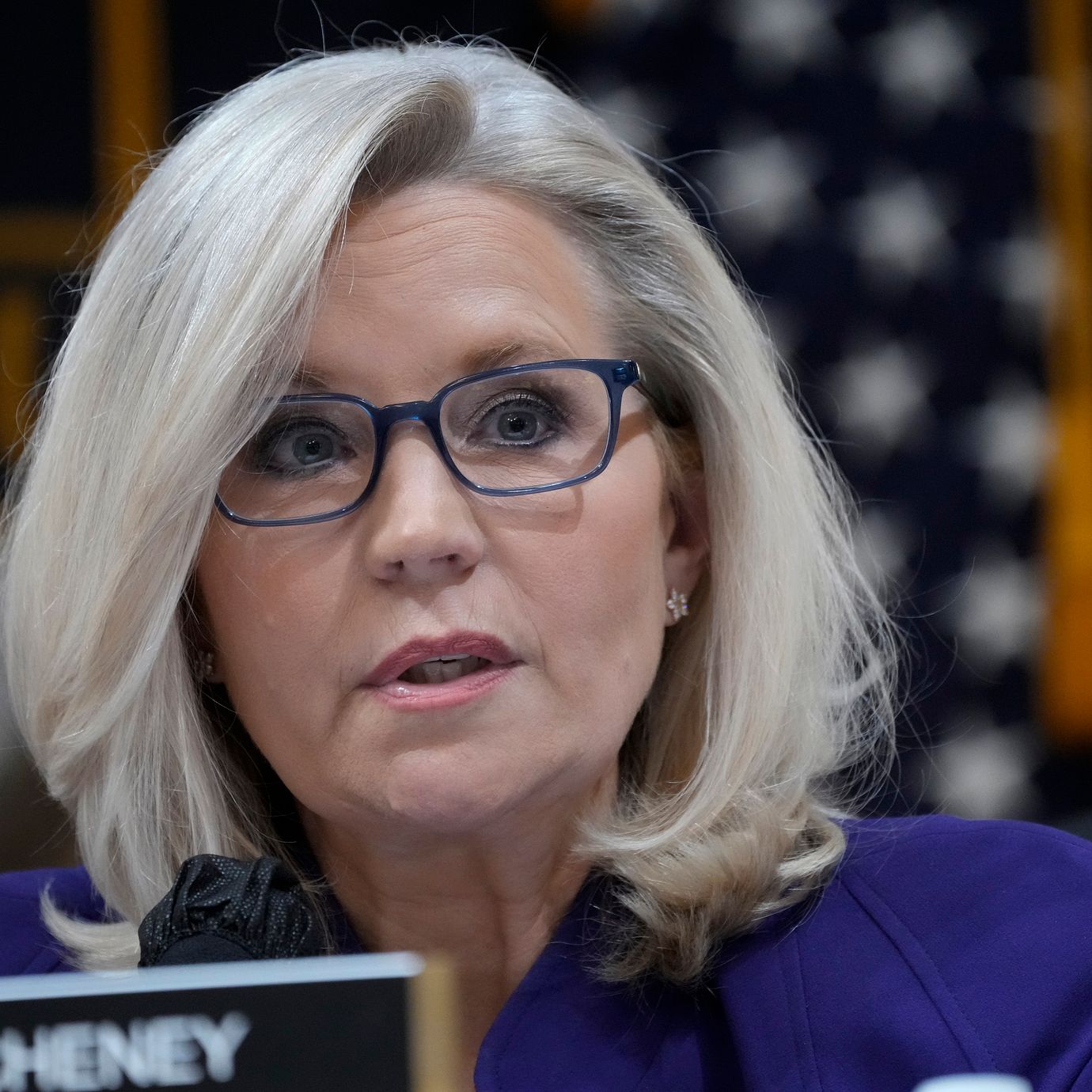
Those seen as having betrayed him, such as Liz Cheney, the former Republican lawmaker who broke with Trump after the January 6 assault, or Mark Milley, former chairman of the joint chiefs of staff, who blocked Trump’s attempts to use the military as a political tool, would likely be at most risk. He often calls Milley a traitor. Others he often names include “the Biden crime family”, former speaker Nancy Pelosi and Harris.
Trump’s “day one” vows also include mass pardon for the “patriots” who were jailed for storming Capitol Hill in 2021, firing Jack Smith, the special counsel who, among other cases, is leading the investigation into Trump’s attempted 2020 election overthrow, and ordering the US Department of Justice to drop all cases against him. If you take Trump at his word, the DoJ would then pivot to his enemies. Several legal defence funds have already been created to help those targeted by Trump.
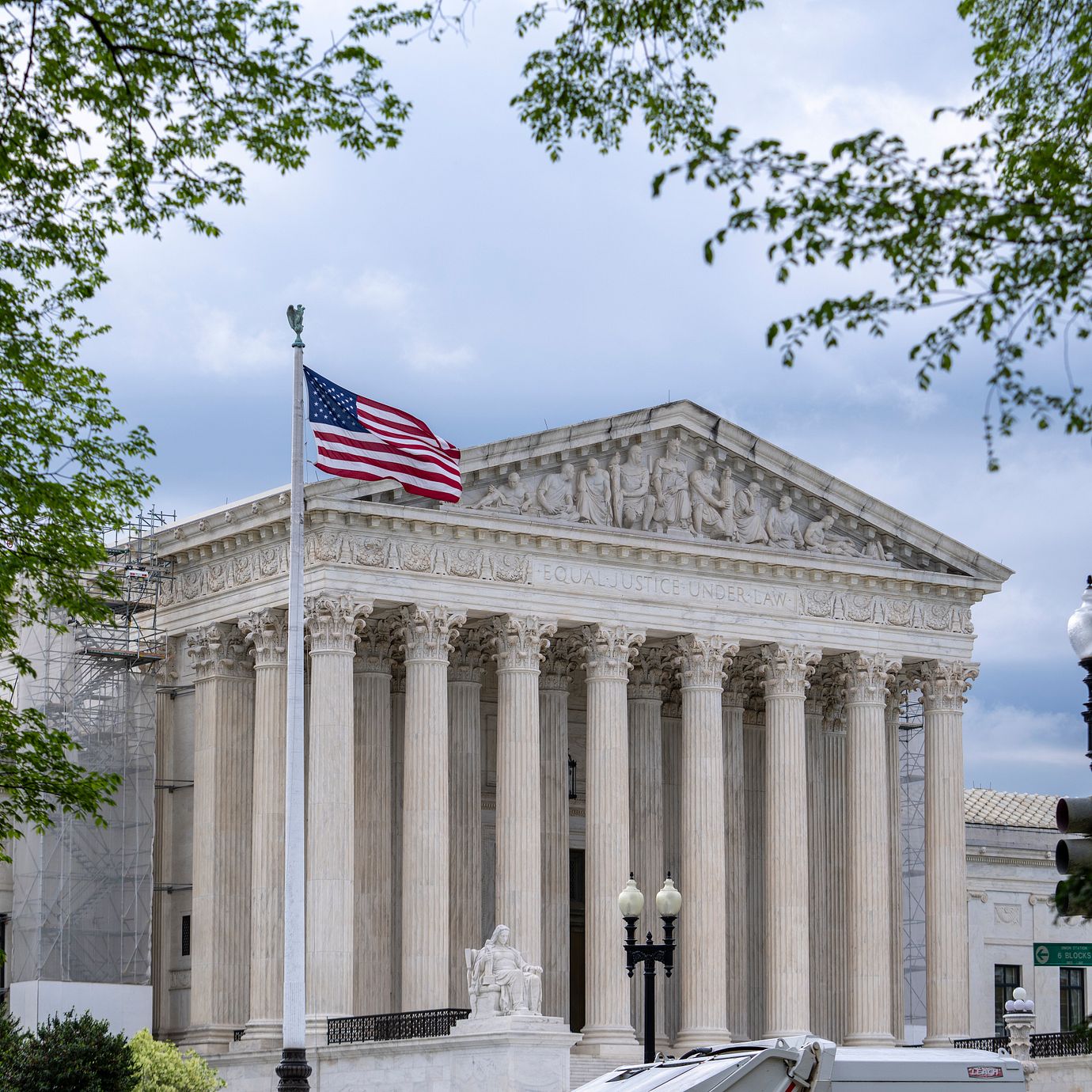
It is hard to know which threats he would carry out. In 2016, he threatened to lock up Clinton but in practice did nothing about it. “I don’t think Trump could simply throw people in jail,” says Georgetown’s Brooks. “But he could bury them in legal bills from criminal investigations and tax audits and generally make their lives hell.”
He has also promised on his first day to invoke the 1807 Insurrection Act, which would let him put troops on American streets. Trump’s impulses to issue such orders last time were often stymied by senior appointees, like his former chief of staff, John Kelly, and public servants at the Pentagon and DoJ. The kinds of people he would select for his second term would be likelier to amplify his instincts.
“Trump has learned that he cannot trust establishment Republicans to carry out his whims if they are wildly outside the norm,” says the Brennan Center’s Gellman. “He won’t be hiring those types again.”
The irony is that an unrestrained Trump would only be happening because he had been elected in a free and fair election
Largely because of Trump’s judicial appointments, this Supreme Court would be far less of a bulwark against presidential lawlessness than any previous court. In a historic ruling in June, it voted 6-3 to scrap almost any limit on executive authority, saying that the president has criminal immunity from almost any “official acts” they take in office. Trump’s legal team argued this could even include killing political opponents.
How a punchdrunk US system would cope with that spectre is hard to forecast. The irony is that an unrestrained Trump would only be happening because he had been elected in a free and fair election. “Trump has made clear he plans to try — again — to overturn a free and fair election if he loses, but I feel confident that once again he will fail at that,” says Bassin. “What I’m far less confident in is the ability of our constitutional order to survive an actual Trump win. He would have far fewer guardrails this time.”
©The Financial Times Limited 2024. All Rights Reserved. FT and Financial Times are trademarks of the Financial Times Ltd. Not to be redistributed, copied or modified in any way.