Sexmiljardersbröllop kastar ljus på klyftor i Indien
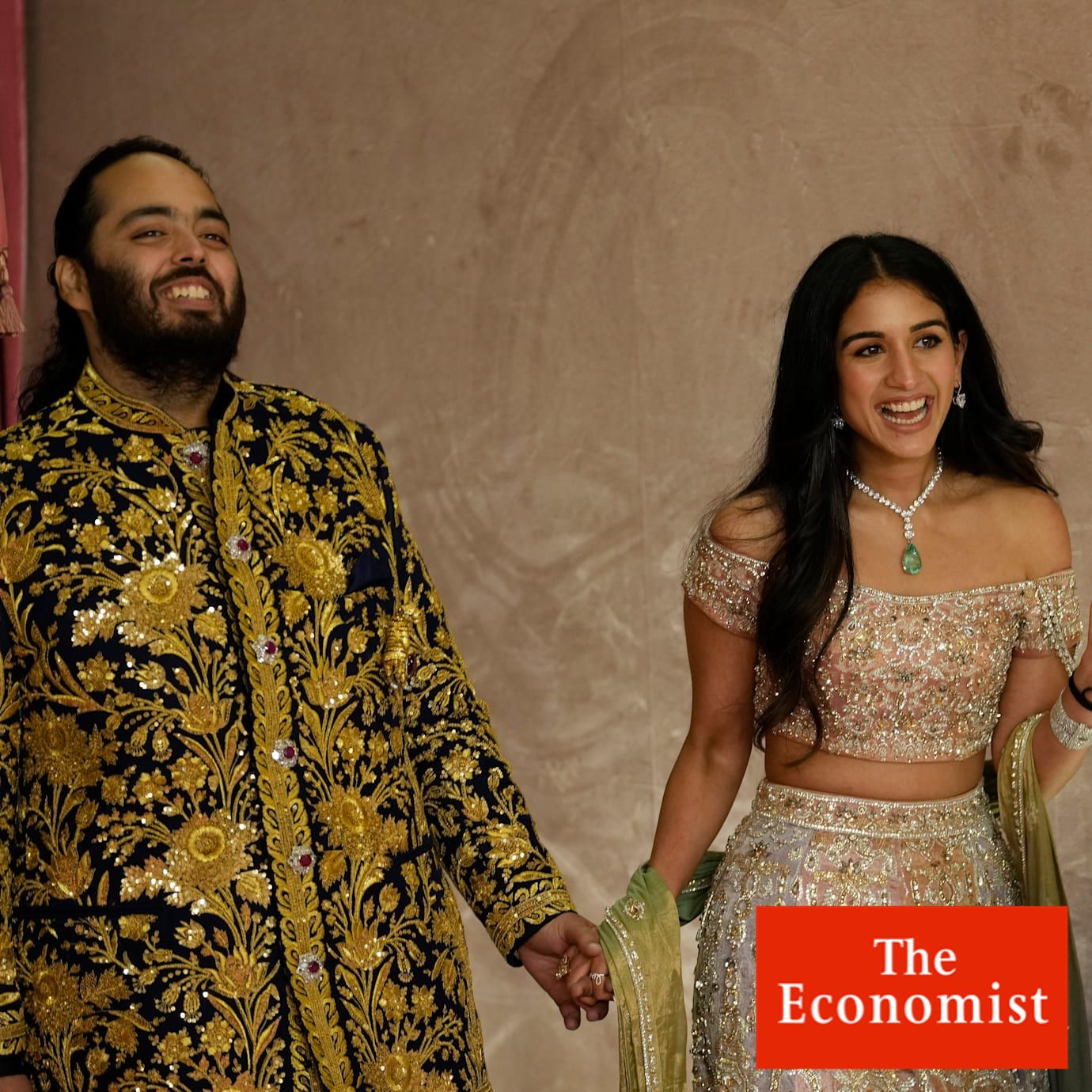
Anant Ambani är den yngsta sonen till Indiens största affärsmagnat. När han nyligen gifte sig med Radhika Merchant kostade lyxbröllopet 6,3 miljarder kronor och inkluderade stjärnor som Katy Perry, Justin Bieber och Rihanna.
Evenemanget gynnade bröllopsindustrin, men kastade också ljus på de stora sociala och ekonomiska klyftorna i landet, skriver The Economist.
Medan vissa såg den extravaganta festen som ett tecken på Indiens framgång, kände andra obehag över överflödet.
 The Economist
What a $600m wedding says about India’s attitude to wealth
The Ambani nuptials enticed everyone from Justin Bieber and Shah Rukh Khan to John Kerry.
When Beyoncé performed at a pre-wedding party for Isha Ambani in 2018, India was agog. Merely receiving an invitation conferred bragging rights on status-obsessed business leaders and politicians. The cost of the nuptials, with countless ancillary events, was said to be in excess of $100m. That is a staggering sum for almost anyone—but not the Ambani family, which owns a controlling interest in Reliance Industries, the country’s most valuable company, dominating everything from telecoms to oil refining. Despite some anti-rich finger-wagging, many Indians appear to have viewed the event, which even the maharajas of yore would envy, as evidence that India—and Indian business—could once again glitter.
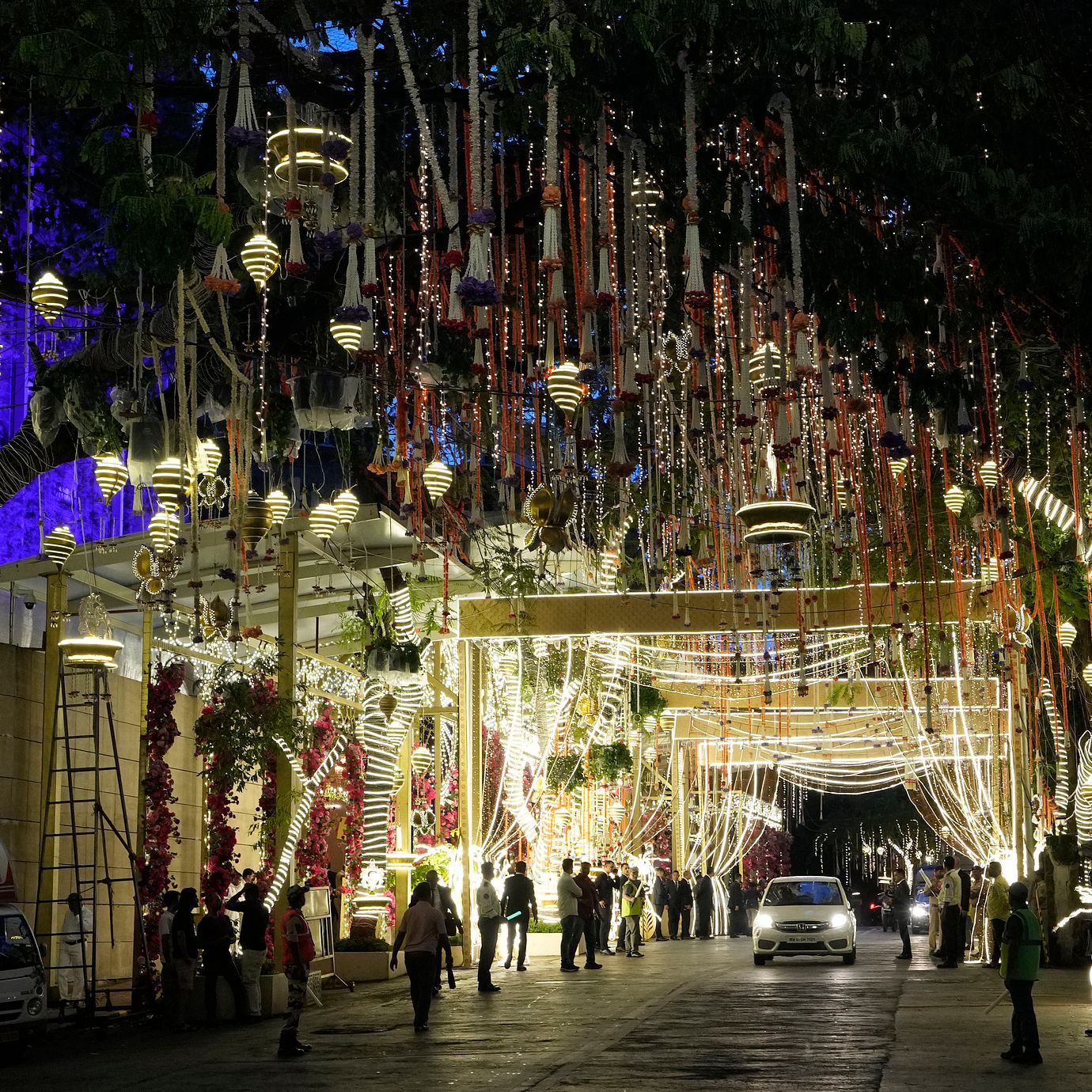
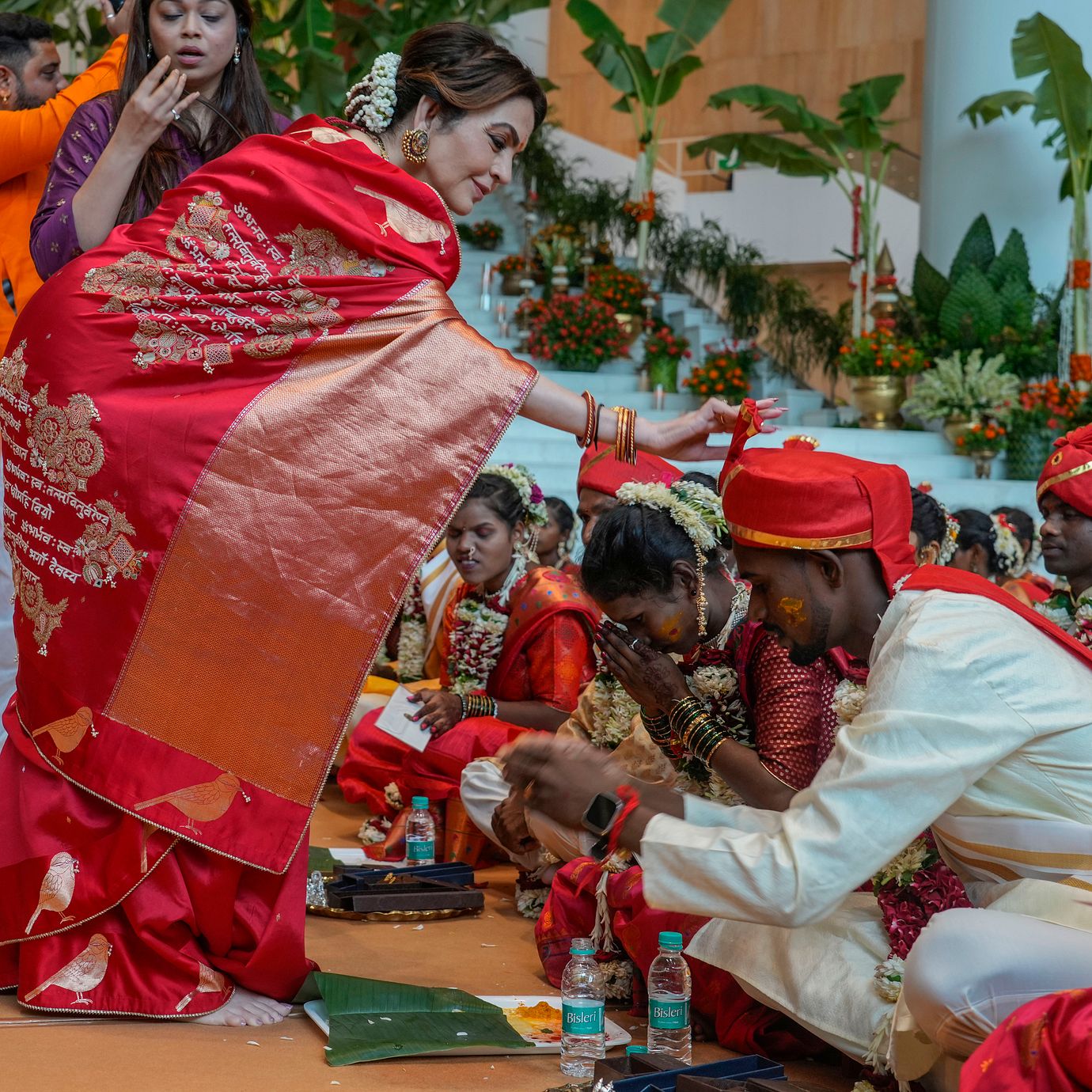
You might therefore have expected the months-long wedding celebrations of Isha’s brother Anant, which concluded on July 14th, to provoke a similarly positive response. It featured even more international stars (Katy Perry, Justin Bieber and Rihanna), more bling (outfits embroidered in gold along with enough golf-ball sized rubies, diamonds and emeralds) and a higher price tag (the figure $600m has been bandied about). It contributed handsomely to India’s booming matrimony business, which generates perhaps $130bn a year in revenues (only food makes up a bigger share of Indians’ retail spending). Behind the innumerable beautiful saris at the Ambani wedding were thousands of designers, tailors and seamstresses; behind the dances and elaborate backdrops were thousands of choreographers, musicians and carpenters. The wedding filled hotels, private jets, a fleet of golf carts and at least one cruise ship.
Yet instead of awe and pride, the reaction this time was considerably more mixed. As the Juggernaut, an online publication, summed it up, it “shows us the power of Asia’s richest family. But it also gave us the ick.”
It wasn’t just the Juggernaut that felt a bit icky. India’s prime minister, Narendra Modi, did make an appearance at one of the events leading up to the ceremony. But the Gandhi family, which leads the left-of-centre political opposition, pointedly did not. Foreign political leaders who attended were mostly former ones (Tony Blair, Boris Johnson) and seemed an odd fit. John Kerry, America’s former climate envoy, was rubbing shoulders with Amin Nasser, chief executive of Saudi Aramco, the world’s biggest oil company, at an event bankrolled by wealth derived primarily from Reliance’s giant petrochemicals operation that, to complicate matters further, refines oil from Russia.
Strong GDP growth and a soaring stockmarket have created more wealth for India’s rich but not that many new jobs or wage gains for its poor
Indeed, Anant’s extravaganza looks likely to be the last of its kind for a while. That is not just because he was the last unwed child of Mukesh, the Ambani clan’s patriarch, and because no one (with the possible exception of the family of Gautam Adani, India’s second-richest industrialist) can match the Ambanis’ deep pockets. Mr Modi’s government has become increasingly aware of voters’ distaste for rising inequality, which may have cost his Bharatiya Janata Party its absolute majority in a general election earlier this year.
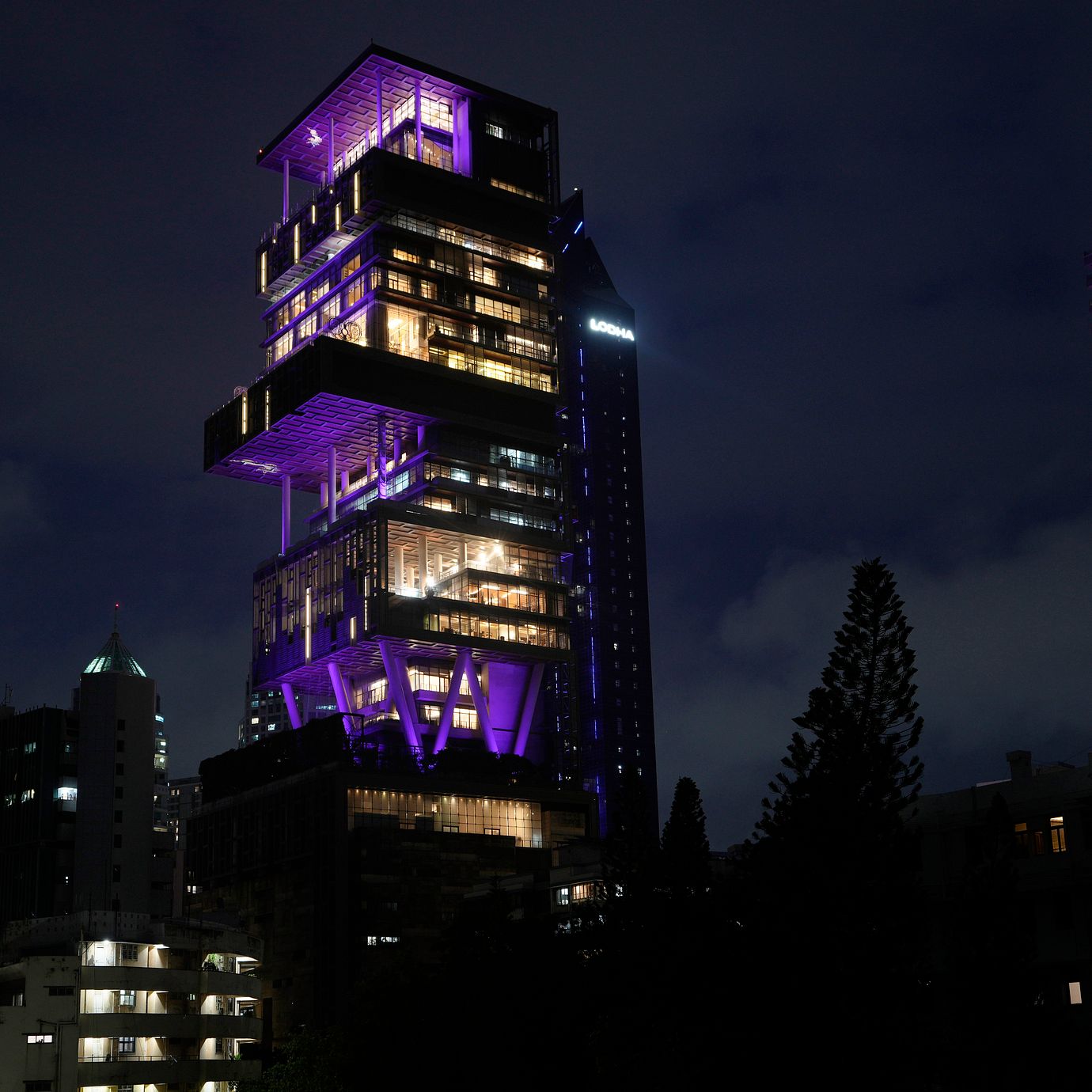
Strong GDP growth and a soaring stockmarket have created more wealth for India’s rich but not that many new jobs or wage gains for its poor. Between Isha’s and Anant’s weddings India’s GDP per person rose from $2,000 to $2,500 (not adjusted for inflation). By comparison, in the same period the Ambani family fortune swelled from $47bn to $122bn.
More gallingly to many Indians, it has shot up by $10bn in the past month alone. Reliance’s share price rose by 8% after the company’s Jio telecoms business raised prices for its 470m customers. To the Ambanis, this may have made their $600m celebrations look like a bargain. To almost everyone else, it makes them look disconnected from India’s economic and social reality.
© 2024 The Economist Newspaper Limited. All rights reserved.