Trumps team är fullt av miljardärer – därför tar de superrika över Washington
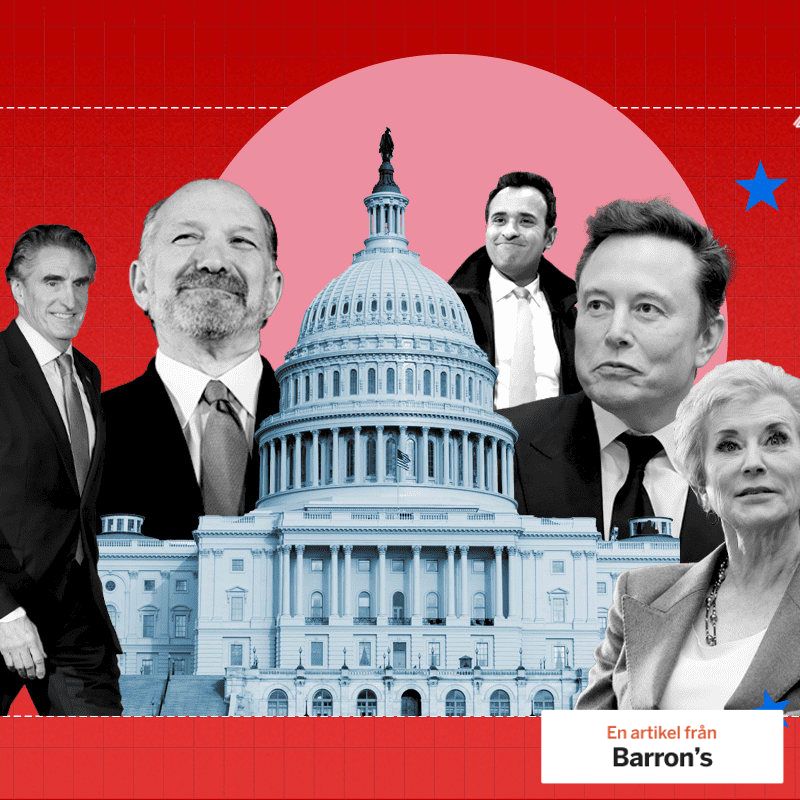
Donald Trumps administration består av flera miljardärer, vilket väcker oro för intressekonflikter. En kritiker jämför utnämningen av energiministern Chris Wright, med starka band till oljeindustrin, med att låta ”någon som äger en godisbutik driva skolans kafeteria”.
Trump försvarar valen som ett sätt att ”skaka om” myndigheterna. Men frågan kvarstår om hur en elitstyrd regering ska kunna uppfylla sina vallöften för medel- och arbetarklassen, skriver Barron’s.
 Barron's
Trump’s Team Is Stocked With Billionaires. Why the Super Rich Are Taking Over Washington.
Donald Trump is adding ultrawealthy people to his administration to reward their loyalty and to shake up the agencies they are about to lead.
President Donald Trump’s administration is shaping up to be filled with super wealthy individuals, many of whom could directly benefit from being close to the center of power.
Billionaire Elon Musk is spearheading a new advisory unit aimed at cutting government waste alongside biotech billionaire Vivek Ramaswamy, and there are at least 10 other billionaires nominated to top roles. At least six others have a net worth of $150 million or more, according to calculations by Bloomberg, Forbes, and ABC News.
For the cabinet, billionaire Howard Lutnick, CEO of investment firm Cantor Fitzgerald, was nominated as commerce secretary; multimillionaire Scott Bessent, founder of the investment firm Key Square Capital Management, was nominated to lead Treasury; and Liberty Energy CEO Chris Wright, with a net worth of about $170 million, according to Bloomberg, may head the energy department.
If confirmed, these and other super wealthy people—many without government experience or a working understanding of the departments they may oversee—will hold considerable sway over public policy. In return, they, either individually or through their business interests, could potentially benefit from policies and regulations they oversee.
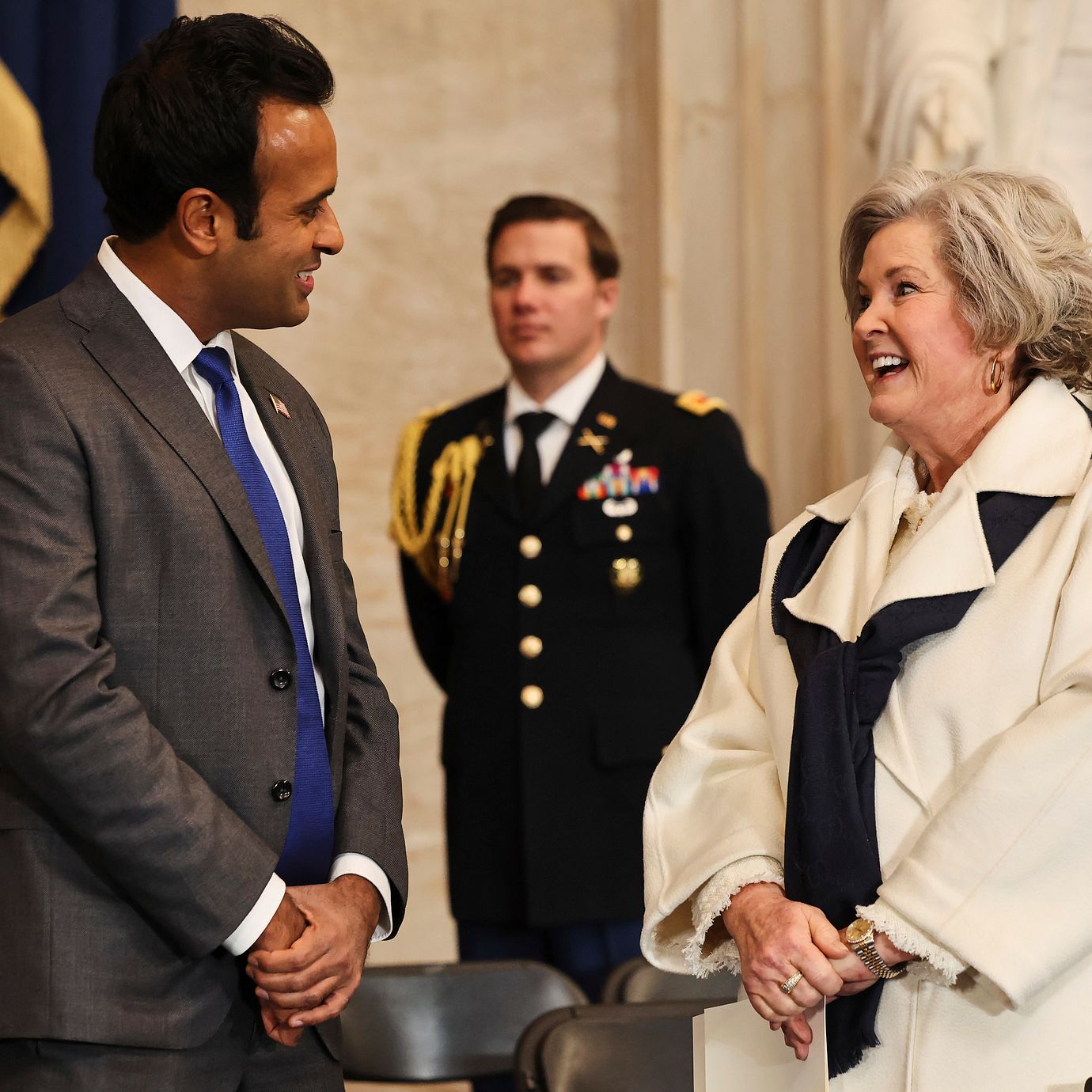
President Joe Biden raised alarm over the level of wealth held by members of Trump’s incoming team in his farewell address from the Oval Office on Wednesday, drawing particular attention to the potential influence of tech entrepreneurs.
“Today, an oligarchy is taking shape in America of extreme wealth, power and influence that literally threatens our entire democracy, our basic rights and freedoms and a fair shot for everyone to get ahead,” Biden said.
One reason Trump is nominating rich people is to reward their loyalty—Wright, for instance, is among vocal domestic oil-and-gas industry supporters —but it’s also because they can shake up the agencies they are about to lead.
In a statement made after nominating North Dakota Gov. Doug Burgum to lead the interior department, Trump said the governor would chair a National Energy Council that would “oversee the path to U.S. ENERGY DOMINANCE by cutting red tape, enhancing private sector investments across all sectors of the Economy, and by focusing on INNOVATION over longstanding, but totally unnecessary, regulation.”
“If he has to spend $250 million dollars of his own money to get regulatory treatment that is worth several billions to SpaceX and Tesla, that’s a great return on your investment”
An issue with hiring billionaires and others with “vast financial entanglements” is ensuring they abide by federal conflict of interest statutes, according to Donald Sherman, executive director and chief counsel for Citizens for Responsibility and Ethics in Washington.
“That has a tangible impact on whether the government is prioritizing the interests of the American public—everyday people who voted for, or didn’t vote for, the president-elect—versus the narrow financial interests of the individuals who are running these agencies,” Sherman told Barron’s.
Brian Hughes, a spokesman for the transition of Trump and Vice President-elect JD Vance, said that “all nominees and appointees will comply with the ethical obligations of their respective agencies.”
The many hats worn by Musk, CEO of electric car maker Tesla, aerospace and defense company SpaceX, and owner of social-media platform X, among other enterprises, illustrate the potential conflicts.
Through his companies, the tech billionaire—who gave at least $250 million to Trump’s re-election efforts through two super political action committees—is involved in “20 recent investigations or reviews” with government agencies, including the Justice Department, the National Highway Traffic Safety Administration, and the National Labor Relations Board, the New York Times reported on Oct. 20.
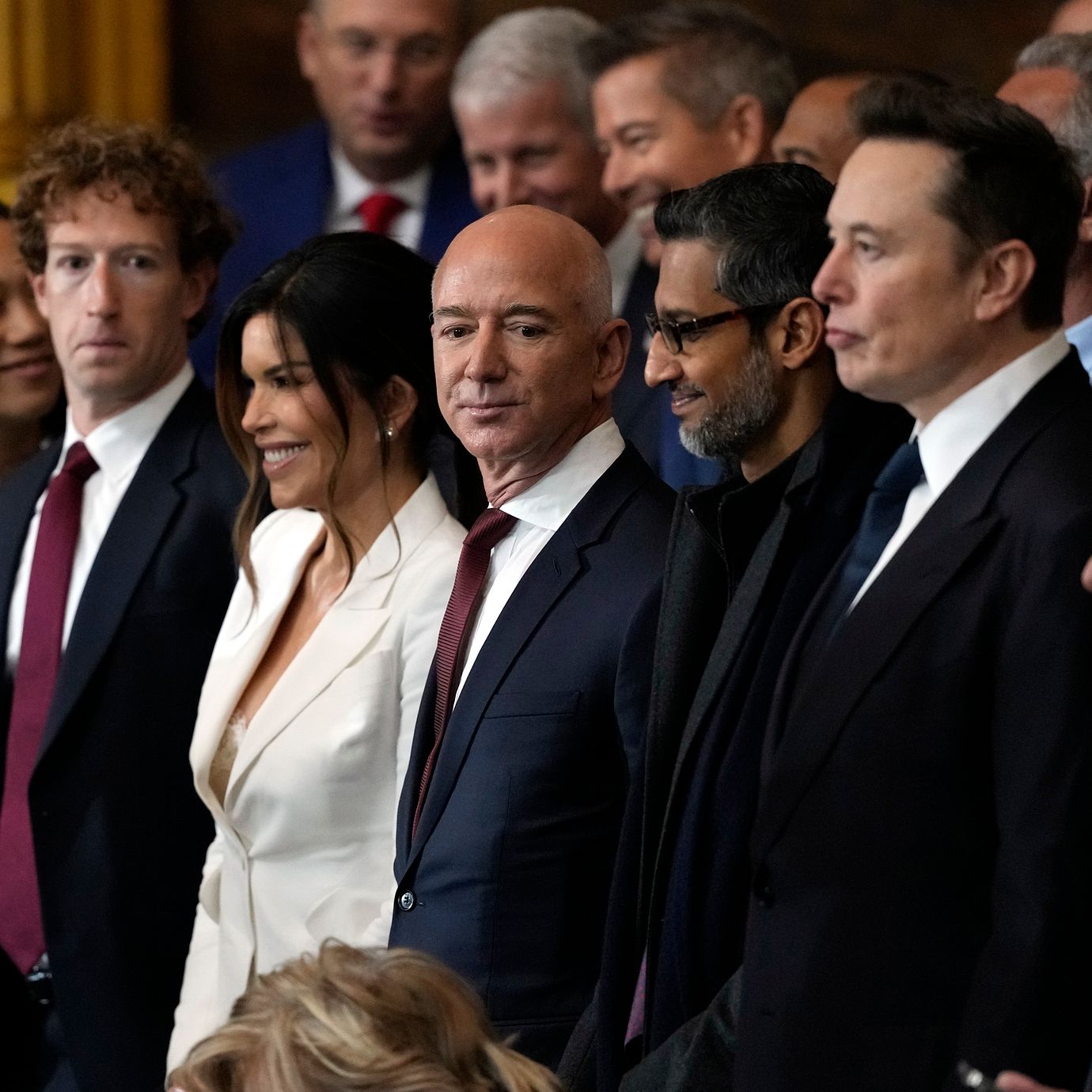
Investors, who have bid up Tesla’s share price by about 60% since the day before the election, are expecting the company to benefit from lower corporate taxes or fewer regulations. They also expect looser federal regulations on self-driving cars could boost Tesla’s robo-taxi service, which is expected to launch later this year.
“If he has to spend $250 million dollars of his own money to get regulatory treatment that is worth several billions to SpaceX and Tesla, that’s a great return on your investment,” Daniel Krcmaric, an associate professor of political science at Northwestern University, told Barron’s.
As an advisor, Musk doesn’t have to comply with the federal criminal conflict of interest statute, so he doesn’t need to sell shares in his companies. A spokesman for Musk through Tesla didn’t respond to a request for comment.
That billionaires and other wealthy folks—including megadonors—are filling the ranks of top government jobs in the U.S. is unsurprising to Krcmaric and other authors of a Northwestern University study titled “Billionaire Politicians: A Global Perspective,” published in June.
The composition of Trump’s incoming team “seems to be skewed more heavily toward ultrarich people, which suggests the U.S. is moving in a particular direction”
According to their research, 11.7% of about 2,000 billionaires tracked by Forbes “held or sought” political office through about the middle of 2023. That is particularly true in autocracies such as China and Russia where the rich are motivated to enter politics to protect their wealth, the authors said. The statistics back it up: 36.4% of Chinese billionaires and 21.3% of Russian billionaires held or sought political office through the summer of 2023.
In the U.S. and other democracies, the wealthy had typically achieved similar goals through big, anonymous donations. Only 3.7% of U.S. billionaires sought or held office in the period studied for the paper.
Krcmaric and his colleague Stephen Nelson, also an associate professor of political science at Northwestern, question whether the 2024 election—and the participation of superwealthy individuals—represents a change.
“We don’t have data right now to suggest out of the total pool of billionaires how many are currently serving in politics,” Nelson told Barron’s. But the composition of Trump’s incoming team “seems to be skewed more heavily toward ultrarich people, which suggests the U.S. is moving in a particular direction.”
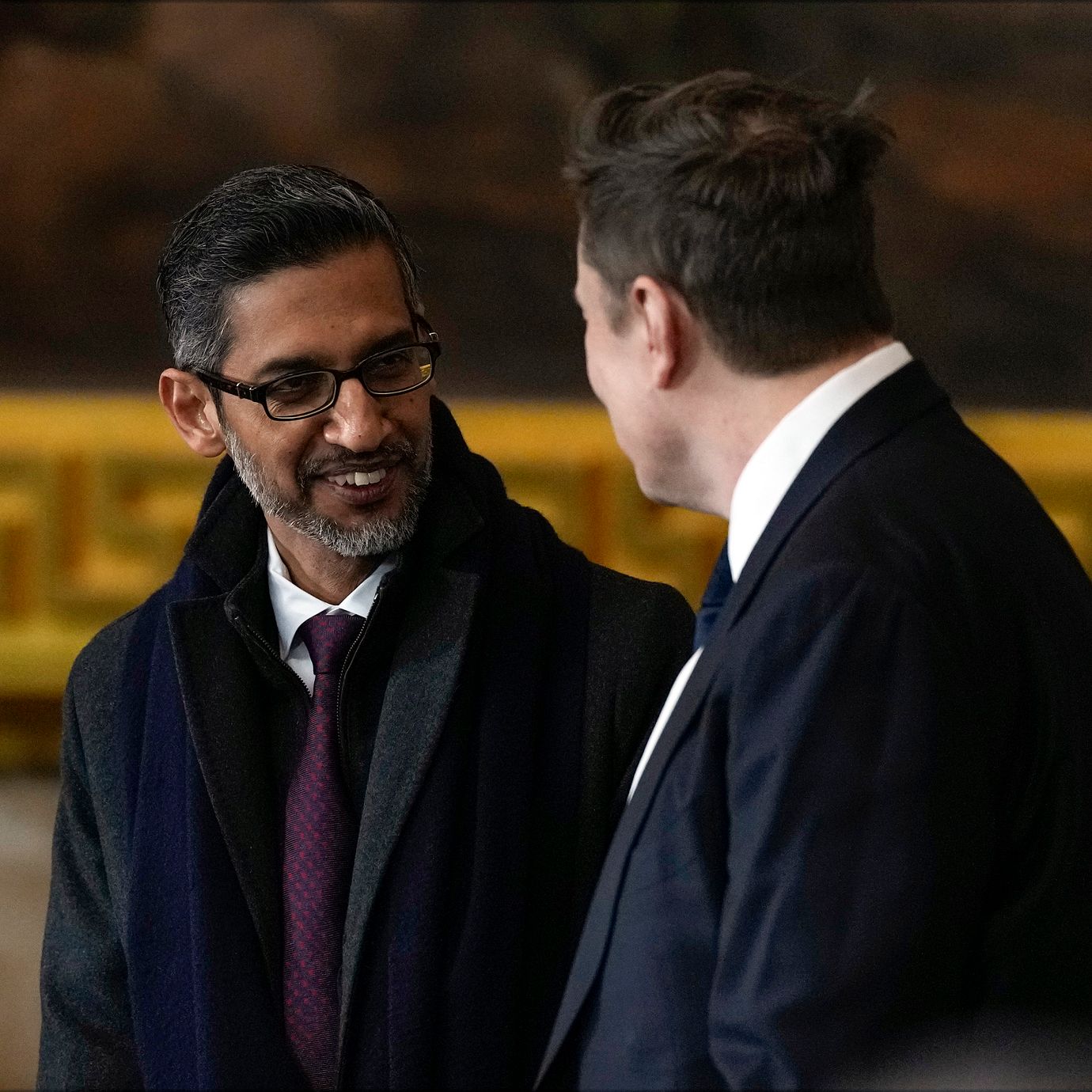
This shift raises a question: “Do they know something that the rest of us don’t know, which is that maybe the rule of law is weaker than we all think and that proximity to the Trump administration is the best way to protect one’s wealth?” Krcmaric says. “That would be U.S. billionaires behaving in the same way that billionaires in autocracies typically behave…we can’t make strong conclusions yet, but I would say, if you look at some cases, there seems to be an element of that going on.”
Richard Painter, a professor of corporate law at the University of Minnesota who served as the chief ethics lawyer for President George W. Bush’s administration from 2005-07, noted that billionaires often have had roles in previous U.S. administrations. The superwealthy don’t take these jobs for the money, but for the opportunity to participate in government and take on a new challenge, Painter told Barron’s.
“They also get a tax benefit,” he says. Although government officials must sell holdings that may pose a conflict of interest, they often don’t have to pay capital-gains taxes on these ethics-related sales if they are issued a “certificate of divestiture” from the Office of Government Ethics and invest the proceeds from the sale in Treasuries or a government-approved diversified fund. Having to sell a concentrated, long-held investment can benefit someone who has been hesitant to diversify their holdings because of embedded capital gains, Painter says.
“It’s a lot of billionaires coming in to solve the problems of the working people. We’ll see how that works out”
Lutnick, who owns most of Cantor Fitzgerald—a private enterprise that controls BGC Group , a public brokerage business; Newmark Group , a publicly traded commercial real estate broker, and Cantor, an investment firm with a fixed income and equities business—said in a Nov. 21 statement that he will step down from his positions in all three companies and will sell his interests to comply with ethics rules. Lutnick added that he does “not expect any arrangement which involves selling shares on the open market,” which could affect share prices.
Wright, founder, CEO, and chairman of Denver-based Liberty Energy —which provides components to support hydraulic fracking, among other services for the oil and gas industry—will step down from his roles if confirmed as energy secretary, according to a company statement. During his confirmation hearing before the U.S. Senate Committee on Energy and Natural Resources, Wright said he was “not aware of any personal holdings, investments, or interests that could constitute a conflict of interest or create the appearance of such a conflict,” should he be confirmed.
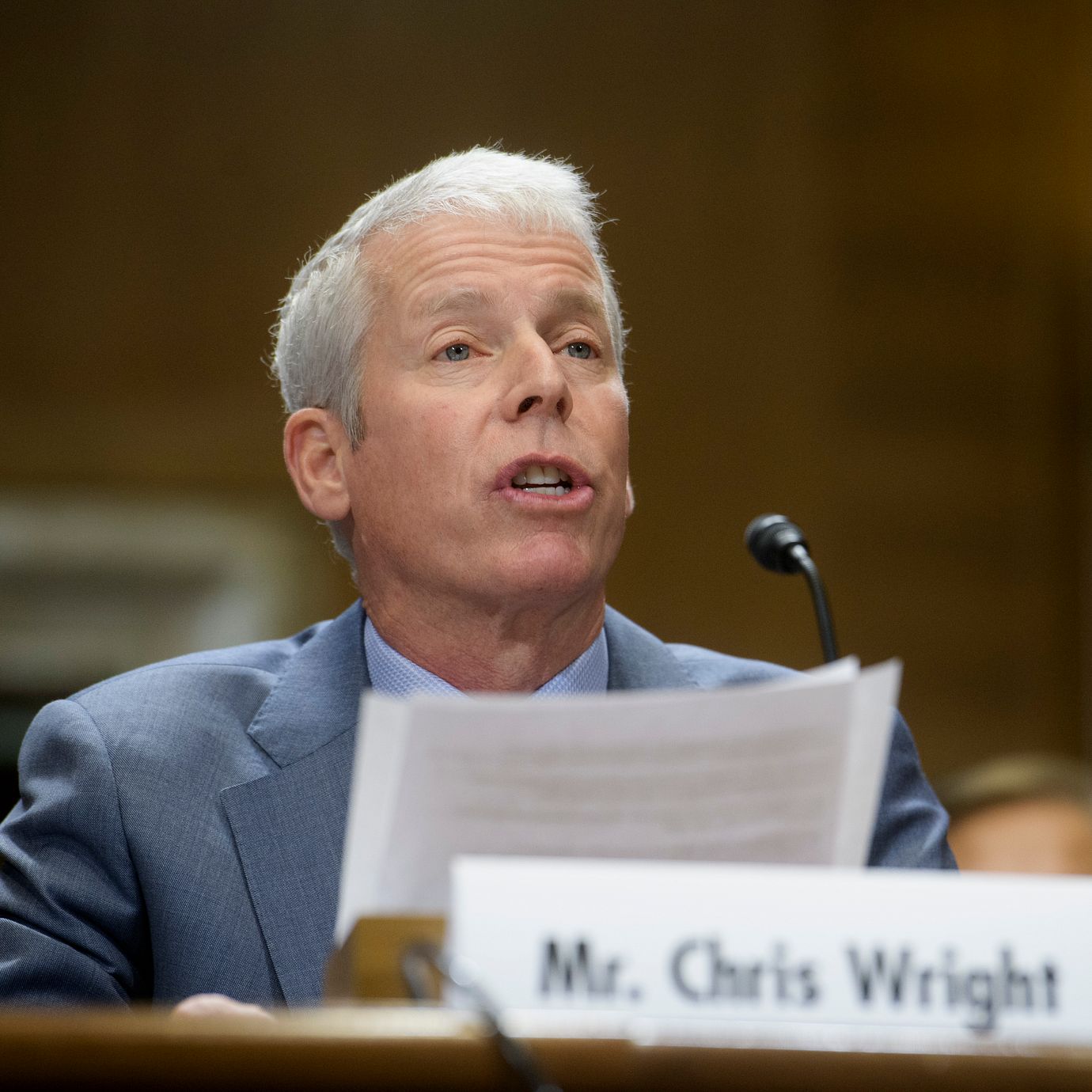
Whether the individuals selected for government roles have legal conflicts of interests with their jobs will be revealed when financial disclosure forms are filed and made available to the public. But even then, the extensive financial footprint of the richest nominees will make it challenging to learn all the potential conflicts that could touch the work they do and the sectors they oversee, Sherman says.
The roles that Wright, Bessent, Lutnick, and others may soon play also extends beyond legal conflict of interest questions to the appearance of a conflict.
“It’s certainly reasonable for the American public to question the appointment of someone who is heavily invested in one part of the energy sector, being appointed to a role where they are meant to oversee the entirety of the energy sector,” Sherman says, speaking of Wright. It’s as “if your kid’s school cafeteria is run by somebody who owns a candy shop.”
There’s also the broader, and again, nonlegal question, of how a government of superwealthy individuals serves a public that isn’t nearly that rich. “It’s a lot of billionaires coming in to solve the problems of the working people,” Painter says. “We’ll see how that works out.”
The Ultrawealthy of Trump 2.0
Critics say the dozen or so billionaires and other wealthy individuals nominated to President-elect Donald Trump's administration could benefit from their roles.
Elon Musk
- Reported Wealth: $450.0 billion
- Nominated Position: Department of Government Efficiency
- Business Interests: CEO of Tesla; CEO and founder of SpaceX; founder of X.ai and the Boring Co.; co-founder of Neuralink; owner of X.
Tilman Fertitta
- Reported Wealth: $15.5 billion
- Nominated Position: Ambassador to Italy
- Business Interests: Chairman and CEO of Fertitta Entertainment; owner of the Houston Rockets.
Stephen Feinberg
- Reported Wealth: $7.8 billion
- Nominated Position: Deputy Defense Secretary
- Business Interests: Co-CEO of Cerberus Capital Management, a private equity firm.
Warren Stephens
- Reported Wealth: $5.1 billion
- Nominated Position: Ambassador to the U.K.
- Business Interests: CEO of Stephens Inc., an investment bank.
Leandro Rizzuto, Jr.
- Reported Wealth: $3.5 billion
- Nominated Position: Ambassador to the Organization of American States
- Business Interests: Former executive at Conair, a hair care products company founded by his father.
Howard Lutnick
- Reported Wealth: $2.2 billion
- Nominated Position: Commerce
- Business Interests: CEO and Chairman of Cantor Fitzgerald and BGC Group, a public brokerage business; chairman of Newmark Group, a commercial real estate broker.
Jared Isaacman
- Reported Wealth: $2.2 billion
- Nominated Position: NASA Administrator
- Business Interests: CEO of Shift4 Payments.
Charles Kushner
- Reported Wealth: $1.8 billion
- Nominated Position: Ambassador to France
- Business Interests: Founder of Kushner Companies, a real estate firm.
Vivek Ramaswamy
- Reported Wealth: $1.1 billion
- Nominated Position: Department of Government Efficiency
- Business Interests: Founder of Roivant Sciences, a biotech company.
Frank Bisignano
- Reported Wealth: $1.0 billion
- Nominated Position: Social Security Administration
- Business Interests: CEO of Fiserv, a multinational fintech company; former investment banker.
Tom Barrack
- Reported Wealth: $1.0 billion
- Nominated Position: Ambassador to Turkey
- Business Interests: Founder of Colony Capital, a private equity firm; manages $80 billion at DigitalBridge Group.
Steven Witkoff
- Reported Wealth: $1.0 billion
- Nominated Position: Special Envoy to the Middle East
- Business Interests: Real estate investor and founder of the Witkoff Group.
Linda McMahon
- Reported Wealth: $0.9 billion
- Nominated Position: Education
- Business Interests: Co-founder of World Wrestling Entertainment (WWE); former head of the Small Business Administration.
Kelly Loeffler
- Reported Wealth: $0.8 billion
- Nominated Position: SBA Administrator
- Business Interests: Former CEO of Bakkt, a cryptocurrency firm; former Georgia senator.
Scott Bessent
- Reported Wealth: $0.5 billion
- Nominated Position: Treasury
- Business Interests: Founder of Key Square Capital Management, a hedge fund; former CIO of Soros Fund Management.
Doug Burgum
- Reported Wealth: $0.4 billion
- Nominated Position: Interior
- Business Interests: Former North Dakota governor; founded Great Plains Software (sold to Microsoft).
Mehmet Oz
- Reported Wealth: $0.3 billion
- Nominated Position: Centers for Medicare and Medicaid Services Administrator
- Business Interests: Former heart surgeon, TV talk show host, lifestyle guru.
Chris Wright
- Reported Wealth: $0.2 billion
- Nominated Position: Energy
- Business Interests: CEO of Liberty Energy.
Sources: WSJ, Bloomberg, Forbes, ABC News, New York Times