Amazon tar miljardrisk för att vinna nästa AI-runda
Amazon tar en historiskt stor risk i jakten på AI-revansch. Bolaget planerar investeringar på runt 200 miljarder dollar i år, främst för att bygga ut molntjänsten AWS och vinna mark mot Microsoft och Google.
Förhoppningen är att den enorma kapaciteten ska möta en kommande våg av AI-investeringar från företagskunder. Amazons vd Andy Jassy säger att bolaget säljer molnkapacitet ”så snabbt som den byggs”.
Men på Wall Street finns fortsatt oro för pressade marginaler och osäker avkastning, skriver The Economist.
 The Economist
Amazon’s unprecedented gamble on AI redemption might just work
Call it “The Bet-Everything Store”.
AMAZONIANS LIKE to think of their company as frugal—at least compared with many of their tech rivals. Forget the chocolatey treats and massages available to techies in Silicon Valley. At Amazon’s home in Seattle, the most cherished freebies are bananas, distributed from a food truck in the courtyard. This parsimonious culture runs deep. In its heart the e-commerce giant has a shopkeeper’s sense of thriftiness. Except every so often, when it throws caution to the wind and goes on a spending spree. It is on one now. JPMorgan Chase, a bank, calls it “Capexapalooza”.
It’s a historic gamble. No company has ever matched the $200bn of capital expenditure that Amazon has earmarked for this year, which is partly to be financed by blockbuster bond sales. It is mostly aimed at supporting Amazon Web Services (AWS), its cloud-computing arm, in the race to build artificial-intelligence infrastructure including data centres and the power they rely on. To add to the bill, Amazon has also said it will invest up to $50bn in OpenAI, which would be almost quadruple what Microsoft, its arch-rival, has committed to the maker of ChatGPT since 2019.
Amazon says that strong demand is driving the binge. AWS’s sales grew at the fastest pace in more than three years last quarter, and despite $250bn of capex in the past three years, Andy Jassy, Amazon’s boss, said it is selling cloud capacity as fast as it is built.
Wall Street has mixed feelings about Amazon’s capex splurge
Yet powerful competitive forces are also at play. Over the past 20 years AWS has been the pioneer in cloud computing, and a big provider of AI services. It is still leader of the pack, but since OpenAI launched ChatGPT in 2022, its main cloud rivals, Microsoft’s Azure and Alphabet’s Google Cloud, have grown much faster, chipping away at its lead. By doubling down on AI data centres, and seeking to loosen Microsoft’s grip on OpenAI, Amazon looks determined to regain its stride.
The company has a history of swinging for the fences. Back in 2015 Jeff Bezos, its founder, wrote with his inimitable nerdiness of the “truncated outcome distribution” when attempting to hit home runs. In baseball, the maximum pay-off was four runs. In business, “every once in a while, when you step up to the plate, you can score 1,000 runs.” That letter to shareholders was penned at the start of one spree that scored big time. In 2016-17 Amazon sharply increased spending on logistics and AWS, leading to several years of higher profit margins. But its next capex binge, during the covid-19 pandemic, was initially a bust, as it built far more warehouses than were needed. In 2023 it curtailed spending—just as Microsoft started to ramp it up in anticipation of an AI bonanza. Since then Amazon has been batting more aggressively.
AWS has a few things in its favour. One is its sheer breadth of customers. Its burgeoning relationship with OpenAI adds to one with Anthropic, the lab behind Claude. Model-makers are among the biggest sources of cloud demand in the near term, using “gobs and gobs of compute”, as Mr Jassy has put it. But with almost a third of the global market for cloud services, well ahead of Azure and Google Cloud, AWS has much to gain if companies beyond Silicon Valley start to embrace AI more fully. For now, many are still hesitant. But it will take at least 18 months to put this year’s capex to operational use. By then it is possible that AI agents, which can reason in steps, use tools and engage with other bots, will have led to a surge in enterprise spending.
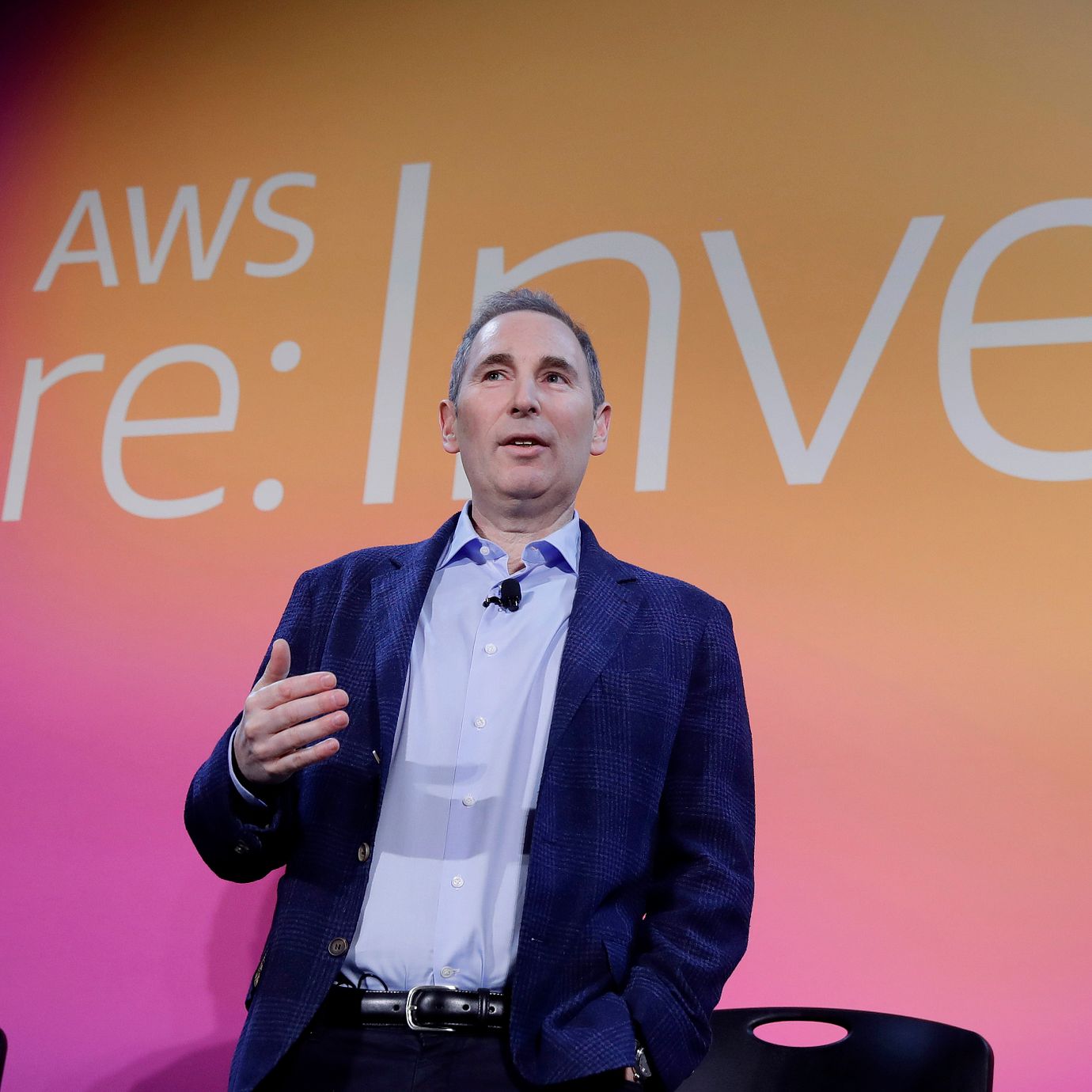
Working with both OpenAI and Anthropic will position Amazon well for that moment. “The Everything Store” remains true to its name, with AWS now able to offer customers ways to build on the two leading families of models as well as numerous others, including its own, Nova. It also supports a variety of chips, including those of Nvidia and its cheaper in-house alternative, Trainium.
Microsoft and Google offer variety, too. Azure provides models from OpenAI and Anthropic, as does Google, which also has its own top-tier model, Gemini, and chips called TPUs. But at a time when all hyperscalers say that demand for their AI services outstrips supply, Amazon’s two rivals may find it harder to allocate scarce computational resources to their cloud customers. That is because their other big businesses—Microsoft’s Office products and Google’s search—are more profitable than their cloud services, making them a more obvious priority for AI chips. With Amazon, things are different. The margins of Amazon.com are paltry compared with those of AWS, and it has a culture of doing a lot with little. Cloud customers may be more likely to come first.
Raising the Rufus
Wall Street has mixed feelings about Amazon’s capex splurge. Although its shares have outperformed Microsoft’s this year, they are still down by 8%, mostly because of doubts about the return on its spending spree. In the short term, depreciation costs stemming from the new investments will rise before revenue from them starts to flow. Brent Thill of Jefferies, a bank, says investors are also worried that the growing costs of AI infrastructure will weaken cloud margins even over the long term.
Another source of worry is the rise of AI agents embedded in chatbots that can shop on a user’s behalf. They could threaten Amazon’s core business—bypassing Amazon.com or robbing it of relationships with customers and advertisers. Yet the company is better placed than its sceptics fear. Shortly after it struck its deal with OpenAI, the model-maker shelved plans to launch a shopping service called Instant Checkout. Rufus, Amazon’s agentic-AI shopping assistant, helped generate $12bn of incremental annualised sales last year.
Other model-makers such as Google are muscling into e-commerce, but for now Amazon appears to be fending off the threat. By all means call the spending spree Capexapalooza. But it does not mean Amazon will end up a looza.
© 2026 The Economist Newspaper Limited. All rights reserved.