Feds tuffa inflationsläxa från 70-talet: Tumma inte på oberoendet
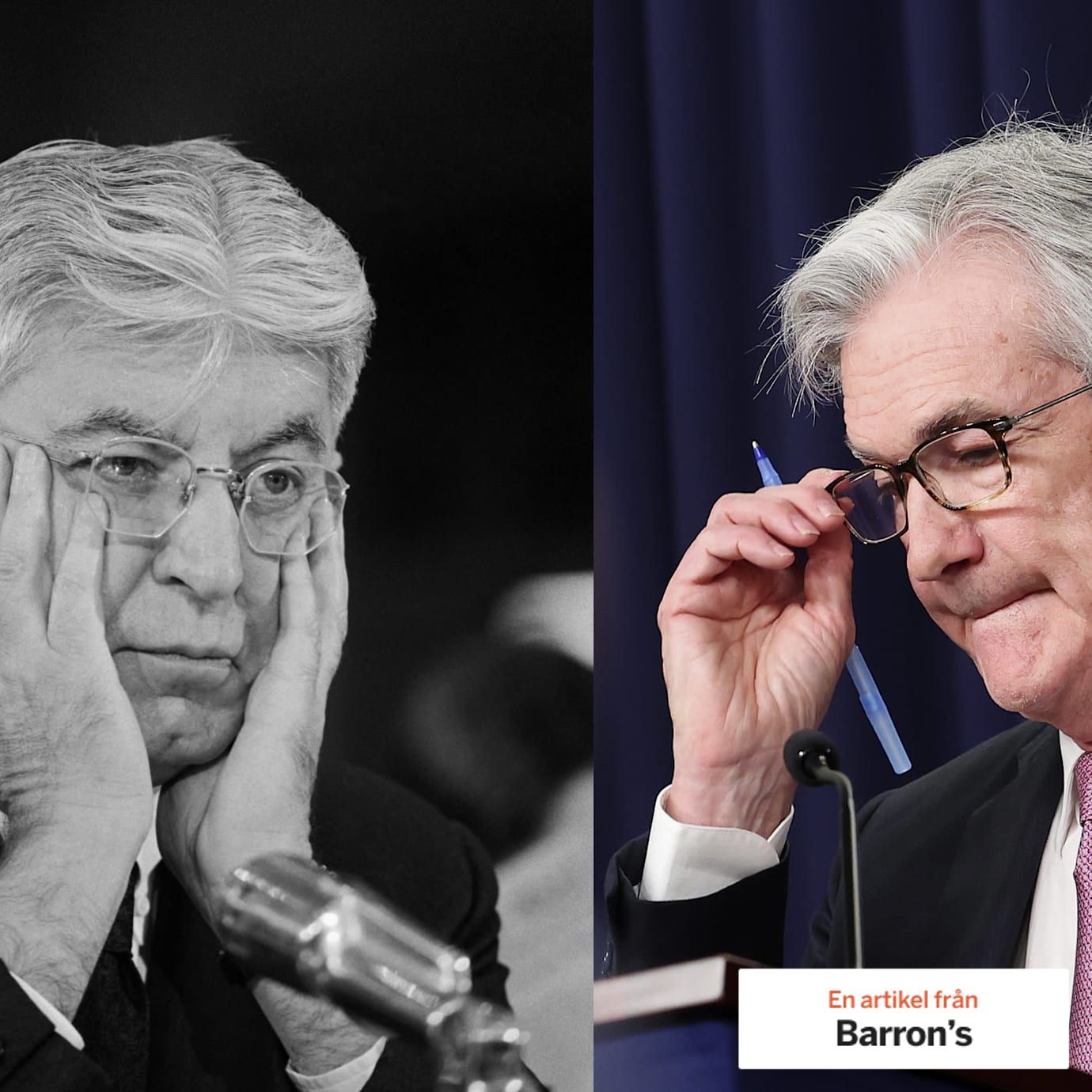
Arthur F Burns är känd för att vara den Fed-chef som misslyckades med att stoppa den kraftiga inflationen i USA på 1970-talet. Det resulterade i den värsta ekonomiska krisen sedan den stora depressionen.
Om det är något dagens Fed-chef Jerome Powell inte vill bli känd för när han försöker ”mjuklanda” ekonomin, så är det att bli en ny Burns.
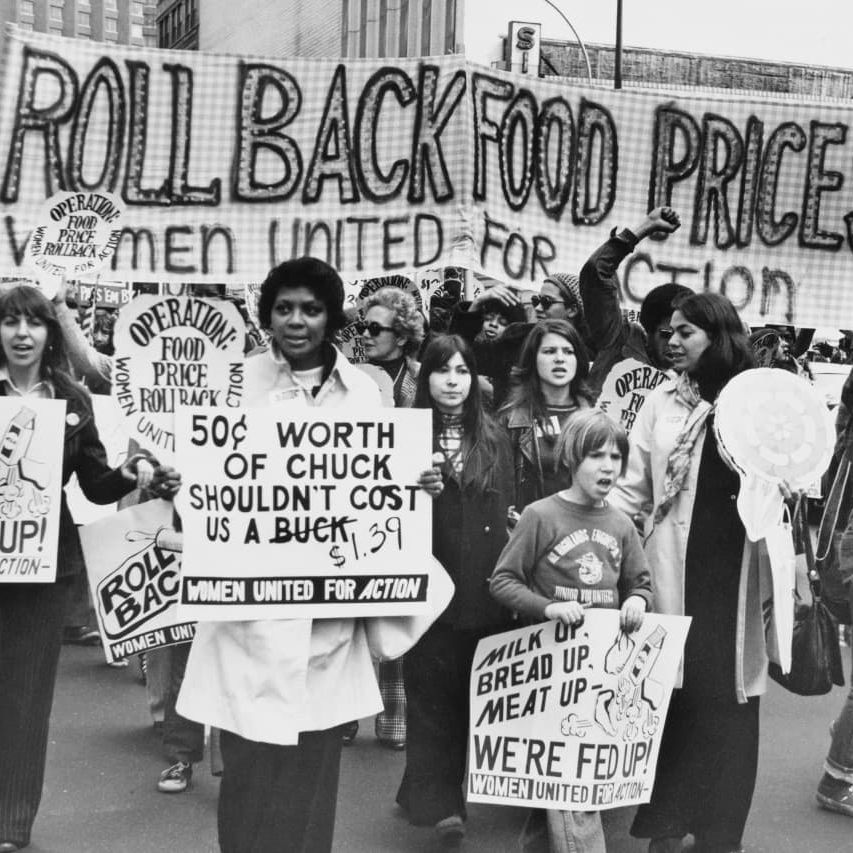
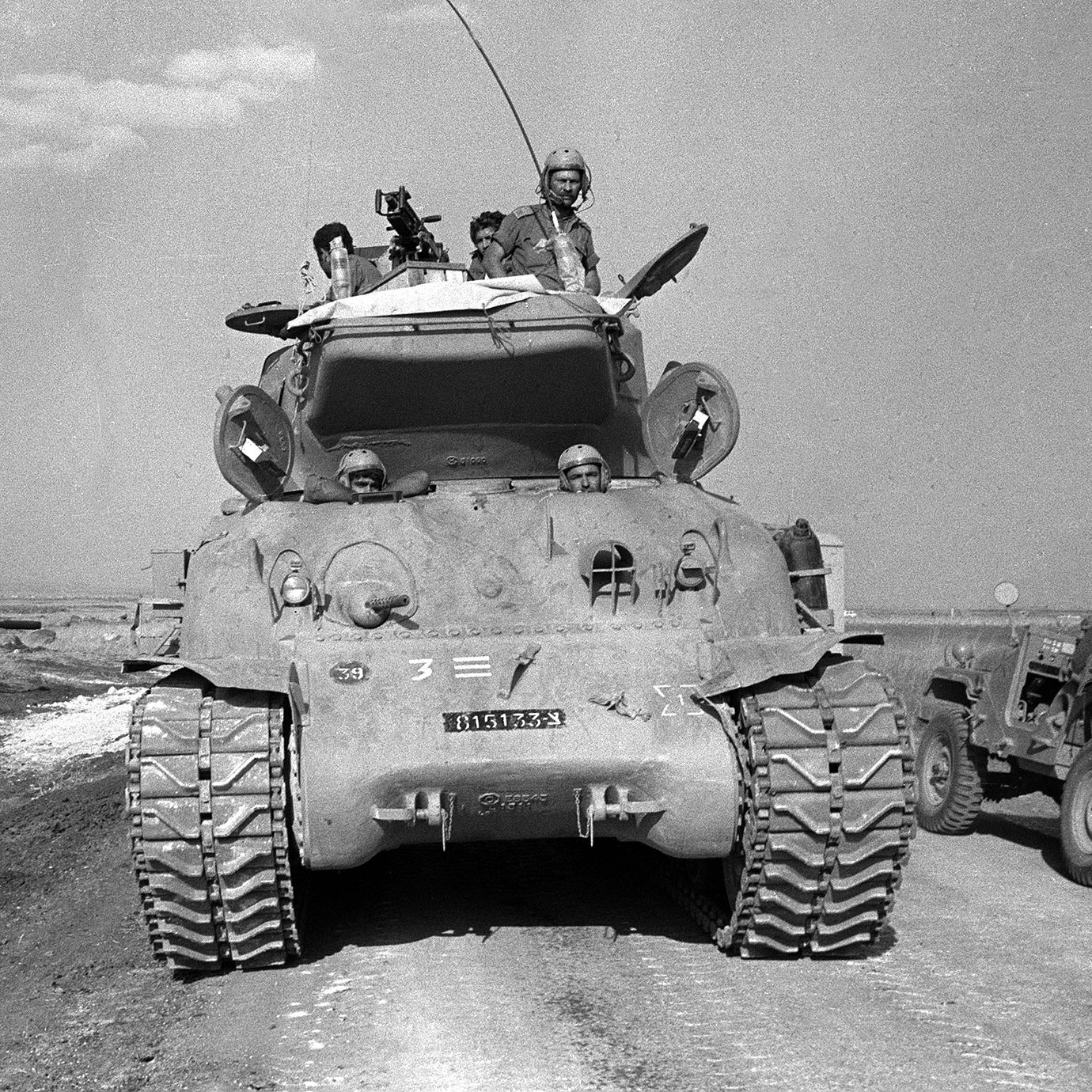
Lördagens attack av Hamas mot Israel för tankarna till Jom kippur-kriget 1973, som blev startskottet för en olje- och inflationskris. Demonstrationer hölls i USA mot de stigande matpriserna och Federal Reserve pressades av politiker. Även om energimarknaden inte ser ut att skakas om på samma sätt i dag, kan Powell lära sig något av historien.
Den allra viktigaste läxan? Kompromissa inte med centralbankens oberoende, skriver Barron’s.
 Barron's
The Fed Whiffed on Inflation in the ’70s. It Doesn’t Want a Repeat.
Arthur F. Burns is known as the Federal Reserve chairman who failed to stop surging inflation in the 1970s, resulting in America’s worst economic downturn since the Great Depression.
If there’s one thing today’s Fed Chair Jerome Powell doesn’t want to be known as, it’s another Burns. Yet, as the central bank’s tightening cycle nears an end, with an elusive soft landing in sight, he faces the choice of easing up or tightening the screws a bit more, risking a recession to make sure all the Fed’s hard work isn’t undone in one bad call.
There is another similarity between then and now: volatile energy prices. In 1973, the catalyst was the Yom Kippur War, which produced an Arab oil embargo and soaring prices at the pump. Saturday’s attack on Israel by Hamas is pushing up energy prices again.
Burns made his bad call in the fall of 1973. With the economy beset by slow growth, rising unemployment and high inflation—dubbed “stagflation”—the House Banking Committee wanted to know what the Fed was doing about it.
Repeating a line he had used for weeks, Burns told the committee on Sept. 12 that the Fed “intends to pursue a restrictive monetary policy until the growth of the monetary and credit aggregates has been subdued.”
In those days, inflation was controlled mostly through the money supply, rather than through interest rates, as today. Shrink the money supply to slow inflation, increase it to spur growth. Burns had chosen to shrink it, risking a recession.
Then he flip-flopped.
On Oct. 10, the Federal Open Market Committee, in secret, voted to increase the money supply. This was the start of an easing strategy that sent inflation soaring to its highest non-war levels in U.S. history—since dubbed “the Great Inflation.”
“The head of the Fed,” Barron’s lamented of Burns on June 10, 1974, “talks tough but wields a small stick.” In the next few months, we will see how big Jerome Powell’s stick is.
Arthur Burns had been a respected, pipe-smoking economist and favorite in the Eisenhower administration. Then-Vice President Richard Nixon took a shine to him and, after gaining the top job in 1968, tapped Burns for the Fed.
It was on Nixon’s couch that Burns’s fate, like so many others’, was sealed.
“I’m counting on you, Arthur, to keep us out of a recession,” Nixon told Burns on Oct. 23, 1969, after nominating him, according to then White House counsel John Ehrlichman.
“Yes, Mr. President,” was about all Burns could muster in reply.
Nixon made clear that the Fed chief was part of his team, not an independent power center. And the team’s problem was a weak economy inherited from the Johnson administration. That wouldn’t do for Nixon, who was already looking ahead to another term.
“I don’t want to go out of town fast,” Nixon tells Burns in an Oct. 10, 1971, conversation recorded on his secret White House tapes. The president was fixated on increasing the money supply.
To address inflation, Nixon’s team developed a series of measures, including wage and price freezes, import surcharges, and the effective ending of the gold standard.
Burns acted “more like a member of the administration—plotting political strategy in White House meetings”
“With these wage and price controls in place, Burns may have felt a sense of freedom to worry less about inflation and more about getting the economy going,” the economist Burton A. Abrams writes in his paper, “How Richard Nixon Pressured Arthur Burns: Evidence From the Nixon Tapes.”
“Whatever the reason, monetary policy becomes increasingly expansionary,” Abrams writes.
And Burns kept his boss informed of his progress.
“I wanted you to know that we lowered the discount rate,” Burns tells Nixon in a Dec. 10, 1971, phone call recorded on the White House tapes. “Got it down to 4.5%.”
“Good, good, good,” replies Nixon. When Burns says the Federal Open Market Committee resisted, the president tells him, “just kick ‘em in the rump.”
To economist Ben Bernanke, Fed chair from 2006 to 2014, his predecessor crossed a line.
Burns acted “more like a member of the administration—plotting political strategy in White House meetings and discussing policy initiatives unrelated to Fed responsibilities—than the head of an independent central bank,” Bernanke writes in his Fed history, “21st Century Monetary Policy.”
Meanwhile, the various wage and price freezes, running in phases from August 1971 to April 1974, only held back inflation temporarily. Prices exploded each time a freeze ended.
Burns was in a fix by the fall of 1973. Inflation had jumped from an annualized 2.89% in February to 4.78% in October. Americans were feeling the pinch, and any hint of rising prices was front-page news.
“Mothers fighting the battle of the household budget will get another blow to the pocketbook when their children return to school,” reported the Sept. 3, 1973, Hanover, Pa., Evening Sun. “School lunch prices are being hiked 5 to 10 cents across the nation.”
At the same time, the stock market was in the midst of its steepest decline since the Depression, unemployment was at 4.8% (3% was considered “full” employment then), and Middle East geopolitics were being felt at the gas pump.
What’s a Fed to do?
“Fed Voted Easing in Money Policy,” was the headline Dec. 18, 1973, when the New York Times first reported on the FOMC decision—made two months earlier—to increase monetary aggregates.
The Fed didn’t typically announce its decisions back then, and it certainly didn’t discuss them publicly. But sometimes they were obvious, like the reduction in margin requirements enacted Jan. 2, 1974, to spur stock trading.
“Dr. Burns’ special prescription for hangovers,” as Barron’s columnist Alan Abelson called it, produced a “spectacular rally.”
The doctor’s hangover cure also enlivened inflation in 1974, pushing it to 6.3% in February—when Burns changed course yet again and went back to tightening. Inflation and unemployment both soared as the economy stalled.
“I felt that the President was going mad”
How bad did it get? On Dec. 30, 1974, Barron’s ran the headline: “No Depression: Our Year-End Panel Sees Business Hitting Bottom by June.”
No depression: That was something to cheer?
To be sure, Burns was in an impossible position. Nixon’s bullying could be “startling and even frightening,” he wrote in his personal diary. At times, he writes, “I felt that the President was going mad.”
Yet Nixon’s abrupt exit in 1974 didn’t end Burns’s flip-flopping, which continued under two more presidents, perplexing scholars.
Abrams, the economist, suggests that amid Nixon’s rantings, “Burns was nonetheless setting monetary policy according to his best judgment in a tumultuous macroeconomic time.”
Burns admits in his 1979 apologia, “The Anguish of Central Banking,” that under his Fed a “restrictive stance had not been maintained long enough to end inflation.” Yet he calls mistakes on the monetary side “subsidiary,” and points to untried fiscal remedies (balanced budget, corporate tax cuts).
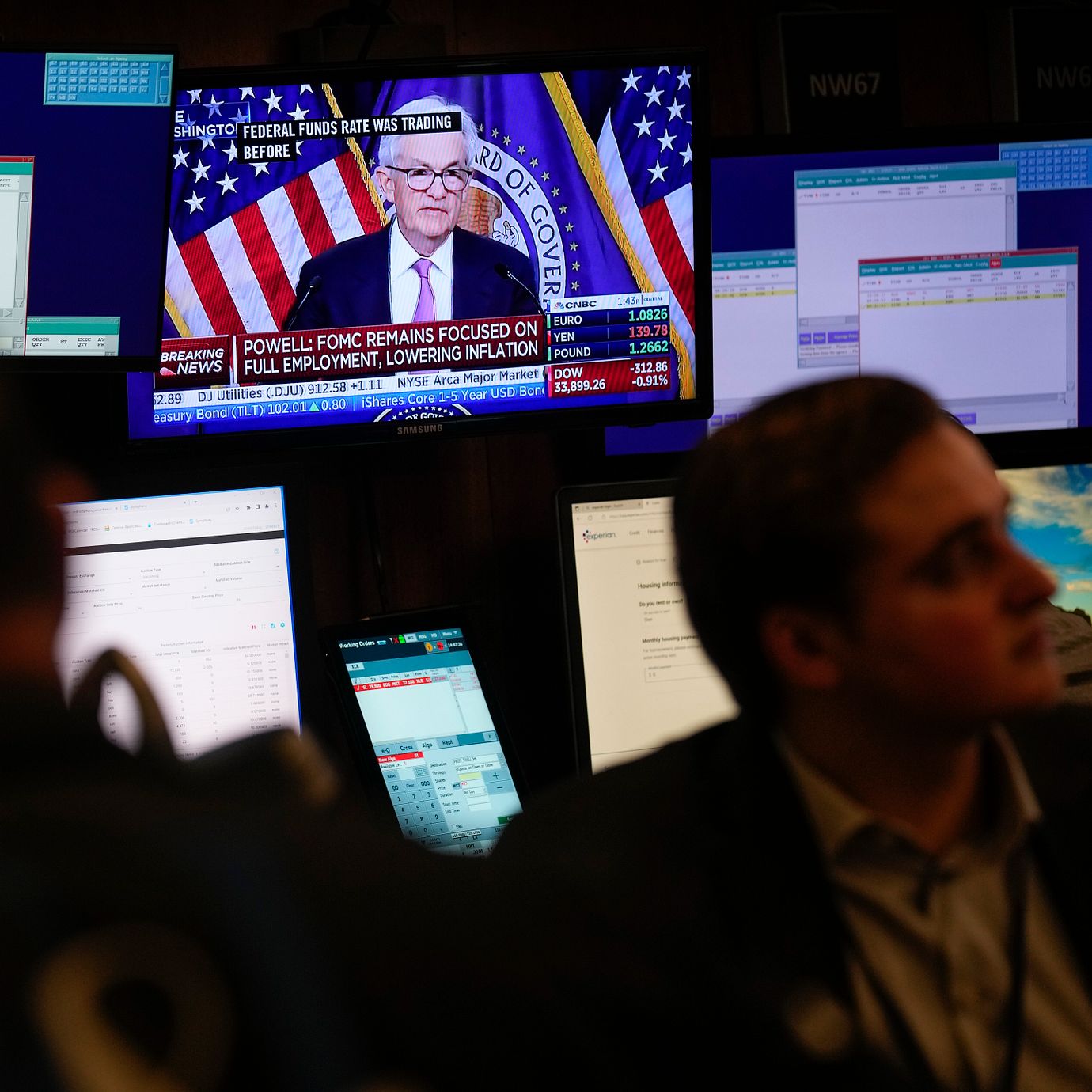
Burns’s failure now serves as an object lesson for central bankers. The first rule—don’t compromise the bank’s independence in the face of a hectoring president—is one Powell seemingly learned well while working with then President Donald Trump, who appointed him.
Like Nixon, Trump wanted easy money. On Twitter, he called the FOMC “boneheads” for not introducing negative rates. He said they were “clueless.” He discussed firing Powell. “Who is our bigger enemy, Jay Powell or Chairman Xi?,” he tweeted.
“It’s hard to overstate how jarring Trump’s tactics were,” Bernanke writes, commending Powell for “not taking the bait.”
Friday’s buoyant unemployment report certainly offers Powell cover to stay higher for longer, or even raise rates. And Abrams argues that Fed policy isn’t all that tight historically, especially “given the massive deficits that the Treasury continues to run.”
Yet, in considering Powell’s coming choice, Abrams, a professor emeritus at University of Delaware, points to the Fed’s role in expanding the money supply that helped ignite our current bout with inflation.
“Powell is a Trump appointee, and he got us into the worst inflation in 40 years,” Abrams says. “So who knows what will happen.”