Fedveteran: Greenspan en gud – Powell kan bli större
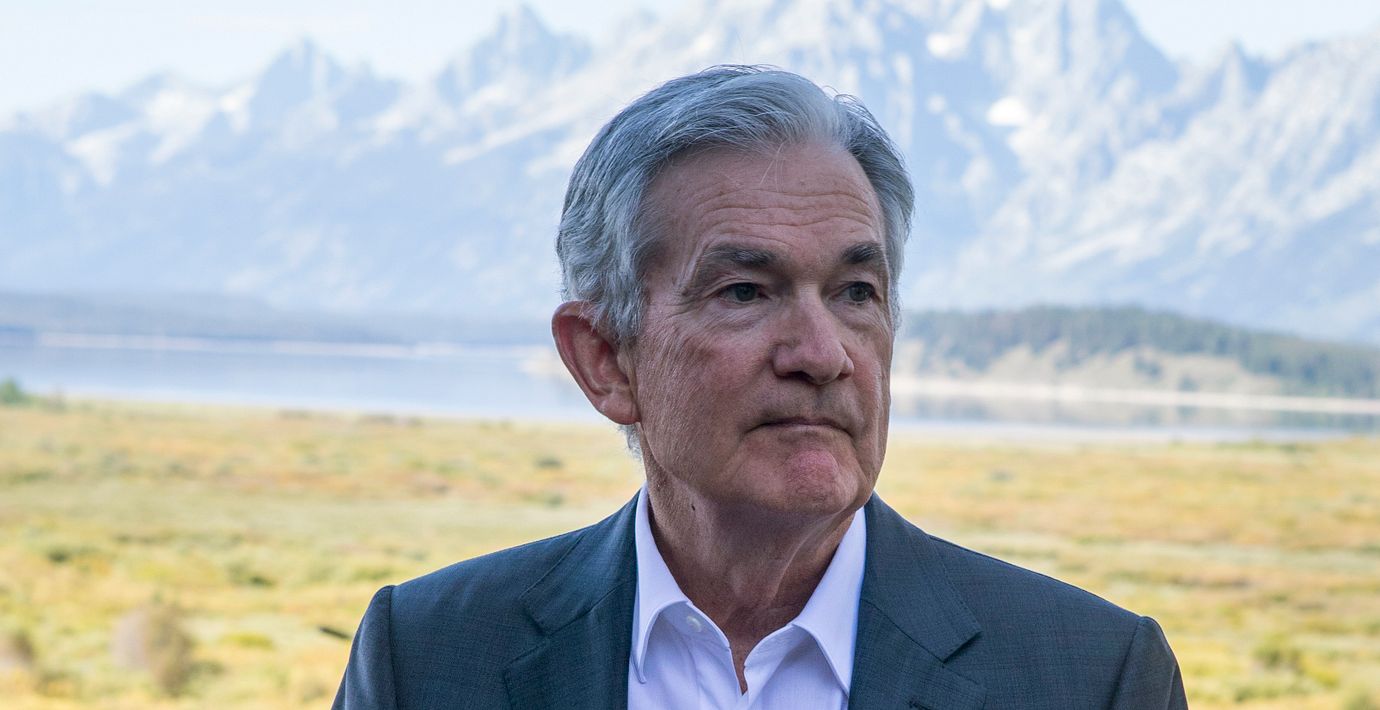
Fedchefen Alan Greenspan blev en gud när han mjuklandade den amerikanska ekonomin i slutet på 90-talet, säger hans tidigare högra hand Alan Blinder till FT. Nuvarande Fedchef Jerome Powell är påväg att lyckas med samma utmaning, men under mycket svårare omständigheter, menar Blinder.
– Om Powell åstadkommer en mjuklandning kommer han hamna i Feds ”hall of fame”.
Blinder påpekar att Greenspan inte behövt hantera de hinder som Powell stått inför, såsom pandemin, kriget i Ukraina och ”den högsta inflationen på flera decennier”.
bakgrund
Alan Blinder
Wikipedia (en)
Alan Stuart Blinder (, born October 14, 1945) is an American economics professor at Princeton University and is listed among the most influential economists in the world. He is a leading macro-economist, politically liberal, and a champion of Keynesian economics and policies.
Blinder served on President Bill Clinton's Council of Economic Advisers from January 1993 to June 1994 and as the vice chairman of the Federal Reserve from June 1994 to January 1996.
His academic work has focused particularly on monetary policy and central banking, and on the "offshoring" of jobs. His writing has been published in The New York Times, The Washington Post, as well as a monthly column in The Wall Street Journal.
Regarding the 2008 near-meltdown of major financial institutions, Blinder drew ten lessons for fellow economists, including “Excessive complexity is not just anti-competitive, it's dangerous” and “Illiquidity closely resembles insolvency.”
bakgrund
Alan Greenspan
Wikipedia (en)
Alan Greenspan (born March 6, 1926) is an American economist who served as the 13th chairman of the Federal Reserve from 1987 to 2006. He worked as a private adviser and provided consulting for firms through his company, Greenspan Associates LLC.
First nominated to the Federal Reserve by President Ronald Reagan in August 1987, he was reappointed at successive four-year intervals until retiring on January 31, 2006, after the second-longest tenure in the position, behind only William McChesney Martin. President George W. Bush appointed Ben Bernanke as his successor.
Greenspan came to the Federal Reserve Board from a consulting career. Although he was subdued in his public appearances, favorable media coverage raised his profile to a point that several observers likened him to a "rock star". Democratic leaders of Congress criticized him for politicizing his office because of his support for Social Security privatization and tax cuts.
Many have argued that the "easy-money" policies of the Fed during Greenspan's tenure, including the practice known as the "Greenspan put", were a leading cause of the dot-com bubble and subprime mortgage crisis (the latter occurring within a year of his leaving the Fed), which, said The Wall Street Journal, "tarnished his reputation". Yale economist Robert Shiller argues that "once stocks fell, real estate became the primary outlet for the speculative frenzy that the stock market had unleashed". Greenspan argues that the housing bubble was not a result of low-interest short-term rates but rather a worldwide phenomenon caused by the progressive decline in long-term interest rates – a direct consequence of the relationship between high savings rates in the developing world and its inverse in the developed world.
Omni är politiskt obundna och oberoende. Vi strävar efter att ge fler perspektiv på nyheterna. Har du frågor eller synpunkter kring vår rapportering? Kontakta redaktionen