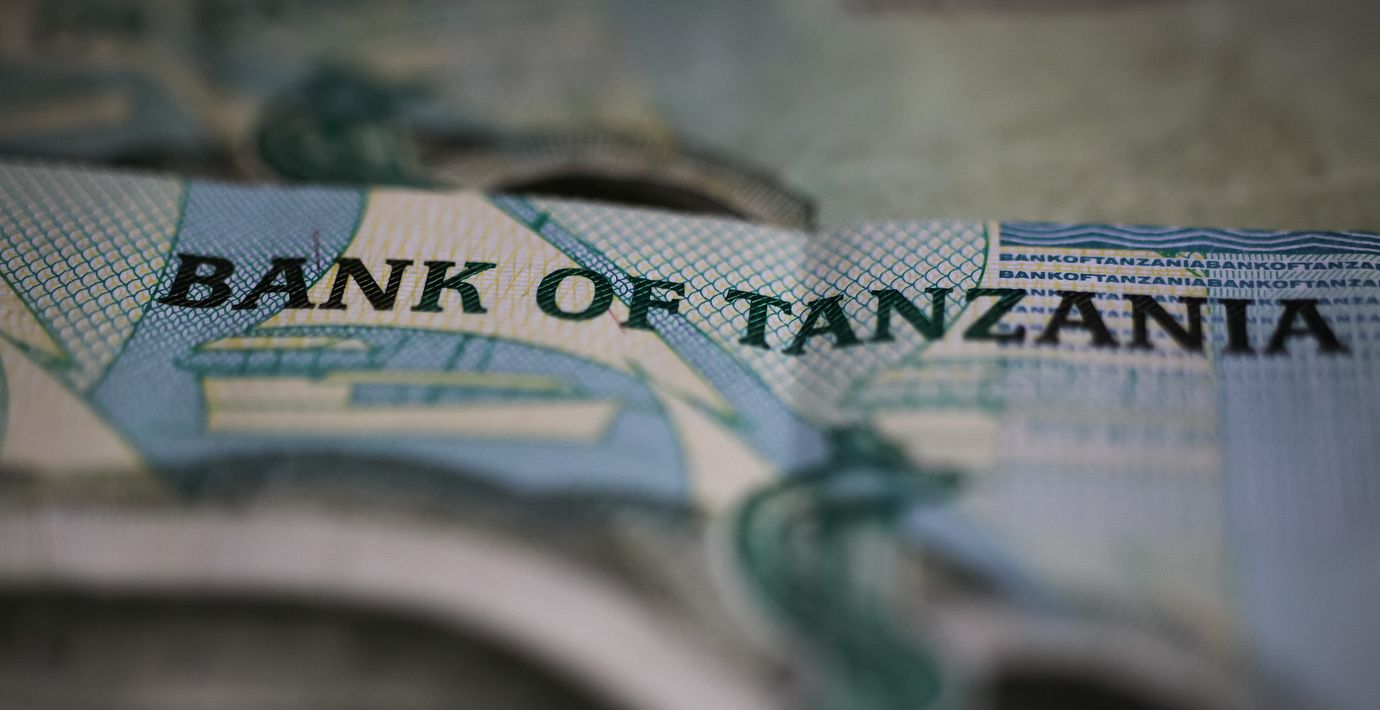
Fomo får Tanzania att haka på digitala valutatrenden
Tanzanias centralbank hakar på trenden och planerar att introducera en digital valuta, skriver Bloomberg. Beskedet kommer efter att flera tillväxtländer redan gått samma väg, bland annat Nigeria som var först ut på den afrikanska kontinenten.
Centralbankschefen Florens Luoga erkände vid en presskonferens på torsdagen att det handlar om ”fomo” (fear of missing out).
– För att säkerställa att vårt land inte hamnar efter i utvecklingen av digitala centralbanksvalutor har Bank of Tanzania redan börjat förbereda sig för att ha sin egen digitala centralbanksvaluta, sa han enligt nyhetsbyrån.
bakgrund
Central bank digital currency (CBDC)
Wikipedia (en)
A central bank digital currency (CBDC) (also called digital fiat currency or digital base money) is a digital currency issued, or proposed to be issued, by a central bank, rather than by a commercial bank.
A report by the Bank for International Settlements states that, although the term "central bank digital currency" is not well-defined, "it is envisioned by most to be a new form of central bank money [...] that is different from balances in traditional reserve or settlement accounts."The present concept of CBDCs was inspired by Bitcoin and similar blockchain-based cryptocurrencies, but differs from such a virtual currency and cryptocurrency in that a CBDC is or would be issued by a state and have an official legal tender status. Many CBDC implementations will likely not use any sort of distributed ledger such as a blockchain though a few countries notably China is exploring the usage of blockchain into CBDC.CBDCs are presently mostly in the hypothetical stage, with some in proof-of-concept programmes; however, more than 80% of central banks are looking at digital currencies. China's digital RMB was the first digital currency to be issued by a major economy. On 27 September 2021, Tajikistan announced the creation of a CBDC with the Fantom Foundation, utilizing their Lachesis consensus aBFT technology. Nigeria was the first African country to launch its CBDC on 25th of October, 2021.
bakgrund
Fomo (fear of missing out)
Wikipedia (en)
Fear of missing out (FOMO) is the feeling of apprehension that one is either not in the know or missing out on information, events, experiences, or life decisions that could make one's life better. FOMO is also associated with a fear of regret, which may lead to concerns that one might miss an opportunity for social interaction, a novel experience, a memorable event, or a profitable investment. It is characterized by a desire to stay continually connected with what others are doing, and can be described as the fear that deciding not to participate is the wrong choice. FOMO could result from not knowing about a conversation, missing a TV show, not attending a wedding or party, or hearing that others have discovered a new restaurant. FOMO in recent years has been attributed to a number of negative psychological and behavioral symptoms.FOMO has increased in recent times due to advancements in technology. Social networking sites creates many opportunities for FOMO. While it provides opportunities for social engagement, it offers a view into an endless stream of activities in which a person is not involved. Psychological dependence on social media can lead to FOMO or even pathological internet use. FOMO is also present in video games, investing, and business marketing. The increasing popularity of the phrase has led to related linguistic and cultural variants. FOMO is associated with worsening depression and anxiety, and a lowered quality of life.
Omni är politiskt obundna och oberoende. Vi strävar efter att ge fler perspektiv på nyheterna. Har du frågor eller synpunkter kring vår rapportering? Kontakta redaktionen