”Hej, jag är en air-aholic” – inte ens Warren Buffett lyckas med flygaktier

Flygbolagen fortsätter att brottas med finansiella svårigheter, trots ett rekordhögt resande och sjunkande bränslepriser. Delta Air Lines och flera andra jättar har sänkt sina prognoser i den pågående rapportfloden, skriver Barron’s.
Historiskt sett har flygaktier varit dåliga investeringar – även för en stjärninvesterare som Warren Buffett. Något han själv har skämtat om:
– Jag har ett nummer som jag ringer varje gång jag funderar på att köpa aktier i ett flygbolag. Jag säger, ”Jag heter Warren och jag är en air-aholic.”
 Barron's
Airports Are Packed. Why Airline Stocks Are Stuck on the Tarmac.
Airports are packed, but that’s not helping the boom-and-bust airline sector. The industry has a long history of fooling even the savviest of investors.
Check out this summer setup. This past Sunday, TSA officers screened 3,013,413 people at U.S. airports—a record. So many American tourists are streaming to Europe and Japan (on high-margin flights) that locals are protesting and trying to curb the flood. Meanwhile, the price of jet fuel is down 4.8% since last July and interest rates are stable.
Airlines have got to be raking it in, right? Not exactly.
You see, with this business there’s always something. No sector snatches defeat from the jaws of victory better than the airline industry—a great black hole of the global economy. Airlines are mostly a money pit into which investors willfully pour billions of dollars, sucking in ordinary Joes and genius billionaires alike. (That means you, Warren Buffett!) Most remarkable is that even with decades of irrefutable evidence and flashing red lights, it’s a process that repeats itself over and over.
Case in point: Take Thursday, when Delta Air Lines, the world’s alpha carrier, reported earnings. “We delivered record June-quarter revenue and pretax income of $2 billion with a 15 percent operating margin,” CEO Ed Bastian noted in a statement. And yet, second-quarter profit fell 29% from a year earlier and the carrier lowered guidance for the third quarter to $1.70 to $2 a share, well short of the $2.04 consensus FactSet estimate.
The problem? In an interview with The Wall Street Journal, Bastian explained that airlines, including Delta, got too optimistic and added too many flights with too many seats. That put downward pressure on ticket prices.
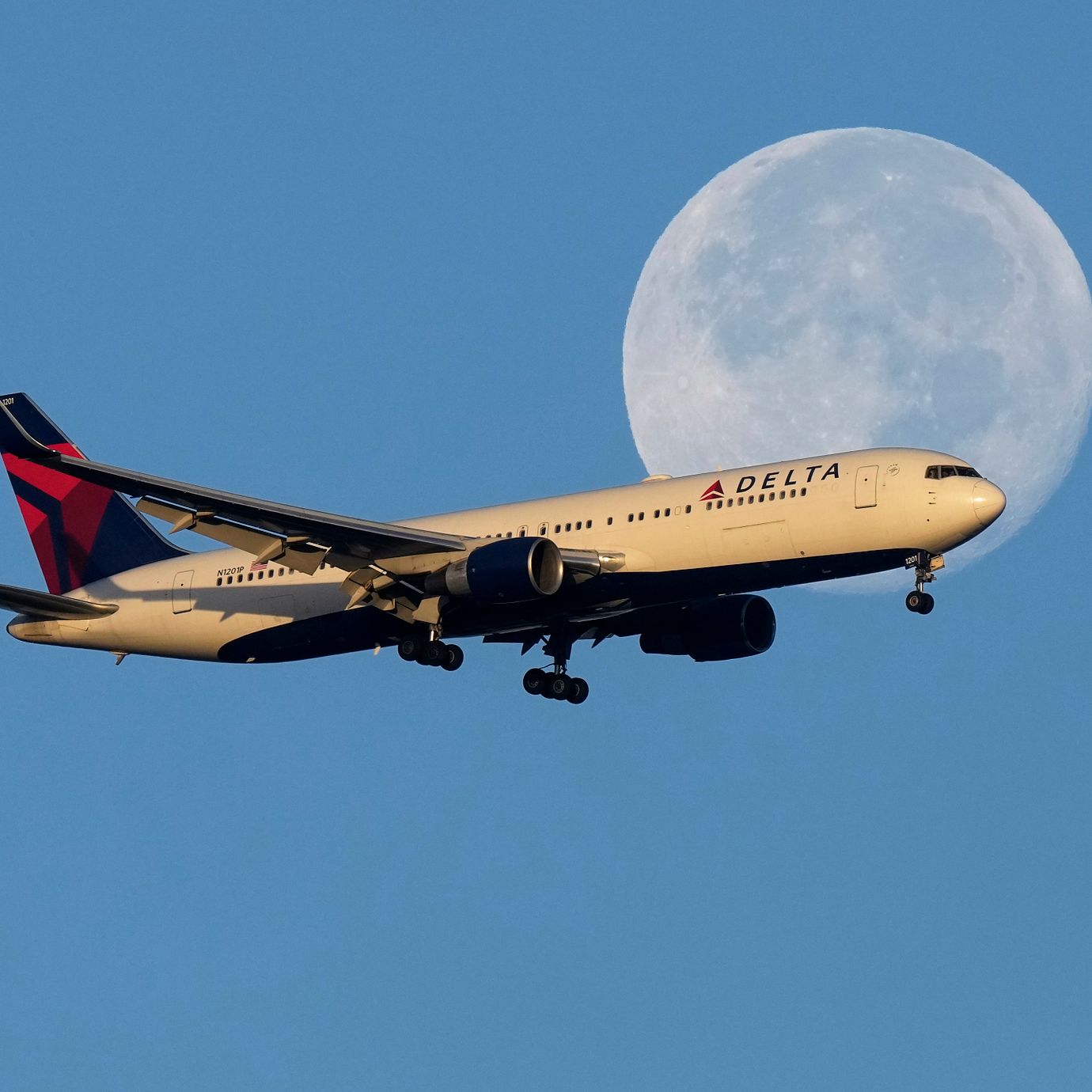
Delta’s stock, which until Wednesday had more or less matched the S&P 500 this year (up 16%), got crushed, falling some 4% on Thursday. United Airlines Holdings and American Airlines Group report this coming week. Expect more of the same—or worse.
Sigh. And so here we go again with airlines.
Some may point to a few money-making episodes, like JetBlue Airways’ tasty little run-up from 2011 to 2015 (shares went from $4 to $25) or the industry’s snapback rally from Covid in 2020, where the stocks doubled. And yes, there is the exception that proves the rule: Southwest Airlines ’ 60-fold gain from the early 1990s to 2020, when that company rode the success of its paradigm-breaking business model.
But even those exceptions proved fleeting. JetBlue now trades around $6. The NYSE Arca Airline Index is down 48% from its post-Covid high at the end of 2020. And at around $27, Southwest, now beset with issues, trades for less than half what it fetched three years ago.
As with many years prior, the industry was finally going to get its act together this year. Morgan Stanley analyst Ravi Shanker noted that he had “called 2024 possibly the most consequential year in recent memory, and we were off to a good start.”
American Airlines is arguably even more of a problem child
But in a note this past Monday titled “This Is Going to Ruin the Tour” (referring to what Justin Timberlake reportedly said when he was pulled over by police on Long Island recently for DWI), Shanker said that “capacity missteps have put the space somewhat on the back foot.” That’s analyst speak for “they put too many dang planes in the air.”
On Wednesday, Seaport’s Dan McKenzie knocked down his estimate of the airline industry’s pretax profit for 2024 to $12.7 billion on $229 billion in revenue, down from $14.4 billion on $232 billion in revenue he forecast in January. “Revenue disappointments have been material from Southwest and American,” McKenzie says.
Southwest, a major customer of Boeing ’s 737 MAX, has been badly punished by that five-years-and-counting debacle, in terms of delivery delays and groundings of aircraft. A series of systemwide computer failures have vexed the carrier. McKenzie says Southwest is overstaffed relative to the number of planes it flies and believes the company will need to reduce headcount by up to 4,000 employees in 2025 and 2026, in addition to the company’s target reduction of 2,000 this year. Southwest declined to comment.
This Sturm und Drang has attracted activist investor Elliott Management, which has bought a $1.9 billion, or 11%, stake in Southwest, and on Monday reiterated its call for leadership change. To hear Elliott tell it, and if you like long-shot trades, LUV might be for you: “We are convinced that Southwest represents the most compelling airline turnaround opportunity in the last two decades.”
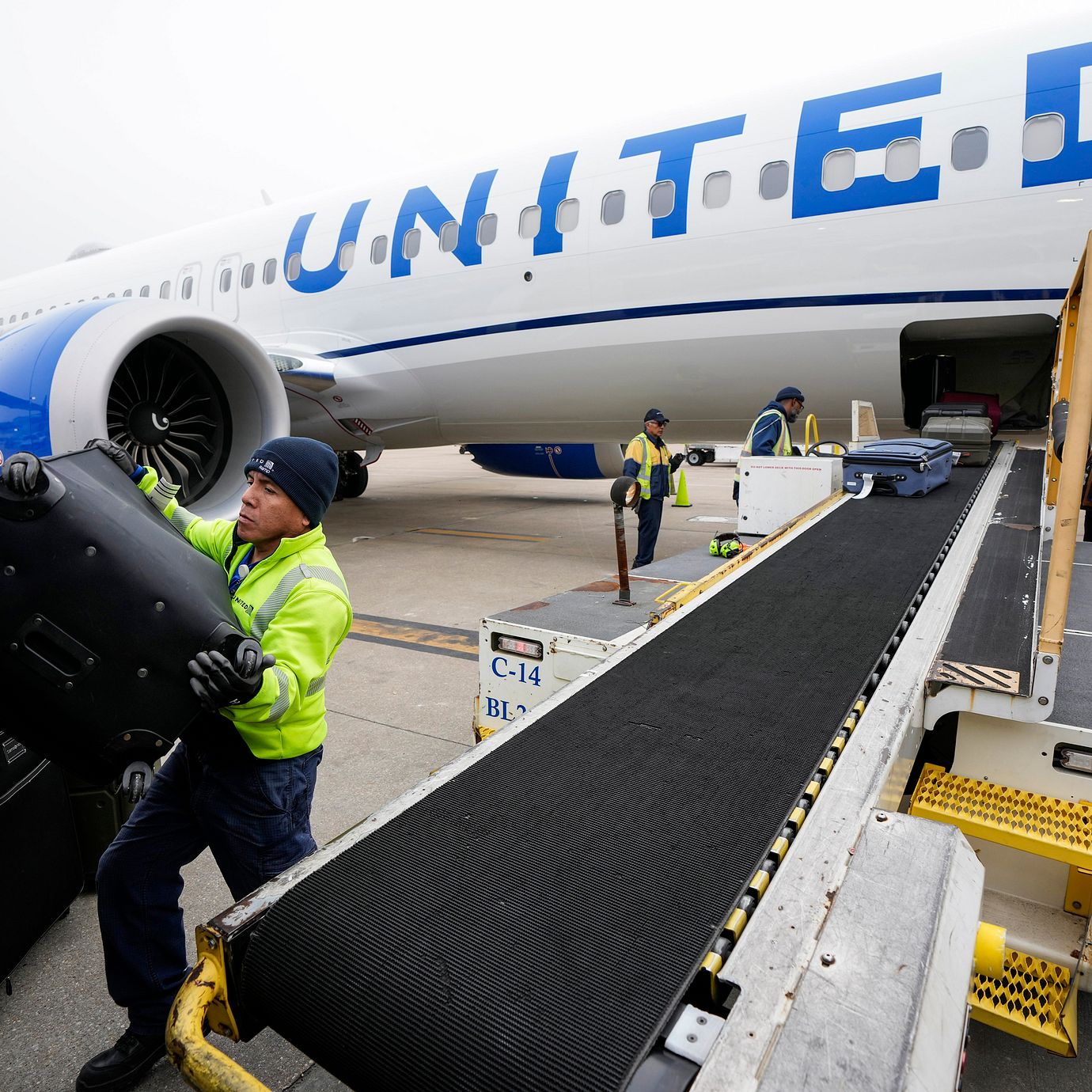
American Airlines is arguably even more of a problem child. Give company CEO Robert Isom points for candor when in late May he said “we dug ourselves a hole,” lowered guidance, and announced a top executive was leaving after implementing a strategy that ticked off business travelers by favoring customers who purchased flights from the airline directly.
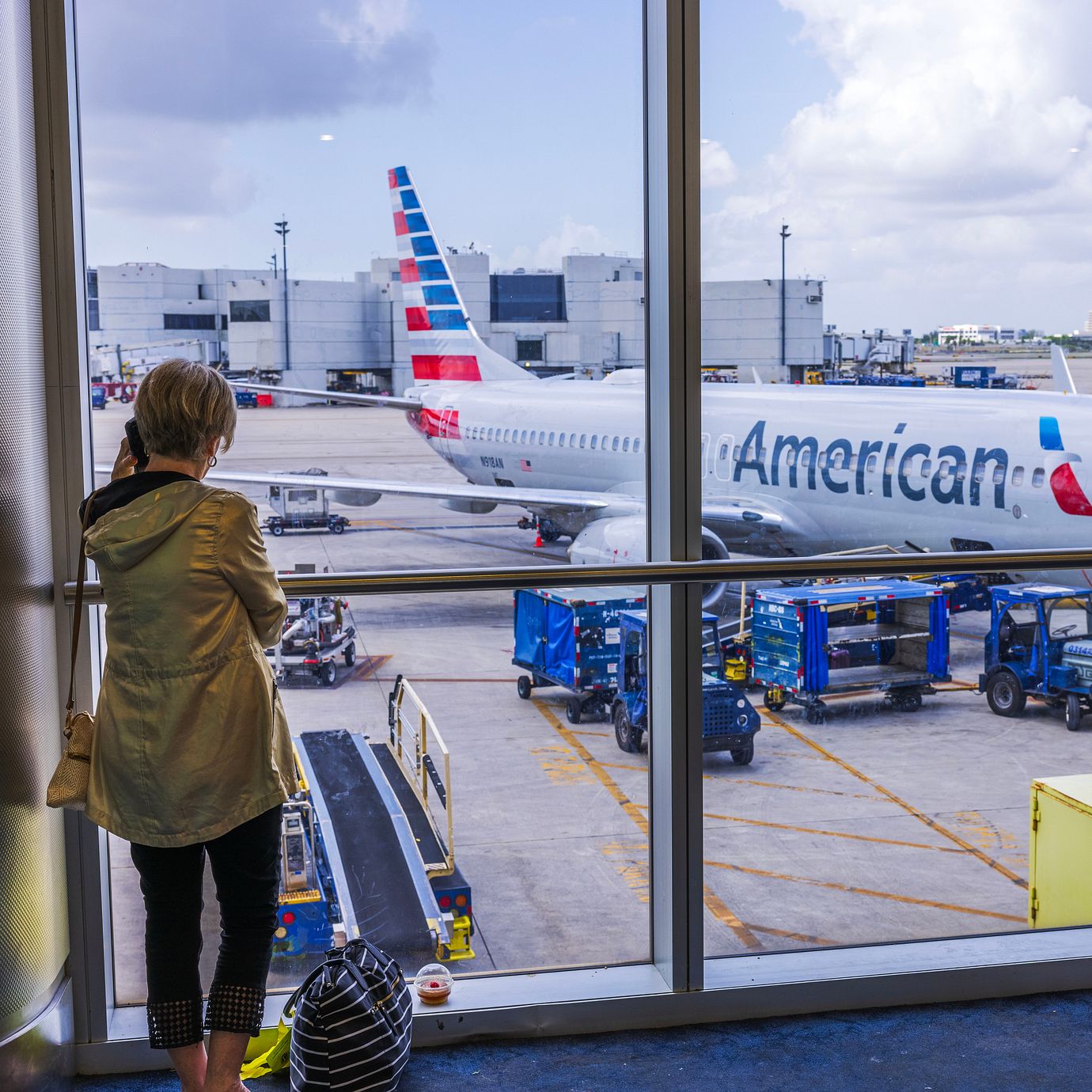
A weak pricing environment hurts American more than other big carriers, according to Deutsche Bank analyst Michael Linenberg, because it has more exposure than its peers to ultralow-cost carriers Frontier Group Holdings and Spirit Airlines . American’s stock is down 22% this year.
Speaking of Spirit, it’s in survival mode after more than two years of trying and failing to merge with JetBlue, which is sputtering as well. Both have been flying in the red since Covid, losing more than $4 billion between them.
None of this is new except for the names. Grayer beards will recall airlines of cycles past: Eastern, Pan Am, Braniff, and of course US Airways—the airline so nice it went into bankruptcy twice. (To be fair, so did Continental.)
And speaking of twice, Warren Buffett made two high-profiles forays into the business—ill-fated investments in US Air, where he admits he compiled “a record unblemished by success,” and more recently, buying and then selling a multibillion-dollar bundle of airlines at a loss when Covid struck.
“U.S. airline bankruptcies” has its own Wikipedia page, with dozens of carriers
Buffett’s failures have been the source of self-deprecating yucks: “The worst sort of business is one that grows rapidly, requires significant capital to engender the growth, and then earns little or no money. Think airlines.” And, “[I]f a farsighted capitalist had been present at Kitty Hawk, he would have done his successors a huge favor by shooting Orville down.” And, “I now have an 800 number I call every time I think about buying a stock in an airline. I say, ‘I am Warren and I am an air-aholic.’ ”
Legendary hedge fund manager Julian Robertson invested in US Air with similar results. After its bankruptcies (and after buying the never-profitable Trump shuttle), US Airways merged into American Airlines, which itself went into bankruptcy in 2011.
Maybe I’m being unfair picking on US Air, which is no anomaly. “U.S. airline bankruptcies” has its own Wikipedia page, with dozens of carriers. The list of “defunct airlines of the United States ” is much longer, carrying this note: “For reasons of size, this article is broken into four parts.”
In part, the airline business is like one big Groundhog Day because of factors beyond its control. Airlines are heavily unionized; more than 20% of its operating costs are jet fuel; and it’s exposed to the vagaries of interest rates, as airlines borrow heavily to buy big commercial aircraft from Boeing and Airbus, which start at $100 million. Airlines have debt-to-equity ratios of between five to six times versus 1.5 times for the average S&P 500 company. As for equity, the entire U.S. airline industry has a combined market cap of some $80 billion, about the same as Chipotle Mexican Grill.
It also doesn’t help that the industry is highly regulated. That has helped make flying safe—but function well for customers, employees, or shareholders? Please. The business is also remarkably commoditized. Only Southwest was really ever able to differentiate through point-to-point flights, coach-only, and open seating, and more. Others have tried through various means and programs but not enough to outweigh customers’ primary decision-making factors: schedule and price.
To its credit, Delta has distanced itself from its peers. With a market cap of $30 billion—nearly twice the value of its nearest competitor (Southwest, at $16.4 billion)—Delta, as my colleague Jack Hough recently noted, “operates 20% of the industry’s capacity but now turns 40% of its profit.”
In part, the airline business is like one big Groundhog Day because of factors beyond its control
Delta has focused on premium travelers, meaning first-class, loyalty club members, and other front-of-plane types. Not only do they produce higher margins, but growth here is strong. To please these high-end fliers, Delta just opened a premium megalounge at JFK airport, with a brasserie and a bakery with art-deco and Missoni accents.
McKenzie still favors DAL and has a $62 price target on the stock, as well as Alaska Air Group , which is benefiting from strong traffic at its Seattle hub, home to Microsoft , Amazon.com , and Costco Wholesale . “The competitive dynamic for these airlines is very different from the rest of the industry,” McKenzie says. “Competitive capacity for Alaska Airlines is down 3.8% versus 2019.” As for Delta, “take a look at Atlanta, Delta’s fortress,” he says. “Industry supply in Atlanta is down roughly 2% versus 2019.”
Will that be enough to offset industry headwinds? And what about the setup going forward? How about “clear as mud,” according to Raymond James analyst Savanthi Syth. With the Paris Olympics, pre-election corporate travel uncertainty, and mixed signals from consumers, Syth isn’t sure what to make of the environment.
McKenzie sees some disquieting trends, noting that online fare searches by consumers are down 15% since early June, and that is beginning to be reflected in lower fares for late July and August. “As shopping activity falls, so do ticket prices, and that’s what I’m seeing in the data,” he says.
And on and on we go.
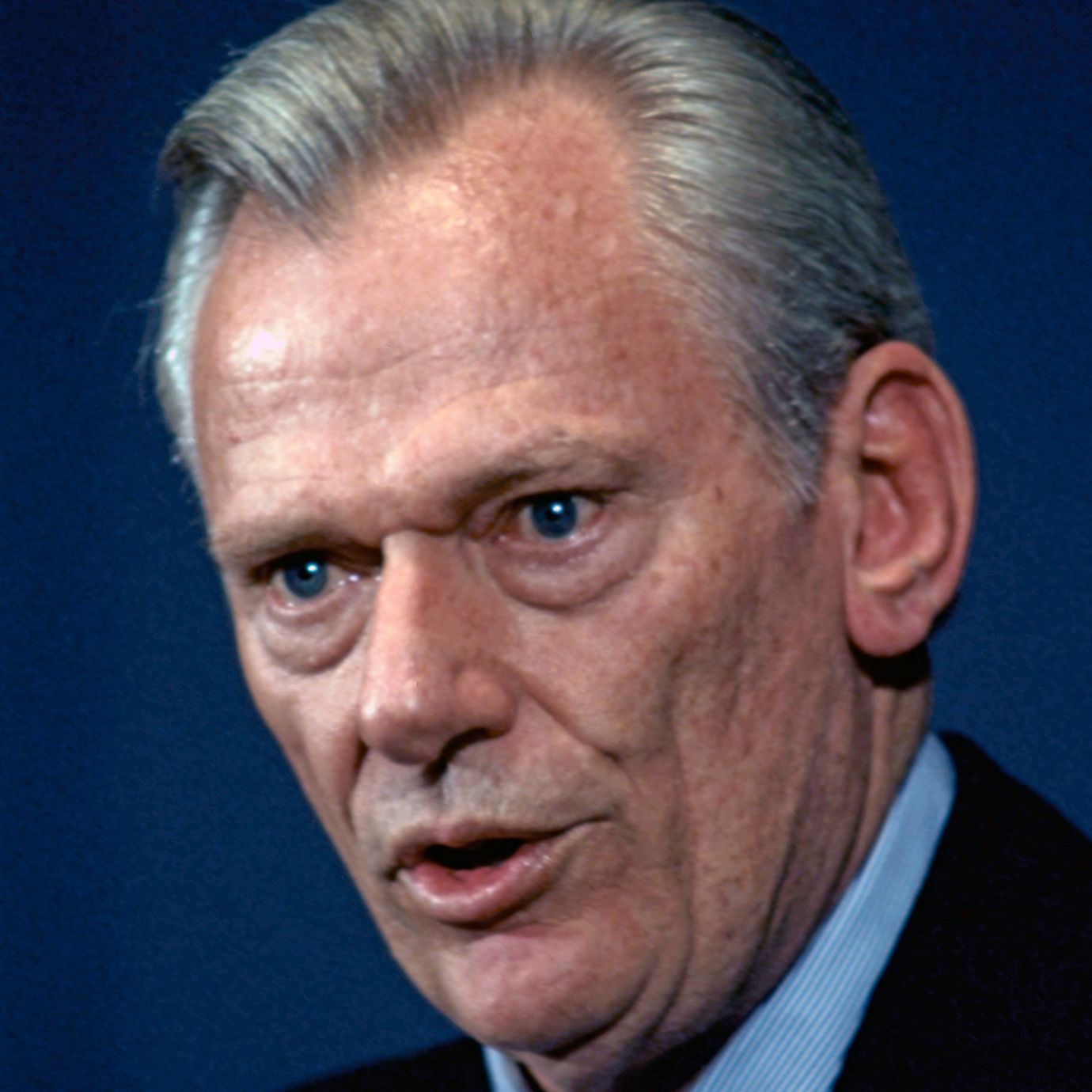
The only way an airline will ever get off this hamster wheel is by creating a business that is truly different—like Southwest did under its co-founder, the late Herb Kelleher.
I remember interviewing Kelleher in his office at Love Field in Dallas 20 years ago. It was morning and I noticed a big bowl of candy bars on his desk, which I asked him about. “I have those because I like to drink,” he said, noting candy bars were a good morning pick-me-up. (Don’t worry: He wasn’t flying the plane.) That’s just one example of his iconoclasm.
What kind of CEO says things like that? A think-outside-the-box knocks-the-cover-off-the-ball one. Until another comes along, buy-and-hold investors should maintain a healthy fear of flying stocks.