Invånare i Gaza i skuggan av Iran: ”Har glömts bort”
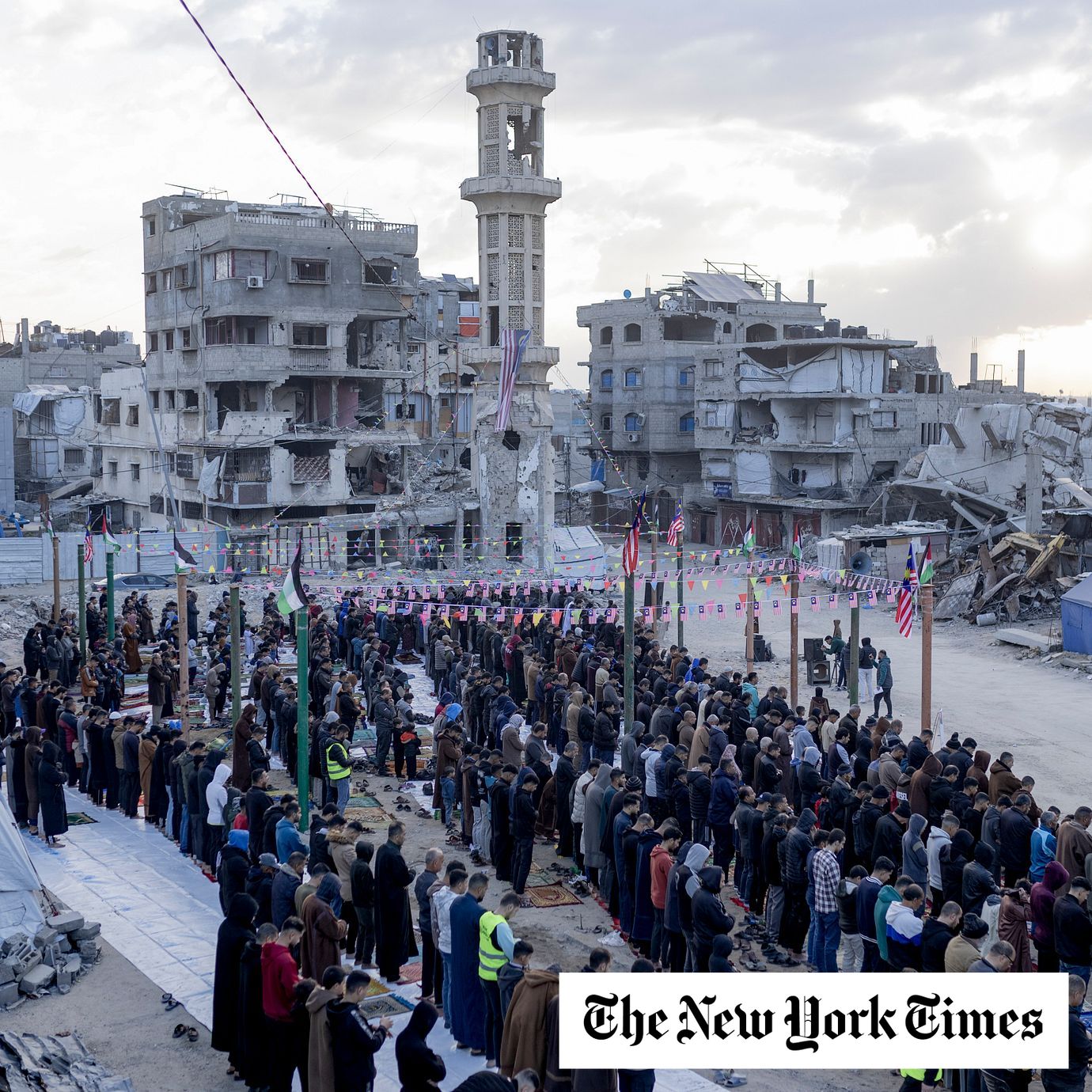
Kriget i Iran har fått invånarna i Gaza att känna sig fast i ett limbo, skriver The New York Times, som har intervjuat Gazabor.
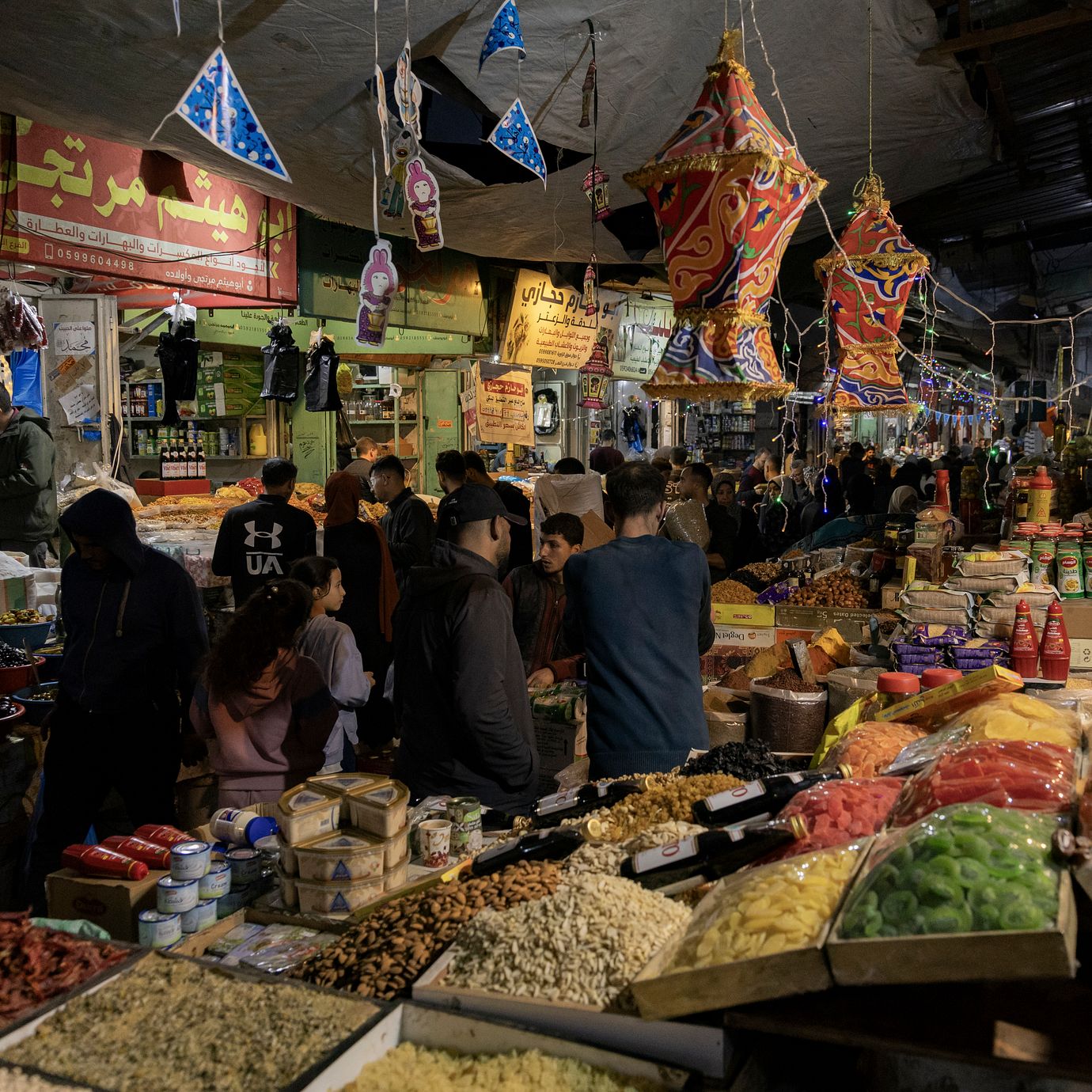
Priserna på mat och andra basvaror har skjutit i höjden. Det har fått människor att försöka hamstra så mycket de kan, av rädsla för att gränsövergångarna inte ska öppnas igen.
– Människor med pengar förstås, säger 37-åriga trebarnspappan Hussain Ghaben, som själv inte äger något och är helt beroende av välgörenhet.
Många känner uppgivet att världens blickar nu riktats mot Iran och att ingen längre ser Gazabornas lidande.
– Den bistra sanningen är att Gaza har glömts bort, säger kaféägaren Fuad Shahin.
 The New York Times
Sidelined by War With Iran, Gaza Residents Remain in Limbo
The new war has led to panic buying and a surge in food prices for Gazans as they try to recover from Israel’s two-year offensive against Hamas.
DEIR AL-BALAH, Gaza Strip — As the effects of the U.S. and Israeli war with Iran rippled across the Middle East, people in one corner of the region, the Gaza Strip, were feeling sidelined, stuck in a kind of limbo.
The fighting has set back the already slow progress toward a more peaceful reality in postwar Gaza. Israel briefly closed all the crossings into Gaza. Now only one cargo crossing is operating. The sole crossing for people entering or leaving the territory — including patients seeking medical treatment abroad — was closed for nearly three weeks after the war with Iran broke out on Feb. 28. It reopened last week for limited numbers of passengers.
The Palestinian enclave was only just emerging from a devastating Israeli campaign that killed tens of thousands of people, according to Gaza health officials, and reduced much of the coastal territory to rubble.
Now, the new strife has left residents of Gaza feeling ever more abandoned.
“The bitter truth is that Gaza has been forgotten,” said Fuad Shahin, 40, who runs a small cafe in Deir al-Balah, in the southern half of the territory.
Adham al-Mabhouh, 46, a soccer coach who trains amputees injured and displaced by the Israel-Hamas war and during previous fighting, echoed the sentiment. “The eyes of the world are on Iran and the Gulf,” he said.
“Whatever happens, Gaza seems to lose,” he added.
The price of food and other basic goods has surged as people have returned to panic buying, afraid that crossings into Gaza would not reopen, or would close again. Unscrupulous merchants have hoarded stock, apparently hoping to profit from high demand should there be shortages.
“People rushed to the markets and bought everything they could with all the money they had — people with money of course,” said Hussain Ghaben, 37, a father of three from the Sheikh Radwan neighborhood in Gaza City.
Mahmoud Bolbol, 43, a father of six from Gaza City, has no work and relies on charity to feed his family. “I worry more about getting some cooking gas than what happens to Iran,” he said.
Gaza has been slowly trying to recover from the two-year Israeli offensive prompted by the deadly Hamas-led attack on southern Israel on Oct. 7, 2023.
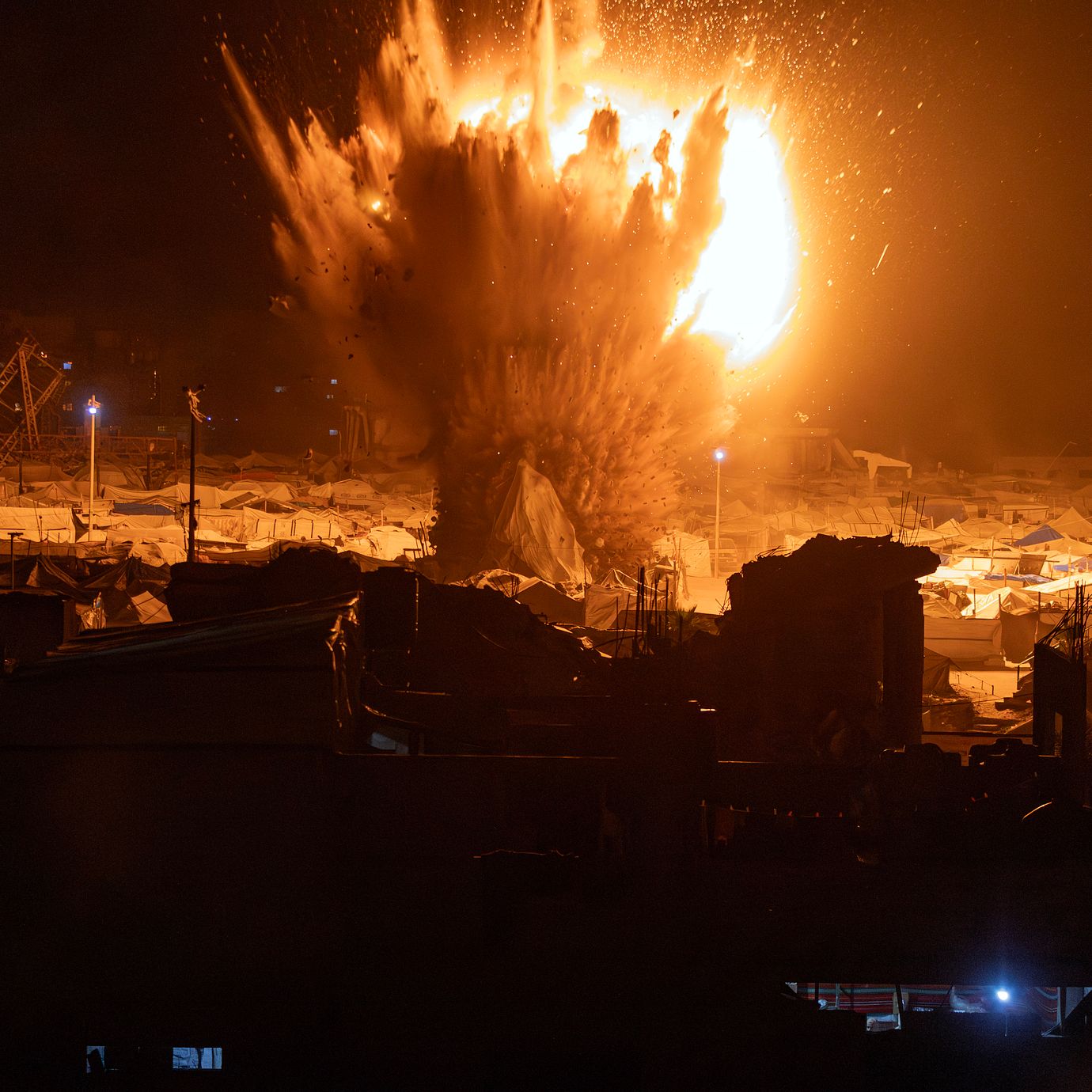
A fragile ceasefire went into effect five months ago, though the Israeli military carries out near-daily strikes, saying it is responding to violations by militant groups.
The next stages of President Donald Trump’s 20-point peace plan, which was endorsed by the U.N. Security Council, appear to have stalled. A committee of Palestinian technocrats meant to replace the Hamas administration has still not entered Gaza, and an international stabilization force intended to bring security has yet to materialize.
Any progress hinges on the thorniest issues, including disarming Hamas and ensuring a withdrawal of the Israeli military, which controls about half of Gaza.
Israel has conditioned the start of any meaningful reconstruction on disarmament. Hamas is reluctant to part with its weapons, which are core to its identity as a fighting force against Israel. The militant group also relies on its guns to maintain its hold over Gaza’s roughly 2 million people. Trump’s Board of Peace is waiting for Hamas to respond to a proposal for relinquishing its weapons.
Gaza’s residents feel stuck between the competing demands of Hamas and Israel. “We are living inside a vicious circle, caught in a whirlpool,” said Rami Abu Reida, 46, a nut seller from the southern Gaza town of Khuzaa.
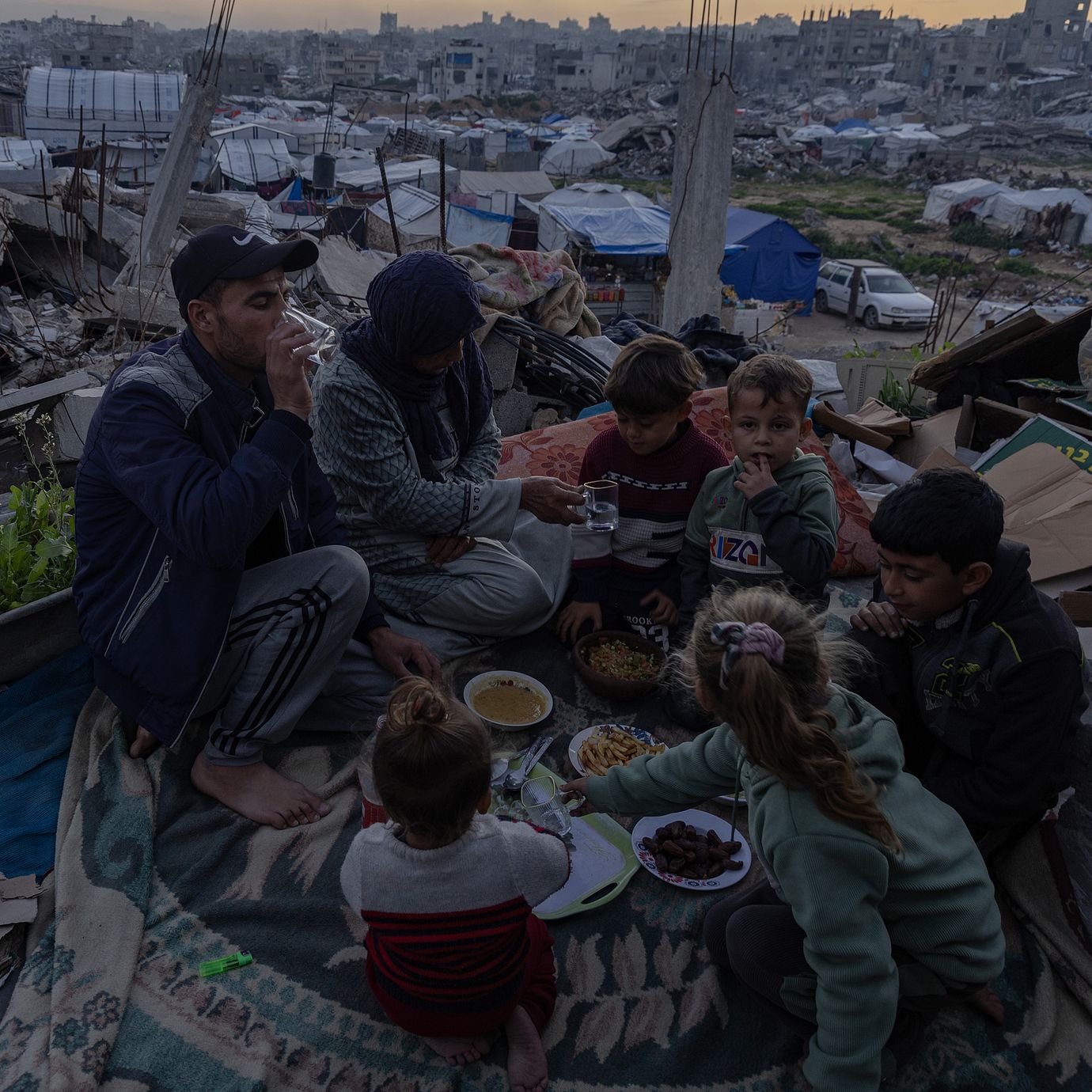
Ghaben, the father of three in Gaza City, said his house was destroyed during the war in Gaza. He and his family are sheltering in a tent near the rubble of their home.
“I could not buy anything, as I had no cash at all. I totally depend on charity,” he said. Before the war he was selling clothes in a stall on the street, but now he is jobless.
Like others in Gaza, Ghaben remembers the months of severe hunger that gripped Gaza during Israel’s war against Hamas. He recalled not eating for four days and being shot in the leg while waiting for an aid convoy near a crossing. Others around him were killed, he said.
He said he had five bags of flour and enough beans stored in his tent to last about three months. Prices for staples have skyrocketed, he said.
“Gaza is always affected by whatever happens in the region. It moves with the wind”
The United Nations says more crossings into Gaza must be opened to aid the humanitarian response.
While the intensity of fighting has decreased considerably, Israeli strikes still pose a danger. More than 670 people have been killed in Gaza since the ceasefire in October, according to local health officials, whose data does not distinguish between civilians and combatants.
Some residents worry that after the focus shifts from Iran, Israel could resume the war in Gaza to try to defeat Hamas completely.
“We still haven’t escaped either our past or our present crisis,” said Hanin al-Qishawi, 29, an unemployed university graduate who returned from southern Gaza to her damaged home in Gaza City.
“Gaza is always affected by whatever happens in the region,” she said. “It moves with the wind.”
© 2026 The New York Times Company. Read the original article at The New York Times.