Rysk ekonomi sätter hopp till USA-val

Den ryska ekonomin visar flera klassiska tecken på en krigsekonomi. Inflationen stiger, det är brist på arbetskraft och statens utgifter ökar, skriver Financial Times.
Väst hoppas på att trycket på den ryska ekonomin ska leda till att den ryska krigsinsatsen spårar ur – men Kreml har fortfarande några åtgärder kvar att ta till.
Strategin tycks vara att hålla ut till valet i USA nästa höst – och hoppas att det resulterar i en kongress och en president som avbryter stödet till Ukraina.
 Financial Times
Russia still has options to sustain its creaking war economy
The Kremlin’s apparent aim is to tough it out and see if the political tide turns in the US elections.
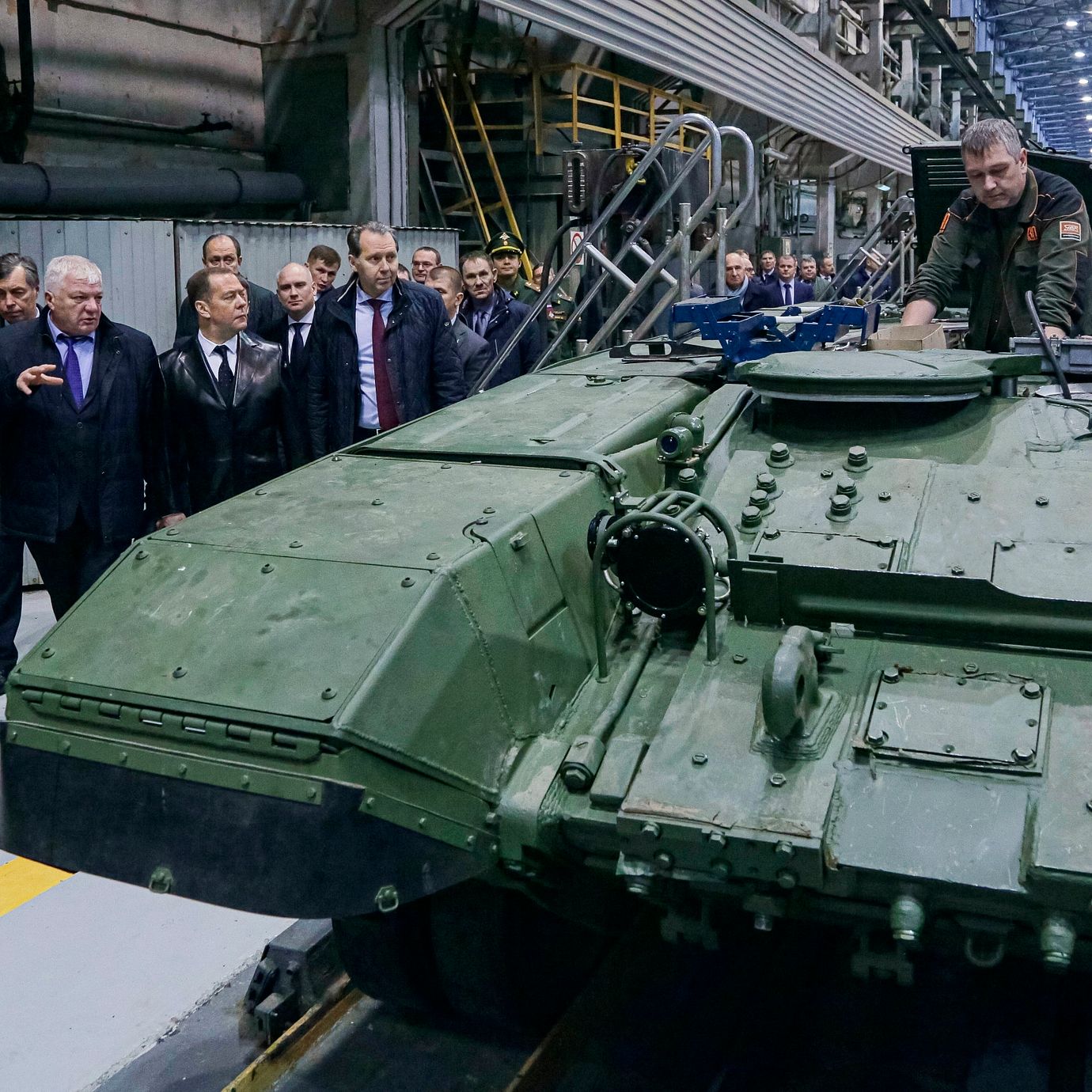
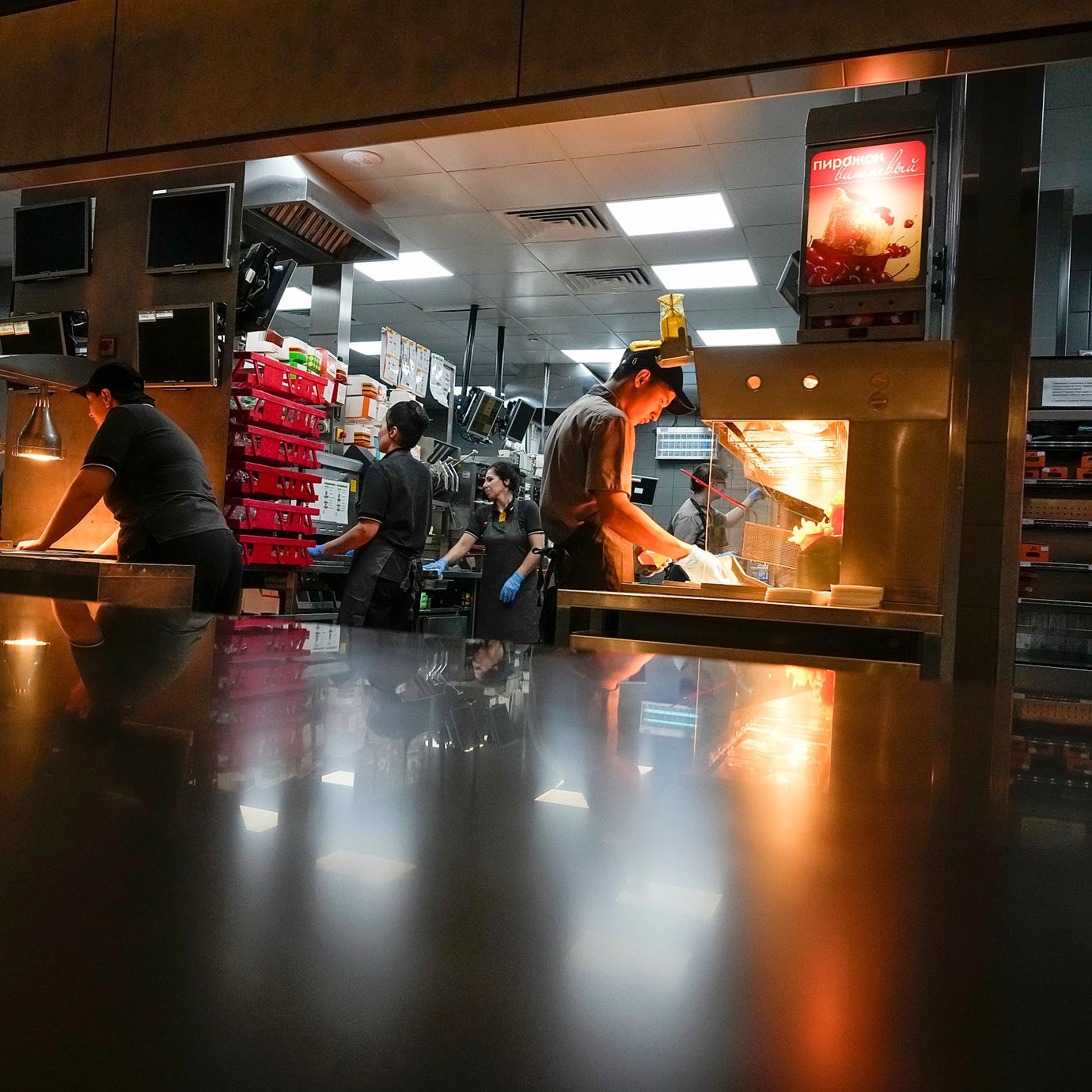
According to Russia’s official statistics agency, production of vehicles, trailers and semi-trailers was more than 50 per cent higher in June than in the same month of 2022. Meanwhile, the central bank reports that, in the first quarter of this year, shortages of workers at industrial enterprises were at their most acute since records began in 1998. The central bank also estimates annualised inflation over the past three months at 7.6 per cent, well above its 4 per cent a year target.
Naturally, we have to treat official economic data in President Vladimir Putin’s Russia with considerable caution. But the picture painted by these three indicators is probably not far from the truth. Eighteen months after its full-scale invasion of Ukraine, Russia displays many classic symptoms of a wartime economy, such as inflation, labour shortages, rising government expenditure and deficit financing.
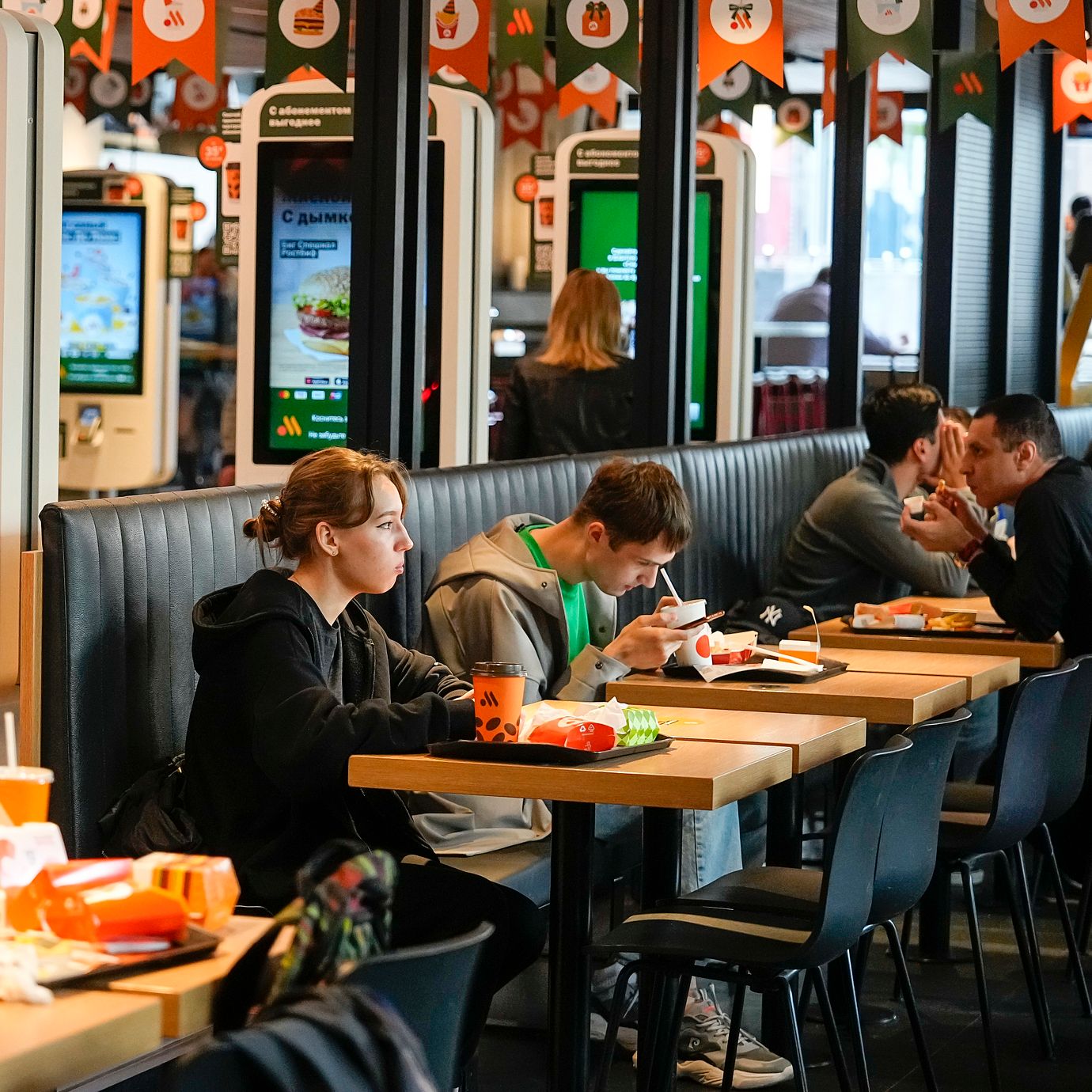
For Kyiv and its western supporters, the question is whether the pressures on the Russian economy will become so intense that, at some point in the future, they will derail the Kremlin’s annexationist war in Ukraine. Western sanctions are undoubtedly compounding these pressures, especially by cutting Russia’s oil and gas export revenues. However, Kremlin policymakers still have measures available to sustain the militarised economy.
It would be possible, for example, to increase withdrawals from Russia’s National Welfare Fund, a kind of rainy-day reserve of liquid assets, including gold and Chinese renminbi. The authorities could also expand domestic bond issuance.
Other options, which might address the problems of capital flight and a falling rouble, include the imposition of capital controls and a requirement for exporters to convert foreign exchange earnings into Russian currency. Last but not least, the government could increase taxes, or cut non-military state spending, or do both.
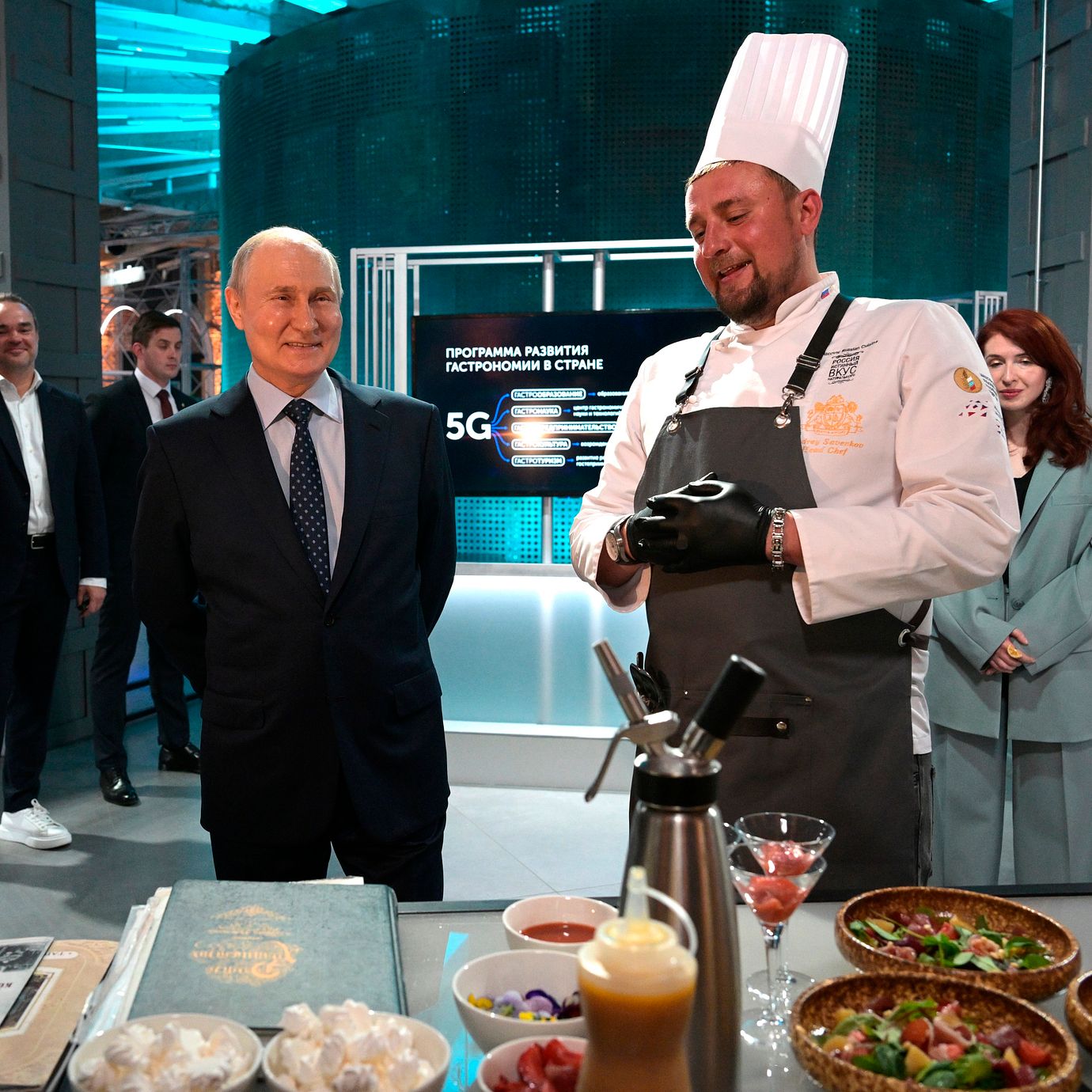
The last two measures appear unattractive to the Kremlin, which has tried to maintain the illusion for citizens that life can go on more or less as usual despite the war. This illusion has to some extent been punctured by events such as the now deceased warlord Yevgeny Prigozhin’s abortive mutiny, the partial mobilisation of civilians and the sheer fact that the war has gone on so long.
In economic terms, however, the Kremlin wants to minimise or avoid steps that risk squeezing living standards and alienating the public ahead of next year’s presidential election. Although this will be a strictly organised political ritual rather than a genuine contest, the authorities still want to deliver an overwhelming victory for Putin. The higher the turnout, the more tightly ordinary Russians are locked in the regime’s embrace — so at least goes official thinking.
Time is the all-important factor for the Kremlin. Its apparent calculation is that the Russian economy needs to hold out until the tides of political opinion turn in western countries, above all the US. Next year’s American elections are less than 15 months away, and Moscow is surely hoping they will produce a president and Congress less enthusiastic about paying for Ukraine’s war of self-defence.
Remove or reduce US and allied military and budgetary support for Ukraine, and the prospects for its resistance to Russia’s aggression would indeed look bleak. Even with this support, Ukraine’s gross domestic product fell by 10.5 per cent in the first quarter of this year from the same period of 2022.
Millions of refugees have left Ukraine. Much of the country’s south and east is under Russian occupation. Moscow has greatly disrupted the export of Ukrainian industrial and agricultural goods, and its physical destruction of cities, infrastructure and other assets has caused hundreds of billions of dollars in damage. Whatever difficulties Russia’s economy is experiencing, they do not compare in scale to those of Ukraine.
Nor are they as serious as in some previous Russian wars. Hyper-inflation in the first world war was one factor behind the domestic unrest that triggered the collapse of tsarism in the February 1917 revolution. In the second world war, the Nazi invasion inflicted staggering economic as well as human losses on the Soviet Union, making the war an existential struggle for survival.
For Ukrainians, the present war is likewise a struggle for survival, as an independent state and as a nation with its separate, non-Russian identity. For Russians, the war is not remotely about national survival. One day it may be about the survival of Putin’s regime — but, judged from a purely economic point of view, that day is still some way off.
©The Financial Times Limited 2023. All Rights Reserved. FT and Financial Times are trademarks of the Financial Times Ltd. Not to be redistributed, copied or modified in any way.