”Smutsigt spel” när AI-toppar jagar världens största IPO:er
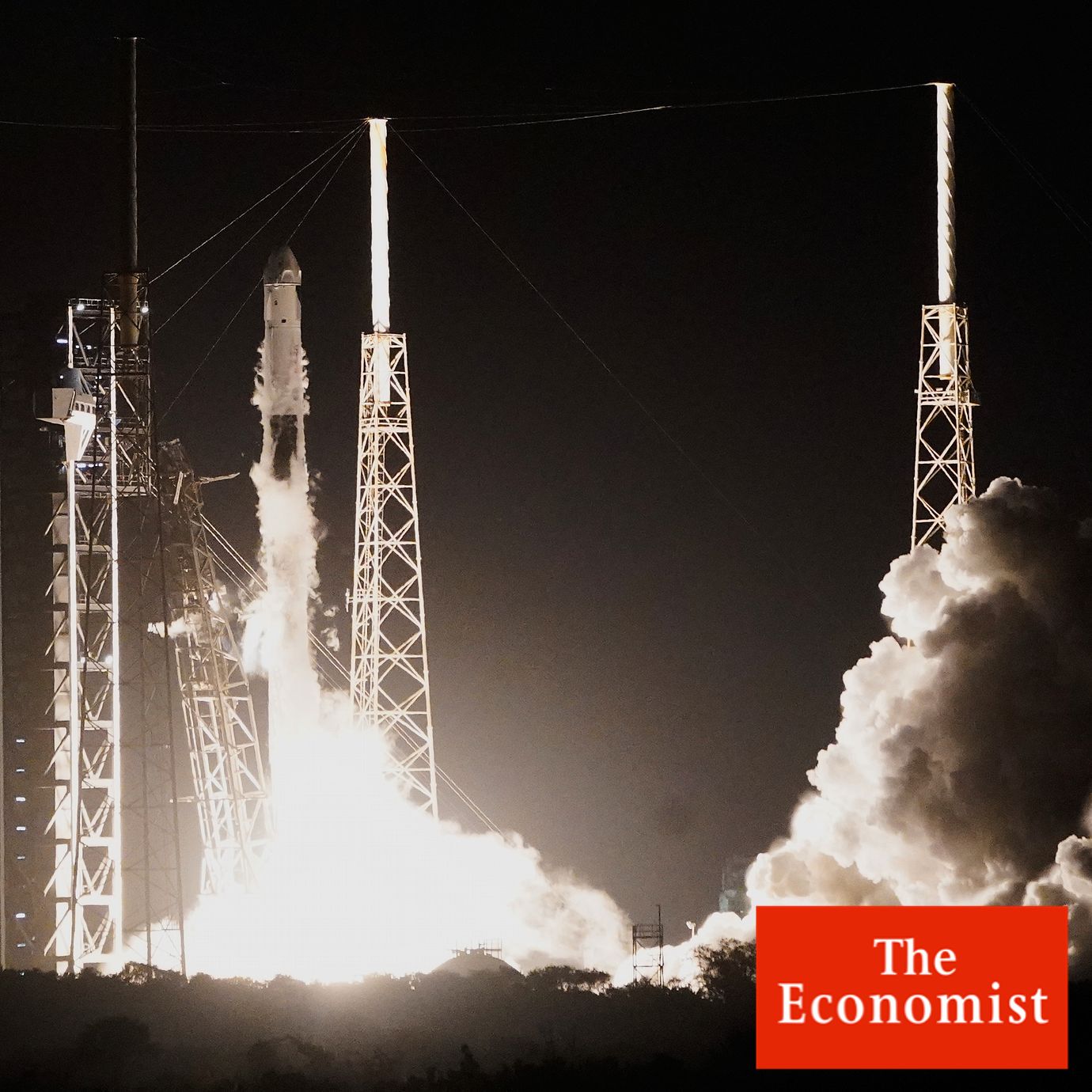
Tre av AI-världens tyngsta aktörer kan vara på väg mot börsen samtidigt – Open AI, Anthropic och X AI/Space X – i vad som kan bli ett rekordår för kapitalanskaffning.
Bakom de hisnande värderingarna finns också en bitter maktkamp mellan topparna Sam Altman, Dario Amodei och Elon Musk. Det bäddar för en del ”smutsigt spel”, enligt The Economist.
Pressen växer nu på bolagen att visa hur de ska tjäna pengar på sina enorma AI-investeringar.
 The Economist
Altman, Amodei and Musk fight dirty for the biggest prize in business
Never before has so much money been sought from investors in a single year.
If there has been a common narrative around artificial intelligence this year, it is that advances in the technology are shaking up the vast—and hitherto cosy—world of software. In order to keep this blitzkrieg going, the labs at the forefront of AI need to raise enormous amounts of money. That has set the stage for three colossal initial public offerings (IPOs) in a single year: those of OpenAI, led by Sam Altman, Anthropic, under Dario Amodei, and SpaceX, run by Elon Musk, which has merged with xAI, his model-maker. Adding to the frisson, the trio hate each other.
All three are aiming for the stratosphere. OpenAI, which was recently valued at $840bn, is said to be looking for a price tag of $1trn, or 40 times its current annualised revenue. Anthropic, last valued at $380bn, a multiple of around 20 times its annualised sales, will probably be priced at upwards of $500bn. Most ambitious of all is SpaceX, which was valued at $1.25trn when it merged with xAI and is reportedly seeking to list at $1.5trn. That would put it squarely among the world’s ten most-valuable listed firms—and could even make Mr Musk history’s first trillionaire.
Just one IPO of such size would strain markets. Tomasz Tunguz, a venture capitalist, points out that if each firm were to offer 15% of its shares to the public, as is typical, the combined sum raised would be roughly equivalent to the total from all IPOs in America over the past decade.
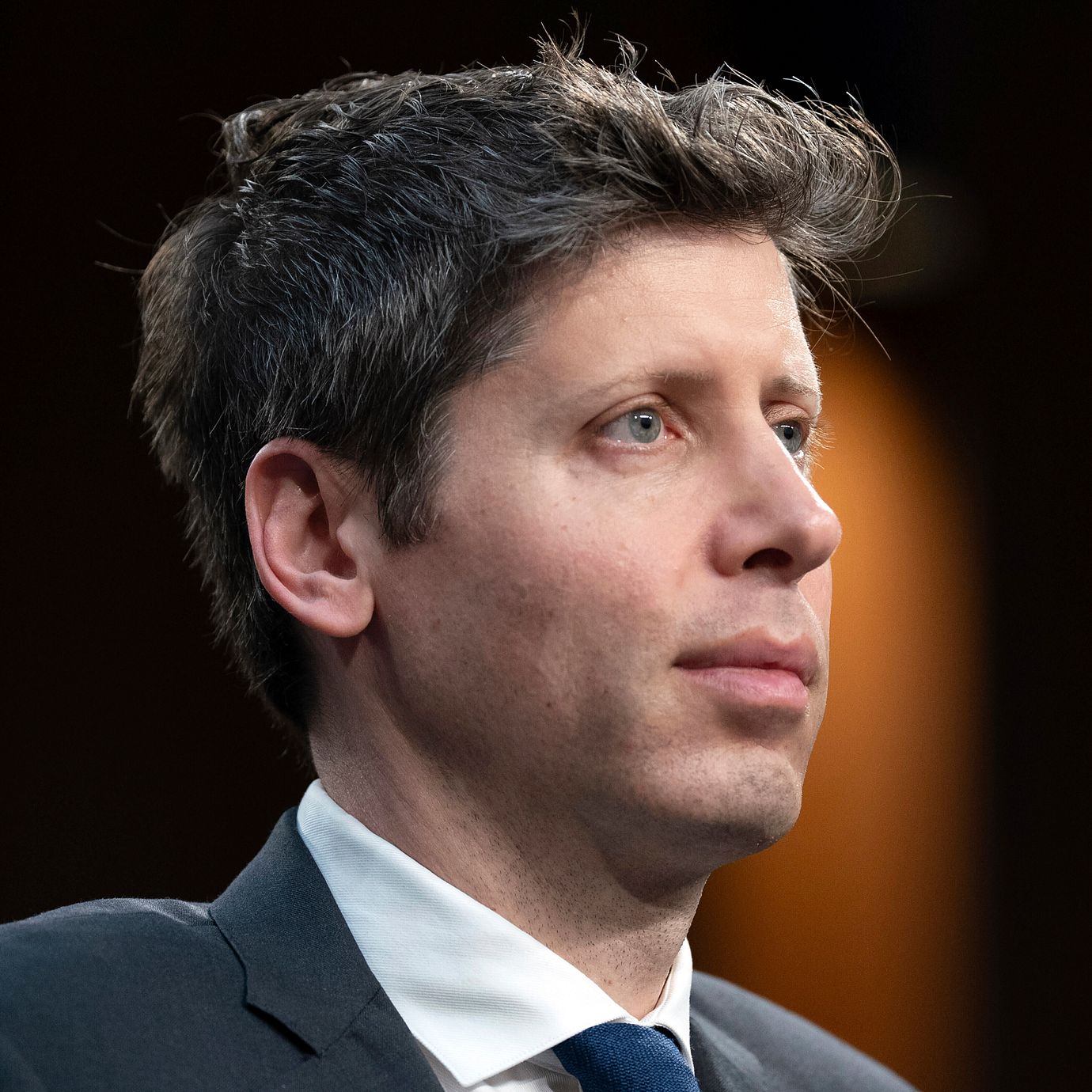
That helps explain the eagerness of each boss to avoid being last to market. Ego, too, plays a role, particularly as the model-making race has tightened. To understand the clash between the trio, it helps to consider the personalities. These can be summed up as the mercenary (Mr Altman), the missionary (Mr Amodei) and the messianic (Mr Musk).
Start with Mr Altman. Some admire him for getting the AI race going with the launch of ChatGPT in 2022, and for outmanoeuvring Anthropic and xAI in raising money ever since. But he is also slyly opportunistic. That was evident during a recent bust-up between Anthropic and the Trump administration over guardrails on the Pentagon’s use of its technology, which led to the lab being declared a supply-chain risk (a designation the model-maker sued to have removed on March 9th, and which could otherwise threaten its IPO).
In contrast to Mr Musk, who openly trash talks “Misanthropic”, Mr Altman sought to portray himself as a bridge-builder between Mr Amodei’s lab and the Trump administration. Yet OpenAI, like xAI, swooped in to win classified defence contracts at Anthropic’s expense.
In the realm of mortals, however, there is still the pesky matter of money
Mr Amodei, who left OpenAI to co-found Anthropic in 2021, has a safety-first ethos and contrasts Anthropic’s principled approach with its rivals’ race for growth. Yet he is no push-over. In an internal memo written in the heat of the Pentagon furore (for which he later told The Economist he apologised), Mr Amodei attacked Mr Altman as “mendacious” and a suck-up to Mr Trump. Anthropic’s didactic stance is also useful marketing. Claude, its chatbot, has gained in popularity since the Pentagon spat. The lab’s response to pressure has been hailed even by staff at OpenAI.
Mr Musk, who helped set up OpenAI in 2015, is more hostile still towards Mr Altman. In his telling, OpenAI, which has shed its non-profit status, has forsaken its mission to develop AI in a way that would benefit all humanity. As a result, Mr Musk wants his original $38m donation back, plus some. He is suing OpenAI and Microsoft, its biggest backer, for as much as $134bn. The case will go to trial next month. If he succeeds, he will bankrupt OpenAI and ruin Mr Altman.
Mr Musk, it seems, will not trust anyone but himself with control of the technology. The entrepreneur has a god-like ambition to “extend the light of consciousness to the stars”. He plans to use SpaceX’s rockets to send fleets of data centres into orbit, better to harness the power of the sun.
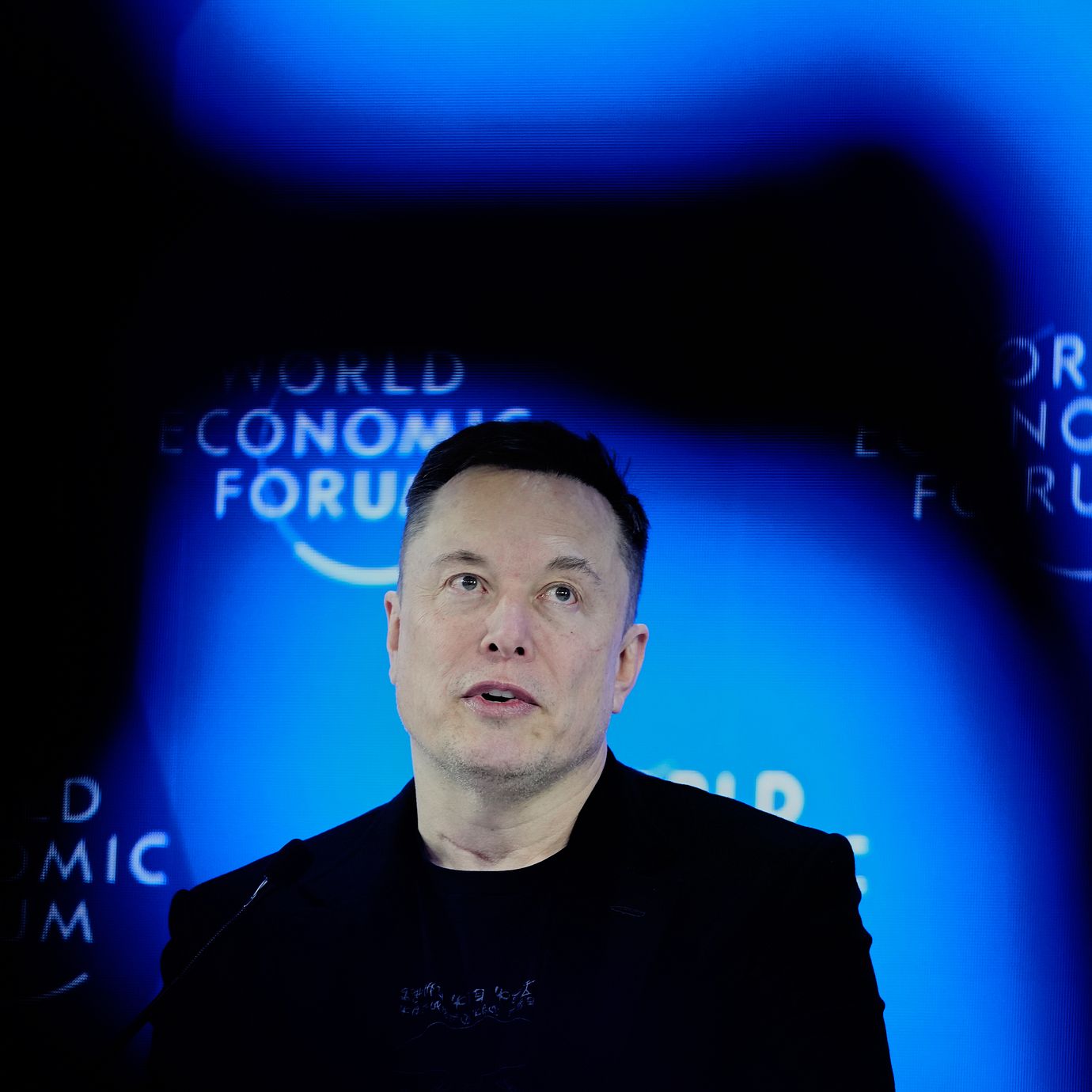
In the realm of mortals, however, there is still the pesky matter of money. Last year xAI generated perhaps $500m in revenue, putting it far behind the other two labs (X, the social-media platform it is attached to, brought in another $3bn or so). One of its main sources of revenue is work for the American government, with which Mr Musk has close ties; its Pentagon contract is worth up to $200m. Yet several departments are said to have complained that Grok, its chatbot, is unreliable. xAI’s lack of scale is one reason Mr Musk has bolted it onto SpaceX, which was already flourishing. Last year it reportedly made an operating profit (before depreciation and amortisation) of $8bn from sales of $15bn-16bn.
OpenAI, which drew in a reported $13bn of revenue last year, is larger than both xAI and Anthropic. It also has the broadest business model. It is aiming for $30bn of sales this year, half of which it expects to come from consumer subscriptions and ads in ChatGPT (which has over 900m weekly users, 50m of whom pay through a variety of pricing tiers). The rest will come from business users and those who access OpenAI’s models directly.
But Anthropic, which probably made $4bn-5bn in revenue last year, is quickly catching up. It has been more focused than OpenAI on business customers, and has had success in particular with its Claude Code tool for software engineers. By the end of February OpenAI had reached an annualised revenue of $25bn, up by a fifth from the end of last year; Anthropic’s figure, at $19bn, more than doubled over the same period. That may explain why Mr Altman was so eager to muscle in on Anthropic’s government contracts, as well as OpenAI’s recent focus on expanding its offerings for businesses. Customers say that Codex, its alternative to Claude Code, is catching up in performance.
All three have little choice but to turn to public markets if they are to stay in the AI race
Fierce rivalry for customers will add pressure on prices at a time when the labs are investing huge sums in data centres to meet growing demand and train new models. None is close to breaking even. OpenAI, which concluded a $110bn private fundraising round last month, has forecast that it will invest $660bn in infrastructure by 2030 and will not start generating free cashflow until then. Even SpaceX, which makes money from launching rockets and selling satellite internet, needs far more cash than it can generate. Moffett Nathanson, a firm of analysts, points out that its plan to send 1m data-centre satellites into space will require “a staggering amount of external financing”.
All three therefore have little choice but to turn to public markets if they are to stay in the AI race. Whether their IPOs are a success or not will depend on how many investors are willing to overlook the long and uncertain path to generating a profit from the technology. It will not help that there is another alternative on offer that is already publicly traded: Alphabet, owner of Google. Its Gemini model goes from strength to strength. The search giant is a cash machine, generating a net profit of $132bn last year, allowing it to fund its AI investments from its own pocket. And its $3.7trn market value is a more reasonable nine times revenue. Sundar Pichai, its boss, can afford to remain above the fray.
© 2026 The Economist Newspaper Limited. All rights reserved.