Syriens centralbank: Lättade sanktioner ett första steg
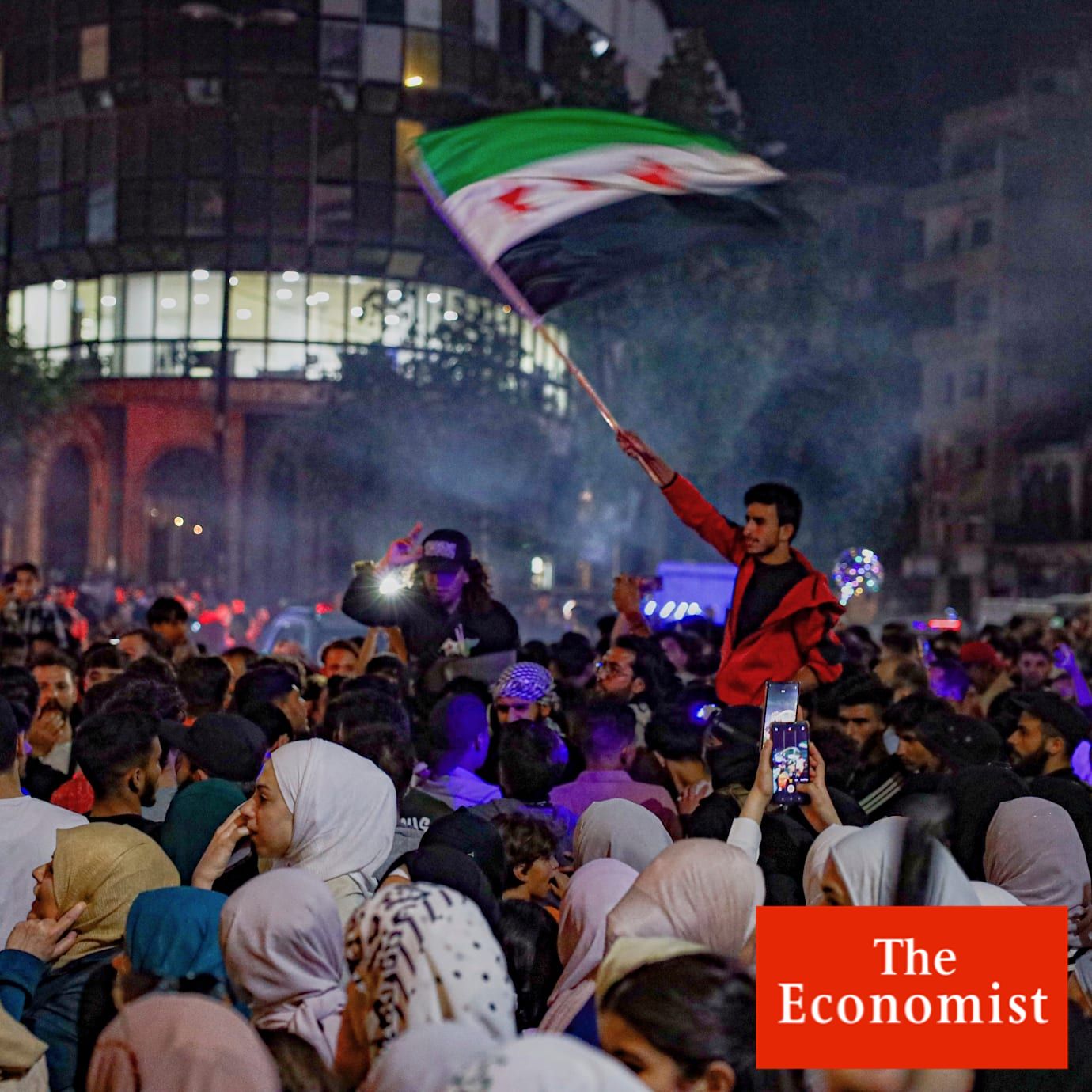
Syrierna jublade på gatorna när Donald Trump i veckan meddelade att USA tänker lätta på sanktionerna mot landet. Det ses som ett första steg mot ekonomisk återhämtning.
Enligt den nya centralbankschefen Abdulkader Husrieh är tillit nu den viktigaste valutan. ”Vi måste återupprätta förtroendet – hos medborgare, sparare, investerare och det internationella samfundet”, skriver han i en gästkolumn för The Economist.
Efter mer än tio år av krig och isolering står reformer av Syriens penningpolitik och banksystem högt upp på agendan.
 The Economist
Lifting sanctions will catalyse Syria’s recovery, says its central-bank governor
But the country must also modernise monetary policy, rewire banking and reconnect with global markets, argues Abdulkader Husrieh.
As well as the enormous human suffering, Syria’s conflict has exacted an extremely heavy economic toll—decimating infrastructure, hollowing out institutions and isolating the country from global capital markets. Yet amid devastation, a new opportunity is emerging: to rebuild the economy on sounder foundations, freed from the shackles of crippling international sanctions. That begins with monetary and financial stabilisation.
The Central Bank of Syria is navigating one of the most difficult policy environments in the world. Sanctions have severely restricted its access to international finance, impairing its ability to stabilise the currency, manage reserves or finance imports. While these sanctions were initially imposed to pressure the regime of Bashar al-Assad—which ultimately collapsed in December—they continue to obstruct efforts to reform economic institutions and restore basic financial functions.
The Syrian economy has shrunk by more than 60% since the start of the civil war in 2011
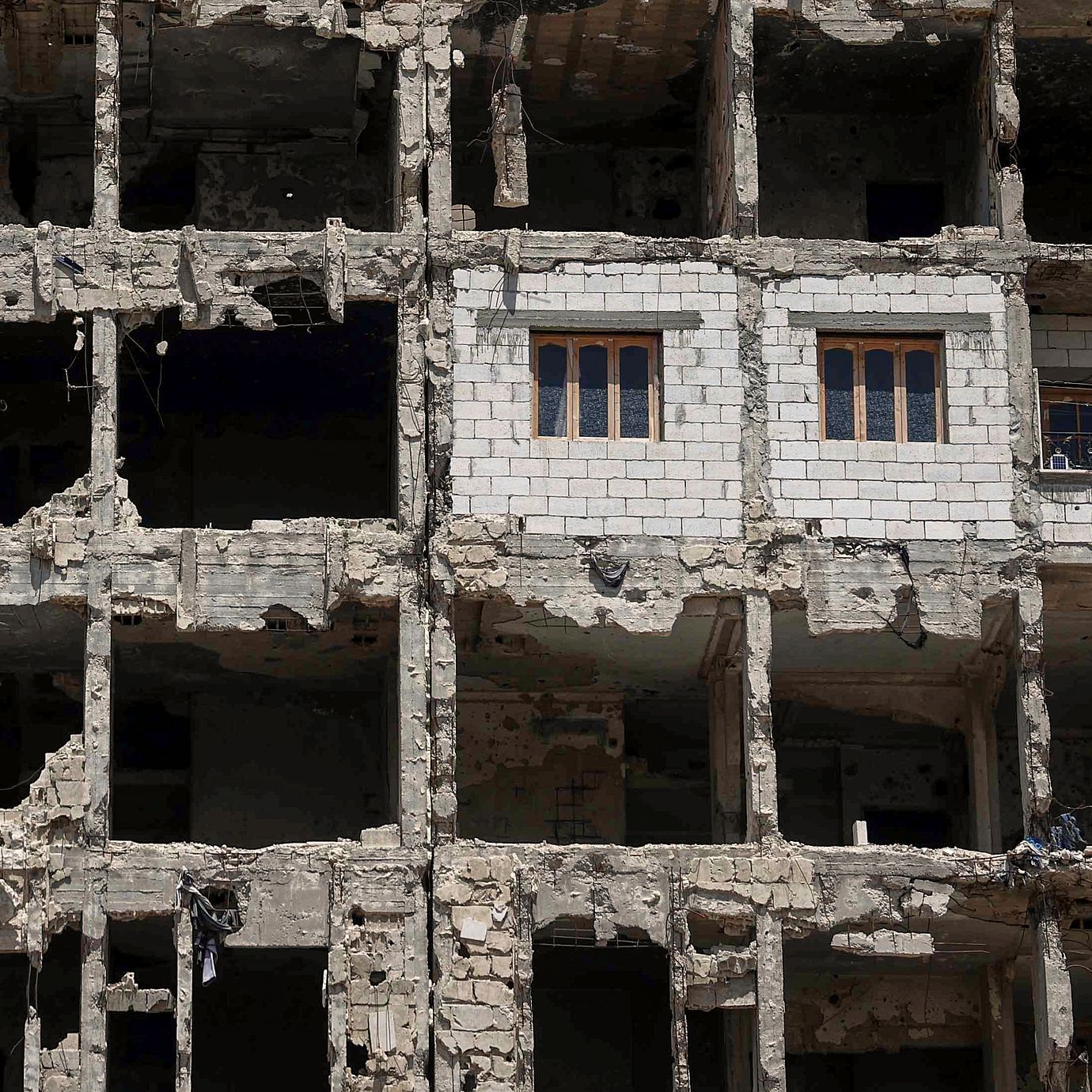
This paralysis has exacerbated hardship for ordinary Syrians, stymieing economic activity, driving inflation, eroding livelihoods and obstructing aid delivery. The Syrian economy has shrunk by more than 60% since the start of the civil war in 2011. Unemployment is over 24%. More than 80% of the population lives below the poverty line, and over 12m people face food insecurity, according to the UN’s World Food Programme. Worse, an estimated half of Syria’s infrastructure has been destroyed.
The impact of this economic pain and instability, and Syria’s financial isolation, goes far beyond the country’s borders. The central bank’s isolation undermines broader regional financial stability, particularly as neighbouring economies contend with the spillover effects of Syria’s prolonged crisis.
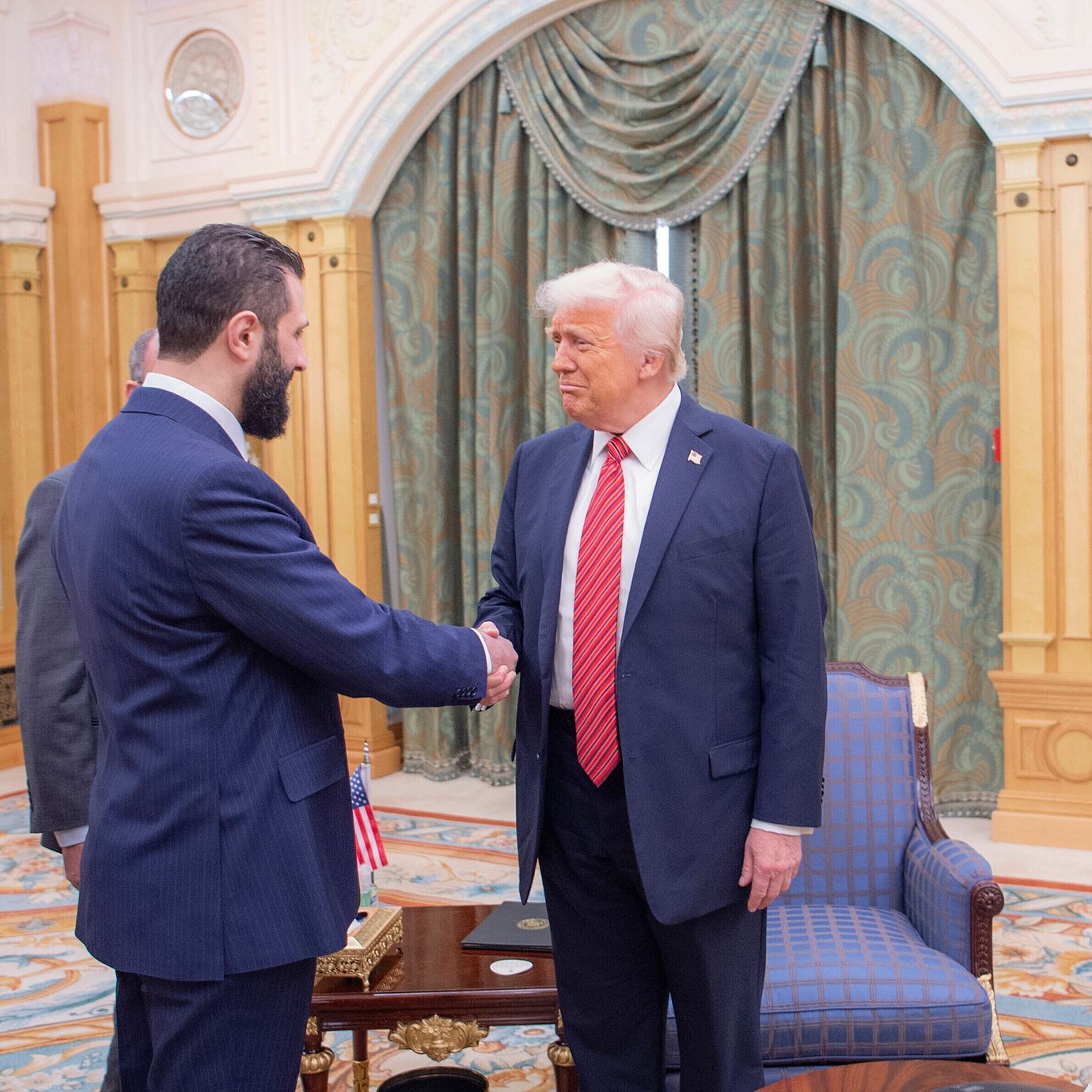
President Donald Trump’s announcement this week that his administration will lift American sanctions on Syria marks a turning point. This decision opens the door for renewed engagement, economic recovery and Syria’s reconnection with the global financial system. However, it remains to be seen how it will be implemented within the American legal system and by international financial institutions, which will play a critical role in determining the scope and effectiveness of this policy shift.
The mandate of Syria’s central bank should now not simply be to preserve monetary stability, but to restore trust—among citizens, savers, investors and the international community. That means doing three things in parallel.
We will need external capital, both public and private. That demands credibility
The first is to modernise monetary policy. Syria’s monetary framework must move from ad hoc interventionism to rules-based, transparent policy. We are laying the groundwork to introduce inflation-targeting over the next two to three years, supported by better data, clearer communications and enhanced central-bank independence. In the interim, a credible nominal anchor—a peg that determines the value of money—and disciplined liquidity management are essential to managing expectations and stabilising prices.
A critical part of this reform process is exchange-rate unification—the convergence of the official and black-market rates, long avoided due to concerns about instability. In the past, the black-market rate has been the significantly higher of the two, creating economic distortions; recently, it has been below the official rate. Unifying these rates is essential for creating a transparent, properly functioning foreign-exchange market. However, this must be done carefully to avoid stoking inflation and destabilising the economy.
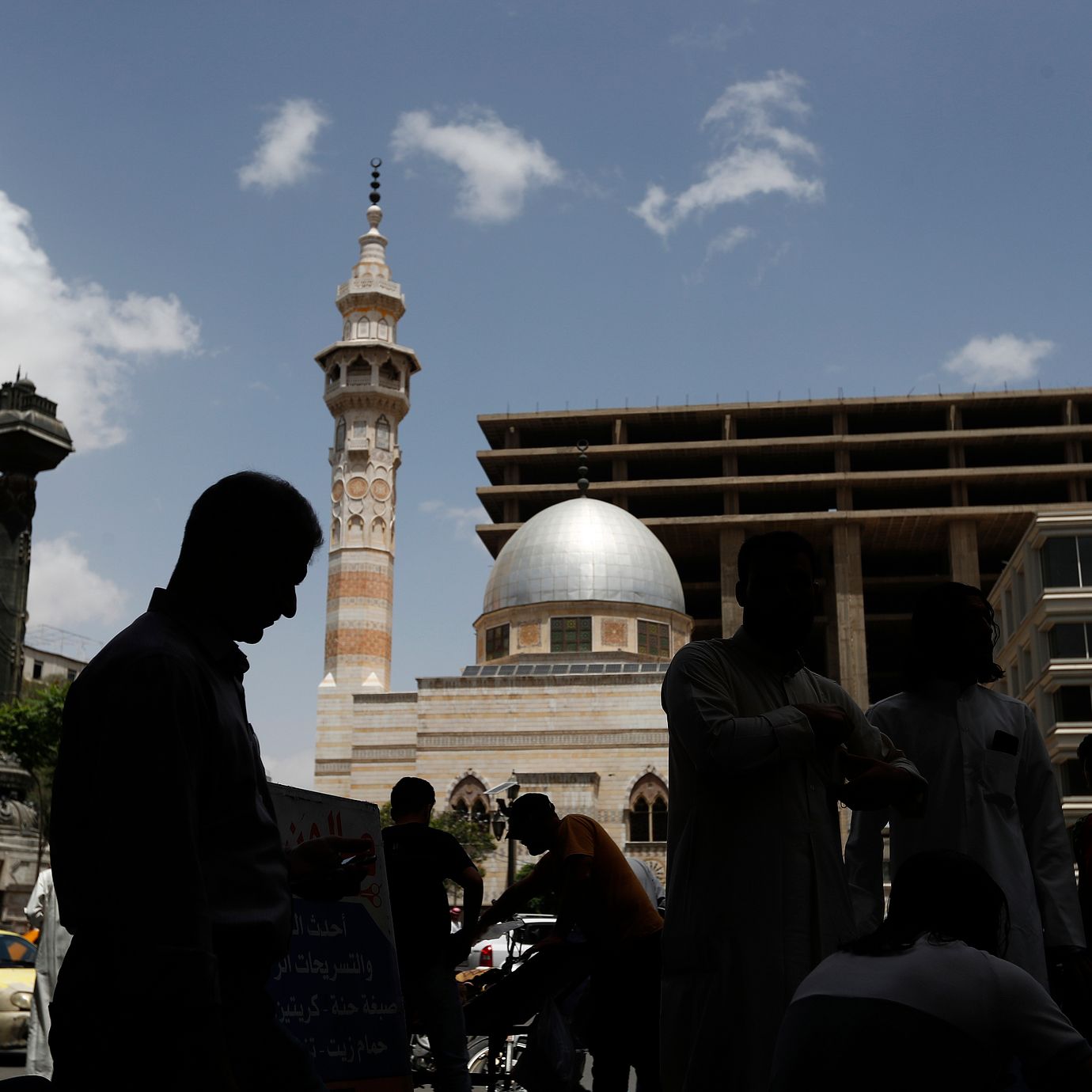
The second task is to rebuild the financial system. This will involve transforming Syria’s banks from institutions focused mainly on safeguarding deposits into dynamic lenders and investors, supporting reconstruction and development. That will require policies that encourage banks’ participation in long-term investments, including infrastructure projects, and more financing for private-sector growth. To enable this, capital adequacy, asset quality and governance standards must be improved, particularly in public-sector banks. We are revising prudential regulations in alignment with Basel principles—the international standard—and working to strengthen the main markets regulator.
We will welcome international financial institutions willing to partner responsibly in recapitalising and modernising the sector. A number of regional banks from Saudi Arabia, Turkey and the United Arab Emirates have expressed interest in investing once sanctions are lifted. We expect more to do so in the wake of Mr Trump’s announcement.
Diaspora Syrians, many of whom are investors and entrepreneurs, have a crucial role to play
The final task is to integrate Syria’s economy into the global financial system. Domestic resources will never be sufficient to fund reconstruction. We will need external capital, both public and private. That demands credibility: transparency in public finance, clear legal protections for investors and anti-money-laundering safeguards.
Diaspora Syrians, many of whom are investors and entrepreneurs, have a crucial role to play. We are exploring vehicles and instruments, from infrastructure bonds to investment funds, that would allow Syrians abroad to contribute to their homeland’s recovery without political risk or bureaucratic friction.
We recognise that Syria cannot do this alone. We will engage multilaterally, drawing on the expertise of the IMF, the World Bank and Arab financial institutions, not simply for funding, but for capacity-building and policy design. The recent decision by regional partners to clear Syria’s arrears to the World Bank is a welcome vote of confidence.
Syria’s future will be shaped not only by the absence of conflict, but by the presence of sound institutions. A central bank that is credible, capable and transparent is one such institution. We intend to make it a cornerstone of recovery.
Abdulkader Husrieh is the governor of the Central Bank of Syria.
© 2025 The Economist Newspaper Limited. All rights reserved.