Triss i faror hotar Feds mjuklandning
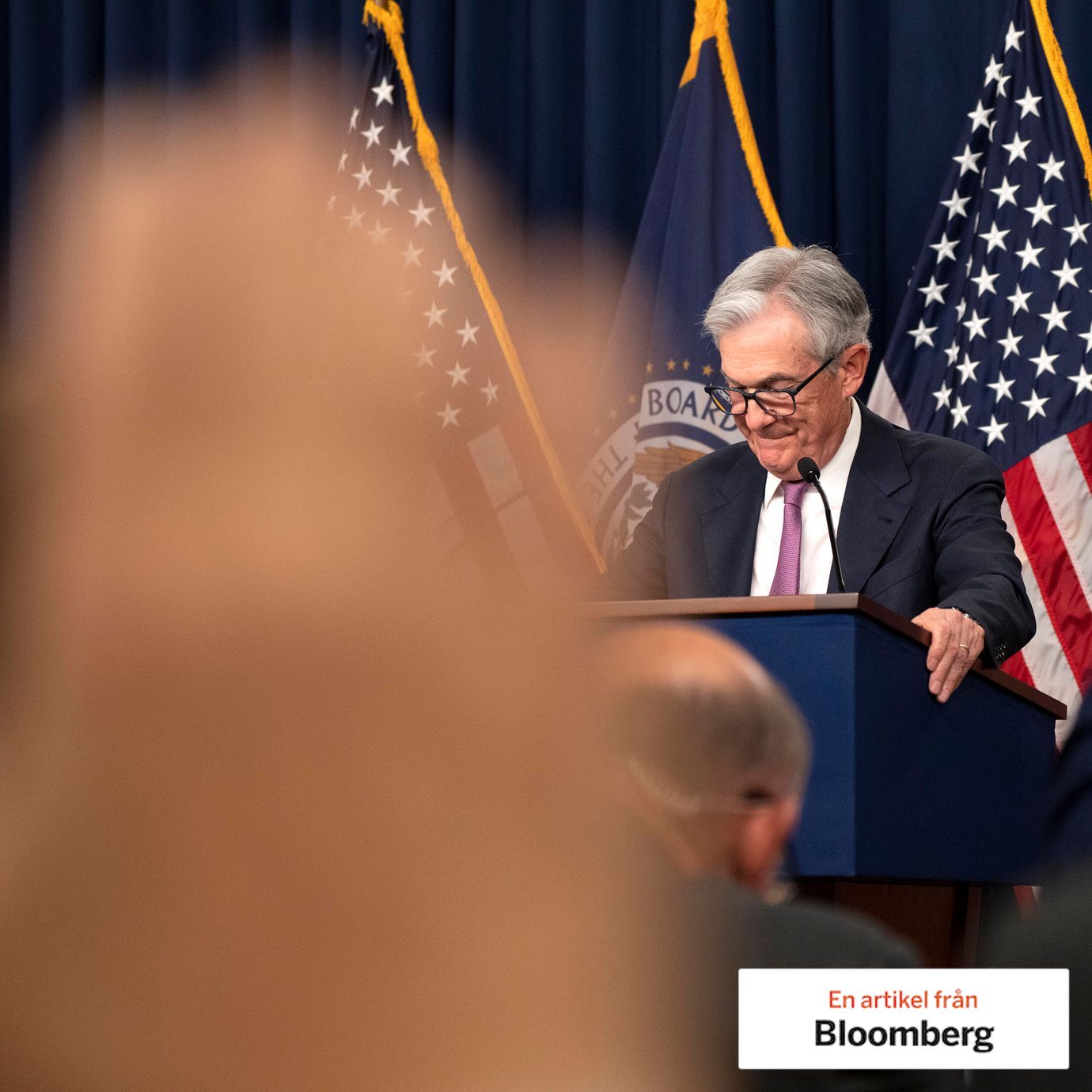
Den amerikanska drömmen om en inflation som landar mjukt och fint utan att krascha ekonomin fullständigt har stött på potentiell patrull från tre håll samtidigt, skriver Bloomberg.
Ett: den pågående strejken i bilfabrikerna, som riskerar att skapa rejäl oreda om den sprids. Två: den hotande nedstängningen av statsapparaten, som beräknas kapa 0,15 procentenheter från tillväxten i Q4 för varje vecka den pågår. Och tre: det återupptagna amorteringskravet för studentlån.
Återstår nu att se hur långt amerikanens ekonomiska motståndskraft räcker.
 Bloomberg
The Fed’s Dream of a Soft Landing Is Facing a Triple Threat
The combination of the auto strike, a government shutdown and the restart of student loan payments will crimp growth as we head into the end of the year.
Data showing that inflation in the US is receding while the job market remains strong are stoking almost giddy expectations that the Federal Reserve can pull off a soft landing. Unfortunately for Jerome Powell and his crew, three different events are converging in a way that could knock the US economy off its glide path: an historic autoworkers strike, an expected government shutdown and the scheduled resumption of student loan repayments.
The triple hex could crimp growth in the fourth quarter—by a little or a lot, depending on the extent of the fallout. Economists at Goldman Sachs Group Inc. estimate the expansion could slow to 1.3%, from 3.1% in the third quarter, on an annualized basis. Gregory Daco, chief economist at the advisory company EY-Parthenon, calculates that the combination of events would equate to a 0.8-percentage-point drag on growth; factor in lower spending on services and business investment, which are already under pressure, and growth could slide toward 0%, he says. On X (formerly Twitter), Diane Swonk, chief economist at KPMG LLP in Chicago, warned that a prolonged work stoppage in autos—a sector that accounts for about 3% of gross domestic product—would precipitate an economic contraction in the final quarter of the year.

Citigroup Inc. economists say the walkout organized by the United Auto Workers (UAW) comes at the worst possible moment, just as vehicle supply chains and prices were normalizing. It poses a clear inflationary threat at a time when US price pressures are taking longer to dissipate than in other nations. The Fed chose to leave rates unchanged when it met on Sept. 19-20, but it signaled it expects to hike once more before the end of the year.
The restart of student loan payments next month could be another economic inflection point. Anna Wong of Bloomberg Economics says that with the end of the three-year pandemic hiatus, 28 million borrowers will feel the full weight of the Fed’s anti-inflation campaign. “Student loan forbearance had postponed the impact of rate hikes,” she says. “Were it not for this policy, rate hikes would have slowed the economy already.”
Much depends on how events unfold. The auto strike and a government shutdown could be over in a matter of days or weeks. Also, some borrowers may be able to take advantage of programs allowing them to pare down their student debt loads, in which case the squeeze on consumer spending may not be as severe as anticipated.
Anna Wong, Bloomberg Economics
“Student loan forbearance had postponed the impact of rate hikes”
So far the walkout led by United Auto Workers President Shawn Fain is targeted, involving 1,500 workers at three factories operated by General Motors Co., Ford Motor Co. and Stellantis NV. If the strikes were to spread to encompass the UAW’s entire 150,000 members, it would shut down almost a third of US auto production. Payroll growth would temporarily go negative, according to Oxford Economics, a forecasting and research group. The resulting shortages at car dealerships could drive up prices for new vehicles, which as tracked by the consumer price index have been largely pointing down since April.
Hundreds of thousands of federal employees may also cease working next month, though not by choice. A group of ultraconservatives in the House of Representatives have blocked votes on a number of bills needed to keep the government running into the next fiscal year, which begins on Oct. 1. Government shutdowns typically last a few days, but infighting within the Republican Party threatens a longer closure. There have been only three extended shutdowns in US history: The first, in 1995, lasted 21 days; one in 2013 was 16 days; the third began in December 2018 and carried into January 2019, for a total of 35 days.
Jan Hatzius, Goldman Sachs
“We expect the slowdown to be shallow and short-lived”
The economic toll would start small and build over time. Goldman Sachs economists estimate that each week of a governmentwide closure would shave 0.15 percentage point from fourth-quarter GDP growth.
Despite the gathering storm clouds, Goldman Sachs is sanguine about the outlook for the start of next year. “We expect the slowdown to be shallow and short-lived as these temporary drags abate and income growth reaccelerates on the back of continued solid job growth and rising real wages,” chief economist Jan Hatzius wrote in a Sept. 15 report.
While Hatzius remains committed to the idea that the Fed can avoid triggering a recession while wrestling inflation back to its 2% target, some of his Wall Street peers are much more skeptical. A team at Citigroup led by Nathan Sheets examined economic cycles dating back to 1965 and found that unwinding high inflation and tight labor markets required a marked rise in unemployment and, inevitably, a downturn: “Our view is that the laws of ‘economic gravity’ seen in previous cycles will ultimately reassert themselves, and the US economy will face recession during 2024,” said a Sept. 14 report. “In contrast, advancing the case for a soft landing requires a convincing narrative as to why ‘this time is different.’ ”
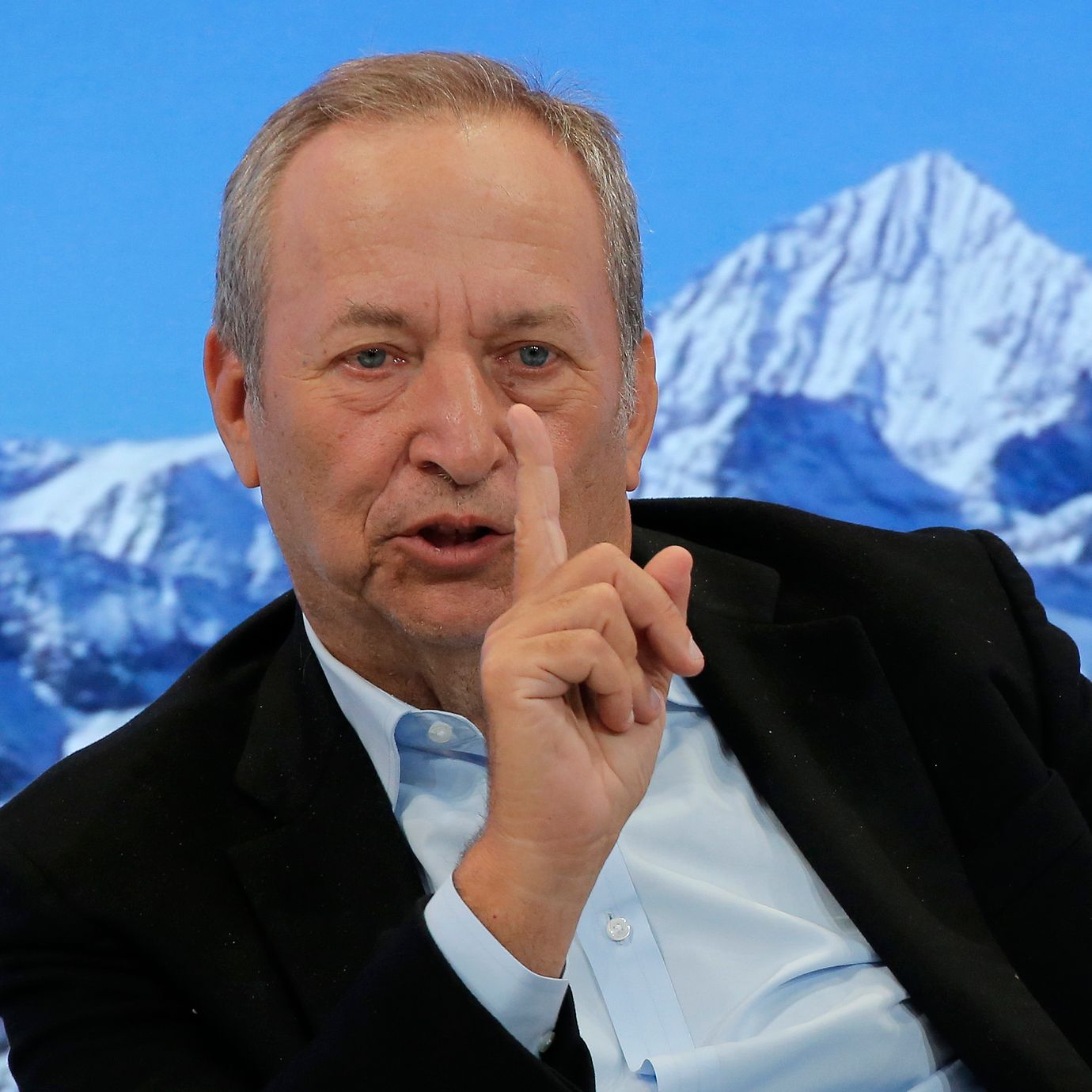
Former US Secretary of the Treasury Lawrence Summers has been warning for months against excessive optimism about the US being able to quell inflation without an economic downturn. There’s about a 1-in-3 chance for each of three scenarios: a soft landing; no landing, in which inflation remains wedged at 3%; and a harder landing, Summers said on Bloomberg Television on Sept. 13.
Even if the economy manages to avoid a technical recession—defined as two consecutive quarters of negative growth—Oxford Economics’ Matthew Martin says, “we are still likely in for a period of below-trend growth as the impacts of higher interest rates and tighter lending standards, lower excess savings and weaker job growth move through the economy.”
An analysis by Bloomberg Economics’ Wong shows that since the early 1980s, consensus predictions that the US economy would achieve a soft landing have peaked right before the economy started to sour. The question has been out there for months: What would it take to finally strip away the US economy’s amazing Teflon coating? Now, with autoworkers on the picket line and student loan holders and federal workers about to see their incomes squeezed, we may soon have our answer.
©2023 Bloomberg L.P.
For more articles like this please visit us at bloomberg.com