Lågprisflygen pressas ut ur marknaden av Lufthansa
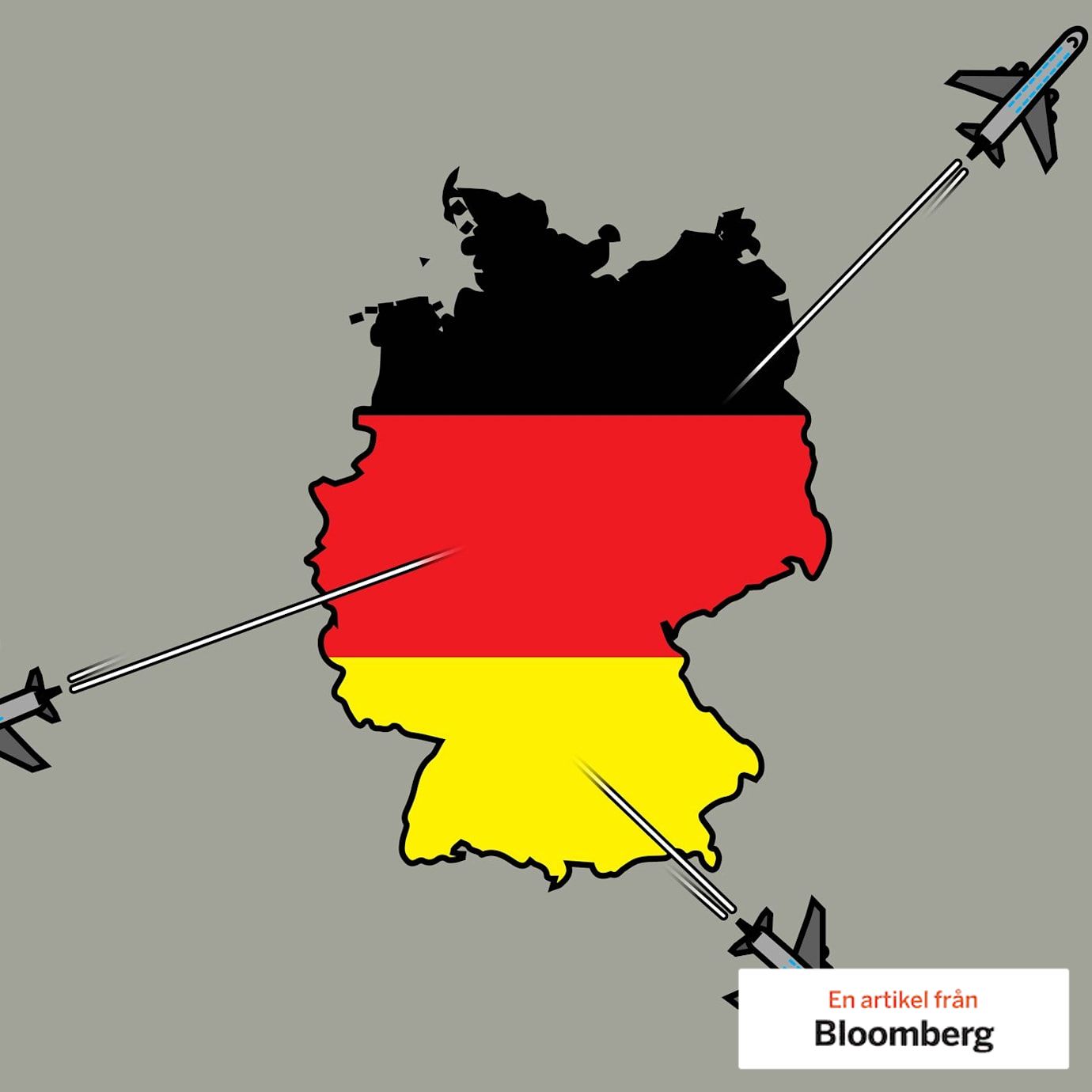
Flygbranschen i Tyskland har återhämtat sig långsammare än på andra platser i Europa, samtidigt som det är den dyraste marknaden på kontinenten, skriver Bloomberg.
Flygtrafiken på en del större marknader är till och med högre nu än före pandemi. Men i Tyskland har den bara gått upp till ungefär 75 % av vad den var 2019. I många mindre städer i landet är den inte ens en fjärdedel av tidigare nivåer.
Detta pressar lågprisflygbolagen att dra in sträckor , något som gynnar det stora flygbolaget Lufthansa – men till konsumentens nackdel, menar Dara Brady, Ryanairs marknadsföringschef.
 Bloomberg
Ryanair, EasyJet Scale Back in Germany Over Airport Fees
Lufthansa has tightened its grip in Berlin, Frankfurt and Munich, squeezing out discounters.
Over the past two decades, discount airlines Ryanair Holdings Plc and EasyJet Plc have followed the same playbook in Germany that they’ve used across Europe: From smaller regional airports such as Memmingen in Bavaria and Luebeck on the Baltic coast, they grabbed market share with ultralow fares that appealed to tightfisted travelers undaunted by their no-frills offerings. Over time they expanded to Berlin, Frankfurt and Munich, increasingly treading on the turf of the German flag carrier, Deutsche Lufthansa AG.
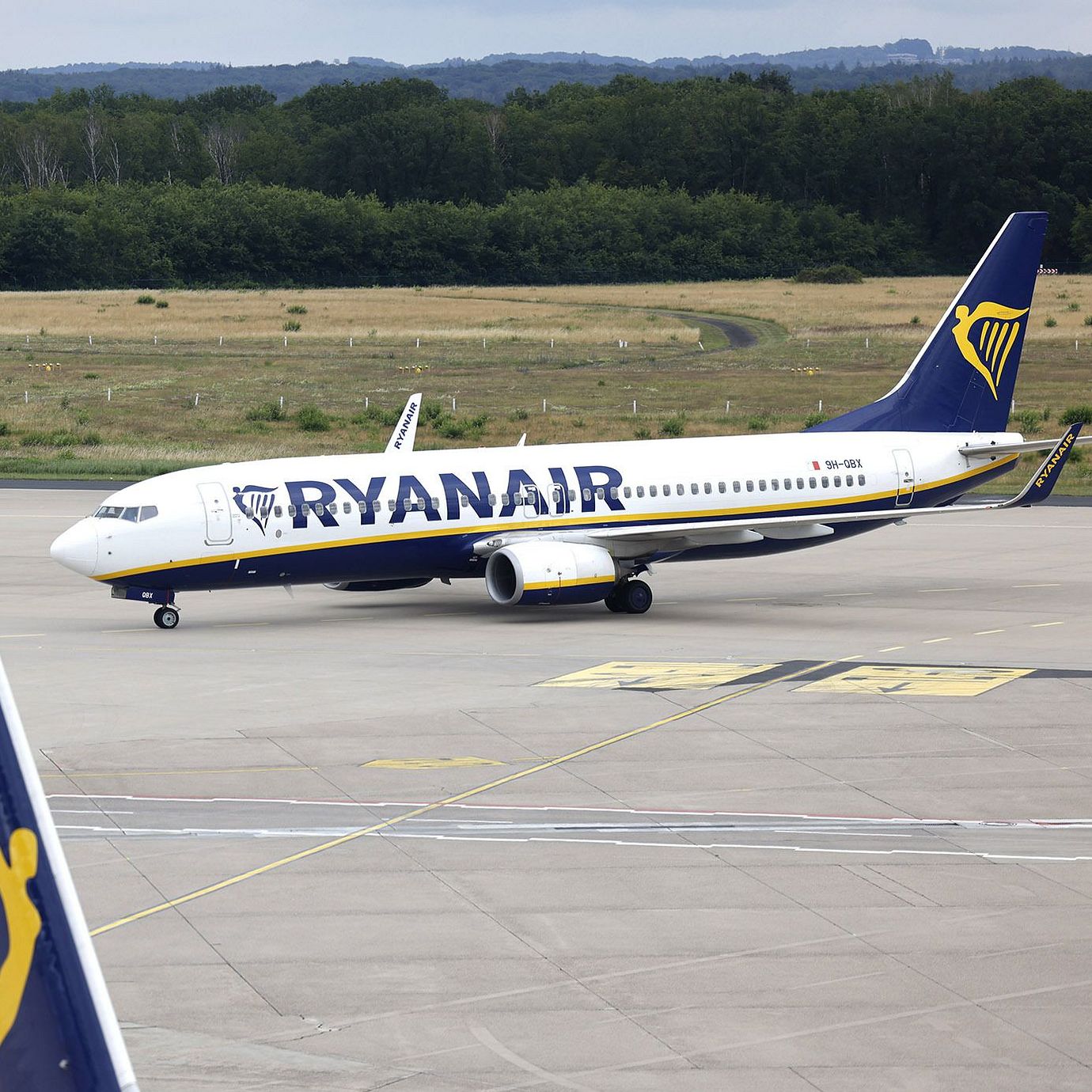
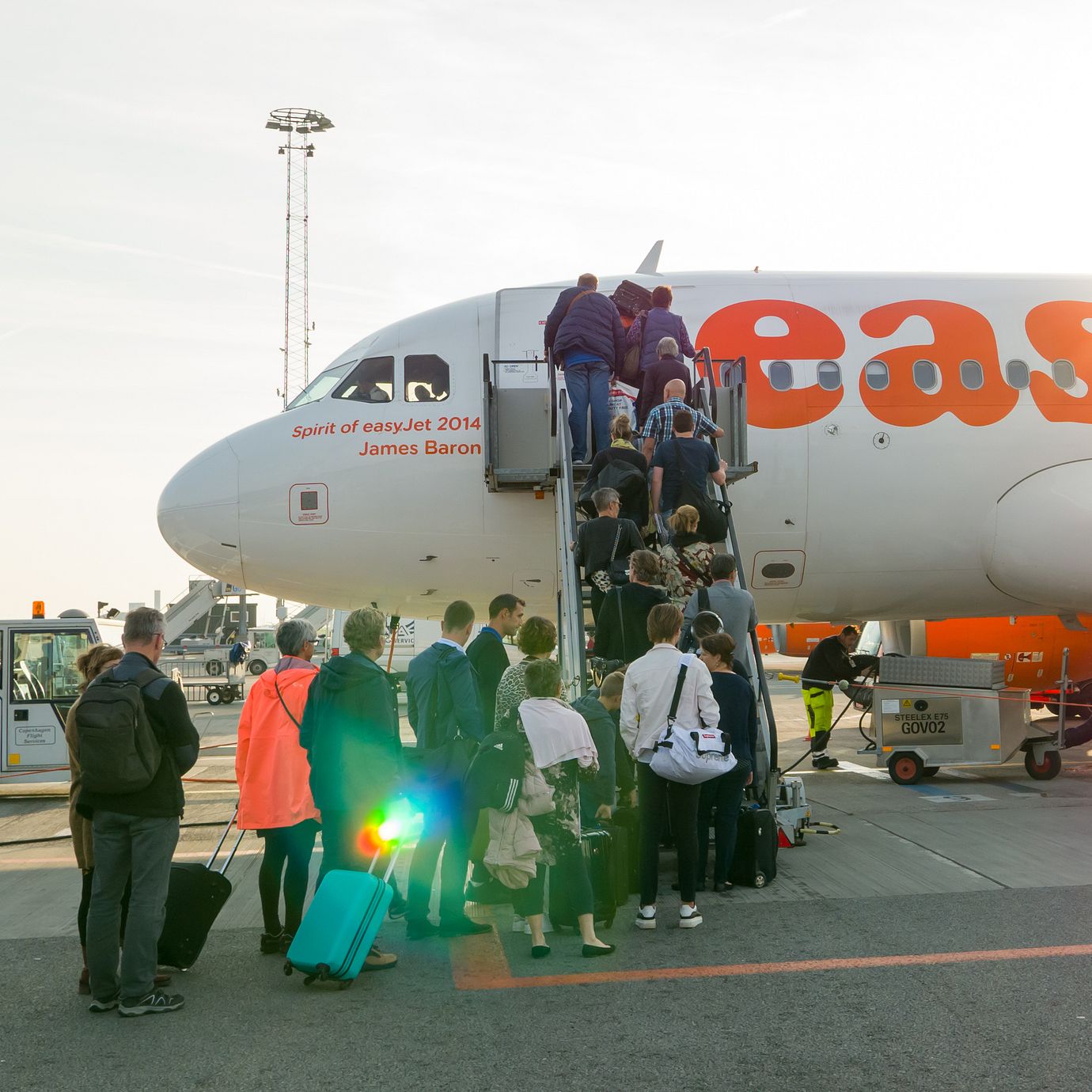
These days the upstarts are on the defensive as Lufthansa punches back. EasyJet quit the popular Frankfurt-Berlin route in 2020, and this year Ryanair abandoned Frankfurt altogether, saying the sky-high landing and terminal fees at Germany’s biggest airport—operated by a company partly owned by Lufthansa—rendered service there unprofitable. Post-pandemic, Ryanair’s seat capacity in Germany has fallen by almost half, whereas in Italy it’s up 40%, according to researcher Cirium. EasyJet has cut its Berlin-based fleet by more than two-thirds, to 11 aircraft, while in Lisbon it’s added nine jets, up from zero.
As Europe’s largest economy becomes a no-fly zone for low-cost carriers, its aviation market has rebounded more slowly than other places on the continent. Traffic in some major markets now exceeds pre-pandemic levels, but in Germany it’s about 75% of what it was in 2019. In many smaller cities it’s not even a quarter of its peak, pushing regional airports to the brink of bankruptcy and crimping tourism.
Lufthansa has held its ground via control of more than two-thirds of slots in Frankfurt and Munich—far more than what British Airways and Air France have at their London and Paris bases. On domestic routes, Lufthansa and its low-cost subsidiary, Eurowings, have a near-total monopoly, so there’s scant incentive to lower fares. A two-week advance-purchase ticket for Frankfurt-Munich, flown by Lufthansa alone, costs €349 ($360). Fares for London to Edinburgh, a similar distance served by three airlines, start at £56 ($67). Comparison site Idealo says Lufthansa is increasing its average ticket price by 40% for next summer, more than any other major European airline.
After Lufthansa took over most of what was left of discounter Air Berlin in 2018, Germany’s competition watchdog concluded that the carrier had used its dominant position to raise prices. But it said it didn’t have the authority to review the case and impose penalties because EasyJet also picked up some aircraft and landing slots as part of the Air Berlin demise—an expansion that’s since fizzled. “The market is set up to protect Lufthansa,” says Dara Brady, Ryanair’s marketing chief. “It’s the German customer that gets screwed.”
Germany’s airport fees and taxes are the highest of the EU’s four biggest markets
In principle, the European Union should be an aviation free-for-all, with the bloc’s carriers allowed to operate domestic flights in any country. That’s helped EasyJet, Ryanair and Wizz Air Holdings expand across the continent, forcing incumbents such as British Airways and Air France-KLM to cut prices or scale back. But during the early pandemic lockdowns, Lufthansa got a €9 billion government lifeline to help it limp along when most of its fleet was grounded, while nothing of that scale was available to EasyJet or Ryanair. After repaying the funds, Lufthansa is switching back to growth mode and seeking to hire as many as 20,000 new employees.
Germany’s airport fees and taxes are the highest of the EU’s four biggest markets, according to researcher RDC. It costs 13% more per passenger for single-aisle planes to land in Munich or Frankfurt than the average of major European hubs, while the cost at Germany’s secondary airports is more than a quarter higher than the average for similar facilities, RDC says. And Germany has no significant lower-cost alternatives to the primary airports in its biggest cities, unlike Ryanair’s stronghold at London Stansted or EasyJet’s hubs at Luton and Gatwick.
Lufthansa also relies on its Eurowings brand to fend off the low-cost carriers. While the operation has run at a loss, Lufthansa uses it to maintain prices at a level that, when combined with high taxes and fees, makes it more profitable for discounters to shrink their German operations and deploy their jets elsewhere. Budget airlines initially predicted the low-cost effort would founder under the weight of corporate bureaucracy, says Lufthansa Chief Executive Officer Carsten Spohr. “They laughed at it,” Spohr said on an October earnings call. “But it’s proved an immensely effective tool.”
It’s not just short-haul routes that are affected. Emirates, the largest international airline, has sought landing slots in Berlin for more than a decade, but authorities have said it can get them only by abandoning one of the four other German airports it serves. That’s not an option, says Emirates President Tim Clark. “We said, ‘Which one would you like us to give up?’ ” Clark told reporters in Berlin in November. “ ‘And would you make your peace with the people who are deprived of our services?’”
More stories like this are available on bloomberg.com.
For more articles like this please visit us at bloomberg.com