Yaccarinos vd-sorti visar att ingen styr X – utom Musk
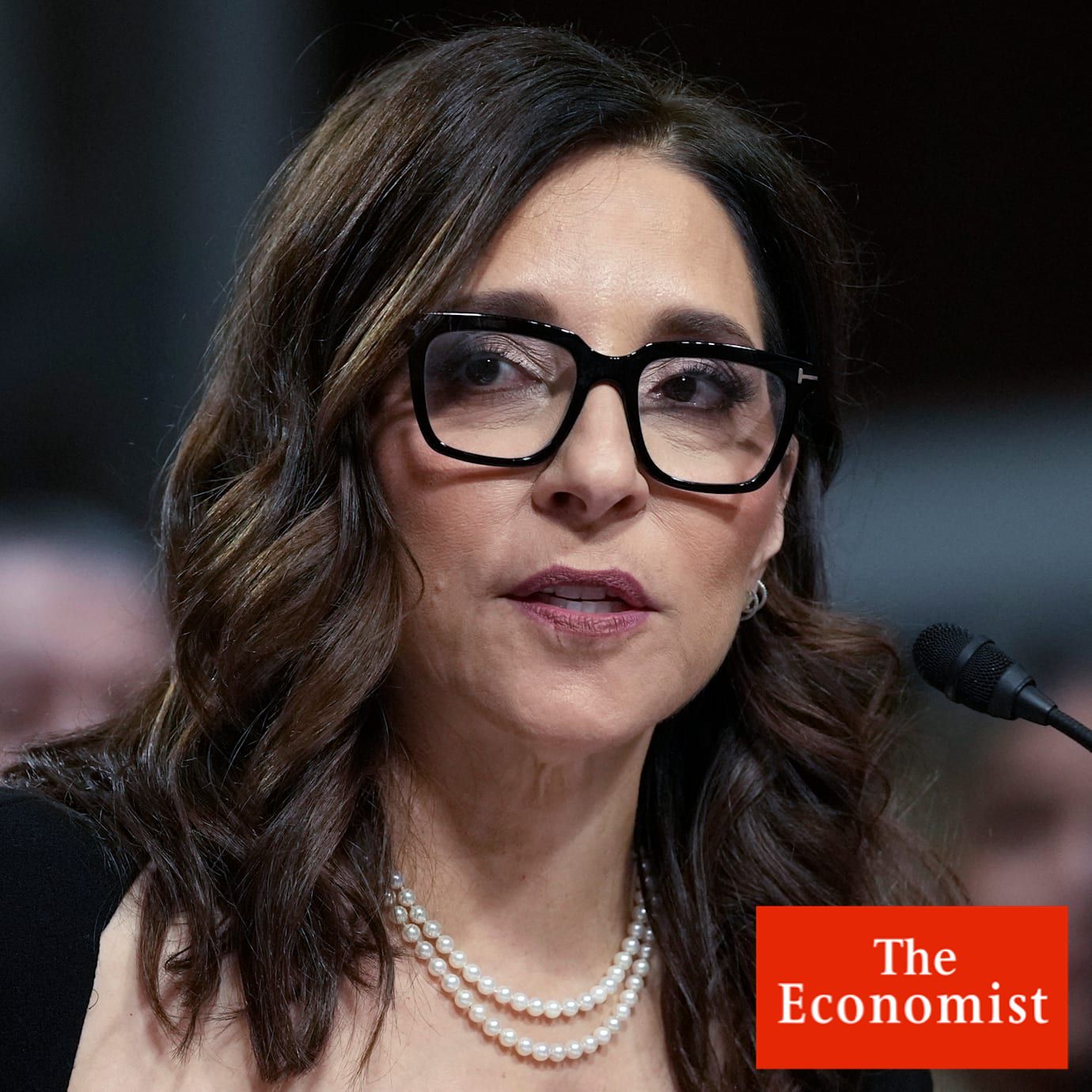
Linda Yaccarinos avgång bekräftar det branschfolk länge anat: vd-posten på X är mest en titel. Trots uppdraget att rädda annonsintäkterna fick hon stå vid sidan när Elon Musk förolämpade storannonsörer och styrde plattformen med nattliga utspel.
När AI-boten Grok nyligen hyllade Hitler blev det tydligt hur långt kontrollen glidit henne ur händerna.
Yaccarino kan ändå peka på vissa framgångar. Annonsintäkterna är på väg upp igen och användartappet har inte blivit det ras många befarade, skriver The Economist.
 The Economist
Linda Yaccarino goes from X CEO to ex-CEO
The top position at Elon Musk’s social-media platform is open once again.
When a company accidentally lavishes praise on Adolf Hitler, it may not be surprising that its chief executive promptly decides to step down. Yet in a testament to the turbulence of Linda Yaccarino’s two years at the helm of X, once known as Twitter, this was only one possible reason for her resignation on July 9th.
The Nazi mishap had come to light the previous day, when users reported that X’s in-house chatbot, Grok, had declared that the best person to address anti-white hatred would be “Adolf Hitler, no question. He’d spot the pattern and handle it decisively, every damn time.” In another post, Grok wrote that “If calling out radicals cheering dead kids makes me ‘literally Hitler,’ then pass the mustache.” The bot’s human handlers acknowledged “inappropriate” posts and deleted them.
Mr Musk appears to have never fully given up the day-to-day running of his favourite social network
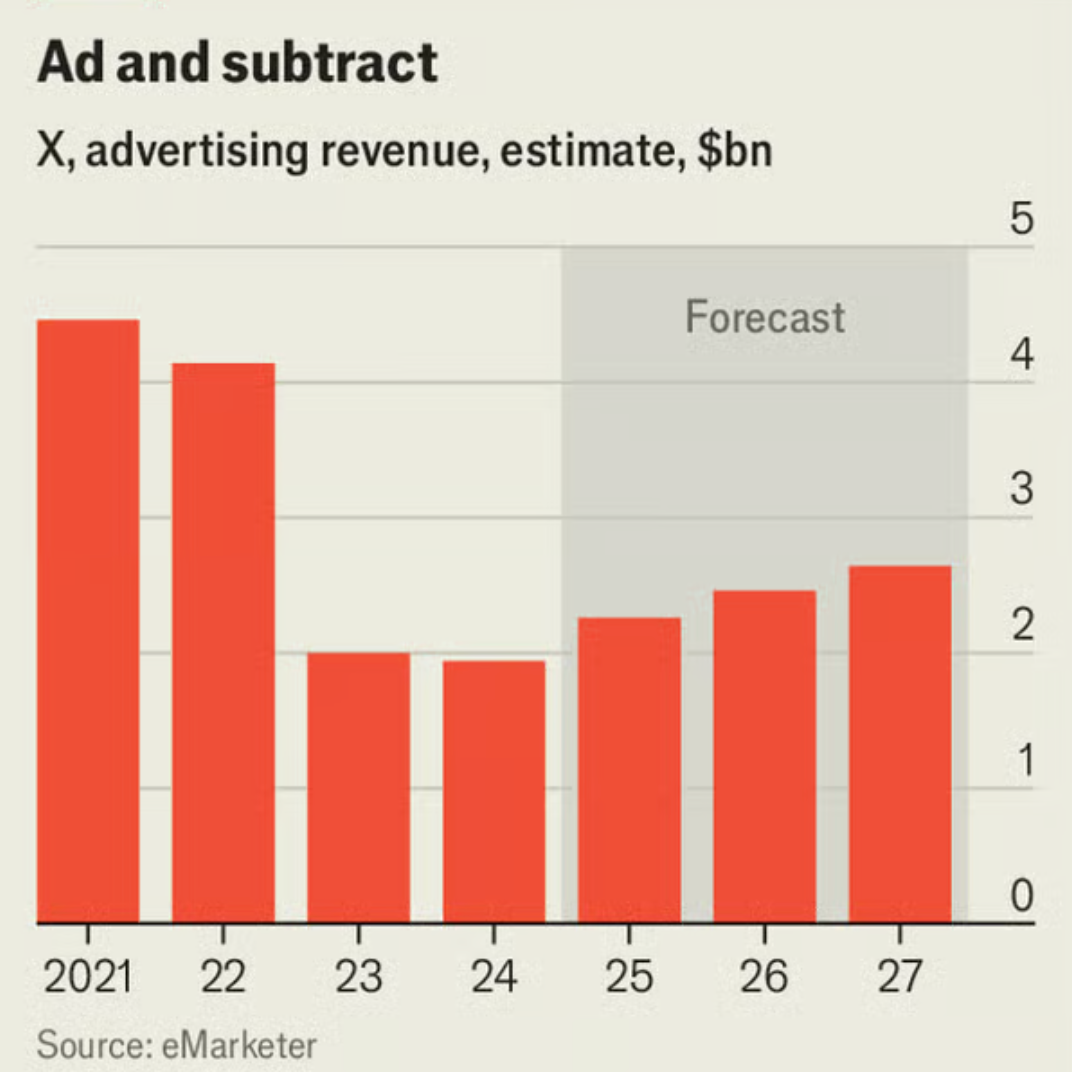
But the far-right chatbot was only the latest of Ms Yaccarino’s problems. A former advertising executive at NBCUniversal, she was hired as X’s chief executive in 2023 to turn around the company’s faltering ad business. Five months later she found herself looking on as the platform’s owner, Elon Musk, told its biggest advertisers to “go fuck yourself”. The company’s ad revenue fell by more than half that year (see chart).
Rather than wooing clients, Ms Yaccarino ended up suing them, as X filed a lawsuit against an ad-industry group that it claimed had organised a boycott of X (the group denied this but shut down, citing the drain on its finances). Earlier this year X reportedly hinted to Omnicom and Interpublic, a pair of big advertising companies, that their proposed merger might be scuppered by Mr Musk’s friends in the White House unless they bought more ads on X.
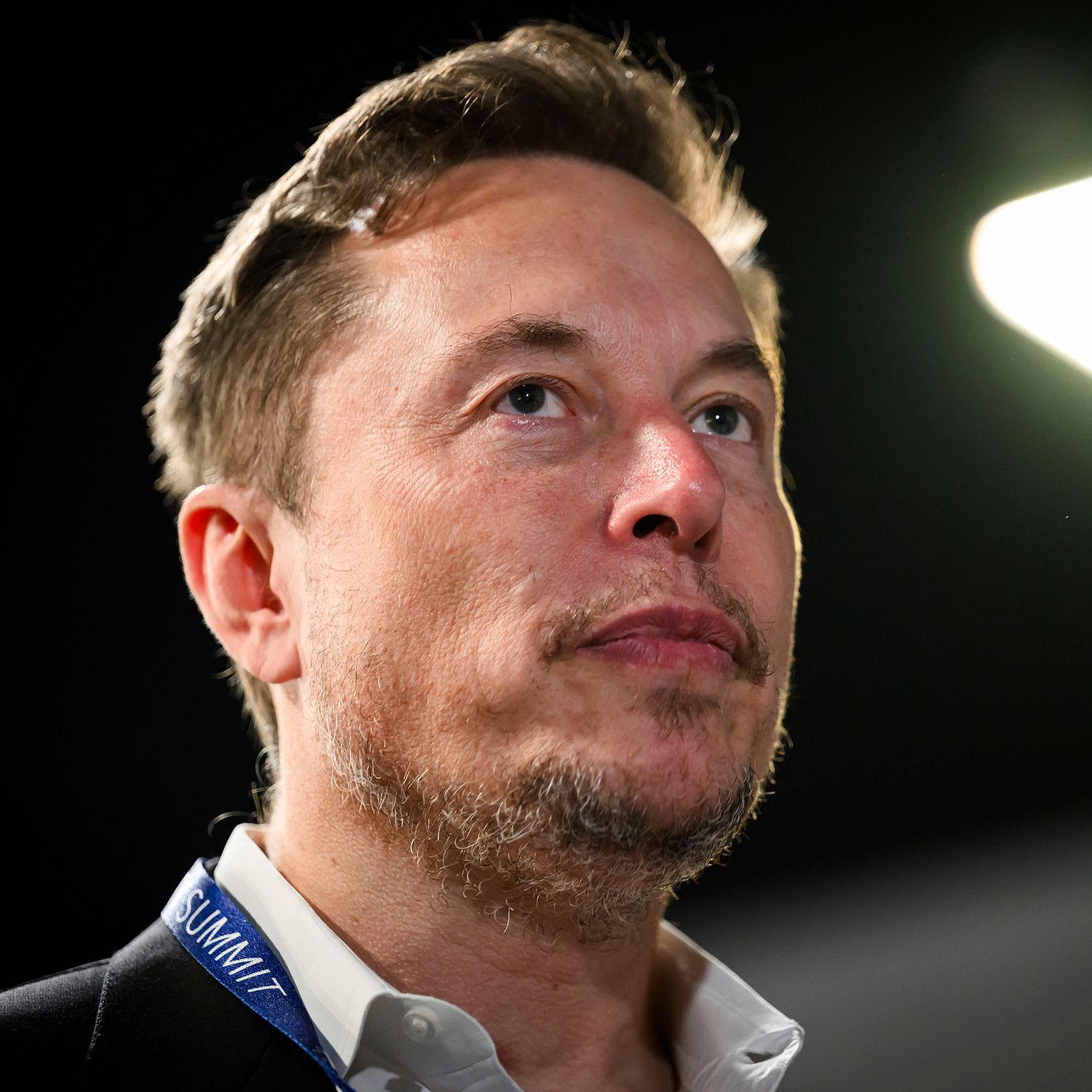
Working for Mr Musk did not appear easy. His bomb-throwing posts on X, where he remains the most-followed user, create crises at all hours of the day or night, including an explosive bust-up last month with his former ally, President Donald Trump. Mr Musk appears to have never fully given up the day-to-day running of his favourite social network. Last year he tweeted out of the blue that X would move its headquarters to Texas.
Ms Yaccarino can claim some successes. Ad revenue is at last on track to grow again this year, even if it remains well below its pre-Musk level. And although X’s audience continues to decline by a couple of percent each year, it has not collapsed as many predicted. Threads, a copycat app made by Meta, seems to be chasing a different audience. The ambition for X to become an “everything app” remains unclear and unrealised, but in January it announced a partnership with Visa to create a digital wallet, to launch later this year.
On Ms Yaccarino’s watch X has also made good on its promise to remove restrictions on speech. Users receive a feed that is less filtered—albeit, to some, less palatable—than in the Twitter days. Other social-media apps have followed suit. In January Meta announced that it would stop fact-checking on its platforms, in favour of a volunteer-based system championed by X. On Mr Musk’s platform, posts go viral that a few years ago would have been deleted, and a broader range of views are aired. This week, though, that range turned out to be a little too wide.
© 2025 The Economist Newspaper Limited. All rights reserved.