Israels massiva vapenexport till väst bromsar sanktioner
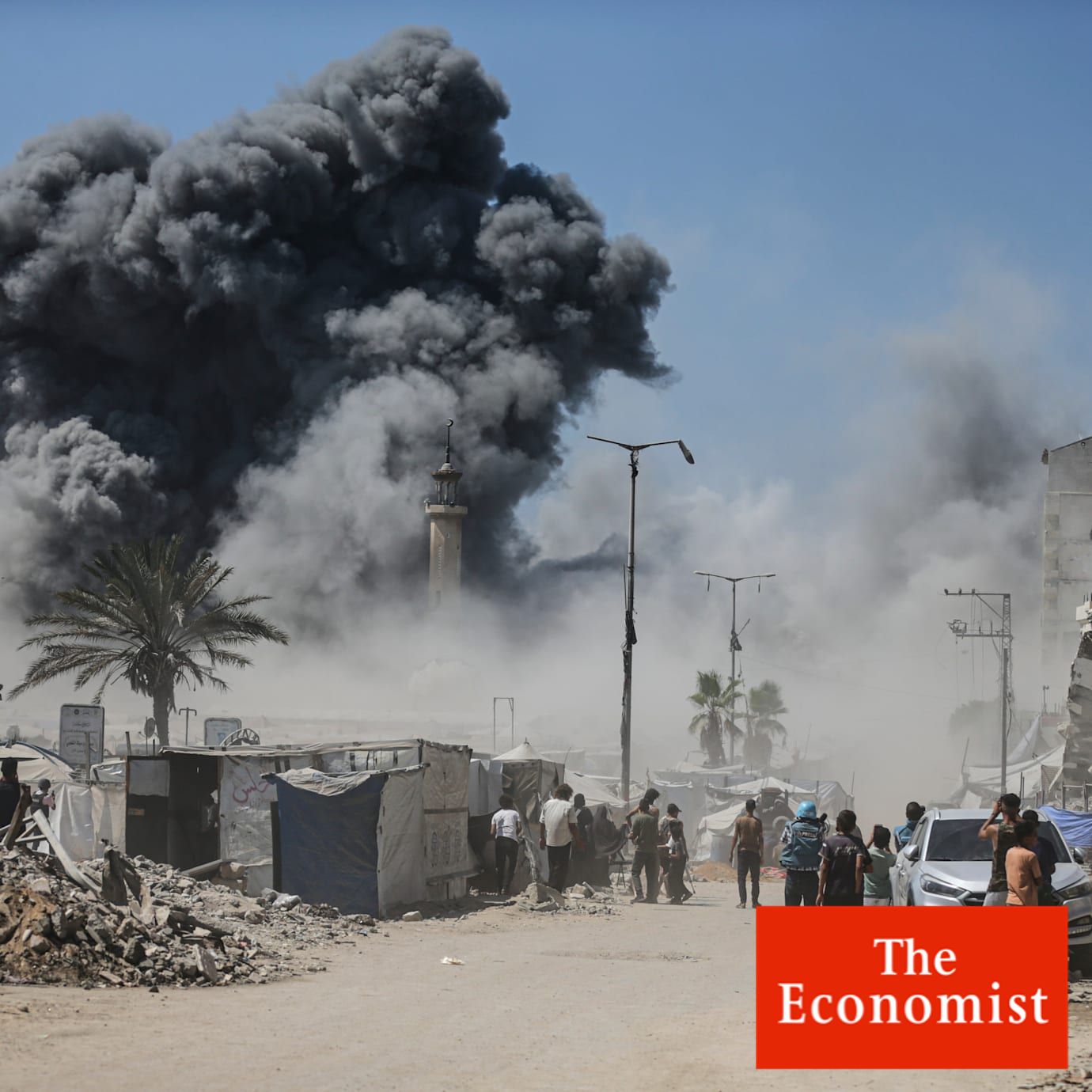
Trots omvärldens kritik mot kriget i Gaza fortsätter Israels försvarsindustri att vinna miljardkontrakt – inte minst i Europa. Enligt The Economist har vapenaffärerna blivit ett effektivt skydd mot politiska påtryckningar.
– Affärerna binder länder till Israel på ett sätt som bromsar försök att införa sanktioner, säger en israelisk diplomat.
Till exempel är Tyskland och Storbritannien både köpare och leverantörer av militärmateriel till Israel, vilket gör det ömsesidiga beroendet svårt att bryta.
I Frankrike har protester lett till symbolåtgärder – som att skärma av israeliska montrar på vapenmässor – men affärerna fortsätter ofta dolt via tredjepartsavtal.
 The Economist
How Israel’s arms exports have made it sanctions-proof
Israel gains diplomatic insurance by supplying weapons crucial to Europe’s defence.
For decades Israel’s arms industry was primarily known for one piece of kit. The Uzi, a compact and rugged submachinegun much beloved by action-movie heroes, embodied Israel’s national brand as a tiny, ingenious and, when necessary, deadly little country. Israel has changed since, but its arms industry still has branding power. Nowadays, though, its most ubiquitous product is not a gun but its missile-defence system widely known as Iron Dome (though this is the name of just the lowest of its layered defences).
These systems have also become a major source of income for its defence contractors, contributing to what was a record-breaking year of $14.8bn of arms export deals in 2024. This puts Israel, a country of only 10m, in the eighth place of the world’s arms-exporters’ league, just one spot behind Britain and well ahead of the other rising stars of weapons sales, South Korea and Turkey.
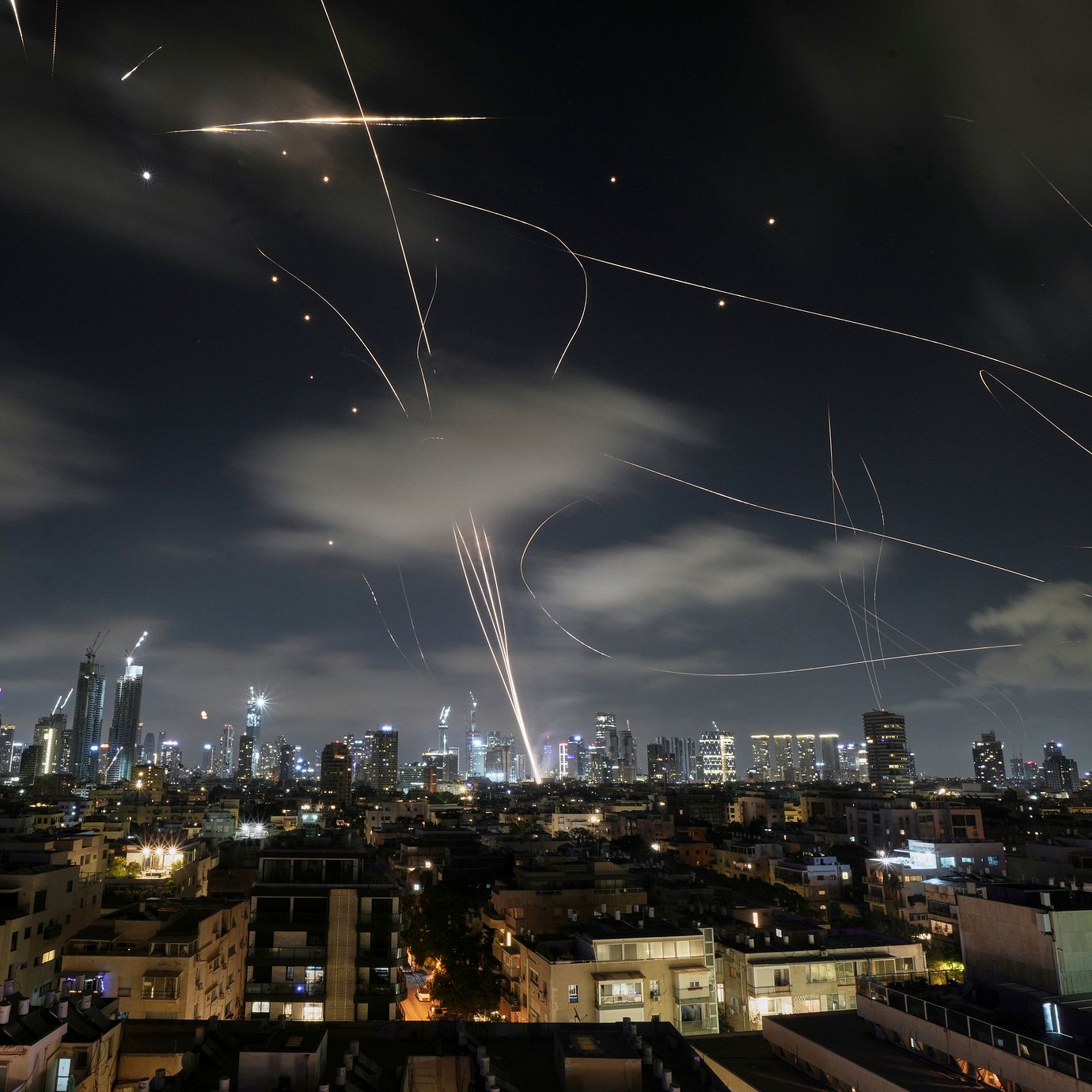
Israeli figures don’t disclose the total sales to each country, but according to its defence ministry, over half were to Europe. In 2023 Israel signed a $4.3bn contract to supply Germany with Arrow 3 interceptor batteries, which down incoming ballistic missiles while they are still outside the atmosphere. In May Germany announced it would also buy the more advanced Arrow 4. In addition, Israel has sold drones, missiles and air-defence computers to Britain, and it supplies targeting systems for jet fighters used by a large number of European (and other) countries.
Israel’s arms exports offer the country far more than just commercial benefits. They also help shield it from arms embargoes or other penalties over its conduct of the war in Gaza. “These deals tie countries into a long-term relationship with Israel which helps curb moves towards sanctions against Israel,” says an Israeli diplomat. “These countries are invested in Israel for their national security.”
“We can find workarounds for most of the stuff we were planning to buy from these countries”
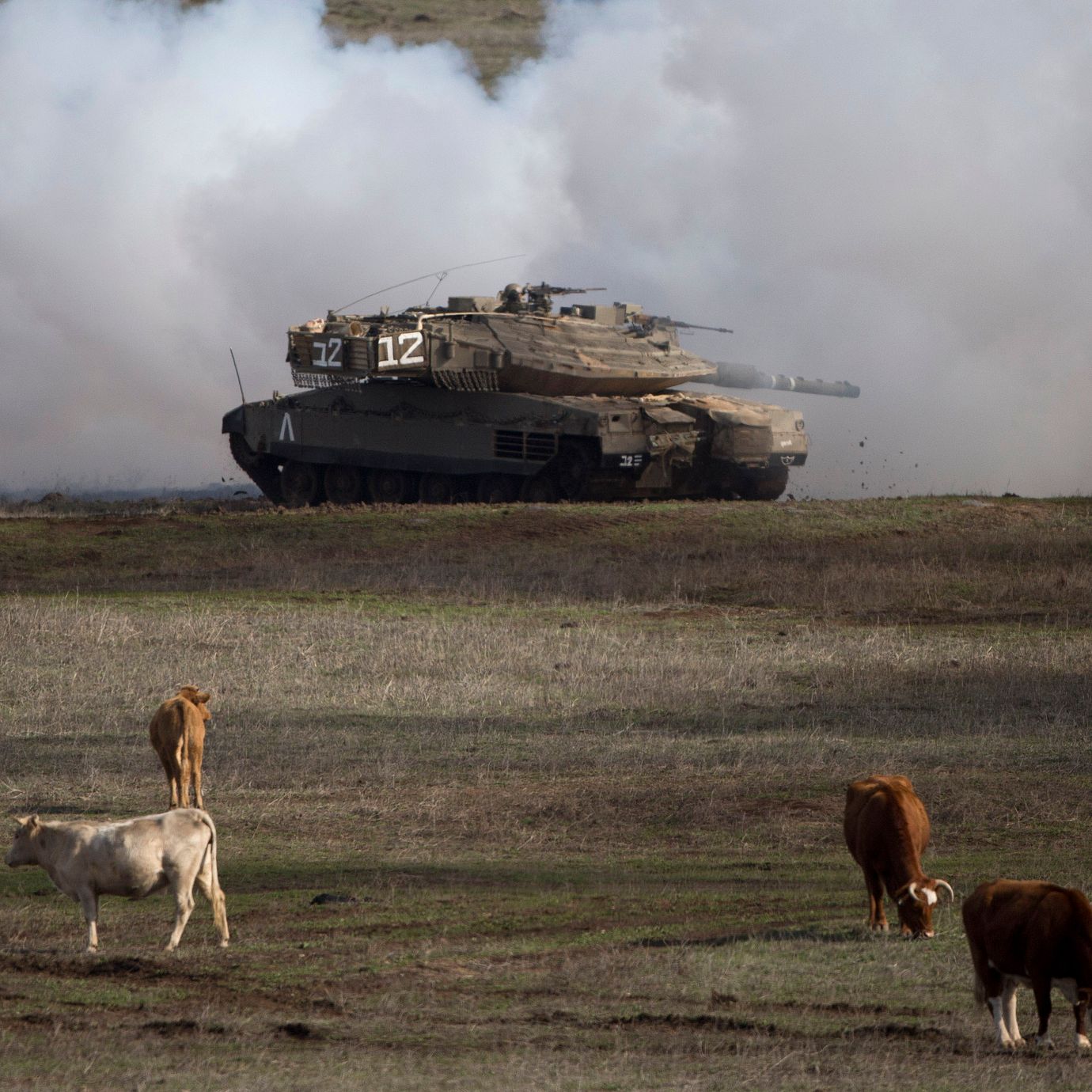
This matters because the arms trade is a two-way street. Israel buys many components or systems from its biggest clients, including spare parts for F-35 fighters from Britain and German engines for its Merkava tanks. Although Britain and Germany have announced limits on arms sales to Israel to protest against its devastation of Gaza, their controls are currently more bark than bite. “This is mainly symbolic,” says an Israeli official. “We can find workarounds for most of the stuff we were planning to buy from these countries.”
Israel’s main competitive advantage is that its weapons are battle-tested and in production. This makes them appealing even to much bigger countries such as America, which recently fired an Israeli Spike NLOS missile from an Apache attack helicopters. The M1 Abrams tanks of four American brigades have been retrofitted with Israeli “Trophy” systems, which protect them from missiles and drones. Both systems have been in use by the Israelis for years against Hizbullah in Lebanon and Hamas in Gaza.
When France’s president, Emmanuel Macron, sniffily accused the Germans of promoting a “third-party industry at the expense of European sovereignty” for buying an Israeli missile-defence system rather than one that France is developing with Italy, German officials simply shrugged. Russian ballistic missiles pose an immediate threat, they say, and Israel was able to offer a proven system, while the French one is still on the drawing board.
The grand prize Israeli firms are eyeing is in America, where Donald Trump plans to spend billions on the Golden Dome missile-defence programme. He insists that this will be developed and built by American firms, but they are expected to take the obvious shortcut of using Israeli know-how. “American companies will be standing in line for strategic partnerships,” says Boaz Levy, the boss of Israel Aerospace Industries (IAI), which makes the Arrow system.
The strategy of selling through partnerships was once controversial. Twenty years ago, when Israel and India began developing an air-defence missile together, Israel’s national-security council held long discussions on whether the country could share its military technology in such a way. Now the Barak system is operated by both countries. In recent months it was used by Israel to intercept Iranian drones and by India against Pakistani missiles. It has recently been ordered by three NATO navies. “The big Israeli exporters nowadays have their own companies in most NATO members,” says an industry insider.
Italy recently announced it was buying two new spy-planes from an American contractor, obscuring the fact they had been developed by Israel
This also helps them sell Israeli systems “beneath the radar” in periods when the political climate is less friendly towards Israel. Italy recently announced it was buying two new spy-planes from an American contractor, obscuring the fact they had been developed by Israel, which supplies the main avionics.
Even so, Israeli firms have been unable to completely insulate themselves from international disapproval over the war in Gaza. Britain recently barred Israeli officials from taking part in its biggest arms fair, which starts on September 9th, though individual Israeli companies will still be presenting. In June the French government ordered the erection of black screens around the Israeli stands at the Paris Air Show.
“The French say it’s because of Gaza”, says one Israeli executive, “but their main problem is that we’re competing for contracts with French arms companies and winning.” Even Mr Macron’s presidential jet, he adds slyly, uses an Israeli system to protect it from anti-aircraft missiles.
© 2025 The Economist Newspaper Limited. All rights reserved.