Vad USA-valet betyder för Tesla och andra bilaktier
Valet i USA kan få stor påverkan på bilindustrin. Traditionella fordonsjättar som Ford och GM brottas med pressade vinster och fallande priser, medan elbilsföretagen tampas med svalare efterfrågan och växande lager.
En Trump-seger kan innebära mindre stöd för elbilar och ge fördelar åt bensinbilar, medan en vinst för Harris sannolikt skulle ge fortsatt stöd för elfordon.
”Wall Street ser en vinnare oavsett vem som vinner valet – och det är Tesla”, skriver Barron’s.
 Barron's
What the Election Means for Tesla and Other Car Stocks
When it comes to auto stocks, Wall Street sees one winner no matter who wins the election. That’s Tesla.
Investors have had bigger issues than politics to worry about this year. Most of the traditional auto makers have had subpar years, with Ford Motor off 6.7% and Chrysler-owner Stellantis down 41%. General Motors, up 47% so far in 2024, has been the loan winner thanks to a stable business and massive share repurchases. Even with those gains, the trio trades for an average of about 5 times the estimated 2025 earnings, less than a quarter of the S&P 500’s 21 times.
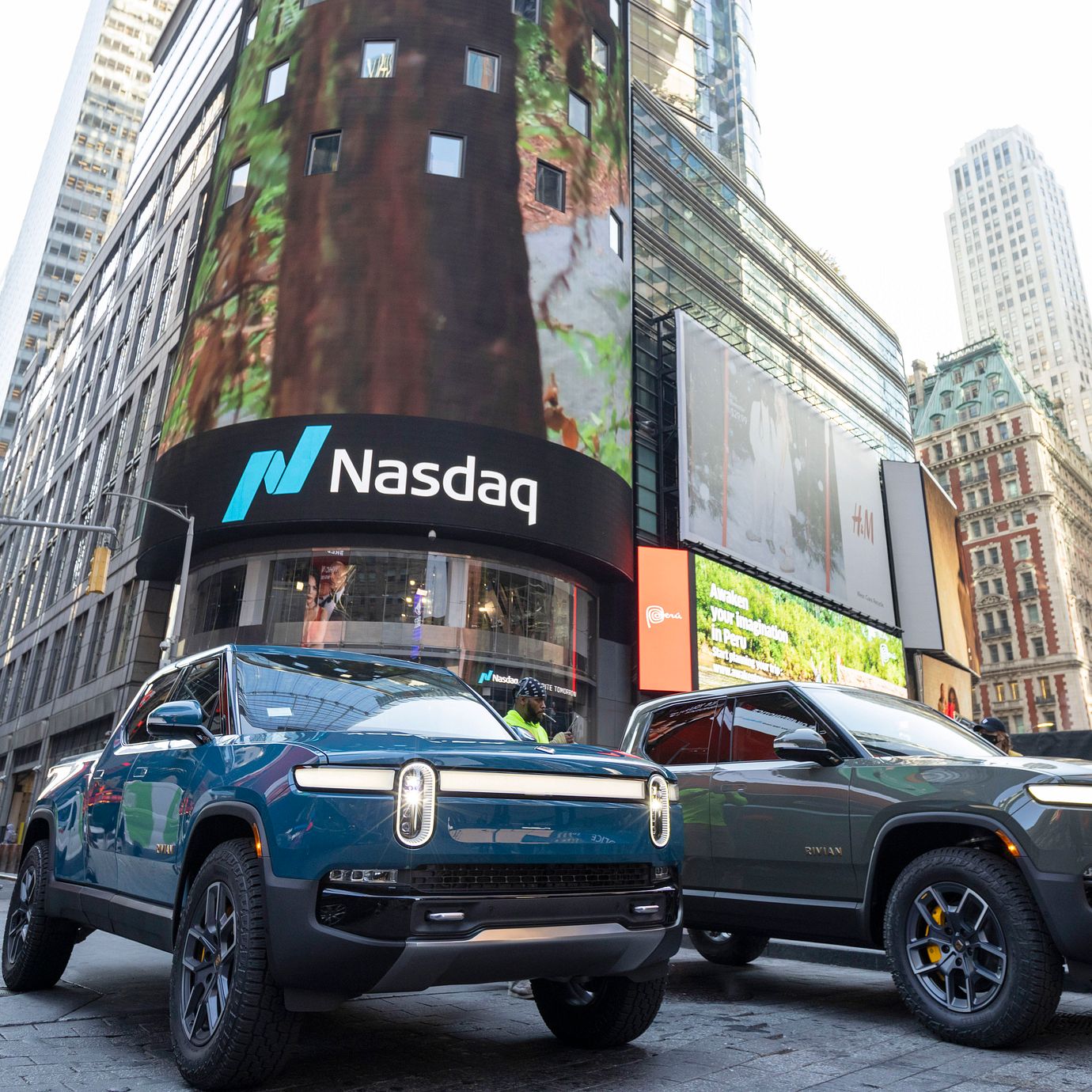
EV makers haven’t had it any better. Through Monday’s close, Tesla stock was up 5.7% in 2024, trailing the S&P 500 by about 14 percentage points, while shares of EV start-ups Lucid and Rivian Automotive are down 40% and 54%, respectively.
It’s hard to choose just one issue holding back the auto industry. Investors are worried about slowing growth in electric vehicles, especially after companies invested so much money to build them. They’re also worried about falling new car prices, rising incentive levels, high dealer inventories, and slowing production growth. All of those headwinds will remain no matter who takes over the White House.
That doesn’t mean the election doesn’t matter. While Wall Street believes a Harris win means business as usual, with no big changes to emissions policy or EV tax credits, a Trump victory has the potential to shake things up.
If Trump wins, Tesla will benefit from no manufacturing in Mexico and Musk’s potential influence within the Trump administration
Trump would almost certainly eliminate EV purchase tax credits, and that would mean slower electric-vehicle sales growth, according to BofA Securities analyst John Murphy. Trump has also threatened higher tariffs across the board, including from Mexico where many cars sold in the U.S. are built.
At the margin, Trump’s policies would be positive for GM and Ford. Both companies sell a lot of gas-powered vehicles and make a lot more money selling traditional cars than EVs. Ford, in particular, is well positioned for a second Trump term because it has less exposure to Mexican production than GM or Stellantis, according to Wolfe Research analyst Emmanuel Rosner.
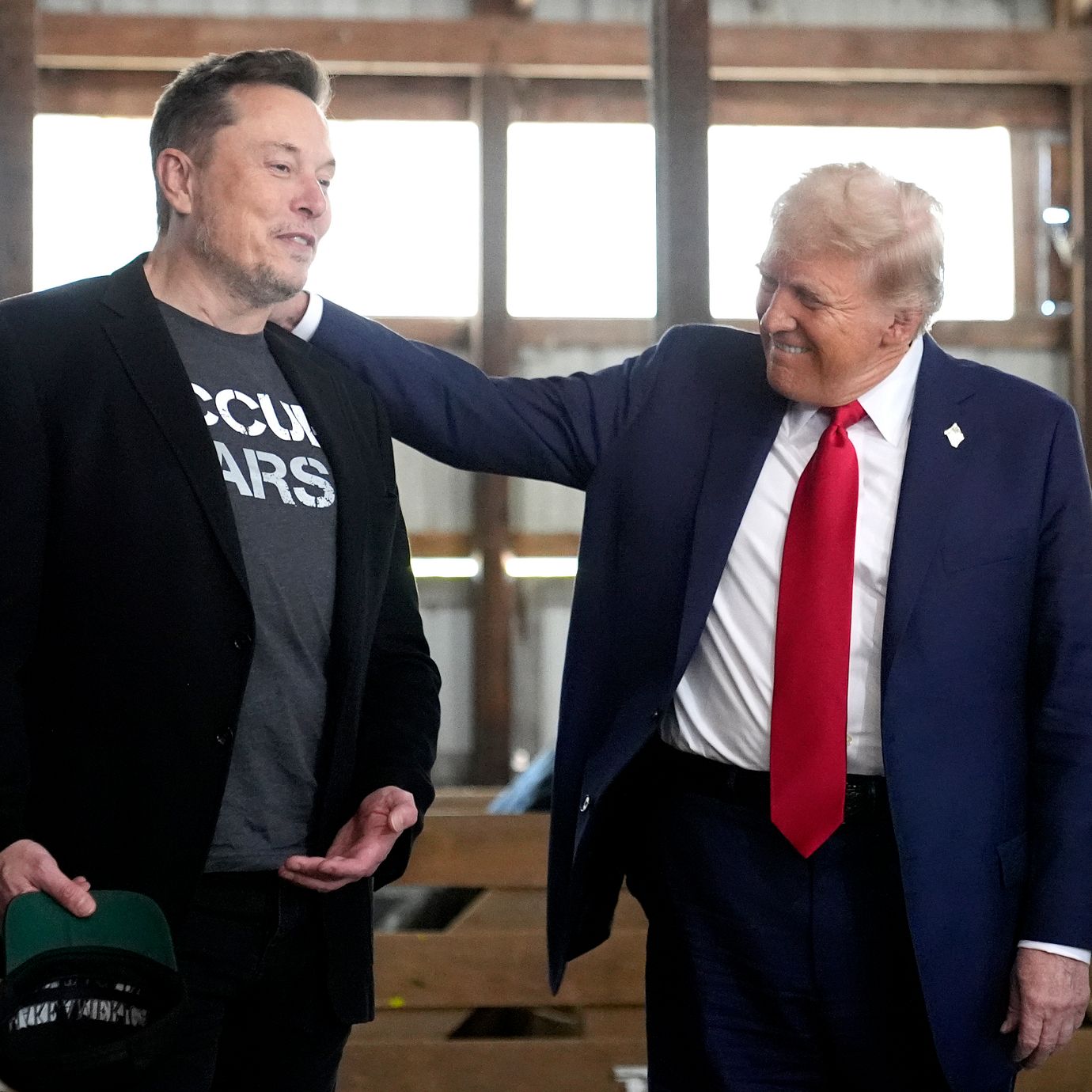
Rosner points to Tesla as a big winner no matter who eventually comes out ahead in the election. The company will continue to benefit from EV tax incentives and from selling U.S. regulatory credits if Harris emerges as the next president. But if Trump wins, Tesla will benefit from no manufacturing in Mexico and Musk’s potential influence within the Trump administration.
Guggenheim analyst Ronald Jewsikow also believes Tesla will get a boost if Republicans win the presidency because they’d favor fewer regulations on robo-taxis, which Tesla plans to launch in late 2025. “A Trump win is likely negative for the core EV business at Tesla,” the analyst wrote, but the stock would rally “on the view that a Trump administration helps autonomous [driving] regulations.”
Whatever happens, investors should remember that a lot more than Presidential politics determines what car companies earn
Auto parts suppliers in the Russell 2000 have struggled in 2024, and trade for just 12 times forward earnings after falling an average of 27% year to date. However, shares of parts suppliers such as Aptiv and TE Connectivity will likely do better under a Harris administration because they sell more parts for EVs than traditional cars, explains Wolfe’s Rosner.
Whatever happens, investors should remember that a lot more than Presidential politics determines what car companies earn and what investors will pay for their stocks.